Automatic vs Manual Driving Tests in the UK
Around one in five UK driving tests is now taken in an automatic. The licence you receive depends on the gearbox you tested in, and that decision shapes which cars you can legally drive for life.
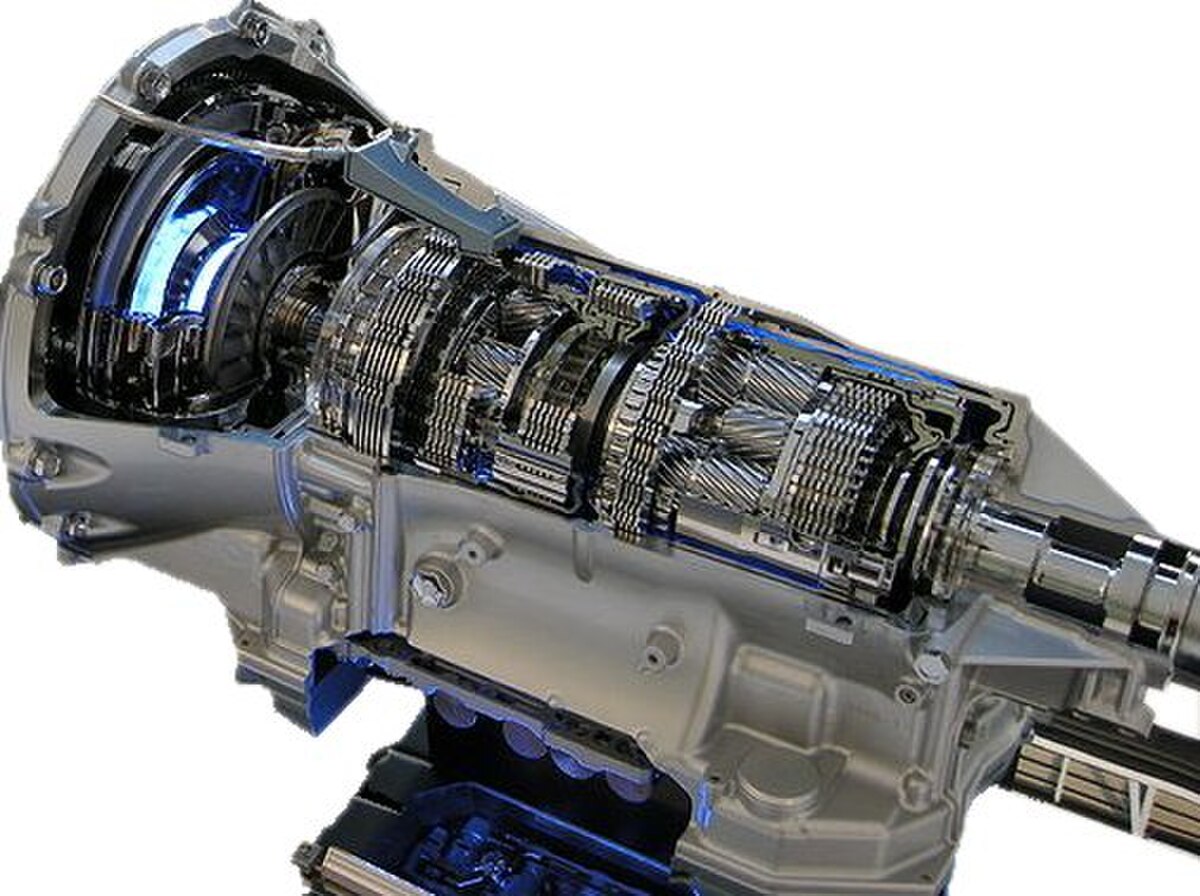
Two licences, not one
A UK Category B driving licence comes in two flavours. A "manual" licence (technically Category B) lets you drive any car with up to nine seats and a 3,500kg maximum weight, automatic or manual. An "automatic only" licence (Category B auto) restricts you to cars without a manual gearbox.
You can upgrade later by passing a manual practical test, but the auto restriction stays on your licence until you do.
Code 78: what the restriction actually says
The automatic restriction is not a note on your test certificate, it is a formal entry on the licence itself. It appears as code 78 in the table of codes on the back of the photocard, set against category B. A licence carrying code 78 permits automatic and semi-automatic vehicles only. Anything with a clutch pedal and a manual gearbox sits outside what you are licensed to drive, which makes driving one an offence and leaves your insurance with grounds to refuse a claim.
- Code 78 is printed on the back of the photocard against category B, so any employer, hire desk or insurer that reads the licence properly can see it
- It restricts the gearbox, not the vehicle. A code 78 licence still covers any category B car with up to nine seats and a 3,500kg maximum weight
- The restriction travels with you. It applies abroad exactly as it does at home, so an automatic-only licence does not cover a manual hire car overseas
- There is no equivalent restriction in the other direction. A manual licence does not tie you to manual cars, and most manual licence holders drive automatics at some point
- Both routes sit the same theory test, the same practical format, the same manoeuvres and the same fault criteria. Only the gearbox differs
Pass rates compared
Automatic tests show a slightly lower pass rate than manual tests, currently around 43% versus the manual figure of around 48%. Counterintuitive, given that automatics remove the clutch and gear-change challenges. The reason is candidate mix: automatic learners often include those who struggle with manual cars, older retest candidates, and people with anxiety or coordination difficulties.
| Automatic | Manual | |
|---|---|---|
| Pass rate | ~43% | ~48% |
| Cars you can legally drive | Auto only (code 78) | Auto + manual |
| Lessons typically needed | ~30% fewer | DVSA suggests 45 hrs |
| Hourly lesson rate | £35-£55 | £35-£55 |
| Test fee | £62 / £75 | £62 / £75 |
| Upgrade later | 10-20 hrs of manual lessons | Not applicable |
| Share of UK new cars (2024) | ~70% | ~30% |
When automatic makes sense
- You only ever plan to drive in cities with heavy stop-start traffic
- You have anxiety or physical difficulty with clutch control
- You plan to drive electric or hybrid vehicles, which are mostly automatic
- You want to learn faster, automatic learners typically need 30% fewer lessons
- You will only ever own automatic vehicles
When manual is the better choice
- You want flexibility to drive any car, including hire vehicles abroad
- You will sometimes drive vans or older vehicles
- You may need to insure or share a manual family car
- You plan to drive in rural areas where manual remains common
- You want maximum resale value on your driving qualification
The cost difference
Automatic lessons cost slightly more per hour (around £35 to £55) but you typically need fewer of them. Total spend tends to be similar, but the time to test is shorter. Test fees are identical: £62 weekday, £75 weekend, regardless of gearbox.
The shift in the UK fleet
Around 70% of new cars sold in the UK in 2024 were automatics, up from 25% a decade ago. Electric vehicles, which now make up roughly 18% of new sales, are almost universally automatic. The trend is clear: automatics are the future, and the case for choosing manual is narrowing.
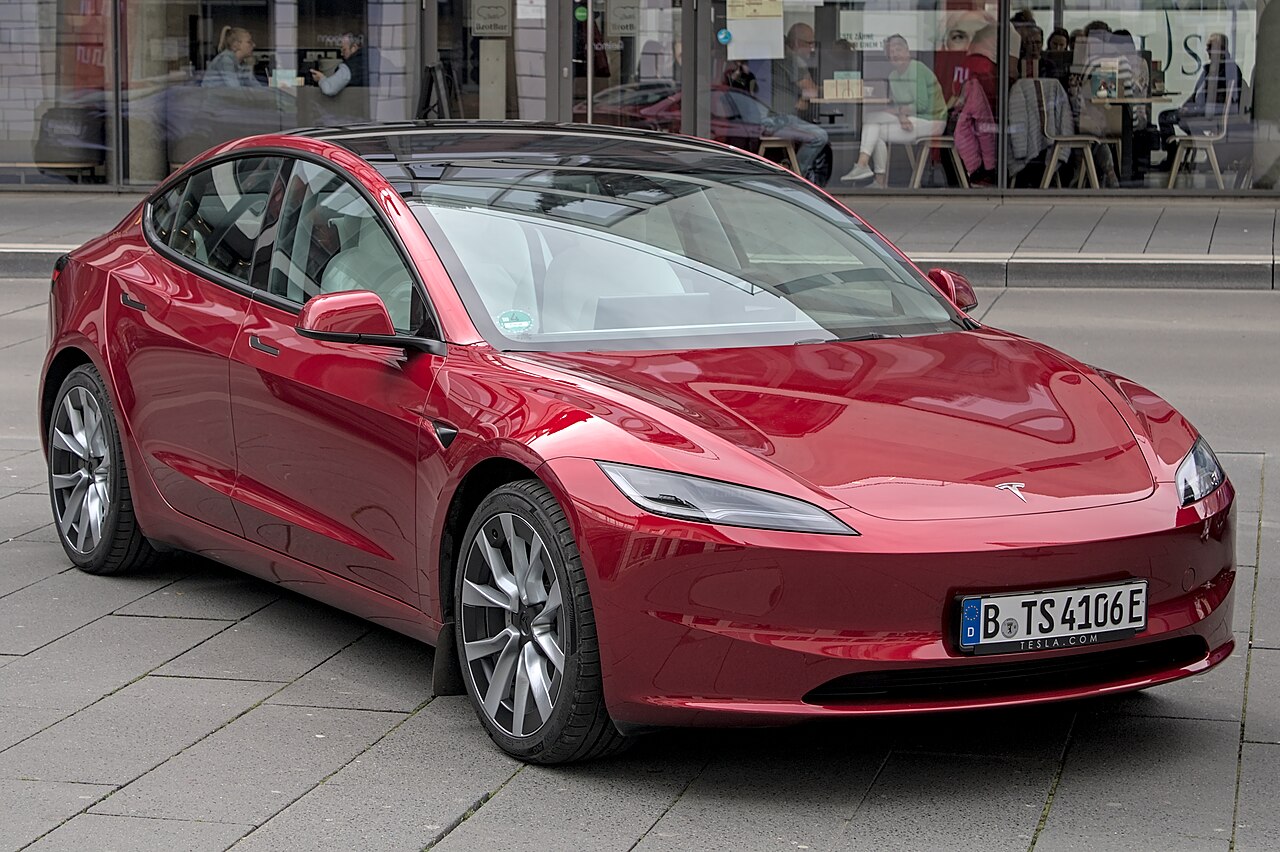
Upgrading from auto to manual
You take a full manual practical test, with the same fee and structure. You do not need to retake the theory. Most learners need 10 to 20 hours of manual lessons before they are ready to upgrade. The upgrade attempt counts as a full test booking and follows the same 10 working-day rule for any retake after a fail.
It is worth being blunt about what "upgrade" means here, because the word oversells it. There is no conversion route, no shortened assessment and no paperwork exchange that lifts code 78. The only way off the restriction is to sit the full category B practical again, in a manual car, and pass it. The single concession is the theory: if your theory pass certificate is still inside its two year validity you can go straight to booking the manual practical, and if it has expired you sit the theory again first.
The automatic licence restrictions guide covers the legal status of a Cat B auto licence (also known as code 78). The licence is valid across all four UK nations and within the European Economic Area for short visits, but specifically restricts you to automatic gearboxes only.
EV adoption and the case for automatic-only
Electric vehicles are single-speed automatics by design. They account for roughly 18 percent of new UK car sales in 2024-25 and are projected to be the majority of new sales by 2030. Policy pushes the same way, although the dates are often quoted wrongly: sales of new pure petrol and diesel cars end in 2030, hybrids run on to 2035, and the separate UK zero emission vehicle mandate requires 100 percent of new car and van sales to be zero emission by 2035. A learner choosing today between manual and automatic faces a future fleet that is overwhelmingly automatic.
The case for manual is now narrower than at any point in UK driving history. The strongest reasons to learn manual are: you will sometimes drive vans or older vehicles, you want to drive a manual family car, or you may need to hire vehicles in countries where manual is still the dominant gearbox. For learners with none of those needs, automatic is the rational choice on cost, time, and fit with the future UK fleet.
The electric car trap: passing in an EV gives you code 78
This is the part most learners do not see coming. An electric car has no clutch and nothing to change gear with, so for test purposes DVSA classifies it as an automatic. Take your practical in an EV and you have taken an automatic test, whatever you intended. The licence that arrives carries category B with the code 78 automatic-only restriction, exactly as it would if you had learnt in a conventional automatic.
That matters more with every passing year. Instructors are steadily replacing petrol and diesel tuition cars with electric ones for their own running costs, so a learner can end up in an EV without ever having framed the decision as manual against automatic. With the zero emission vehicle mandate taking new car and van sales to 100 percent zero emission by 2035, a growing share of new drivers will hold code 78 without having chosen an automatic licence at all. If an unrestricted licence matters to you, say so when you book your lessons and check the tuition car has a clutch pedal.
Does the automatic code change your insurance?
Not directly. The transmission code on your licence is not a standard rating factor. Insurers price a new driver on age, postcode, the car being insured, annual mileage and whether a telematics box is fitted. Nothing on that list reads code 78, and no mainstream insurer surcharges the restriction as such.
The effect is real but indirect, and it runs through the car rather than the licence. An automatic-only licence narrows the pool of vehicles you can buy, borrow or be insured on, and automatics tend to sit in slightly higher insurance groups than the equivalent manual model. So the cheapest car open to a code 78 driver is usually not quite the cheapest car on the market. If that difference would swing your decision, run a quote on a realistic first car for each route before you commit to a gearbox.
Pass-rate context across centres
The 5-point gap between automatic and manual pass rates holds across most UK test centres, with some local variation. Inner-London centres show a wider gap (sometimes 8 to 10 points) because the automatic candidate pool there skews more toward retake candidates and mature learners. Rural Scottish centres show a narrower gap (often 3 to 4 points) because the population mix is closer to evenly distributed. The why London centres are hard guide covers the urban candidate-pool effect.
Sources and further reading
The figures, fees, and procedures referenced in this article are verifiable on the official gov.uk pages below. PassRates.uk is built on the Driver and Vehicle Standards Agency’s open data, published under the Open Government Licence.
What is the pass rate at your test centre?
Search by centre name, town or postcode to see the latest DVSA figure.
Frequently asked questions
Can I drive a manual car if I passed in an automatic?
No. Your licence is restricted to automatics only. Driving a manual without upgrading invalidates your insurance and is illegal.
Are automatic test pass rates really lower?
Yes, by around 5 percentage points. The gap reflects the candidate population, not the relative ease of the gearbox itself.
Should I just take an automatic test to make life easier?
Only if you genuinely never want to drive a manual. Otherwise, the time saving is small and the licence restriction is permanent until you upgrade.
Does the UK driving test fee differ for automatic?
No. Both automatic and manual tests cost £62 weekday or £75 evening/weekend. The fee structure is identical. The driving test cost guide covers the full cost of getting a licence.
How long does it take to upgrade from automatic to manual?
Most learners need 10 to 20 hours of manual lessons before passing an upgrade test. The lessons can run in parallel with normal driving once you have your auto licence, so the upgrade timeline is set by lesson density rather than any DVSA waiting rule.
Will I get an automatic-only licence if I take my test in an electric car?
Yes. An electric car has no clutch and no gear changes, so DVSA treats it as an automatic. Passing in one gives you a category B licence with the code 78 automatic-only restriction, whether or not you ever thought of yourself as an automatic learner. If you want an unrestricted licence, check that your tuition car has a clutch pedal before you start lessons.
Does an automatic-only licence affect my car insurance?
Not as a rating factor. Insurers price on age, postcode, the car itself, annual mileage and telematics, and the code 78 restriction is not among the things they rate. The effect is indirect: code 78 limits you to automatics, and automatics tend to sit in slightly higher insurance groups than the manual equivalent, so the car you end up insuring can cost a little more to cover.
Related guides
- Transmission and conversionsAutomatic Licence RestrictionsRead guide
- Bus and taxiBus and Coach (PCV) LicenceRead guide
- Bus and taxiD1 Minibus LicenceRead guide
- Bus and taxiTaxi Licence ProcessRead guide
- Bus and taxiPrivate Hire LicenceRead guide
- Becoming an instructor or examinerDriving Instructor (ADI)Read guide
Written by Vikas and the PassRates.uk team. Vikas is the software engineer and driving enthusiast who started the site. The figures come straight from the DVSA open dataset; see the methodology.
Source DVSA, Open Government Licence v3.0
Continue reading
UK driving test statistics, 2026 edition: 48% pass rate, 1.84M practical tests, 16-week wait. Wales 54%, England 48%. Latest DVSA 2024-25 data analysed.
Failed your UK driving test? The 10 working day rule, the £62 retest fee, how to read your marking sheet, and a planner that turns it into a retake plan.