Easiest Driving Test Centre in London 2024-25: Sidcup 59%
No London centre is easy, but the spread is real. Sidcup leads the 2024-25 rankings at 59 percent. Chingford and Belvedere sit at the bottom at 36.5 and 38.3 percent. The 23-point gap is wider than the spread inside any other UK city, and it is the single biggest variable you can move before you ever sit in the car. Outer-zone centres beat inner-zone centres by a consistent 10 to 20 points, year after year, because the routes are residential rather than relentless. Inner-zone tests pile a decision on you every 30 seconds: bus lane, cycle phase, hatched box, lane-choice on a five-exit gyratory. Outer-zone tests give you a quiet suburban stretch to recover. That is the whole pattern. Sidcup, Tolworth, Isleworth, Bromley, Mill Hill and Pinner lead the rankings. Chingford, Belvedere, Wanstead, Greenford and Goodmayes sit at the bottom. The decision is not which centre is easiest. It is which centre is easiest that you can also practise the routes for.
The data: outer London leads
UK-wide driving test pass rates split clearly between inner and outer London zones in 2024-25. Sidcup leads at 59 percent (12,800 tests). Tolworth follows at 53.3 percent. Isleworth (Fleming Way), Bromley and Mill Hill sit in the low 50s. At the other end, Chingford runs at 36.5 percent, Belvedere at 38.3 percent and Wanstead at 40.4 percent. The 23-point top-to-bottom spread is the widest within any single UK city. The full London vs UK pass rate research breaks down how London sits below the UK headline and which inner-vs-outer factors drive the gap.
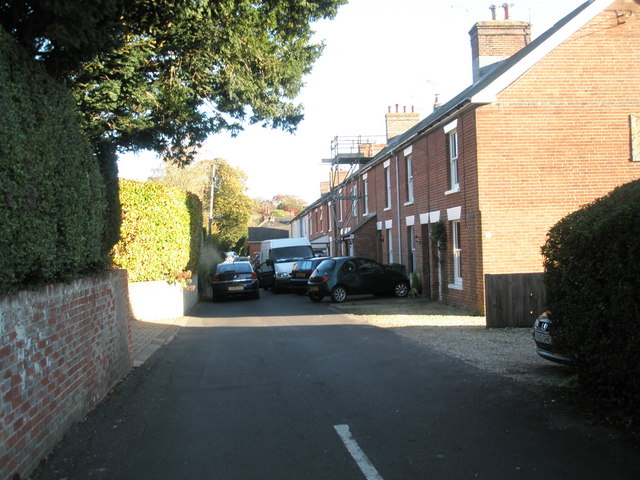
The pattern is structural rather than coincidental. Outer zones have more residential driving, fewer multi-lane junctions, lighter bus and cycle-lane density, and less of the relentless decision-making pace that defines an inner-London test. The why London centres are hard guide covers the underlying reasons in detail. The easiest vs hardest centres guide sets out the national picture, with Chingford at the bottom of the London ranking and Lerwick (Shetland) at the top of the UK ranking.
The top contenders
- Sidcup (59.0%): south-east suburban routes, the clear London leader on 12,800 tests in 2024-25
- Tolworth (53.3%): Kingston-area suburban routes with predictable traffic patterns
- Isleworth (Fleming Way) (51.8%): West London, suburban West Middlesex feel
- Bromley (51.7%): South-East, suburban with selective A21 sections
- Mill Hill (51.1%): outer North-West London, residential and A1 sections
- Pinner (50.3%): suburban Harrow with relatively few inner-city challenges
- Barnet (49.9%): outer North London, semi-suburban mix
- Uxbridge (49.6%): outer West London, residential and A40 mix
- Hendon (49.5%): outer North-West, mix of A41 corridor and residential streets
- Loughton-style outer-fringe centres (mid-40s): semi-rural feel, lighter traffic
The toughest London centres
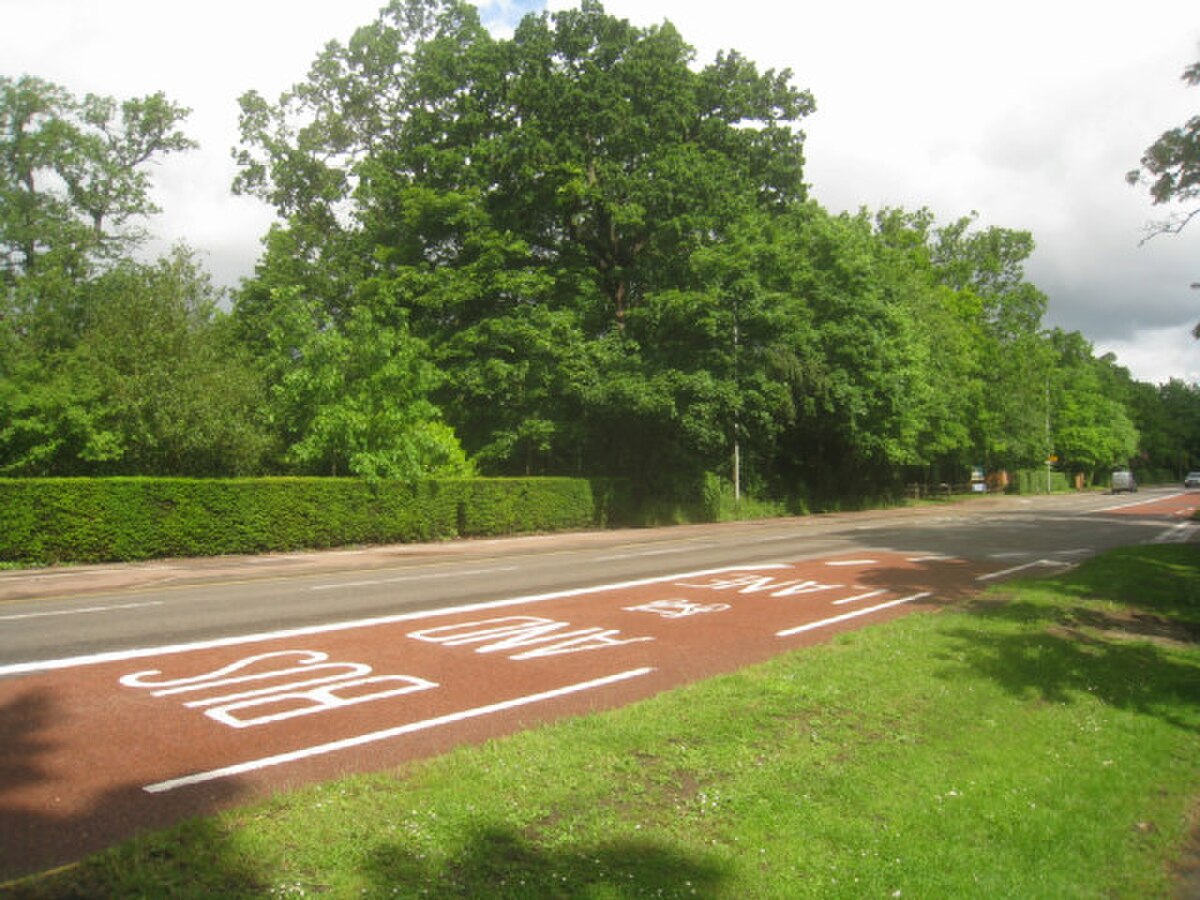
Chingford, Belvedere, Wanstead, Greenford and Goodmayes consistently sit at the bottom of London rankings, with 2024-25 pass rates of 36.5, 38.3, 40.4, 40.5 and 43.7 percent. Belvedere's routes touch the A2016 Bronze Age Way, the dock-road area, and the residential streets behind Erith. Wanstead's routes include the A12 corridor and the gyratories around the Olympic Park. Chingford and Wood Green cover the dense streets and bus-lane density that catches learners on autopilot. Their routes feature more multi-lane junctions, narrower streets with parked cars on both sides, and busier traffic patterns.
The pass-rate gap between the kindest and toughest London centre is real and consistent across multiple years. The Chingford pass rate in 2024-25 is roughly 60 percent of the Sidcup rate, 36.5 percent against 59 percent. That is not because Sidcup examiners are easier (DVSA marks to the same standard everywhere) but because the routes are.
Should you travel to a kinder centre?
For some learners, yes. The pass-rate gap is real, up to 23 percentage points between Sidcup and Chingford. But the practical question is whether you and your instructor can practise the routes. A kind centre 90 minutes from home, with no route familiarity, often offers worse odds than a tougher centre you know. The should I travel for easier test guide walks through when the journey pays off.
The practical rule: travel makes sense when the pass-rate gap is at least 8 points and you can take 2 to 3 pre-test lessons in the new area. A central London learner switching to Sidcup for a 15-point lift, with 3 lessons booked in the Sidcup area before test day, is a sensible trade. The same learner switching to Sidcup with no local practice usually finds the data advantage disappears on test day because they meet Sidcup-specific roundabouts and junctions for the first time under exam pressure.
How to actually pick your London centre
Match the centre to your practice area first. List the centres within a 30-minute drive of where you live or where you have done your lessons. Filter that list by pass rate. Take the highest pass rate on the filtered list. That is your booking choice. For most London learners that produces Mill Hill or Pinner (north), Sidcup or Bromley (south), Hornchurch or Loughton (east), or Isleworth or Uxbridge (west). The passing in London guide covers the centre choice and route preparation in more depth.
For learners with no flexibility on location, focus on route familiarity rather than chasing a higher pass rate. Two extra lessons specifically on your booked centre's typical routes are worth more than a 30-minute commute to a marginally kinder centre with no practice. Read the easiest vs hardest test centres guide for the broader logic.
Common London faults regardless of centre
Across every London centre, the same three fault categories dominate the test reports. Junction observation is the first: tight urban junctions with parked vehicles blocking sight lines mean creeping forward genuinely until you can see, not slowing and glancing. Mirror discipline is the second, especially the nearside mirror before any left turn. Lane discipline on multi-lane roundabouts is the third, with lane choice settled before you reach the entry, not at it.
The faults explained guide walks through how the marking system actually works, including the habitual-fault rule where three minor faults of the same type can be upgraded to a single serious fault. London learners hit this rule more often than rural candidates because the volume of mirror checks and observation moments is higher. Three missed nearside checks in 40 minutes of driving is realistic in central London traffic; the same three checks at a quiet rural centre might never come up.
Booking, waits, and what to do next
London centres carry the longest waits in the UK, typically 16 to 24 weeks. Inner-zone centres often run longer than outer-zone, but the gap closes during summer cancellation seasons. The cancellations guide explains how to find earlier slots through the official GOV.UK tool, which is free, fast once you know the steps, and works as well as any paid third-party service. One London-specific wrinkle since 12 May 2026: with outer-zone centres like Sidcup in high demand, you cannot lean on your instructor to hold the booking any more, so sign in to GOV.UK yourself and be ready to claim a cancellation the moment it appears.
Sources and further reading
The figures, fees, and procedures referenced in this article are verifiable on the official gov.uk pages below. PassRates.uk is built on the Driver and Vehicle Standards Agency’s open data, published under the Open Government Licence.
What is the pass rate at your test centre?
Search by centre name, town or postcode to see the latest DVSA figure.
Frequently asked questions
What is the easiest driving test centre in London?
Sidcup leads the 2024-25 DVSA data at 59 percent across 12,800 tests. Tolworth (53.3%), Isleworth at Fleming Way (51.8%), Bromley (51.7%) and Mill Hill (51.1%) make up the rest of the top five. The outer-zone group consistently sits well above the inner-zone group.
How much easier is an outer-London centre than an inner-London one?
Up to 23 percentage points between the extremes. Sidcup at 59 percent versus Chingford at 36.5 percent in 2024-25 is the spread. More typically, an outer-zone centre runs 10 to 20 points above an inner-zone one. The gap is real but matters most when you can practise the new area's routes.
Is it worth travelling across London for a higher pass rate?
Only if you can practise the routes. A kinder centre with no route familiarity is usually worse than a tougher centre you know well. The data is a tiebreaker, not a strategy on its own. If the gap is 8+ points and you can take 2 to 3 pre-test lessons in the new area, travel is usually worth it.
Which London centre has the lowest pass rate?
Chingford sits at the bottom of the 2024-25 London ranking at 36.5 percent across 13,200 tests. Belvedere (38.3%), Wanstead (40.4%) and Greenford on Horsenden Lane (40.5%) round out the bottom four. Their routes combine inner-city density features with faster A-road sections.
How long is the wait for a London driving test?
Typically 16 to 24 weeks. Inner-zone centres often run longer. Cancellations open up daily through the official GOV.UK tool; checking three times a day reliably surfaces slots that bring tests forward by several weeks.
Every candidate behind these numbers passed a theory test first. Nationally 44.8% of attempts clear it.
Spotting developing hazards, plus the effects of alcohol, tiredness and medicines. All 14 DVSA topics are free to practise, with no sign up. See the theory pass rate by centre or the full practice hub.
Related guides
- London and regional analysisEasiest Manchester centreRead guide
- London and regional analysisManchester vs LiverpoolRead guide
- London and regional analysisEasiest Newcastle centreRead guide
- London and regional analysisEasiest Sheffield centreRead guide
- London and regional analysisEasiest Edinburgh centreRead guide
- London and regional analysisEasiest Cardiff centreRead guide
Written by Vikas and the PassRates.uk team. Vikas is the software engineer and driving enthusiast who started the site. The figures come straight from the DVSA open dataset; see the methodology.
Source DVSA, Open Government Licence v3.0
Continue reading
The Manchester driving test centres with the highest pass rates, and what their routes have in common.
Passing the Liverpool driving test: centre choices, the low-40s pass rate slightly below the UK average, common faults, and what to expect on local routes.