Easiest vs Hardest Test Centres: 67.4% vs 33.4% Ranked
UK driving test pass rates run from 33.4% at Wolverhampton to 67.4% at Lerwick, a 34-point gap. Among full-sample centres (1,000 or more tests), Dorchester leads at 66.7%. The reasons are mostly geographic, and choosing a centre matters almost as much as preparation.
What is the pass-rate spread between UK driving test centres?
Across the 327 GB car test centres with 2024-25 data, current pass rates run from about 33% at the toughest to about 67% at the kindest. The national 2024-25 average is 48.7%. Among the 263 centres with a high-confidence sample (1,000 or more tests in the latest year), the rankable spread is 33.4% at Wolverhampton to 66.7% at Dorchester, roughly 33 percentage points. Lerwick on Shetland tops the wider table at 67.4% but on a smaller three-year sample. This is a meaningful spread: the centre you choose can matter nearly as much as the quality of your preparation.
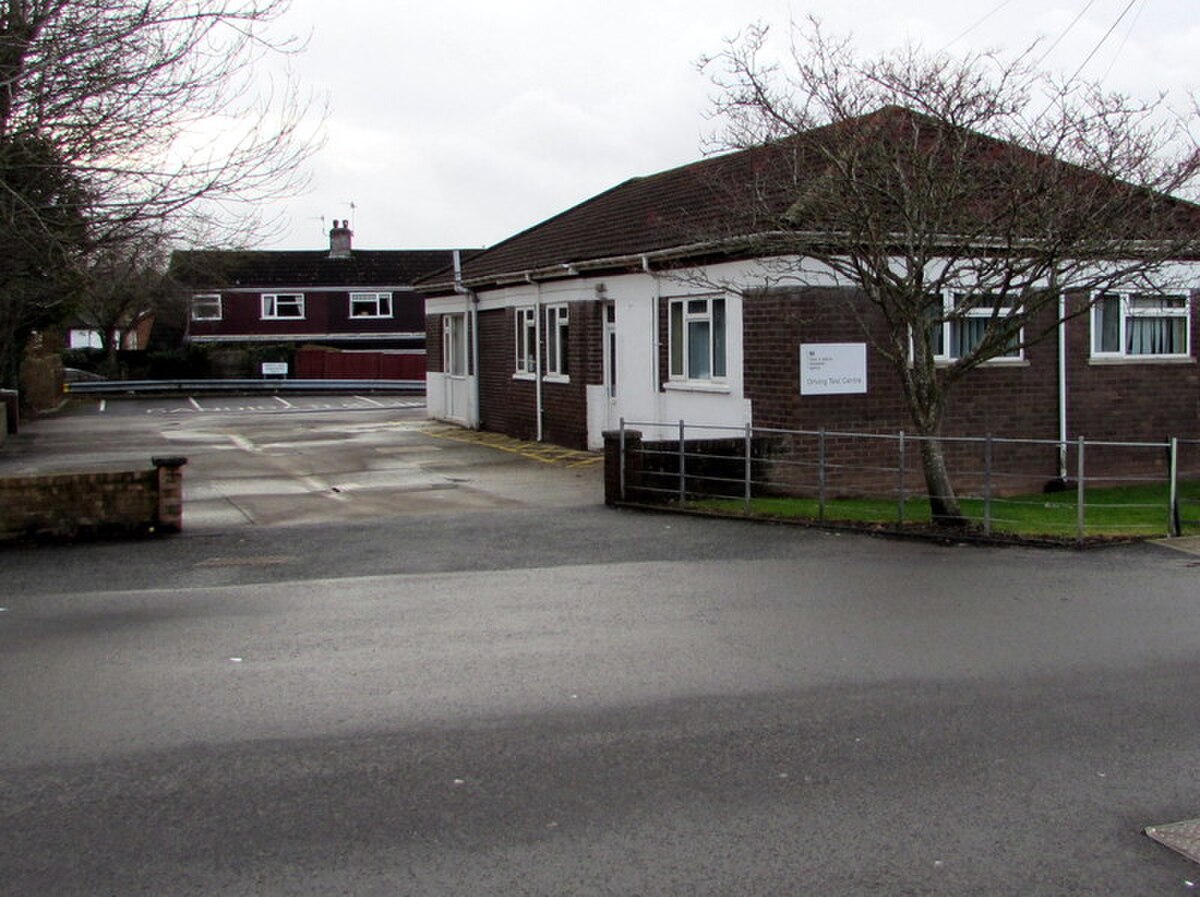
Why do rural driving test centres have higher pass rates?
Quieter centres consistently top the rankings. Among centres with full latest-year samples, rural market towns lead: Dorchester (66.7%), Kendal (64.8%), Chichester (64.2%) and Bangor (64.1%) in Wales. Scottish island centres rank even higher on smaller pools: Lerwick at 67.4% over three years, Mallaig at 70.3% lifetime, and Pwllheli in north-west Wales at 60.6%. Stornoway in the Outer Hebrides sits at 57.7% on a three-year sample of just over 1,000 tests. The pattern holds across the table: small towns and islands in Scotland, Wales and rural England fill the upper ranks, while dense conurbations fill the lower ones.
| Rural / island centre | Inner-city centre | |
|---|---|---|
| Typical pass rate | 60-72% | 33-45% |
| Annual test volume | ~100-500 | 5,000-15,000 |
| Multi-lane roundabouts on route | Rare | Frequent |
| Parked-car positioning | Open roads | Tight residential streets |
| Real-world driving prep value | Lower | Higher |
| Booking wait time | Often 2-6 weeks | 14-22 weeks |
- Test routes have fewer multi-lane junctions
- Lower traffic volumes mean fewer "respond to other road users" moments
- No motorway-style dual carriageway sections
- Narrower roads but at lower speeds, easier to handle
- Smaller learner pool, sometimes fewer than 100 tests per year
Why are urban driving test centres tougher to pass at?
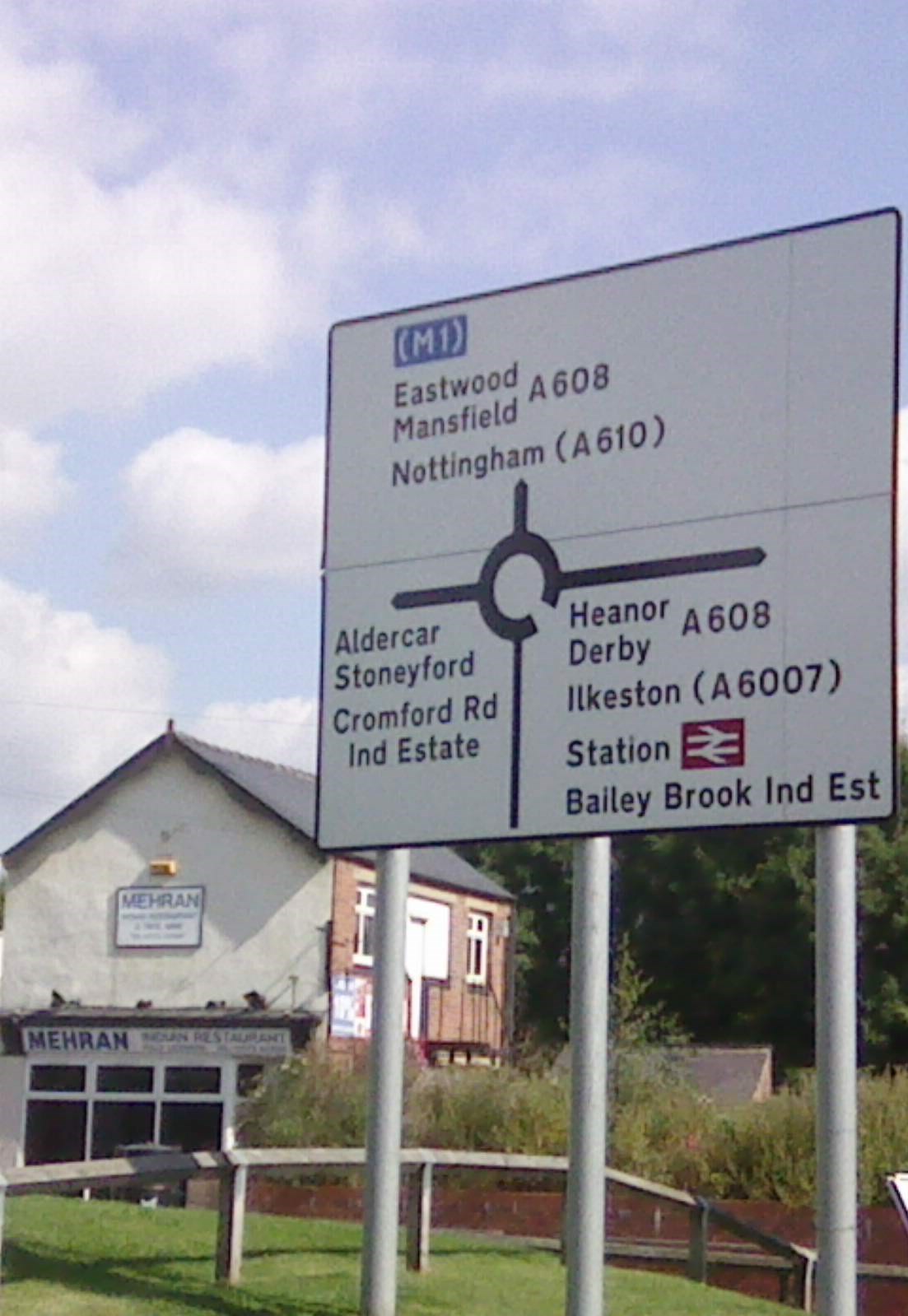
Inner-city centres in London, Birmingham, Manchester and other major cities sit at the bottom of the rankings. Their routes feature:
- Multi-lane roundabouts with merging traffic
- Heavy congestion requiring constant lane discipline
- Bus lanes, cycle lanes, and complex priority rules
- Narrow residential streets crowded with parked cars
- Frequent unmarked junctions
What sample size makes a UK test centre pass rate reliable?
Some "easy" centres only test 100-300 candidates a year. With small samples, year-to-year variance can be large. We exclude centres with under 1,000 tests in the current period from our headline rankings to avoid this distortion. Always check the test volume before assuming a high pass rate is reliable.
Should you travel for an easier centre?
For some learners, yes, the pass-rate boost outweighs the travel cost. But three caveats:
- You won’t learn the driving environment you’ll actually use after passing
- You can’t practise the test routes if they’re far from where you live
- The "easy centre" is only easier on the day; the standard for passing is identical to anywhere else
How big is the gap between the easiest and hardest centres?
The arithmetic is stark. The pass rate at Dorchester (66.7%) is roughly double the rate at Wolverhampton (33.4%). That 33-point rankable gap is the single largest structural lever in the whole process: it dwarfs the instructor-reported time-of-day effect, the roughly 2-point gender gap, and most of what an extra lesson or two adds. The table below sets out the two ends with their real current samples so you can see that the high-passing centres are not a statistical fluke of tiny pools, the mainland leaders run thousands of tests a year.
| Easiest end | Hardest end | |
|---|---|---|
| Top centre | Dorchester, 66.7% | Wolverhampton, 33.4% |
| Latest-year tests there | 4,561 | 11,719 |
| Second / third | Kendal 64.8%, Chichester 64.2% | Featherstone 34.1%, Wednesbury 36.4% |
| Setting | Rural market towns, coast | Dense West Midlands conurbation |
| Pass-odds vs the other end | ~2x more likely to pass | ~half as likely |
Do the easiest centres just have small samples?
Partly, at the very top. The single highest rates belong to island centres with small pools: Lerwick (67.4% on 1,210 tests over three years), Mallaig (70.3% lifetime on a few hundred tests), and Isle of Tiree (which shows an 80% rate on only a handful of tests, far too few to rank). To keep the headline honest we exclude any centre under 1,000 tests in its current period from the rankable set. After that filter, 263 centres qualify, and the leaders are full-sample mainland towns: Dorchester, Kendal, Chichester, Bangor. So the answer is nuanced: the absolute top of the raw table is thin-sample island territory, but the reliable easiest centres are ordinary, well-sampled towns you can actually reach.
What is the honest verdict on choosing an easier driving test centre?
“The kindest mainland centres pass roughly twice the share of candidates that the toughest West Midlands or London centres do, and the gap is almost entirely about route geography, not examiner judgement.”
Use centre data to break ties: if two centres are equally accessible to you and your instructor knows the routes at both, prefer the one with the higher pass rate. Do not use centre data to skip the work, the marking standard is identical UK-wide, and a pass at a 33% centre and a pass at a 67% centre give you the same full licence.
Sources and further reading
The figures, fees, and procedures referenced in this article are verifiable on the official gov.uk pages below. PassRates.uk is built on the Driver and Vehicle Standards Agency’s open data, published under the Open Government Licence.
What is the pass rate at your test centre?
Search by centre name, town or postcode to see the latest DVSA figure.
Frequently asked questions
Which is the easiest UK driving test centre in 2026?
On full latest-year samples, Dorchester is the easiest at 66.7%, followed by Kendal (64.8%), Chichester (64.2%) and Bangor (64.1%). Lerwick on Shetland shows a higher 67.4% but on a smaller three-year sample, so it tops the raw table without quite being a like-for-like comparison.
Which is the hardest UK driving test centre?
Wolverhampton, at 33.4% in 2024-25 across 11,719 tests, is the hardest centre with a reliable sample. Featherstone (34.1%), Wednesbury (36.4%), Chingford in London (36.5%) and Belvedere in London (38.3%) complete the bottom five. The West Midlands holds three of the five toughest centres in the country.
How big is the gap between the easiest and hardest centres?
About 33 percentage points among centres with reliable samples, from 33.4% at Wolverhampton to 66.7% at Dorchester. That makes centre choice the single biggest structural factor in centre-level pass rates, larger than time of day or any demographic effect.
Why are Scottish island centres so high?
Their routes have no multi-lane roundabouts, light traffic, and no dense urban sections to navigate, so prepared candidates rarely meet the situations that cause faults. The trade-off is small test volumes, which make year-to-year figures swing, and the fact that you cannot usefully practise island routes if you live elsewhere.
Every candidate behind these numbers passed a theory test first. Nationally 44.8% of attempts clear it.
Sign shapes and colours, road markings and what each one tells you to do. All 14 DVSA topics are free to practise, with no sign up. See the theory pass rate by centre or the full practice hub.
Related guides
Written by Vikas and the PassRates.uk team. Vikas is the software engineer and driving enthusiast who started the site. The figures come straight from the DVSA open dataset; see the methodology.
Source DVSA, Open Government Licence v3.0
Continue reading
How to read DVSA pass rate data without being misled: sample sizes, multi-year trends, gender splits, first-time figures, and what 1,000 tests means.
A complete guide to passing your UK driving test on the first attempt: preparation, common faults, route familiarisation, mock tests, and using pass-rate data wisely.