Declaring Medical Conditions to DVLA: £1,000 Fine Risk
UK driving licences carry a legal duty to tell DVLA about any medical condition that could affect safety. DVLA approves most declarations; failing to disclose risks a £1,000 fine, prosecution and invalid insurance.
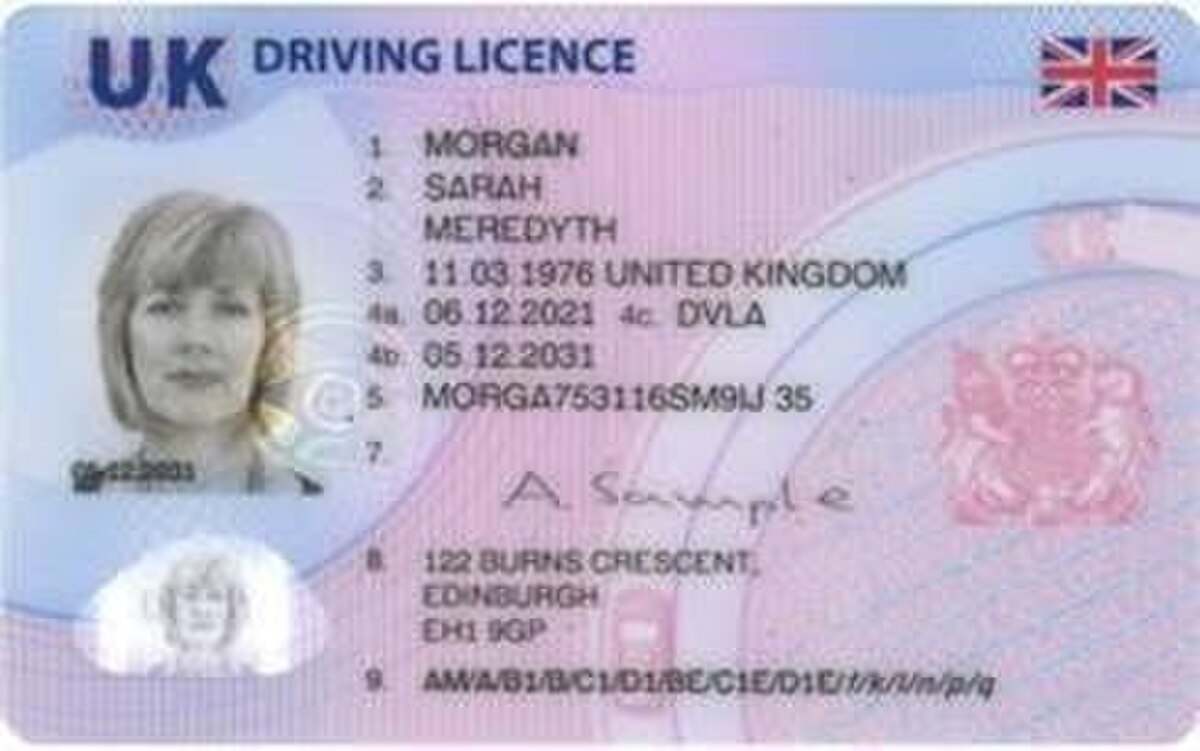
Who DVLA is and why this matters
DVLA, the Driver and Vehicle Licensing Agency, sits in Swansea and runs all UK licence records. The Road Traffic Act 1988 places a legal duty on every driver to tell DVLA about any condition that could affect safe driving. The list of notifiable conditions runs to several hundred items, but a smaller core covers most cases.
The conditions you must declare
Some conditions are well known. Others surprise drivers because they sound minor or were diagnosed years ago. The full list is at gov.uk/health-conditions-and-driving. The most common notifiable conditions include the following.
- Epilepsy and any seizure event, including a single seizure with no diagnosis.
- Diabetes treated with insulin, and some forms treated with tablets that risk hypos.
- Severe vision changes, including loss of acuity below the legal standard or visual field loss.
- Heart conditions, including arrhythmias, recent heart attack or stent, and heart failure.
- Sleep apnoea where excessive daytime sleepiness has been confirmed.
- Strokes and transient ischaemic attacks (mini-strokes).
- Parkinsons, multiple sclerosis and motor neurone disease.
- Severe mental health episodes, particularly psychosis or severe depression with suicidal ideation.
- Dementia and significant cognitive decline.
- Drug or alcohol dependency, current or recent.
How to declare a condition
Most declarations are made online at gov.uk/health-conditions-and-driving. The site lists each condition by name with its own short form. Some conditions still need a paper form (for example M1 for medical, B1 for bus and lorry drivers). Forms are free and DVLA pays the cost of any medical review they ask for.
Once you submit, DVLA may write to your GP, your specialist, or arrange an independent medical exam. You can usually keep driving while the assessment is in progress, but check the letter you get back, because some conditions require you to stop driving immediately.
What happens after you declare
There are four typical outcomes after a medical declaration.
- Full licence retained. DVLA accepts the condition and your licence continues unchanged.
- Short term licence. You are given a one, two, three or five year licence subject to medical review.
- Restricted licence. You can drive with conditions such as automatic only, glasses required, or daytime only.
- Licence revoked. You are told to stop driving immediately. You can usually reapply once the condition is stable.
When you must stop driving immediately
Some events require you to stop driving the same day, even before declaring. The most common are after a single seizure or suspected seizure, after a stroke or TIA, after a sudden loss of vision, after fitting a cardiac defibrillator, and after losing consciousness without explanation. Check your discharge letter or speak to your GP. They can confirm the legal stand down period for your condition.
Penalties for failing to declare
Driving without declaring a notifiable condition is a criminal offence. The fine is up to £1,000. If you have an accident as a result of the condition, the consequences can be far more serious. You can be prosecuted for dangerous driving, for causing serious injury, or for causing death by dangerous driving. Sentences run from a fine up to long custodial sentences.
Insurance is also affected. If you fail to declare and your insurer finds out after a claim, the policy can be voided, the claim refused, and you can be left to pay for damages personally.
Glasses, contact lenses and the eyesight standard
You must be able to read a number plate at 20 metres in good light, with glasses or contacts if needed. If you fail this test you cannot drive. The eyesight check happens at the start of every practical test, and any roadside check by police can include it. Get an eye test every two years, or sooner if you notice changes.
Older drivers and the 70 plus renewal
Once you reach 70, you must renew your licence every three years. The form asks about medical conditions and you must declare anything new. Renewal is free and done online. Many GPs will also volunteer a quick fitness review at this age, which is worth taking up.
How this fits with insurance
Insurance companies normally ask whether DVLA has restricted, revoked or short-termed your licence. They do not always ask about every condition individually. If DVLA has approved you to drive, most insurers will quote, although a few specialist firms only handle certain conditions. Always disclose anything you have told DVLA when you apply, even if the insurer does not ask directly. For wider context on insurance, see young driver insurance UK and the insurance groups explained page. The full guides library has more on UK driver paperwork.
Sources and further reading
The figures, fees, and procedures referenced in this article are verifiable on the official gov.uk pages below. PassRates.uk is built on the Driver and Vehicle Standards Agency’s open data, published under the Open Government Licence.
What is the pass rate at your test centre?
Search by centre name, town or postcode to see the latest DVSA figure.
Frequently asked questions
How long does a DVLA medical review take?
Simple cases are decided in two to four weeks. Cases that need GP letters or independent assessments can take three to four months. DVLA will keep you informed by post.
Can I keep driving while DVLA assesses me?
Often yes, unless DVLA writes to tell you to stop. Always read the letter carefully, and follow any specific instructions from your medical team.
Do I have to tell my insurer too?
You must tell your insurer about any DVLA decision that changes your licence (revocation, short term, restrictions). It is also good practice to disclose the condition itself.
What if I disagree with DVLAs decision?
You can appeal to a magistrates court within six months in England and Wales, or a sheriff court in Scotland. DVLA must justify its decision based on medical evidence.
Are mental health conditions notifiable?
Severe episodes are, including psychosis and severe depression with risk to safety. Mild and managed depression or anxiety usually does not need to be declared. The full list at gov.uk is the safe place to check.
What if I just had laser eye surgery?
You do not need to declare laser eye surgery itself. You only declare if your post surgery vision still falls below the eyesight standard.
Every candidate behind these numbers passed a theory test first. Nationally 44.8% of attempts clear it.
Lane discipline, speed limits, the hard shoulder and smart-motorway signals. All 14 DVSA topics are free to practise, with no sign up. See the theory pass rate by centre or the full practice hub.
Related guides
Written by Vikas Dulgunde, the software engineer and driving enthusiast behind PassRates.uk. The figures come straight from the DVSA open dataset; see the methodology.
Source DVSA, Open Government Licence v3.0
Continue reading
UK penalty points explained: 12-point totting up over 3 years, the 6-point new driver rule, what happens at a court ban hearing, and exceptional hardship pleas.
UK V5C logbook explained: what each section means, how to update on sale or address change, and the 5 signs that tell you the V5C is fake.