How to Find UK Driving Test Routes for Your Centre
DVSA stopped publishing official test routes in October 2010. Each centre still works from the local road network, and instructor knowledge, GPS apps and community guides give you a strong picture of what to expect.
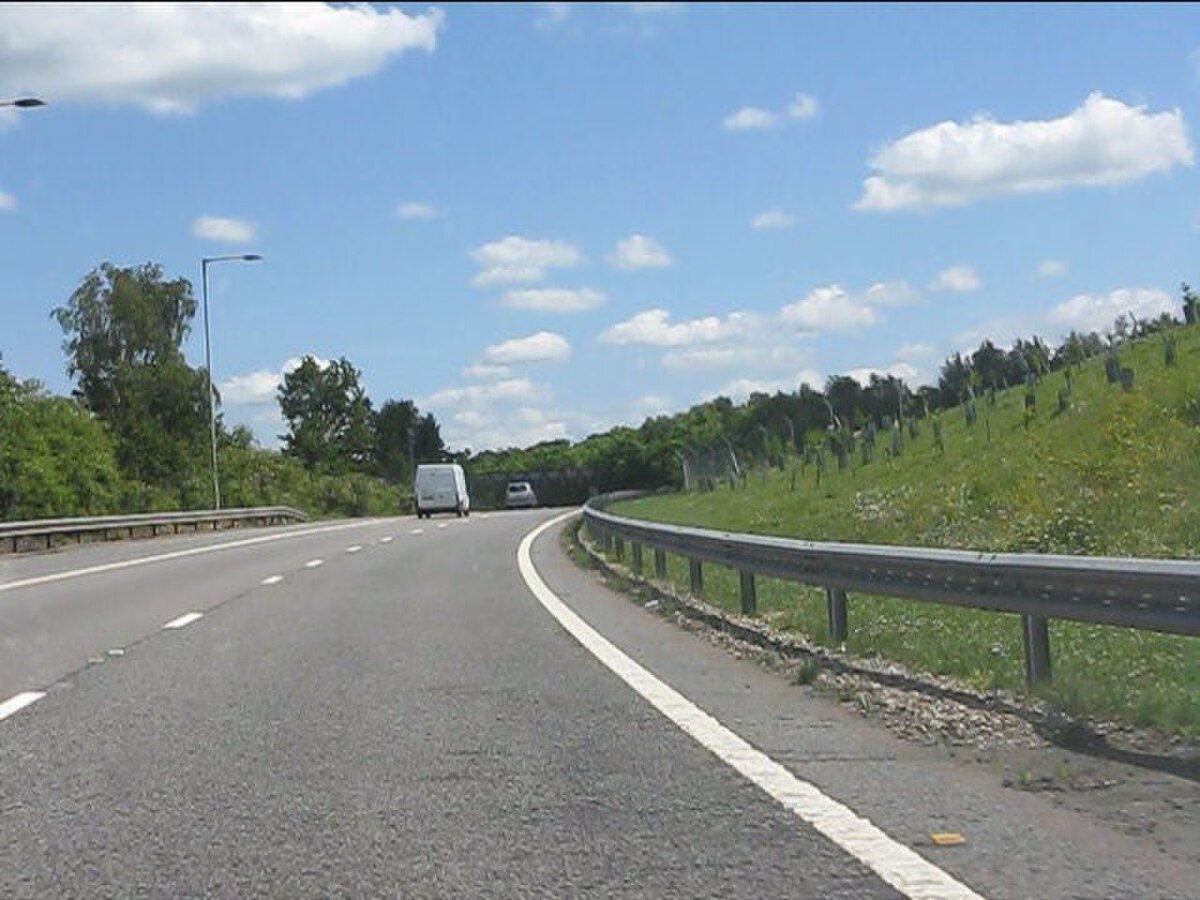
Each centre tests on the road network around it, so a test covers a representative mix: residential streets, dual carriageway, complex junctions, roundabouts, narrow streets, and one of the four manoeuvres. The DVSA stopped publishing official test routes in 2010, so no fixed route list exists; what your instructor knows is the local roads, not a secret route. The road types around a centre do not change much from year to year.
Why route familiarity matters
A route you have driven five times is one where you know the speed limit changes, the deceptive junction layouts, the lane discipline traps, and the spots that examiners watch most carefully. You can then focus your attention on the actual driving rather than reading every sign cold. Learners who have driven their test centre routes in the weeks before the test pass at noticeably higher rates than learners testing routes for the first time on the day.
This is not about gaming the test. The examiner is assessing your driving, not your geography. But familiar geography frees up attention for safe driving, and that is the point. See the understanding pass rate statistics guide for more on what drives outcomes.
Why the DVSA stopped publishing routes
Until 2010 you could download a PDF of the routes for any UK test centre. The DVSA discontinued this because learners were drilling routes without developing general skills, then struggling on unfamiliar roads after passing. The DVSA position is that you should be ready to drive any UK road, not just one route. That is fair in principle. In practice, instructors and learners still want route familiarity, and the information is widely available.
Where to find your test centre routes
- Your driving instructor. Local ADIs know the routes for centres they teach to. This is the single best source. If your instructor cannot describe the routes for your centre, get a different instructor or a local top-up.
- YouTube. Search "[your centre name] driving test route". Many learners and small driving schools record dashcam runs of common routes. Some instructors maintain entire YouTube channels for one or two centres.
- GoRoadie, RoutiePass, and similar route-sharing apps. These crowdsource routes from learners who have just tested. Coverage is patchy but useful for major centres.
- Reddit r/LearnerDriverUK. Community threads regularly share route descriptions for popular centres.
- Facebook groups for your local area. Learner driver groups often have pinned posts with route maps.
- Old archived DVSA route PDFs from before 2010. These are easy to find with a search and are still surprisingly accurate for centres that have not had major road changes.
How to actually practise the routes
Driving the routes once is barely worth doing. Driving them three times each, at different times of day, is where it pays off.
- Identify three to five most-cited routes for your centre.
- Drive each one with your instructor or a private practice driver during the time of day you are tested. Routes feel different at 8am rush versus 11am quiet versus 3pm school run.
- Note tricky points: a junction with poor sightlines, a roundabout exit that is easy to misread, a residential street where parked cars force a tighter line.
- On the second pass, practise the manoeuvres at the typical spots. Examiners often use the same handful of streets for parallel parks and bay parks.
- On the third pass, drive solo (with a qualified passenger) and follow sat-nav directions for the independent driving section. This trains you to listen and drive at the same time.
What routes typically include
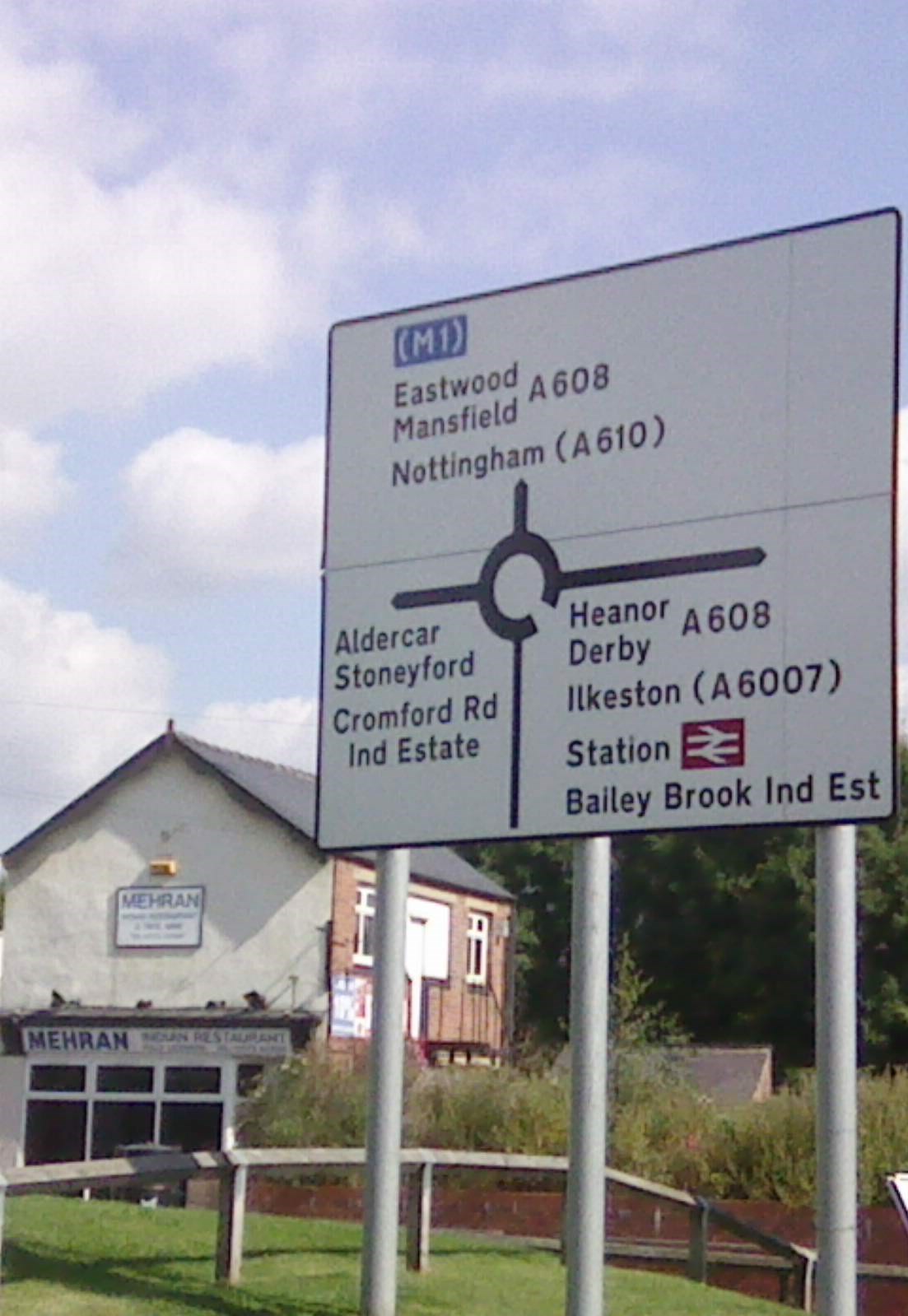
Whatever centre you test at, the route is built from a fixed menu. You will encounter most or all of:
- A residential area with parked cars on both sides, narrow lanes, and possibly a school zone.
- At least one dual carriageway or 50 to 60 mph road, used for changing lanes and meeting motorway-style traffic.
- A multi-lane roundabout with at least three exits, plus often a smaller mini-roundabout.
- Traffic light controlled junctions, including one with filter lanes.
- A complex junction such as a crossroads with limited visibility or a Y-junction.
- One of the four test manoeuvres: parallel park, bay park forward or reverse, or pull up on the right and reverse two car lengths.
- 20 minutes of independent driving, usually following sat-nav directions, sometimes signs.
- Possibly an emergency stop, included in around 1 in 7 tests since November 2025.
Centre-specific notes
Some centres are notorious for specific challenges. London centres like Wood Green and Belvedere have very tight residential routes with constant parked cars. Manchester routes around Failsworth and Cheetham Hill include heavy traffic and unforgiving junctions. Bristol routes use steep hills extensively. See our city pages for your area, including dedicated guides for London, Manchester, and Birmingham.
Mock tests on real routes
A mock test on an actual centre route, with your instructor playing the examiner, is one of the highest-value preparation activities you can do. Two hours of mock testing in the weeks before the real test consistently correlates with better outcomes. Our mock test prep guide covers how to structure these.
When the route changes on the day
Roadworks, accidents, or weather can force the examiner to deviate. They are trained to do this without it counting against you. If they say "we are going to take a different route today, you will not have driven this", do not panic. Drive what is in front of you, follow signs and instructions, and trust the basics.
How route knowledge fits into wider preparation
Route practice is one input among many. The others are general lesson hours, private practice, theory recall, mock tests, and a clear understanding of what counts as a serious fault. Our pass the UK driving test guide has the full preparation framework. Route familiarity helps, but hours, calmness, and basic skill matter more.
A note on why some learners travel for an easier centre
Some learners drive 30 to 60 minutes to an easier test centre because the routes are quieter and the pass rate is higher. Our easiest centres ranking shows where these are. The trade-off is that you have to learn the routes for that centre fresh, often without local instructor knowledge. If you are already a strong driver, an easier centre is often worth it. If you are weak, you may just struggle in unfamiliar territory.
Sources and further reading
The figures, fees, and procedures referenced in this article are verifiable on the official gov.uk pages below. PassRates.uk is built on the Driver and Vehicle Standards Agency’s open data, published under the Open Government Licence.
What is the pass rate at your test centre?
Search by centre name, town or postcode to see the latest DVSA figure.
Frequently asked questions
Is it cheating to learn the test routes?
No. The DVSA discourages it because they want you to drive any road safely, but practising local routes is legal, ethical, and what every good instructor does with their learners.
How many routes does my test centre use?
There is no published route list and no fixed count. The DVSA stopped publishing routes in 2010, and the examiner decides on the day using the local roads around the centre. What you can prepare for is the road types and junctions in the area, not a set number of fixed routes.
Can I find official DVSA route maps?
Not since 2010. The DVSA no longer publishes them. Old PDFs from before 2010 can still be found online and remain mostly accurate where roads have not changed.
Do examiners deliberately pick the hardest route?
No. The examiner decides the route on the day from the local roads around the centre, not by picking on you. Examiners do not know in advance whether you are nervous.
Will the examiner take a route I have not driven?
Possibly, especially at larger centres. This is why route practice should build comfort with the area, not memorisation of one specific loop.
How long should I spend learning routes before my test?
Around two to four hours of route practice in the two weeks before the test is the sweet spot. More than that and you stop improving general skills.
Should I practise routes alone if I have a provisional?
You can only drive on a provisional with a qualified accompanying driver, so always with an instructor or a parent or friend who meets the supervisor requirements. Driving alone on a provisional is illegal and uninsured.
Every candidate behind these numbers passed a theory test first. Nationally 44.8% of attempts clear it.
Sign shapes and colours, road markings and what each one tells you to do. All 14 DVSA topics are free to practise, with no sign up. See the theory pass rate by centre or the full practice hub.
Related guides
Written by Vikas and the PassRates.uk team. Vikas is the software engineer and driving enthusiast who started the site. The figures come straight from the DVSA open dataset; see the methodology.
Source DVSA, Open Government Licence v3.0
Continue reading
Reverse bay parking on the UK driving test in 5 steps: reference points, observation pattern, common faults and drills from a UK instructor.
Find a UK driving instructor in 2026: ADI vs PDI, gov.uk checks, fair pricing (£35-£50/hr), red flags and how to switch if it is not working.