UK Pass Rates by Time of Day 2026: 4-Point Morning Gap
There is a persistent rumour that 11am beats 8am or 4pm for UK pass rates. Instructor-reported patterns suggest a real but small effect, around 4 points between best and worst time blocks, and the reason is not what most learners assume.
What pattern does the time-of-day data show?
- Early morning (8:00 to 9:30)
- ~46%rush-hour traffic, candidate grogginess
- Late morning (10:00 to 11:30)
- ~50%the statistical sweet spot
- Early afternoon (12:00 to 14:30)
- ~48%national average territory
- Late afternoon (15:00 to 16:30)
- ~46%school-run traffic, fading light
- Evening (after 16:30, £75 slot)
- ~47%fading daylight in winter
- Total spread
- ~4 ptsbest vs worst time block
ADI-reported patterns suggest a small but consistent variation in pass rates across the day:
- Early morning (8:00 to 9:30): around 46% pass rate
- Late morning (10:00 to 11:30): around 50% pass rate
- Early afternoon (12:00 to 14:30): around 48% pass rate
- Late afternoon (15:00 to 16:30): around 46% pass rate
- Evening slots (after 16:30, weekday £75): around 47% pass rate
The total spread between best and worst time blocks is around 4 percentage points. DVSA does not publish pass rates broken out by hour of day, so the figures above are illustrative, drawn from instructor reports rather than from an official DVSA release.
Why is late morning the sweet spot for driving test pass rates?
Several things converge between 10am and 11:30am:
- Rush-hour traffic has eased, reducing the chance of stressful junction moments
- Daylight is reliably full, no glare or visibility issues
- School-run traffic has cleared from residential routes
- Candidates have time to wake up properly without losing the day
Why is an early morning driving test harder to pass?
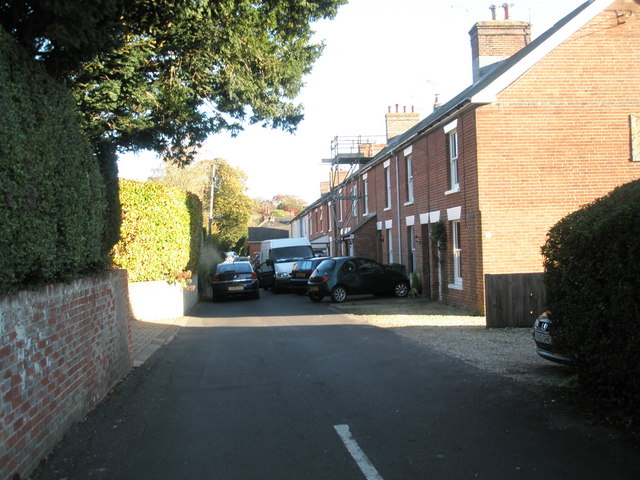
Tests starting before 9am hit two problems: rush-hour congestion on routes, and candidate grogginess. Pass rates dip slightly even though traffic congestion can sometimes work in your favour by slowing the pace of the test.
Why is a late afternoon driving test harder to pass?
After 3pm, you face the school run, returning commuter traffic, and (in winter) fading daylight, which together can make the drive itself busier and harder to read.
Does time of day matter more than test centre choice?
A 4-point time-of-day swing is meaningful but small compared with the 30-point gap between best and worst centres (Lerwick around 67% versus the toughest centres around 33%, such as Wolverhampton). Choose your centre first, then optimise time of day within whatever slots are available. Do not sacrifice a good centre for a "better" hour at a worse one.
How should you use time-of-day data when booking a UK driving test?
- When booking, if multiple slots are available, prefer 10am to 11:30am where possible
- Avoid booking immediately after a heavy lunch or early in the morning if you struggle to wake up
- Match the time of your lessons to the time of your test for the final two weeks
- Do not pay extra for an evening or weekend slot if a weekday morning is available, the pass rate is no higher
When does time of day matter most for driving test pass rates?
The effect is largest at busy urban centres, where rush-hour traffic genuinely complicates the drive. At rural centres, the time of day barely shifts the pass rate. If you are testing in central Birmingham or inner London, hour selection is worth the effort. If you are testing in Lerwick, it is noise.
Sources and further reading
The figures, fees, and procedures referenced in this article are verifiable on the official gov.uk pages below. PassRates.uk is built on the Driver and Vehicle Standards Agency’s open data, published under the Open Government Licence.
What is the pass rate at your test centre?
Search by centre name, town or postcode to see the latest DVSA figure.
Frequently asked questions
What time of day has the highest UK driving test pass rate?
Late morning slots (around 10am to 11:30am) consistently show the highest pass rates, around 50%, slightly above the daily average of 48%.
Should I book my test for the morning?
If multiple slots are available, late morning is the statistically best choice. The effect is small (around 4 points) and matters most at busy urban centres.
Are evening tests harder than weekday tests?
Evening pass rates are similar to weekday afternoons, slightly below the late-morning peak. The £75 weekend or evening fee buys availability, not a higher pass rate.
Every candidate behind these numbers passed a theory test first. Nationally 44.8% of attempts clear it.
Observation, anticipation, concentration and avoiding distractions at the wheel. All 14 DVSA topics are free to practise, with no sign up. See the theory pass rate by centre or the full practice hub.
Related guides
Written by Vikas and the PassRates.uk team. Vikas is the software engineer and driving enthusiast who started the site. The figures come straight from the DVSA open dataset; see the methodology.
Source DVSA, Open Government Licence v3.0
Continue reading
A practical guide to passing your driving test in London: which centres are kindest, how to handle the routes, and what every learner should know before the day.
Gender pass-rate gap explored by region, age band, and per-centre. Where the 1.9-point gap widens, where it disappears entirely. 1.9M DVSA tests, interactive chart.