MOT Explained UK 2026: £54.85 Cap, 45 to 60 Minute Test
The UK MOT is an annual safety and emissions check for cars older than 3 years. The maximum legal fee is £54.85 and the test takes 45 to 60 minutes at any of 23,000 DVSA-approved centres.
When you need an MOT
A car needs its first MOT three years after the date of first registration. From then on, it needs one every 12 months. The same rule applies to vans, motorhomes and motorcycles. Some specific vehicle types have different intervals, but for ordinary cars the three years then annual rule covers most owners.
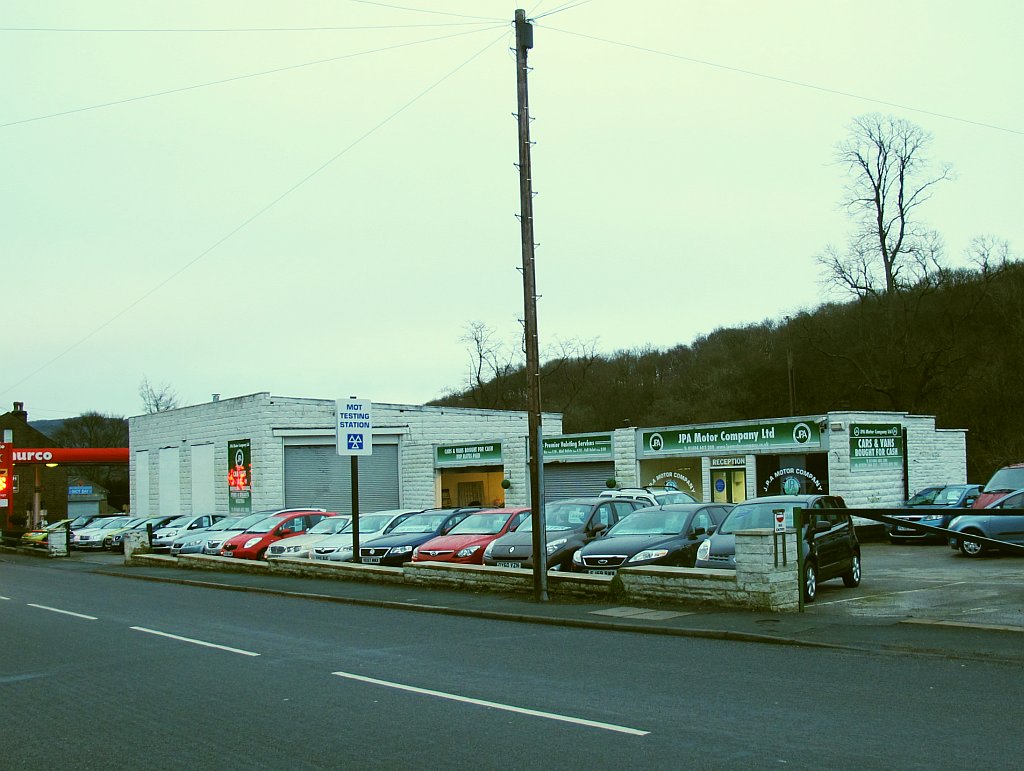
You can have the test done up to one calendar month before the expiry date and keep the original anniversary date. So if your MOT expires on 15 May, getting it tested any time from 16 April onwards keeps the next renewal on 15 May the year after.
Where the £54.85 fee comes from
DVSA sets a maximum fee for the MOT test, currently £54.85 for cars and £29.65 for motorcycles. Test centres are free to charge less, and many do as a way to win business and sell follow-up work. A £30 to £40 MOT is normal in most towns. You should never pay more than £54.85 for the test alone. Repairs are separate and not capped.
- Car max fee
- £54.85DVSA-set ceiling
- Motorcycle max fee
- £29.65DVSA-set ceiling
- Approved centres
- ~23,000Across the UK
- Test duration
- 45-60 minAround 30 items checked
- First-MOT fails per year
- ~1.5mMostly lights/tyres/suspension
- Driving without MOT fine
- £1,000Insurance claim may be voided
What the MOT actually checks
The MOT is a snapshot of safety on the day, not a full mechanical inspection. Around 30 items are checked across the car. Major categories include the following.
- Brakes: brake pedal feel, foot brake performance, handbrake hold, brake balance left to right.
- Tyres: tread depth (1.6 mm minimum across the central three quarters), pressure, sidewall damage, matching size.
- Lights: headlights, sidelights, indicators, brake lights, fog lights, registration plate light, alignment.
- Suspension: shock absorbers, springs, ball joints, anti-roll bars and bushes for play or wear.
- Steering: free play in the wheel, condition of steering rack, power steering operation.
- Body and structure: rust on structural components, sharp edges, secure bumpers, doors that open and close.
- Mirrors and washers: mirrors present and clear, screen wash topped up, wipers clearing the screen properly.
- Seatbelts: condition of fabric, buckles latching, retractor mechanism returning belts.
- Emissions: exhaust gas test, smoke test on diesels, OBD readiness on newer cars.
The test does not check engine internals, gearbox, clutch wear, air conditioning, in-car entertainment or anything that is not safety related. A car can pass the MOT and still be unreliable.
Pass, advisory and fail
Each item is rated dangerous, major, minor or pass with advisory. A dangerous fault means you legally cannot drive the car away. A major fault is a fail and must be fixed before the car can be driven on public roads, except to or from a pre-booked repair appointment with a current MOT in place. A minor fault is also a fail in most cases. Advisories are warnings about items that are wearing but not yet at the failure point.
How to read your MOT history
Every MOT result is logged on the DVSA database and visible at gov.uk/check-mot-status. Enter the registration and you see every test from the last few years, including pass dates, mileage at the time, and any advisories or failures. This is the single most useful free tool when buying a used car.
Look for advisories that have repeated for several years (a sign the seller has been ignoring small problems), big jumps in mileage between tests, and any failure for emissions or structural rust.
Common MOT fails and how to avoid them
Around 1.5 million cars fail their first MOT each year. Most fails are simple and cheap to fix, but only if you check before the test. The big four failure categories are lights, suspension, brakes and tyres.
- Replace any blown bulbs the day before the test.
- Top up the screenwash and check the wipers leave no smears.
- Use a 20p coin to check tread depth across each tyre.
- Listen for clunks over speed bumps and get worn drop links replaced cheaply.
- Check that all warning lights on the dashboard turn off when you start the engine.
After a fail
If your car fails, you have a few options. You can have the test centre fix it and retest, often at a reduced retest fee. You can take the car away to a different garage to fix and bring it back within 10 working days for a free partial retest. Or you can drive it directly to another pre-booked MOT or repair appointment, but only if it does not have a dangerous fault.
How an MOT links to insurance
Your insurer assumes you are driving a roadworthy car. A lapsed MOT or driving on dangerous defects can void your insurance after a claim. Always check the MOT status the day you buy a car and keep it current. For wider context on running costs in your first year, see our first month after passing guide and the wider guides library, which links MOT, car tax and V5C logbook into one picture.
Sources and further reading
The figures, fees, and procedures referenced in this article are verifiable on the official gov.uk pages below. PassRates.uk is built on the Driver and Vehicle Standards Agency’s open data, published under the Open Government Licence.
What is the pass rate at your test centre?
Search by centre name, town or postcode to see the latest DVSA figure.
Frequently asked questions
How do I find out when my MOT expires?
Enter the reg at gov.uk/check-mot-status. The expiry date is shown clearly. Sign up for free DVSA reminders if you keep forgetting.
Can I drive a car with no MOT?
Only directly to or from a pre-booked MOT test or repair appointment. Otherwise no: you risk a fine of up to £1,000, and many insurers can treat the lapse as a breach that voids a claim.
Do electric cars need an MOT?
Yes, the same way as petrol and diesel. Emissions are skipped for pure EVs but every other check still applies.
Is a £30 MOT worse than a £54.85 one?
No, the test is identical. Cheap MOTs are usually loss leaders to win servicing work. Just choose a centre with good reviews.
How long does an MOT take?
Most tests take 45 to 60 minutes. Larger 4x4s and motorhomes can take longer. Many centres offer a free coffee and waiting room while you wait.
Can I appeal an MOT fail?
Yes. If you think the test was unfair, you can lodge a complaint with DVSA within 14 days. Pay for a re-inspection at a different DVSA-approved centre and the fee is refunded if the appeal succeeds.
Every candidate behind these numbers passed a theory test first. Nationally 44.8% of attempts clear it.
Sign shapes and colours, road markings and what each one tells you to do. All 14 DVSA topics are free to practise, with no sign up. See the theory pass rate by centre or the full practice hub.
Related guides
Written by Vikas Dulgunde, the software engineer and driving enthusiast behind PassRates.uk. The figures come straight from the DVSA open dataset; see the methodology.
Source DVSA, Open Government Licence v3.0
Continue reading
UK V5C logbook explained: what each section means, how to update on sale or address change, and the 5 signs that tell you the V5C is fake.
UK Vehicle Excise Duty 2026: pre and post-April 2017 rates, CO2 bands, electric vehicle and £40k luxury surcharge, plus how to tax or SORN a vehicle.