Driving in the UK as a Visitor 2026: 12-Month Rule
Visitors can usually drive on their home licence for up to 12 months in the UK, but rules vary by country. Most do not need an IDP for English-language licences; some non-EU drivers do, and it matters at the hire desk.
What counts as a non-UK resident
For driving licence purposes the UK uses the test of "ordinary residence". A non-UK resident is someone whose settled home is outside the UK, who is here for a short stay (tourism, business trip, study, family visit) and intends to return home. The rules in this guide apply to that group. Anyone planning to stay long term, settle, work or study for an extended period typically becomes UK resident at the point of arrival, in which case the foreign licence conversion guide is the relevant resource instead.
Visitors from EU and EEA countries
Holders of full driving licences from any EU member state, Iceland, Liechtenstein or Norway can drive in the UK on that licence for the entire duration of any short stay, with no time limit and no IDP required. The licence must be currently valid in the issuing country and you must meet the UK minimum age requirements (17 for car, 16 for moped). Vocational categories (HGV, PCV) carry across in the same way for short business visits, though continuous commercial driving is subject to additional rules under the EU-UK Trade and Cooperation Agreement.
Visitors from designated non-EU countries
Holders of licences from designated non-EU countries (including Australia, Canada, New Zealand, South Africa, Singapore, Japan, the United Arab Emirates, Switzerland and many others) can drive in the UK on that licence for up to 12 months from arrival, with no IDP required. If your licence is in a non-Latin script (Japanese, Korean, Chinese, Arabic) you should carry a certified English translation alongside it for police roadside checks and car hire purposes, even though it is not strictly required for the licence to be valid.
A full list of designated countries is published by DVLA and updates periodically. The list determines both visitor rights and the residency-exchange rules covered in the foreign licence conversion guide.
Visitors from other countries
For visitors from countries not on the EU/EEA or designated list (including the United States, India, China, Russia, most African and South American countries, and most Middle Eastern countries other than the UAE), the rules are slightly more involved. You can drive in the UK on your home licence for up to 12 months as a visitor, but in practice many car hire companies require an International Driving Permit alongside the home licence, particularly if the home licence is not in English. The International Driving Permit guide covers when one is needed in detail.
Police can require a translation or IDP at roadside if the licence is not in a Latin alphabet, even though the underlying right to drive is from the home country licence rather than the IDP.
Hiring a car as a non-UK resident
Most UK car hire companies require a full driving licence held for at least 12 months (often 24 months for younger or higher-value vehicles), a credit card in the driver name, and identification (passport for non-UK drivers). Some companies require an IDP for non-EU licences regardless of country of origin, since their staff cannot reliably verify foreign licence formats. Younger drivers (under 25) typically pay a young driver surcharge of £10 to £30 a day, and drivers under 21 may be refused outright by some chains.
Insurance comes included in the rental rate at the basic level (typically with a high excess). Car hire excess insurance is usually offered as an upsell at the desk, but it is invariably cheaper to buy from a third party (Insurance4carhire, Questor) before you travel.
Insurance on your own vehicle
If you bring a foreign-registered vehicle into the UK as a visitor, your home country motor insurance must include UK cover. Insurance for the trip is usually arranged through a Green Card extension from your home insurer or a temporary UK policy purchased in advance. The Green Card is a paper document showing international cover, which the UK still accepts despite the system being mostly automated within the EU. Always carry the V5 or equivalent foreign vehicle registration document when crossing the border.
UK driving rules to know
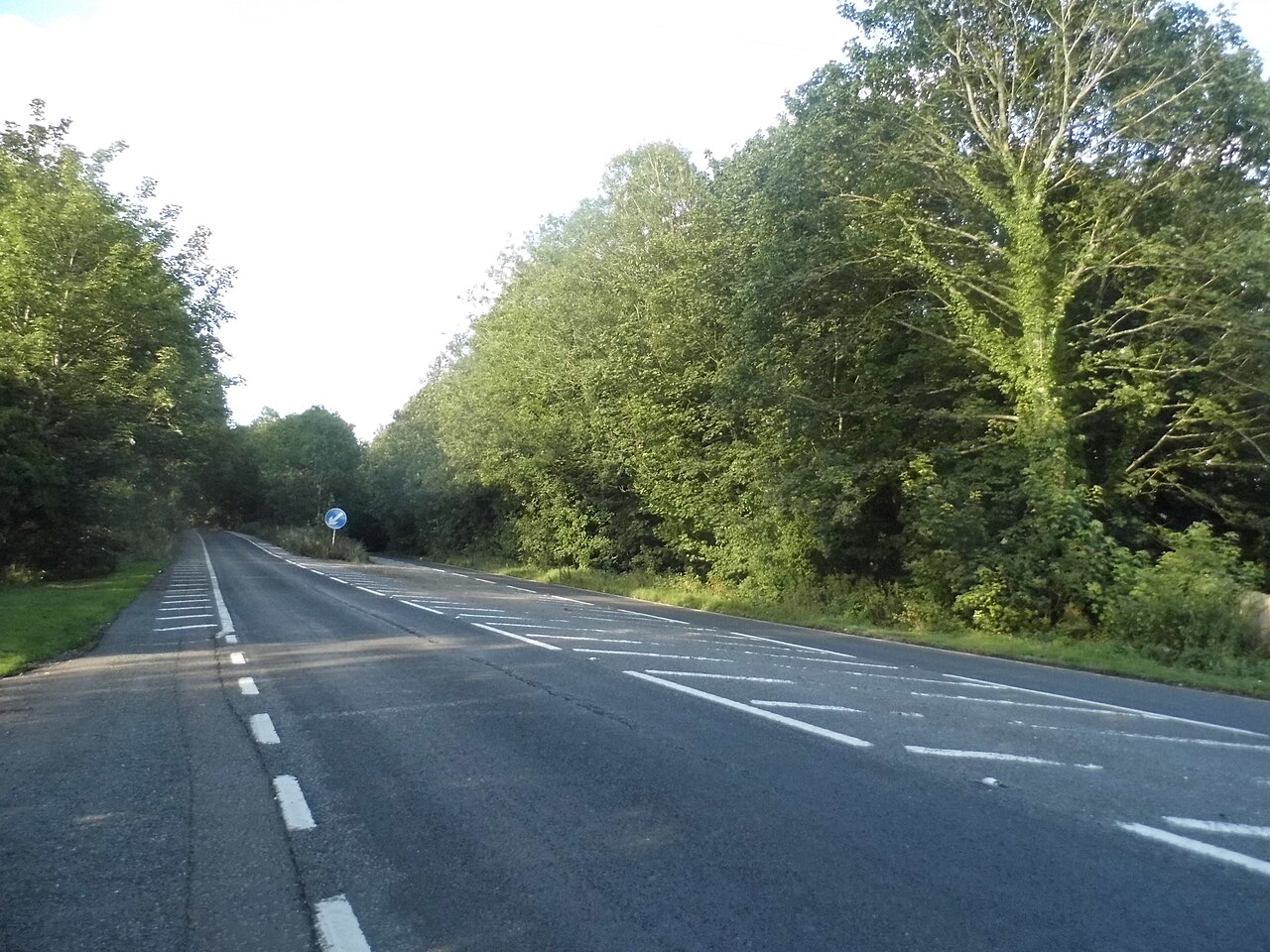
- Drive on the left at all times
- Speed limits: 30 mph in built-up areas (lit street lights), 60 mph on single carriageways, 70 mph on dual carriageways and motorways
- Drink-drive limit: 80 mg per 100 ml blood in England/Wales/NI, 50 mg in Scotland (lower than most home countries)
- Mobile phone use while driving is illegal, even hands-free conversation in some circumstances
- Seat belts mandatory in all seats
- Roundabouts: give way to traffic from the right
- School zones operate 20 mph limits during school hours
The UK is one of the few countries where everyone drives on the left. Visitors from right-hand-drive countries (Australia, India, Japan, South Africa, the Caribbean) often adapt fastest, while those from Continental Europe, North America and South America take a few hours to settle. Concentrating at junctions and roundabouts is the main attention point. The main pass guide covers the broader UK road environment if you want a deeper read before your visit.
Long visits and residency
If your visit extends past 12 months, or if you take up work or settled study, you become UK resident for licence purposes and the visitor rules stop applying. At that point you have to follow the foreign licence conversion route, either exchanging directly (if your country qualifies) or taking the UK theory and practical test. Plan ahead, since the conversion process can take 6 to 12 weeks if you need a UK provisional and a test slot.
Sources and further reading
The figures, fees, and procedures referenced in this article are verifiable on the official gov.uk pages below. PassRates.uk is built on the Driver and Vehicle Standards Agency’s open data, published under the Open Government Licence.
What is the pass rate at your test centre?
Search by centre name, town or postcode to see the latest DVSA figure.
Frequently asked questions
Can I drive in the UK on a foreign licence as a visitor?
Yes, generally for up to 12 months from arrival regardless of country of origin. EU and EEA licences are valid for the full duration of any short stay, with no time limit.
Do I need an International Driving Permit to drive in the UK?
Not for EU, EEA or designated non-EU country licences. For other countries, an IDP is recommended (and sometimes required by car hire companies) but is not strictly required by UK law if you carry your home country licence.
What is the UK speed limit on motorways for visitors?
70 mph on motorways and dual carriageways, 60 mph on single carriageways outside built-up areas, 30 mph in built-up areas with lit street lights. Foreign speeding tickets are typically pursued through cross-border enforcement agreements.
Can I hire a car in the UK on a US licence?
Yes, most major hire companies accept US licences. Some require an IDP alongside it, and most apply a young driver surcharge for under-25s.
What side of the road do you drive on in the UK?
On the left, in all four UK countries (England, Scotland, Wales, Northern Ireland). Visitors from right-hand-drive countries adapt fastest.
What if my visit extends past 12 months?
You become UK resident for licence purposes and must use the foreign licence conversion route. EU and designated non-EU drivers can exchange directly. Other drivers need to take the UK theory and practical test.
Every candidate behind these numbers passed a theory test first. Nationally 44.8% of attempts clear it.
Spotting developing hazards, plus the effects of alcohol, tiredness and medicines. All 14 DVSA topics are free to practise, with no sign up. See the theory pass rate by centre or the full practice hub.
Related guides
Written by Vikas Dulgunde, the software engineer and driving enthusiast behind PassRates.uk. The figures come straight from the DVSA open dataset; see the methodology.
Source DVSA, Open Government Licence v3.0
Continue reading
UK International Driving Permit guide: which countries need an IDP, the 3 IDP types (1926, 1949, 1968), where to buy one (£5.50 at PayPoint) and validity.
How to convert a foreign driving licence to a UK one in 2026: EU and designated-country direct exchange, 12-month driving allowance, and full UK test fallback.