Glasgow Driving Test: 3 Centres, Pass Rates & Route Tips 2026
Glasgow's three driving test centres deliver very different results. Shieldhall's 38% 2024-25 pass rate makes it one of the toughest in Scotland; Anniesland at 47% is considerably more forgiving. Which centre you book could matter more than any amount of extra lessons.
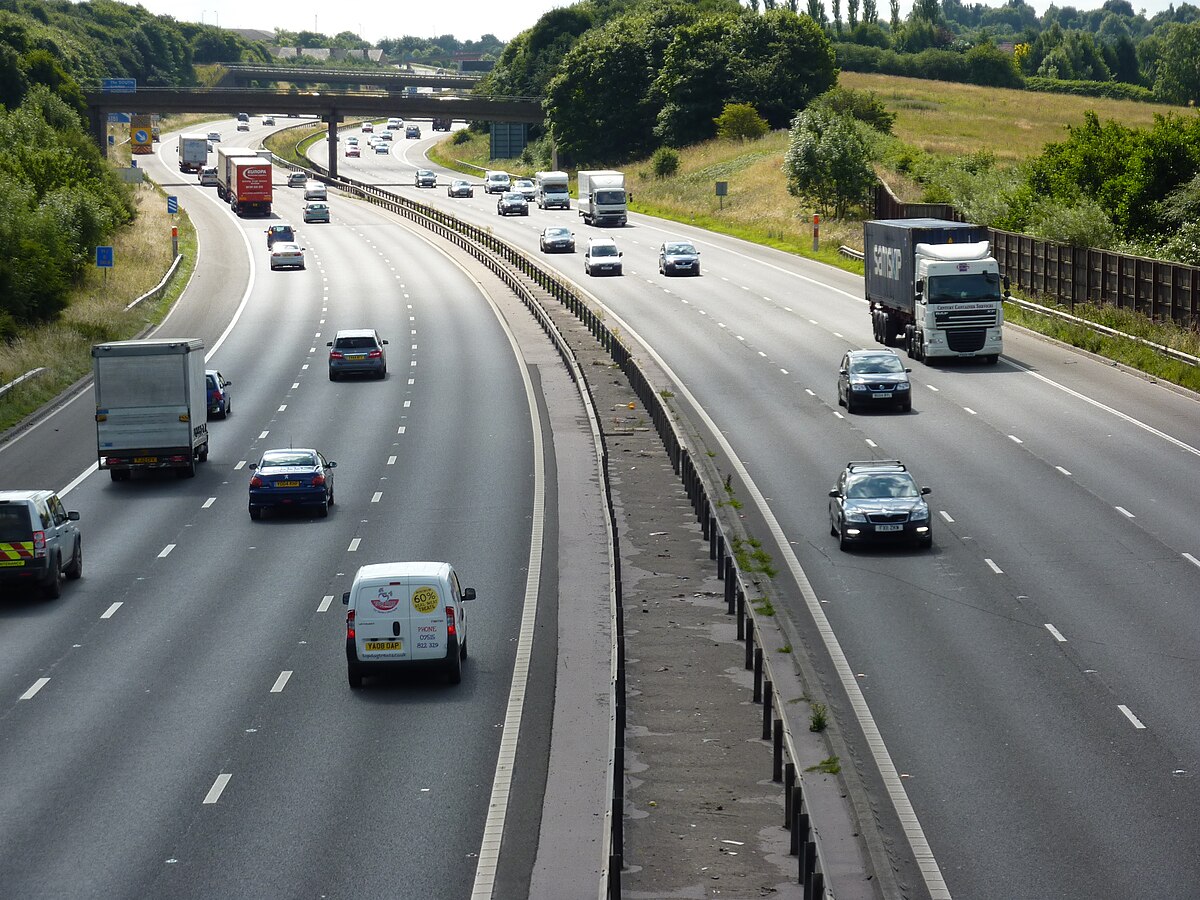
Three centres, three very different pass rates
Greater Glasgow is unusual among Scottish cities in having three DVSA test centres within 10 miles of each other. Anniesland serves the north-west, Shieldhall the south-west, and Baillieston the east. Their 2024-25 pass rates diverge noticeably: Shieldhall consistently posts around 38%, Baillieston sits at roughly 44%, and Anniesland reaches approximately 47%. These are not trivial differences. A 9-percentage-point gap between your nearest centre and a slightly further one could be the margin between passing and failing on the same standard of driving.
- Glasgow Anniesland
- 47%north-west Glasgow
- Glasgow Baillieston
- 44%east Glasgow
- Glasgow Shieldhall
- 38%south-west / Govan
- Bishopbriggs
- 51%~5 miles north of city
- UK national average
- ~48%2024-25
Scotland's volume-weighted average pass rate, around 47.6%, sits close to the UK national figure of roughly 48.7%. Scottish test centres have the highest typical per-centre pass rates in Britain, with small rural Highland and Island centres passing very high, but big urban centres like Glasgow carry most of Scotland's test volume, so the national average lands near the UK figure once they are included. Glasgow's centres are firmly urban and sit either at or below the national average. Shieldhall's 38% makes it one of the most demanding test centres in the country, not just in Scotland. If you have a genuine choice over which centre to book, the arithmetic argues clearly for Anniesland, or for Bishopbriggs if you are in the north of the city and can get there.
Glasgow Anniesland, the most forgiving of the three
Anniesland test centre sits off Bearsden Road in the north-west of Glasgow. Routes from here take in residential streets around Anniesland, Jordanhill and Hyndland, with stretches on the A739 Great Western Road and quieter suburban roads further out. Traffic is steady but not chaotic, there are challenging junctions and roundabouts, but the concentrated intensity of Glasgow city centre is largely absent from the routes.
The 47% 2024-25 pass rate at Anniesland reflects this comparatively manageable environment. That does not mean the test is easy. Glasgow drivers and pedestrians are unpredictable in the way urban traffic always is, and junction observation faults are as common here as anywhere else in the country. But the route profile, mainly residential and mixed-use, without the sustained dual-carriageway sections that define Shieldhall, suits most learners' preparation. What you have been practising in your lessons is likely to map closely to what you will encounter on test day.
If your instructor is based in west or north-west Glasgow, Anniesland is almost certainly your natural centre. The roads are familiar, the traffic patterns are predictable from your lessons, and the 47% 2024-25 pass rate is the best you will find within the city boundary. For learners willing to travel a bit further, Bishopbriggs at 51% (2024-25) is worth considering if you have had lessons in that area.
Glasgow Shieldhall, understand what makes it the hardest
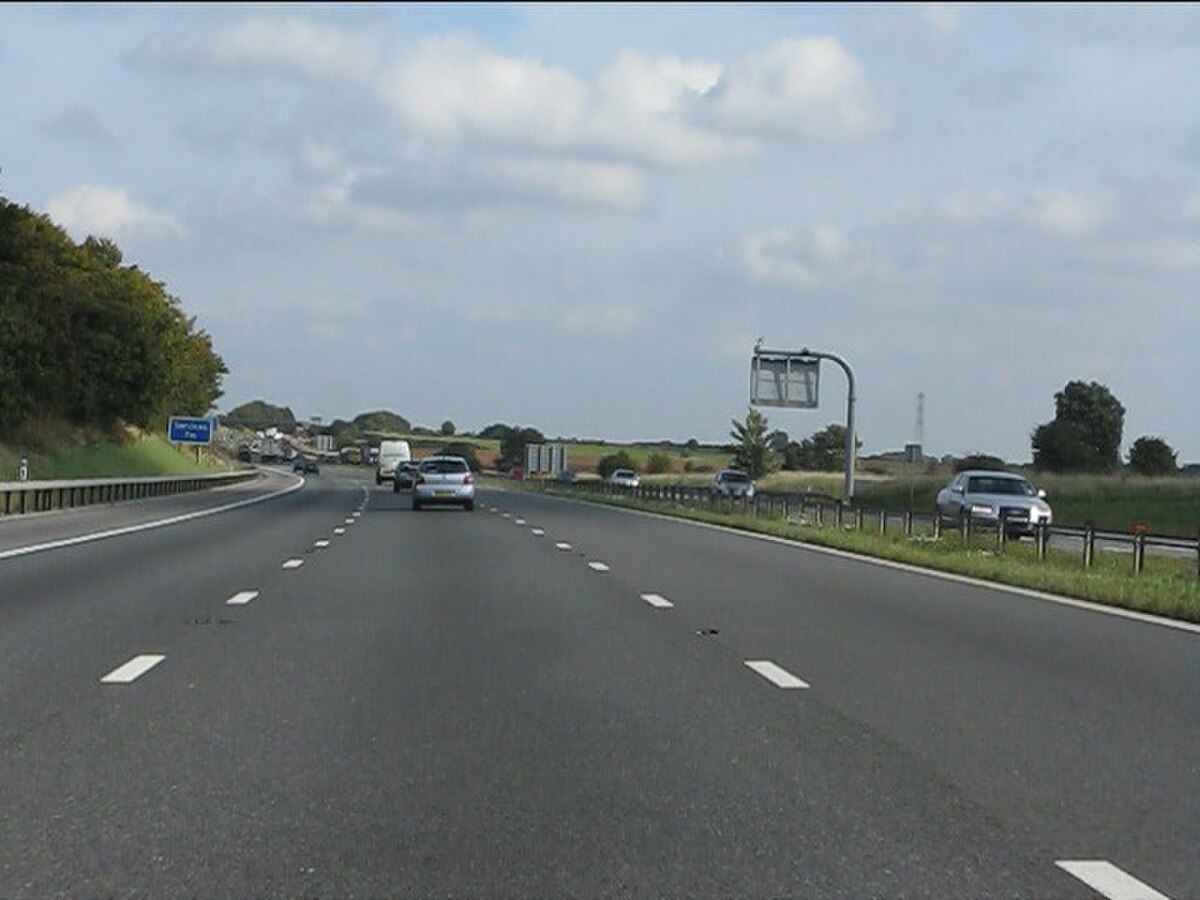
Shieldhall is the outlier. A 38% pass rate puts it roughly 10 percentage points below the UK national average and significantly below Anniesland. The reasons are specific and teachable: Shieldhall's routes regularly include the A739 Clydeside Expressway running at 50 mph, Govan's tight industrial dock-road sections with large goods vehicles and restricted sightlines, and sustained stretches on M8 feeder roads. These are genuinely more demanding conditions than the residential-led routes that dominate most urban tests.
Speed consistency is the fault that bites most often at Shieldhall. Urban learners spend most of their lesson time in 30 mph zones; the Clydeside Expressway runs at 50 mph, and examiners notice immediately when a candidate is uncomfortably slow on faster roads. Driving at 40 in a 60 zone is recorded as a fault. The Govan sections add a different layer of difficulty: narrow roads beside large vehicles, unmarked junctions, and parked vans creating visibility challenges at approaches you cannot anticipate from the passenger seat. If you are booked at Shieldhall, ask your instructor specifically to include at least two sessions on the Clydeside Expressway and through the Govan dock area.
None of this makes Shieldhall impossible. The people who pass there pass to exactly the same standard as everyone else, they have simply prepared for the specific conditions those routes demand. If Shieldhall is genuinely your nearest centre and travelling to Anniesland is impractical, the investment in targeted preparation pays off more here than at any other Glasgow centre.
Glasgow Baillieston, the east-end middle ground
Baillieston test centre serves the east of Glasgow. Routes here cover Shettleston, Tollcross, and sections of the A74 and M74 approach roads. The 44% pass rate sits midway between Anniesland and Shieldhall, and it feels that way on the roads: there are dual-carriageway sections, but they are less exposed than Shieldhall's Clydeside routes. Roundabouts and lane discipline at major junctions are the consistent pressure points.
Baillieston makes most sense for learners based in the east end of Glasgow, Rutherglen, or the eastern suburbs. Route familiarity on test day is genuinely valuable. If you have been doing your lessons in Shettleston and Tollcross, you will recognise the junctions and know the tricky spots. Booking Anniesland purely because the pass rate is higher, and then arriving with no familiarity with its road layout, is a trade-off that does not always work in your favour. Match your centre to where you have been practising.
| Anniesland | Baillieston | Shieldhall | |
|---|---|---|---|
| Pass rate (2024-25) | ~47% | ~44% | ~38% |
| Location | North-west (Bearsden Rd) | East (near M74) | South-west (Govan area) |
| Route character | Residential + A-roads | Mixed urban + dual carr. | Urban + 50 mph expressway + dock roads |
| Hardest challenge | Roundabout observation | Lane discipline on A74 | Speed on Clydeside Expressway |
| Best suited to | West/NW Glasgow learners | East Glasgow learners | Learners near Govan/Shieldhall |
What all three Glasgow routes have in common
Whichever centre you choose, certain challenges appear on every Glasgow test. Roundabouts are unavoidable, the city's geography makes them a near-constant feature, and multi-exit roundabout lane discipline is among the most common fault categories in Scottish urban testing. The key skill is early positioning: getting into the correct lane before you reach the roundabout, not when you are already at the nose. Signalling accurately and reading the exit ahead are habits that need to be automatic, not deliberate.
Pedestrians create consistent pressure across all three centres. Glasgow has a genuinely urban street culture, people step out at informal crossing points, cyclists filter through gaps in traffic, and parked delivery vans create sight-line problems at junctions that would otherwise be routine. Mirror discipline needs to be habitual rather than performed: checking nearside on left turns, checking before any speed change, checking before every manoeuvre. Examiners notice the difference between candidates who check because they mean it and those who check because they remember to.
The independent driving section, approximately 20 minutes of following satnav instructions, is a specific source of test-day anxiety in Glasgow because the road network is dense enough that a misread instruction can land you in a multi-lane junction with no preparation time. Practising navigation by satnav during your lessons is not optional in this city. If you only ever drive routes you already know by heart, the independent section will feel much harder than it needs to.
- 01Do at least two sessions near your specific test centre
Generic miles do not substitute for local familiarity. If you are booked at Shieldhall, include the Clydeside Expressway at 50 mph. At Baillieston, practise the A74 approach. At Anniesland, cover the Great Western Road roundabout sequences. Tell your instructor which centre you are sitting at.
- 02Practise following a satnav to unfamiliar destinations
The independent driving section uses a live satnav feed in real conditions. If every lesson follows a route you already know, the independent section will feel alien. Do at least three sessions navigating somewhere new by voice instructions only, correcting mistakes without stopping.
- 03Arrive 15 minutes early and locate the check-in
Glasgow test centres are busy. Know where to park, where the entrance is, and which desk to report to. Arriving rushed raises cortisol before you have even reached the eyesight check. A calm start matters more than most people allow.
- 04Remember: you are allowed up to 15 minor faults
A small mistake is not the end of the test. The most common reason Glasgow learners fail is overcorrecting after one error, hesitating, becoming over-cautious, accumulating further faults through lack of progress. Commit to the drive and keep moving.
Why Glasgow learners fail, and how to avoid it
Across all three Glasgow centres, the most common fault categories mirror the national DVSA picture but with a local emphasis. Junction observation tops the list: restricted sightlines from parked vehicles and tight urban approaches mean genuinely creeping forward and looking before emerging, not slowing, glancing, and going. Mirrors are the second most common fault nationally and that holds in Glasgow, where cyclists and motorcyclists filter through traffic regularly. Failing to check the nearside mirror on left turns is a fault that appears again and again in Scottish urban test reports.
Use of speed disproportionately affects Shieldhall and Baillieston candidates, where dual-carriageway sections reward confident acceleration and sustained lane positioning. Driving at 40 in a 60 zone is a recordable fault. Hesitating before joining a roundabout when it is clearly safe creates a separate fault for undue hesitation. Both stem from the same root: under-preparation for roads that flow faster than the 30 mph urban environment where most lessons happen.
“Choosing the right Glasgow test centre before you book is the single highest-use decision a learner in the city can make.”
The practical suggestion is a simple one. In the final two weeks before your test, spend at least two full lesson hours driving specifically in the area around your test centre, focusing on the route types that centre is known for. The examiner is not expecting a perfect drive. They are assessing consistent observation, appropriate speed, and safe decision-making. You are allowed up to 15 minor faults. Your job is to drive competently and sustainably, not flawlessly.
Booking your Glasgow test: wait times and what to do about them
Glasgow test centre wait times in May 2026 run broadly in line with the Scottish urban average, roughly 14 to 18 weeks. Anniesland and Baillieston tend to see marginally more demand than Shieldhall, so if you are primarily trying to minimise the queue, Shieldhall sometimes has the earliest available slots. Whether a shorter wait is worth the harder route depends on how far along in your training you are. A well-prepared candidate who knows the Shieldhall routes is in a better position than a less-prepared candidate sitting at Anniesland. The test wait times guide covers the tactics that genuinely help, the regional wait-time research shows how Scotland's 10.8-week average compares with London's 25.7, and the cancellations guide explains how to find earlier slots legally through the official GOV.UK booking service. From 12 May 2026, only the learner can manage their own booking, if your instructor has been handling this, take it over before then.
Sources and further reading
The figures, fees, and procedures referenced in this article are verifiable on the official gov.uk pages below. PassRates.uk is built on the Driver and Vehicle Standards Agency’s open data, published under the Open Government Licence.
What is the pass rate at your test centre?
Search by centre name, town or postcode to see the latest DVSA figure.
Frequently asked questions
What are the pass rates at Glasgow driving test centres?
Based on 2024-25 DVSA data: Glasgow Anniesland approximately 47%, Glasgow Baillieston around 44%, Glasgow Shieldhall approximately 38%. Nearby Bishopbriggs has around a 51% pass rate. The UK national average is approximately 48%.
Which Glasgow driving test centre is easiest?
Glasgow Anniesland has the highest pass rate of the three city centres at around 47%. Bishopbriggs, a short distance north, has an even higher rate of around 51%. Shieldhall at approximately 38% is consistently the most demanding of the Glasgow centres. However, the best centre for you is the one where you have done the most local practice, familiarity with the routes matters as much as the pass rate figure.
What are Glasgow Shieldhall driving test routes like?
Shieldhall routes regularly include the A739 Clydeside Expressway at 50 mph, Govan's tight industrial dock-road sections with large goods vehicles and restricted sightlines, and M8 feeder roads. Speed consistency on faster roads and careful observation in the Govan area are the key skills to practise before a Shieldhall test.
How long is the wait for a driving test in Glasgow?
As of May 2026, Glasgow test centre wait times run approximately 14 to 18 weeks, broadly in line with the Scottish urban average. Monitoring for cancellations through the official GOV.UK booking service can reduce this considerably for candidates who are flexible on exact date.
What manoeuvres will I be asked to do at a Glasgow driving test?
You will be asked to perform one of the three standard DVSA manoeuvres: bay parking (forward or reverse into a marked bay), parallel parking on the road, or pulling up on the right-hand side and reversing. Approximately one in seven tests also includes an emergency stop, down from one in three before November 2025. Glasgow uses the same manoeuvre set as all DVSA centres across the UK.
Can I choose which Glasgow test centre to book?
Yes. When booking on GOV.UK, you select the test centre. You can book at any of the three Glasgow centres, or at Bishopbriggs if you have had lessons in that area. From 9 June 2026, location changes are restricted to the three nearest centres to your original booking, so it is worth booking at the right centre from the start rather than planning to swap later.
What are the most common faults on a Glasgow driving test?
Junction observation (restricted sightlines from parked vehicles), mirror checks (particularly nearside on left turns), and use of speed on faster roads are the most common faults across all three Glasgow centres. Roundabout lane discipline and undue hesitation are also frequent minor fault sources, especially at Baillieston and Shieldhall.
Every candidate behind these numbers passed a theory test first. Nationally 44.8% of attempts clear it.
Speed limits, parking, junctions, roundabouts and right of way. All 14 DVSA topics are free to practise, with no sign up. See the theory pass rate by centre or the full practice hub.
Related guides
Written by Vikas and the PassRates.uk team. Vikas is the software engineer and driving enthusiast who started the site. The figures come straight from the DVSA open dataset; see the methodology.
Source DVSA, Open Government Licence v3.0
Continue reading
Passing the Edinburgh driving test: local route advice, the historic street layout that makes the test demanding, and pass rates above the UK average.
Passing the Birmingham driving test: 7 DVSA centres compared, pass-rate variation across the city, common faults, and what makes the local routes distinctive.