Driving Test in Birmingham: 7 Centres Compared
Birmingham has more DVSA test centres than any city outside London, and each has its own routes and pass-rate profile. The right centre choice can swing your result.
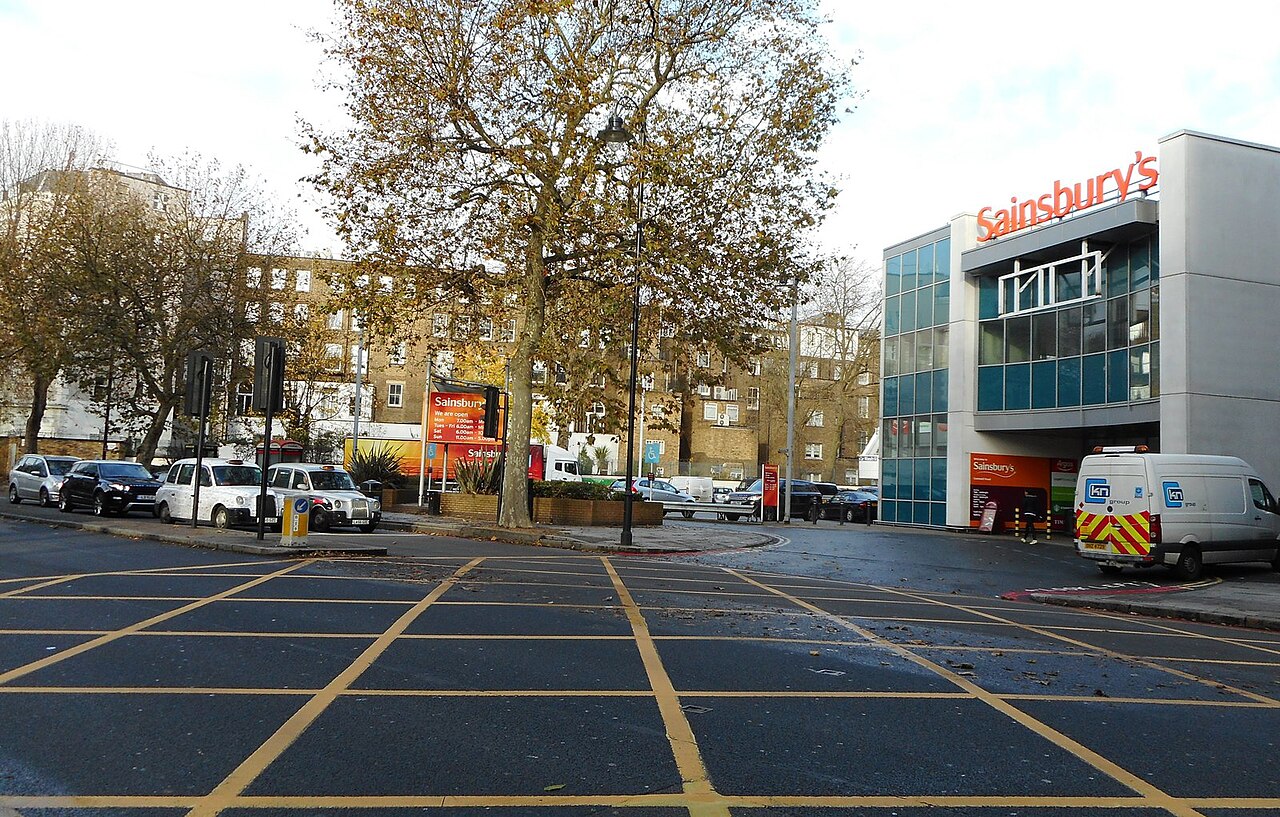
The Birmingham landscape
Birmingham hosts seven main car centres including Garretts Green (the busiest), Kingstanding, Kings Heath, Shirley, Sutton Coldfield, Wyndley and South Yardley. Pass rates sit around 42 to 46 percent, slightly below the UK average of 48 percent. South Yardley sits at the bottom of the UK rankings at around 38 percent in recent quarters, making it one of the hardest centres in the country. Garretts Green runs at around 41 to 43 percent, Kingstanding at 43 to 45 percent, and Kings Heath at 42 to 44 percent. The higher-pass-rate centres are Sutton Coldfield at around 47 to 49 percent and Shirley at 46 to 48 percent.
Wyndley, technically in Sutton Coldfield town, runs at around 49 to 51 percent, just edging the Sutton Coldfield main centre. That makes Wyndley the Birmingham centre with the highest pass rate, although test volume is significantly lower than at Garretts Green or Kingstanding. The 11-point spread from South Yardley (38%) to Wyndley (50%) is among the widest within any single English city. Centre choice in Birmingham matters more than it does in cities with narrower internal gaps.
Picking your centre
Sutton Coldfield and Shirley generally have the highest local pass rates because the routes mix suburban and quieter A-road driving. Garretts Green and Kings Heath tend to be tougher, with denser traffic and more multi-lane junctions. South Yardley sits below all of them: routes touch the A45 dual carriageway, the Coventry Road corridor, and the streets around the airport. The combination of urban density and faster A-road sections demands solid speed discipline on top of standard urban observation skills.
For learners in north Birmingham (Sutton Coldfield, Erdington, Mere Green, Streetly), Wyndley or Sutton Coldfield are the natural choices. For south Birmingham (Shirley, Solihull, Hall Green, Acocks Green), Shirley is closest and its high pass rate is the realistic upside without travel. For east Birmingham (Yardley, Sheldon, Marston Green, Sparkhill), Garretts Green is the local centre, with South Yardley as the second option. For west and central Birmingham, Kings Heath, Kingstanding, and Garretts Green are the candidates.
Local route quirks
- A45 dual carriageway sections with tight slip roads, the main feature of Garretts Green and South Yardley routes
- The Spaghetti Junction area: examiners avoid the actual interchange but the feeder roads appear on some routes
- Box junctions on the inner ring road and Smallbrook Queensway
- Bus-priority signals near New Street and the Bullring
- Roundabouts around the Five Ways and Edgbaston gyratories
- The A38 dual carriageway through the city centre tunnels
- Residential side streets in Acocks Green and Small Heath with parked cars on both sides
Tips for passing in Birmingham
Take at least two lessons on the local roads your booked centre tends to use. Birmingham examiners look closely at lane discipline on dual carriageways, observation at busy junctions, and use of mirrors at higher speeds. Manoeuvres in residential streets near the centres often involve parked cars on both sides, which makes parallel parking genuinely harder than the textbook version. The manoeuvres guide covers the four DVSA manoeuvres and what examiners watch for.
Speed discipline is the most under-prepared skill for Birmingham learners. The A45, A38, and Aston Expressway all run at 40 to 50 mph in sections that look urban. Driving at 30 to 35 mph in a 40 mph zone collects a fault for undue hesitation; three of those can be upgraded to a single serious fault under the habitual rule. Practise driving at the posted limit confidently. The faults explained guide explains how the marking system handles repeated minor faults.
Which centre should you pick? A decision rule
For most Birmingham learners, the right call is the nearest centre with a pass rate above 45 percent. That usually means Shirley for the south, Sutton Coldfield for the north, and Kingstanding or Garretts Green as a default for central and east learners. If your nearest centre is South Yardley and you can travel 15 minutes to Garretts Green or 25 minutes to Shirley, the data argues you should, provided you can take 2 to 3 pre-test lessons in the new area.
Wyndley is the statistical favourite in Birmingham but its volume is lower than the main centres, so wait times can be longer and route memorisation is harder because each instructor sees fewer Wyndley tests. If you can secure a Wyndley slot in a reasonable time frame, it is a good pick. If the wait is more than 4 weeks longer than the alternatives, the gain often disappears in lost preparation time. The should I travel for easier test guide covers when the journey is worth it.
Birmingham traffic and time of day
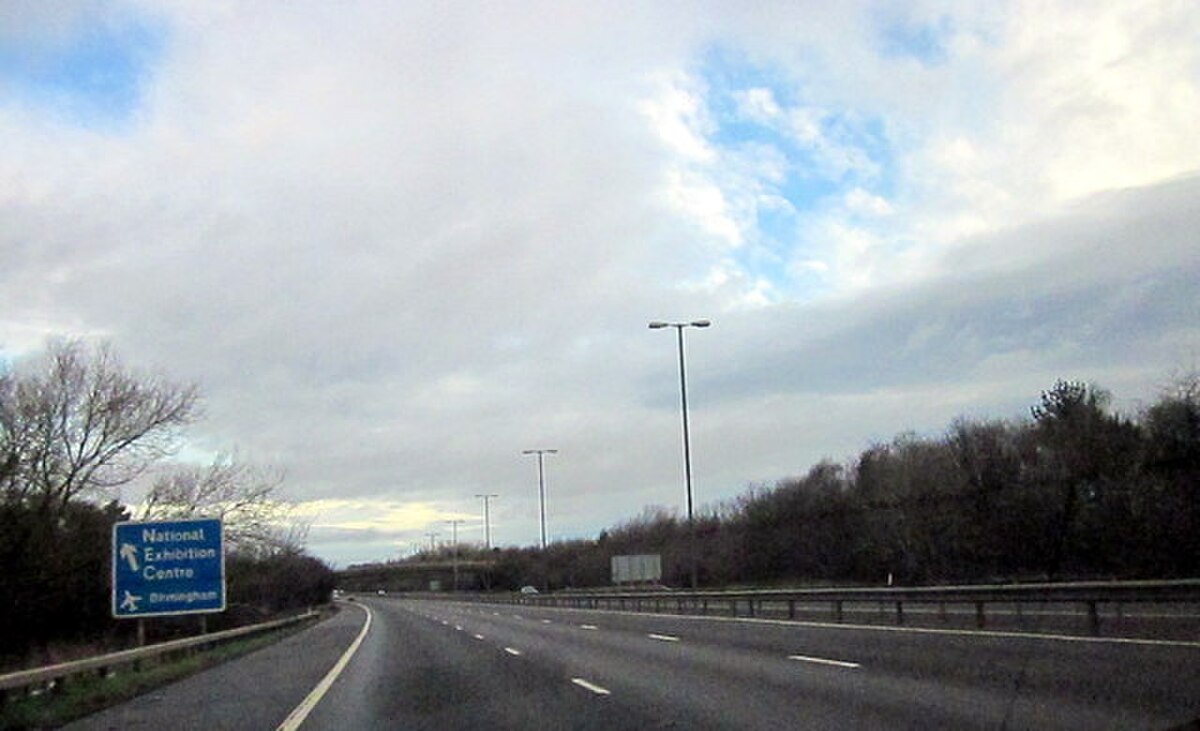
Birmingham morning peak runs from about 7:30am to 9:30am, with the school run hitting first and commuter traffic from the M6, M42, and A38 corridors stacking up after. Afternoon peak runs from 3:30pm to 5:30pm. The A45 and the city-centre approaches are notably congested at these times. Tests booked at peak see noticeably heavier traffic than late-morning slots. The pass rates by time of day guide covers the statistical swing that comes with picking the right hour, which is typically 3 to 4 percentage points in busy urban centres like Birmingham.
If your booked slot is at peak, do at least two pre-test lessons at the same time of day in the same area. The point is not to memorise routes (the examiner will not let you predict them) but to acclimatise to the traffic density and the decision pace. Learners who have only practised in midday traffic find peak conditions genuinely harder.
Booking, fees, and waits
Birmingham wait times currently average 12 to 18 weeks. Wyndley and Sutton Coldfield often run longer because of the lower volume. Checking gov.uk for cancellations yourself is the fastest way to bring your test forward; the cancellations guide explains the process through the official GOV.UK service. Avoid third-party "test finder" services, which charge £20 to £100 for the same slots you can find yourself in five minutes a day.
The standard DVSA fee applies in Birmingham: £62 weekday, £75 evening or weekend. No Birmingham surcharge. The test fees guide covers what counts as premium. From 12 May 2026 only the candidate can manage their own booking; from 9 June 2026 location swaps are limited to the three nearest centres to your original booking. The DVSA booking rule change guide covers what changes when.
Sources and further reading
The figures, fees, and procedures referenced in this article are verifiable on the official gov.uk pages below. PassRates.uk is built on the Driver and Vehicle Standards Agency’s open data, published under the Open Government Licence.
What is the pass rate at your test centre?
Search by centre name, town or postcode to see the latest DVSA figure.
Frequently asked questions
Which Birmingham test centre has the highest pass rate?
Wyndley in Sutton Coldfield runs at around 49 to 51 percent, the highest in Birmingham, with Sutton Coldfield main centre and Shirley both around 47 to 49 percent. Their routes include more suburban sections and fewer complex inner-city junctions than Garretts Green or Kings Heath.
Is Garretts Green hard?
Garretts Green is the busiest car-test centre in Birmingham and one of the busiest in the UK. The pass rate sits a couple of points below the Birmingham average. The routes feature heavy traffic, dual carriageways and multi-lane junctions, which together make it a more demanding centre.
Why is South Yardley pass rate so low?
South Yardley sits at around 38 percent, among the lowest in the UK. Routes combine inner-city density with the A45 dual carriageway, the Coventry Road corridor, and tight residential streets in Yardley and Sheldon. The pace of decisions and the speed-discipline tests on the A45 push the difficulty above other Birmingham centres.
How early should I book a Birmingham test?
Aim to book 10 to 14 weeks ahead. Some Birmingham centres run shorter waits than others, so consider booking the soonest available rather than your nearest centre if speed matters. From 9 June 2026, location swaps are limited to the three nearest centres to your original booking, so the initial choice matters more than before.
How much does a Birmingham driving test cost?
The standard DVSA fee applies: £62 weekday, £75 evening or weekend. No Birmingham-specific surcharges. The fee covers the test itself; lessons, mocks, and any test-finder service costs are separate.
Every candidate behind these numbers passed a theory test first. Nationally 44.8% of attempts clear it.
Pedestrians, cyclists, horse riders and the 2022 hierarchy of road users. All 14 DVSA topics are free to practise, with no sign up. See the theory pass rate by centre or the full practice hub.
Related guides
Written by Vikas and the PassRates.uk team. Vikas is the software engineer and driving enthusiast who started the site. The figures come straight from the DVSA open dataset; see the methodology.
Source DVSA, Open Government Licence v3.0
Continue reading
Glasgow has three DVSA test centres with pass rates from 38% to 47%. Here's which one to pick, what routes to expect, and how to pass first time.
Passing the Manchester driving test: 5 DVSA centre choices, suburban vs inner-city pass-rate gap, route quirks, and local conditions that catch learners out.