Driving Test in Manchester: 5 Centres, Suburban vs City
Manchester hosts some of the UK's busiest test centres, with a clear pass-rate gap between easier suburban centres and tougher inner-city ones. Centre choice often decides pass or fail.
Manchester pass-rate snapshot
Greater Manchester centres average around 42 to 45 percent, broadly in line with the rest of urban England. Inner-Manchester centres like Cheetham Hill and West Didsbury sit a few points lower, while outlying centres in Bolton, Bury and Stockport tend to be a touch higher. Cheetham Hill runs at around 39 to 41 percent in most quarters, putting it firmly in the bottom quartile of UK pass rates. West Didsbury sits at around 41 to 43 percent. Bolton runs at 46 to 48 percent, Bury at 47 to 49 percent, and Stockport at 48 to 50 percent. That is a 9-point spread within Greater Manchester, large enough to be the deciding factor in many learners' results.
Manchester sits in the same urban band as Liverpool, Birmingham, and Leeds, with all four running several points below the UK average. The why London centres are hard guide explains the structural reasons for the urban gap, most of which apply to Manchester too. The easiest vs hardest centres guide sets out the full national picture from 33.4 percent at Wolverhampton, the toughest rankable centre, to 66.7 percent at Dorchester.
The route challenges
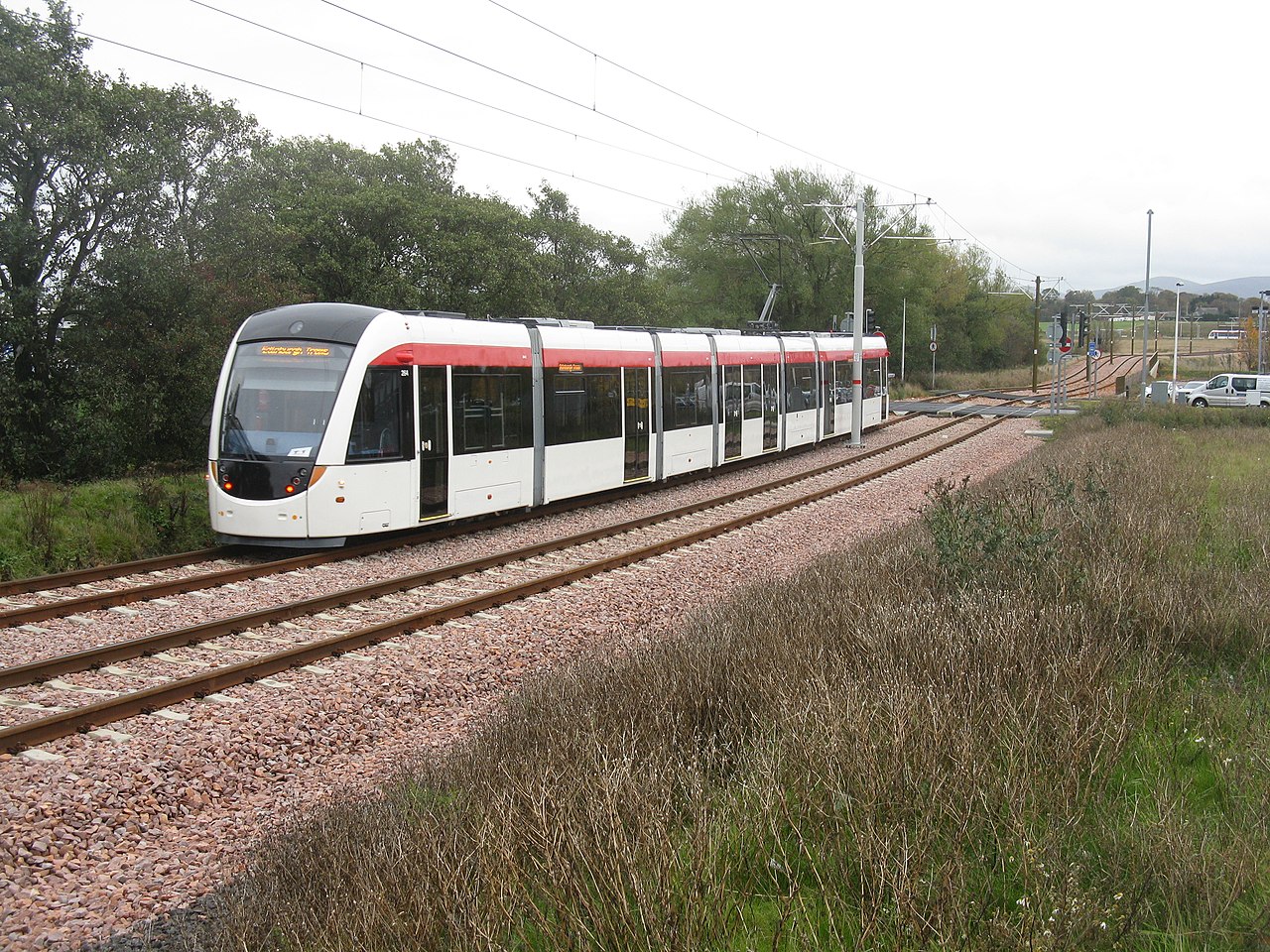
Most Manchester routes feature complex multi-lane junctions, tram crossings, bus gates, and the occasional one-way system that catches out learners. Mancunian Way, the inner ring road, and the area around Piccadilly are notable for tight lane discipline. Manchester is the only major UK city outside London where tram-line awareness is a routine part of the test, and the Metrolink network has expanded significantly over the past decade so the test fixtures now include junctions that did not previously feature trams.
- Tram crossings: never stop on the rails, even briefly; treat them like a level crossing
- Bus gates and bus-only roads in the city centre, with operating hours that vary by route
- Roadworks: ongoing on routes near the universities, Oxford Road, and the Northern Quarter
- Cycle lanes that change priority frequently, especially on the Wilmslow Road and Oxford Road corridors
- Mancunian Way slip roads with multi-lane merging at speed
- Roundabouts around Trafford Park and the Hyde Road area on Cheetham Hill routes
Suburban vs city-centre centres
If you are flexible on location, suburban Greater Manchester centres typically offer kinder routes than city-centre ones. The trade-off is shorter wait times in the centre but a tougher test environment. Stockport, Bury, and Bolton routes have 30 mph residential driving as the dominant theme, with A-road exposure in selective segments. Cheetham Hill and West Didsbury routes have inner-city density as the dominant theme, with the tram-line and bus-gate complications baked into almost every minute of the test.
The easiest test centre in Manchester guide lists the suburban options and how their routes differ from the inner ones. For a learner with no centre preference, the maths is clear: travel 20 to 30 minutes for Stockport or Bury if you can take 2 to 3 pre-test lessons there. The pass-rate lift is real and the route-familiarity gap closes with a small amount of local practice.
Which centre should you pick? A decision rule
Match the centre to where you have practised most. For learners in south Manchester (Didsbury, Withington, Chorlton, Northenden), West Didsbury is the natural fit despite its lower pass rate because the routes will be familiar. For north Manchester (Cheetham Hill, Crumpsall, Prestwich, Whitefield), Cheetham Hill is the local centre with the same logic. Stockport for south-east learners (Heaton Moor, Levenshulme, Reddish), Bury for north learners with reach to the M60 corridor, and Bolton for west and north-west learners.
Failsworth, sometimes added as the fifth Manchester centre, runs at around 41 to 43 percent. Its routes include the Oldham Road corridor and the A62 east toward Oldham proper. Failsworth is a sensible alternative for north-east Manchester learners who want a lower-volume centre than Cheetham Hill. The should I travel for easier test guide covers the trade-offs when picking outside your home area.
Practical advice
Drive the test routes with your instructor at the time of day you have booked. Manchester traffic varies sharply between 8am, midday and 4pm. Match practice to test conditions. Be especially careful with bus and tram lanes, as accidental incursions are an instant serious fault. The Metrolink network now covers much of Greater Manchester, and the rails appear in residential streets where you would not expect them. Practise the routes specifically and know in advance where the tram crossings sit.
The independent driving section, around 20 minutes of following satnav instructions, has been a notable source of test-day faults in Manchester because the city centre and inner ring road layout is unforgiving of late lane decisions. Practising satnav navigation in unfamiliar parts of Manchester for at least three lessons before the test is one of the highest-use things a learner can do. The on test day guide covers what to expect in the independent section.
Common Manchester faults to drill
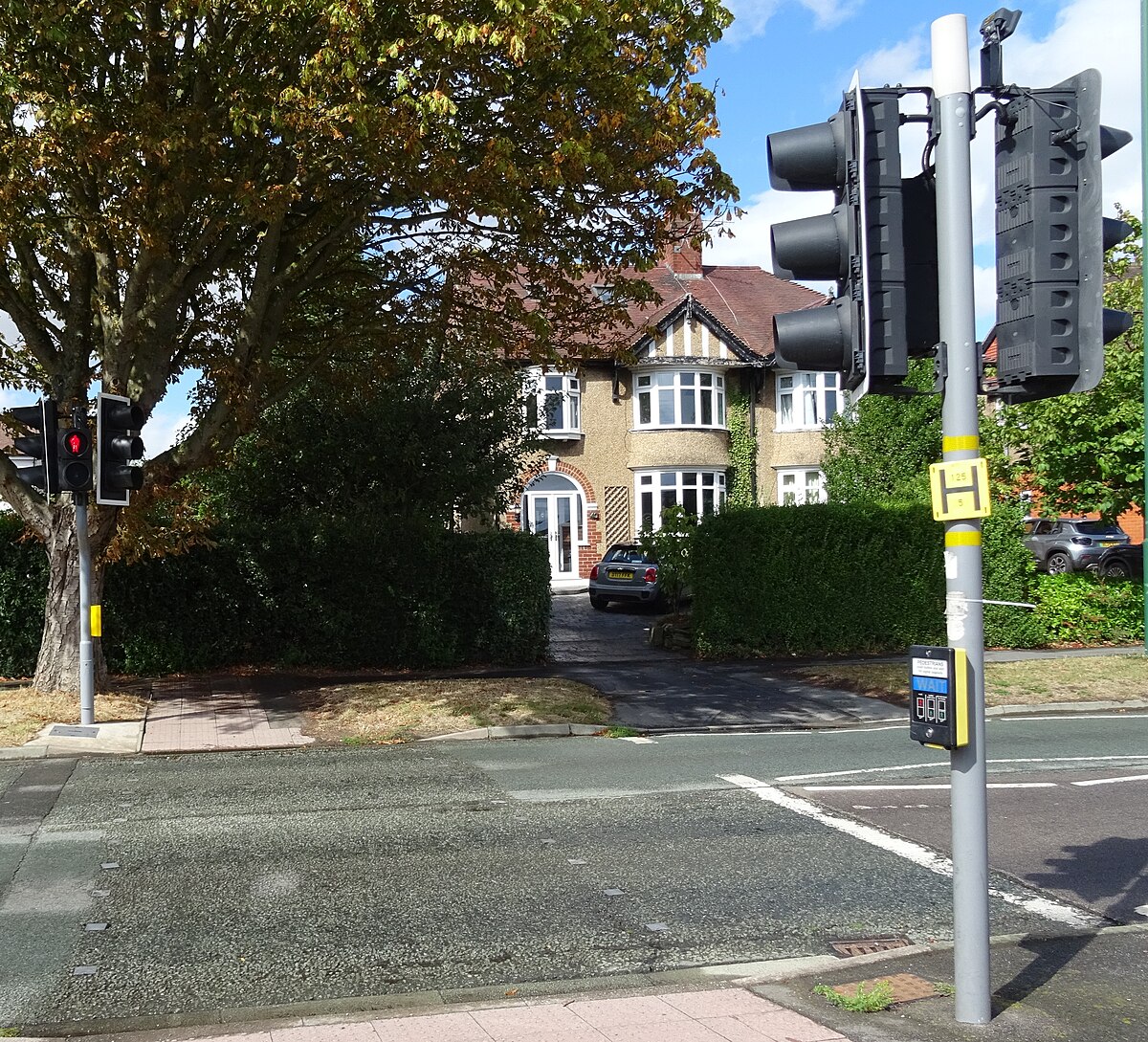
Across all five Manchester centres, three fault categories dominate the test reports. Junction observation is the first: restricted sight lines from parked vehicles and tight urban approaches mean creeping forward genuinely until you can see, not slowing, glancing, and going. Mirror discipline is the second, with the nearside mirror before any left turn being the most often-missed check. Lane discipline on multi-lane roundabouts is the third, especially at the Trafford Park gyratories and the Mancunian Way slip roads.
Speed discipline matters more on Manchester routes than people expect. The A56 Bury New Road, the A6 Stockport Road, and the A57 Hyde Road all run at 40 mph in long stretches, and learners who default to 32 to 35 mph collect faults for undue hesitation. Driving at 38 mph on a 40 mph road is fine. Driving at 30 mph collects a fault. The faults explained guide walks through how the marking system actually works.
Booking, waits, and what to expect
Wait times in Greater Manchester average 14 to 20 weeks. Inner centres often have shorter waits than outer suburban ones because they have higher test capacity. Stockport, Bury, and Bolton sometimes carry waits of 18+ weeks because they are popular choices for travel-in learners. Use the DVSA cancellation finder daily; the cancellations guide explains the routine. From 12 May 2026 only the candidate can manage their own booking, so take over the login from your instructor.
The standard fee applies (£62 weekday, £75 evening or weekend), with no Manchester surcharge. The fees explained guide covers what counts as premium. A failed test means a 10-working-day minimum wait before retake; the rebooking after fail guide covers the timing decisions. The realistic interval for most learners after a fail is 4 to 8 weeks, long enough for 4 to 6 targeted lessons and short enough that confidence and recent experience do not fade.
Sources and further reading
The figures, fees, and procedures referenced in this article are verifiable on the official gov.uk pages below. PassRates.uk is built on the Driver and Vehicle Standards Agency’s open data, published under the Open Government Licence.
What is the pass rate at your test centre?
Search by centre name, town or postcode to see the latest DVSA figure.
Frequently asked questions
Which Manchester test centre is easiest?
Outer Greater Manchester centres in Bolton, Bury and Stockport tend to produce the highest pass rates, typically in the high 40s. Stockport usually leads at around 48 to 50 percent. Inner-Manchester centres like Cheetham Hill, West Didsbury and Failsworth sit several points lower, with Cheetham Hill at around 39 to 41 percent the lowest.
Why are tram crossings such a big deal on Manchester tests?
Stopping on tram rails or failing to give priority to a tram is treated as a serious fault. Manchester is the only major UK city outside London where you regularly meet trams on test routes, so candidates who have not practised here often miss this. Treat each tram crossing like a level crossing.
How long is the wait for a Manchester test?
Wait times in Greater Manchester average 14 to 20 weeks. Check gov.uk for cancellations daily. Inner centres often have shorter waits than outer suburban ones because they have higher test capacity.
Should I travel from Manchester to Stockport for a kinder test?
It can pay off. The pass-rate boost is typically 6 to 8 percentage points compared with Cheetham Hill or West Didsbury. The condition is that you take at least 2 pre-test lessons in the Stockport area so route familiarity matches the change. Without local practice, the boost largely evaporates on test day.
How much does a Manchester driving test cost?
The standard DVSA fee applies: £62 weekday, £75 evening or weekend. There are no Manchester-specific surcharges. The fee covers the test only; lessons and any mock-test sessions are separate.
Every candidate behind these numbers passed a theory test first. Nationally 44.8% of attempts clear it.
Following distances, courtesy, priority and how to behave around other road users. All 14 DVSA topics are free to practise, with no sign up. See the theory pass rate by centre or the full practice hub.
Related guides
Written by Vikas and the PassRates.uk team. Vikas is the software engineer and driving enthusiast who started the site. The figures come straight from the DVSA open dataset; see the methodology.
Source DVSA, Open Government Licence v3.0
Continue reading
Passing the Birmingham driving test: 7 DVSA centres compared, pass-rate variation across the city, common faults, and what makes the local routes distinctive.
A practical guide to passing your driving test in London: which centres are kindest, how to handle the routes, and what every learner should know before the day.