UK Private Hire Licence 2026: PHV in 8 to 16 Weeks
A UK private hire licence covers pre-booked passenger work for Uber, Bolt and traditional minicabs. The council application typically runs 8 to 16 weeks and includes DBS, medical and a knowledge test.
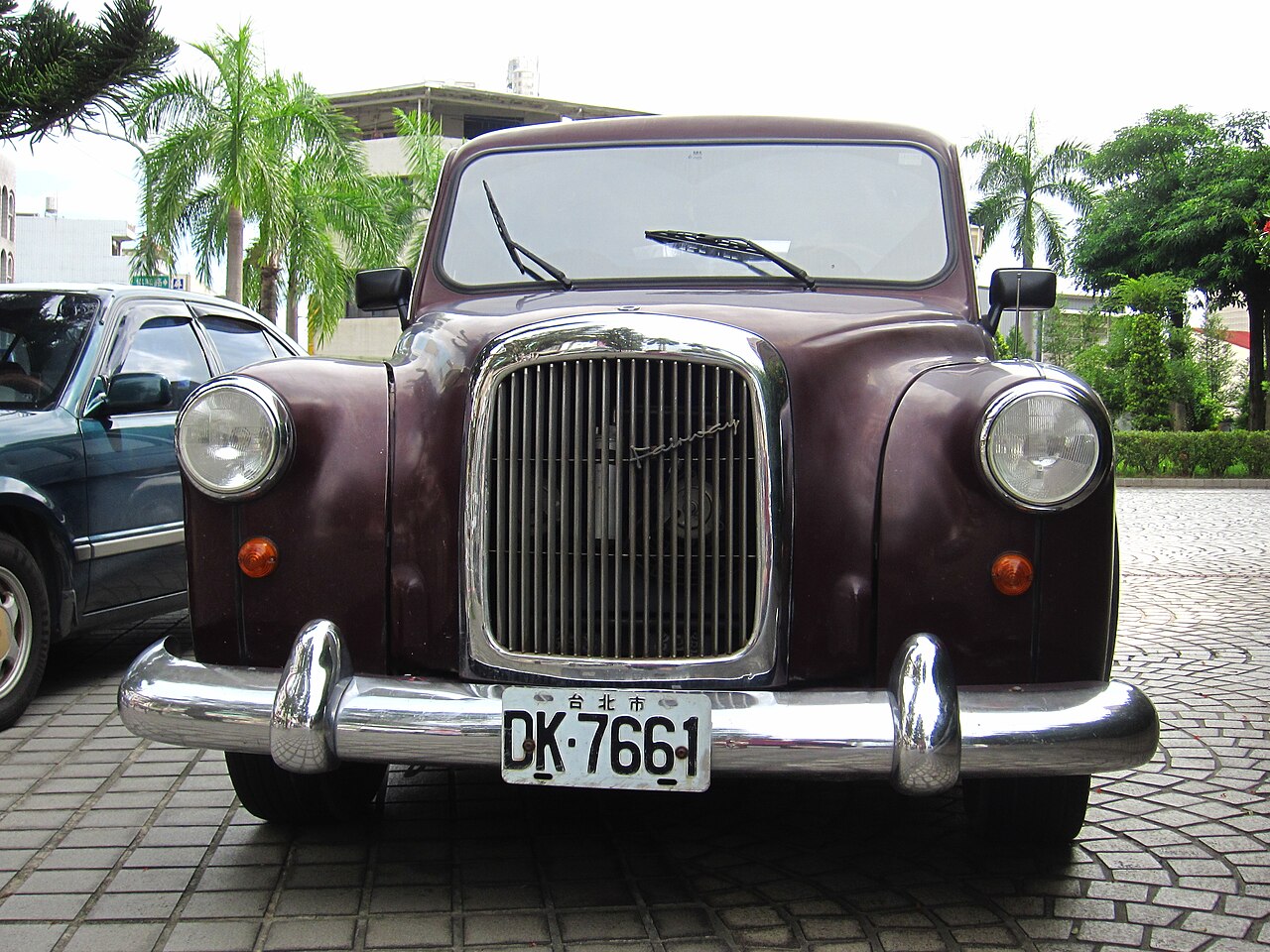
What a PHV licence covers
A private hire vehicle (PHV) licence allows you to carry fare-paying passengers on a pre-booked basis only. You cannot accept hails on the street and you cannot use designated taxi ranks. Every job has to be booked through an authorised operator, which in 2026 includes app platforms (Uber, Bolt, FreeNow), traditional minicab firms, chauffeur companies, and corporate transport providers. The platform takes responsibility for the booking record and the dispatch, which is the legal distinction from a taxi (hackney carriage). The taxi licence guide covers the hackney route in detail.
There are three layers of PHV licensing in any council area. A driver licence (the badge), a vehicle licence (the plate), and an operator licence (held by the company that takes the bookings). Drivers and vehicles must be licensed by the same council as the operator they work for, with limited cross-border exceptions in 2026 following national reforms.
Eligibility
Every council requires the same baseline: full UK or EU driving licence, held for a minimum period (usually 12 to 36 months), aged 21 or over, right to work in the UK, and a satisfactory criminal record check. Convictions are not automatically disqualifying but are reviewed against published council policies. Sexual offences, violence and serious driving offences usually rule applicants out indefinitely, while minor or older offences are often acceptable subject to a review hearing. The foreign licence conversion guide covers what to do if you are coming from a non-UK licence.
The application steps
The standard PHV application process runs as follows. First, complete the council application form and pay the application fee (typically £100 to £250). Second, get an Enhanced DBS check costing £50 to £75. Third, complete a Group 2 medical at your GP or an approved provider, costing £80 to £150. Fourth, sit the council Knowledge Test, which is usually shorter and easier than the equivalent hackney carriage test. Fifth, complete a safeguarding course covering child sexual exploitation awareness, safer transport and disability awareness. Sixth, in some councils, complete a practical driving standard assessment with an approved provider.
In parallel, you need to license a vehicle. PHV vehicles must meet specific age, condition and emissions standards (typically Euro 6 diesel or petrol equivalent in larger cities). You will need a vehicle inspection certificate, a plate, and proof of hire-and-reward insurance. Many councils have moved towards lower-emission and electric-only PHV fleets, with Transport for London setting the trend through its Ultra Low Emission Zone rules.
The Knowledge Test
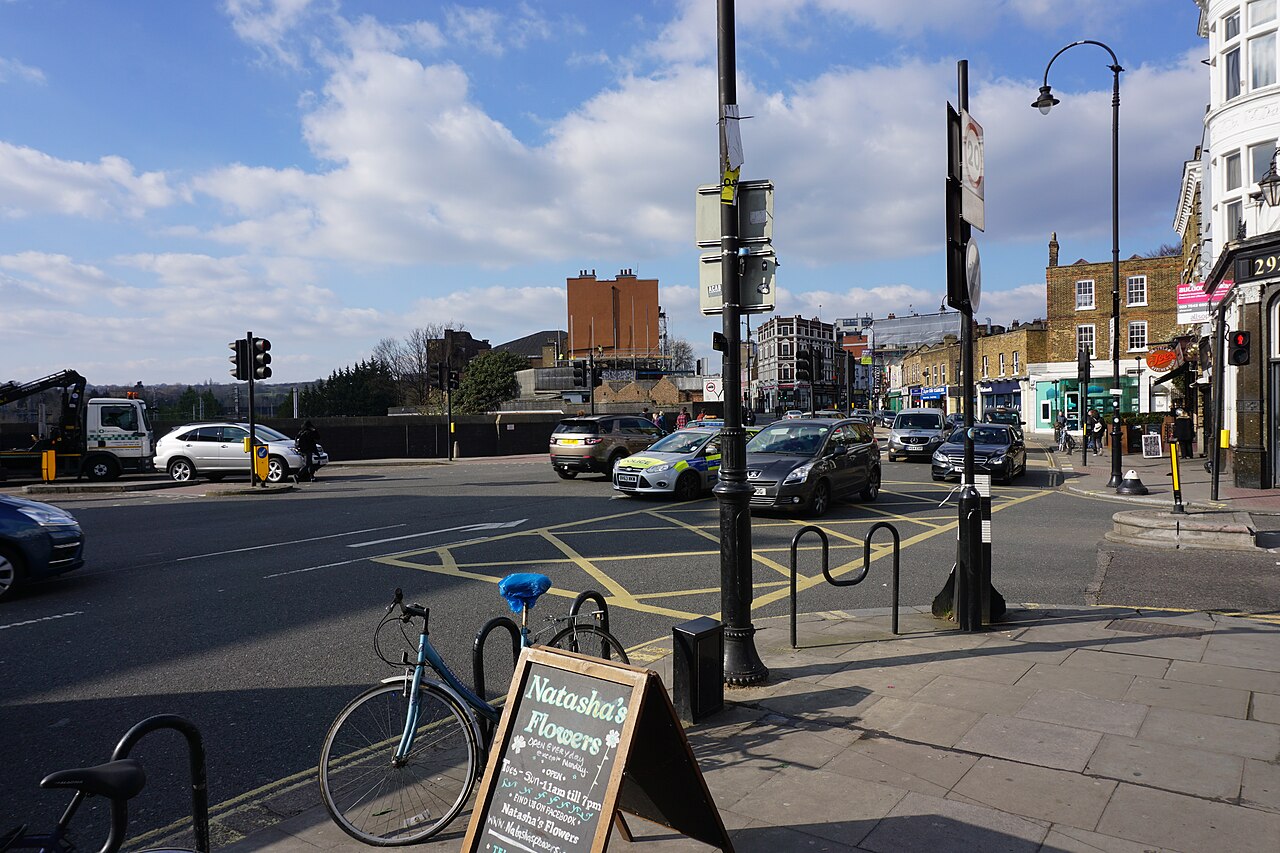
PHV knowledge tests are universally lighter than hackney carriage tests. The reasoning is that pre-booked drivers use sat-nav rather than memorising routes. Most councils run a 30 to 60 question multiple choice test covering basic local geography, council policies, the Highway Code refresher, and disability awareness. Pass rates are typically above 80 percent on first attempt. Some councils, including Westminster and the City of London, do not require a separate PHV Knowledge Test at all, accepting the application form alone.
Costs end to end
- Application fee: £100 to £250
- Enhanced DBS: £50 to £75
- Group 2 medical: £80 to £150
- Knowledge Test (where required): £40 to £100
- Safeguarding training: £30 to £80
- Practical assessment: £75 to £150 (where required)
- Driver badge issue: £50 to £150
- Vehicle plate: £150 to £350
- Vehicle inspection: £50 to £100
- Hire-and-reward insurance: £900 to £2,500 a year
Total realistic upfront budget is £600 to £1,500 for the licence elements, plus the ongoing insurance cost which dwarfs everything else. Some app platforms (Uber, Bolt) provide rental vehicles already plated, which removes the vehicle licensing step from the equation but adds a weekly rental fee.
Timeline
Standard timeline is 6 to 12 weeks from application to licence issue, generally faster than hackney carriage because the Knowledge Test is shorter or absent. DBS clearance is usually the longest single wait, at 4 to 8 weeks. If you are using a platform vehicle, the timeline can be even tighter, since the rental vehicle is already plated and you only need the driver badge.
How PHV differs from hackney carriage
Three key practical differences. First, you cannot accept street hails. Every job must come through a booking. Second, you must use a licensed operator (your own one-person operator licence is permitted but rare). Third, you have more cross-border flexibility for pre-booked work, since the booking is made in advance rather than at the point of pickup. PHV drivers can usually take a booking that ends in another council area without that being a problem, where a hackney carriage cannot pick up there.
For the broader picture of UK driving licences, the main guides hub has the full library, and the main pass guide covers the foundation.
Ongoing requirements
PHV badges typically run for 3 years before renewal, with the medical (every 5 years from age 45, annually from 65) and DBS check (usually every 3 years) repeating on their own cycles. Vehicles renew annually with re-inspection. Most councils now require dash cams in PHVs, with audio recording optional but increasingly common. Failing to disclose new convictions, accidents or medical conditions within the council deadline is grounds for immediate suspension.
Sources and further reading
The figures, fees, and procedures referenced in this article are verifiable on the official gov.uk pages below. PassRates.uk is built on the Driver and Vehicle Standards Agency’s open data, published under the Open Government Licence.
What is the pass rate at your test centre?
Search by centre name, town or postcode to see the latest DVSA figure.
Frequently asked questions
How long does it take to get a UK private hire licence?
Typically 6 to 12 weeks. DBS clearance is usually the longest single wait at 4 to 8 weeks.
What is the main difference between PHV and a taxi licence?
A PHV can only do pre-booked work and cannot be hailed on the street. A taxi (hackney carriage) can ply for hire and use ranks but cannot operate cross-border easily.
Do I need a Knowledge Test for a PHV licence?
In most councils yes, but it is much shorter and easier than a hackney carriage Knowledge Test. A few councils (including Westminster and City of London) do not require one for PHV.
Can I drive for Uber on a PHV licence?
Yes. Uber and Bolt require a council PHV licence and a plated vehicle. You sign on with the platform once both are in place.
How much does a UK PHV licence cost?
Realistic upfront budget is £600 to £1,500 for the licence and vehicle plate, plus ongoing hire-and-reward insurance at £900 to £2,500 a year.
Can I work in another council area with a PHV licence?
You can take a booking that ends in another area, but the booking itself must be made through an operator licensed in your home council, with limited cross-border exceptions following national reform.
Related guides
- Bus and taxiBus and Coach (PCV) LicenceRead guide
- Bus and taxiD1 Minibus LicenceRead guide
- Bus and taxiTaxi Licence ProcessRead guide
- Becoming an instructor or examinerDriving Instructor (ADI)Read guide
- Becoming an instructor or examinerDriving Examiner (DVSA)Read guide
- Foreign and internationalForeign Licence ConversionRead guide
Written by Vikas Dulgunde, the software engineer and driving enthusiast behind PassRates.uk. The figures come straight from the DVSA open dataset; see the methodology.
Source DVSA, Open Government Licence v3.0
Continue reading
How to qualify as a UK Approved Driving Instructor: the 3-part DVSA exam, £2,000 to £5,000 costs, Part 3 pass rates, and the PDI to ADI route.
UK hackney carriage taxi licence: council application, knowledge test, DBS, medical and vehicle plate, with 8 to 16 week timeline and £350 to £900 in fees.