UK Speeding Tickets: 2 Million Issued, NIP to FPN Steps
Around 2 million UK speeding tickets are issued each year, mostly by post in three steps: NIP, FPN, then the option of a speed awareness course. Knowing each step keeps you on the cheapest legal route.
How a speeding ticket starts
Most speeding offences in the UK are detected by camera. Fixed yellow Gatso cameras, average speed cameras (the painted lines on motorway roadworks), and mobile police vans all do the work. A small share of tickets come from a marked or unmarked patrol with handheld radar or laser.
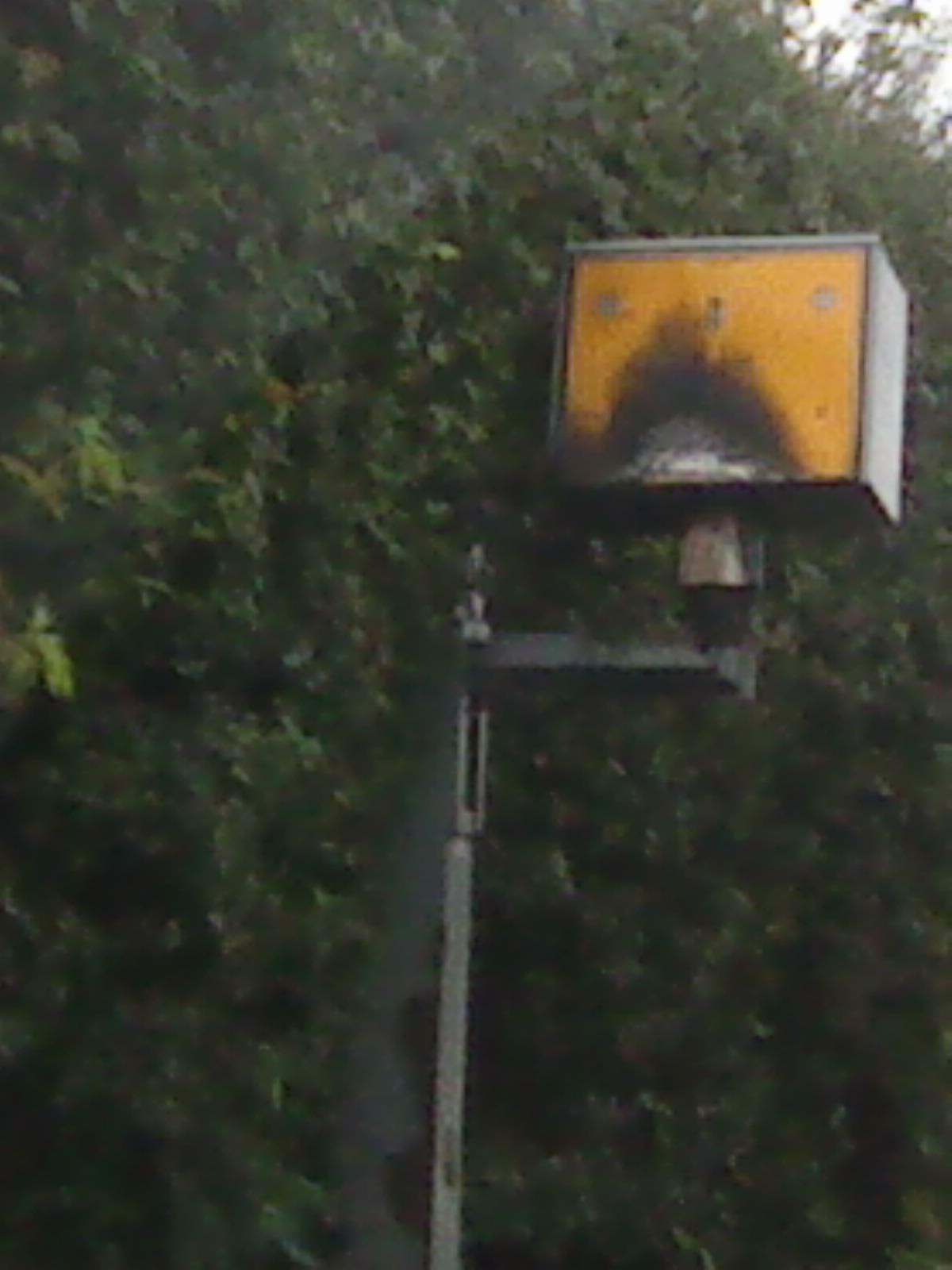
After detection, the registered keeper of the vehicle gets a Notice of Intended Prosecution, or NIP, in the post. The NIP is not a ticket itself. It is a request to confirm who was driving. You have 28 days to reply.
The 14 day rule for NIPs
The NIP must be served on the registered keeper within 14 days of the offence. In practice that means it must be posted in good time to arrive in the ordinary course of post within those 14 days. A NIP posted in time but simply delivered late is generally still valid; one that could not have arrived within 14 days can be challenged on technical grounds.
The NIP comes with a Section 172 form, which is the legal instrument that compels you to name the driver. Failing to name the driver is itself an offence and carries 6 points. Always reply within the 28 day window, even if you intend to dispute the offence later.
What happens after you name the driver
Once you confirm who was driving, the police decide on the next step based on the recorded speed, the speed limit, and the driver record. There are usually four outcomes.
- A speed awareness course offer, for low level speeding by drivers who have not done a course in three years.
- A Fixed Penalty Notice (FPN) of £100 and 3 points, for typical mid range speeds.
- A court summons, for higher speeds or repeat offending.
- No further action, for example if technical evidence is missing.
- Tickets per year
- ~2 millionMost via fixed/mobile cameras
- NIP must be served within
- 14 daysPosted to arrive within 14 days of the offence
- Section 172 reply window
- 28 daysMiss it = 6 points for failing to ID
- Standard FPN
- £100 + 3 ptsTypical mid-range speed
- Speed awareness course
- £90-£100One per 3 years, ~4 hrs online
- Insurance hike (1 SP30)
- +10-25%Young drivers, next renewal
The Fixed Penalty Notice
The standard fixed penalty for speeding is £100 plus 3 points. Faster speeds are not dealt with by a fixed penalty at all: they go to court, where magistrates can impose 4 to 6 points or a short ban under the sentencing bands. You can pay an FPN online with the offence reference number. The points appear on your licence record within a few weeks.
The speed awareness course
For speeds in the lower bracket of an offence, you may be offered a National Speed Awareness Course in place of points. Course thresholds vary by force, but a common rule is 10% of the limit plus 9 mph above the limit at the upper end. Below that range, you get the course offer; above it, you get points or court.
The course costs around £90 to £100, runs for around four hours, and is now mostly delivered online by accredited providers. You can only take one in any three year window. Most insurers do not surcharge for attending, although you should disclose it if asked.
When speeding goes to court
Higher speeds skip the FPN and go straight to a magistrates summons. The court bands are based on the recorded speed against the limit, in three categories.
- Band A: small overspeed, fine of around 50% of weekly income, plus 3 points.
- Band B: significant overspeed, fine of around 100% of weekly income, plus 4 to 6 points or a short ban.
- Band C: extreme overspeed, fine of around 150% of weekly income, plus a 7 to 56 day ban.
For example, a recorded speed of 100 mph in a 70 mph limit usually lands in band C and triggers an immediate ban. The court will also ask whether the offence is a first time or part of a pattern. Repeat offenders face longer bans.
Common myths
A few persistent myths cause expensive mistakes. None of them work in practice.
- There is no rule that says you can drive 10% over the limit safely. Tolerances are policy, not law.
- Cameras are not switched off at night. Most fixed Gatsos run 24 hours.
- Painting your number plate or fitting an angled cover is illegal and adds a separate offence.
- A photo without a face does not invalidate prosecution. The keeper duty under Section 172 covers it.
How to dispute a ticket
If you genuinely believe the ticket is wrong, write to the issuing police force within the deadline and state your grounds. Common grounds include incorrect registration on the NIP, faulty calibration of the camera, or that the road sign was missing or obscured. The force may either drop the case or refer it to court for a magistrate to decide.
How speeding tickets affect insurance
A single SP30 with 3 points typically raises a young driver premium by 10 to 25% at next renewal. Two SP30s in three years can push it 50% higher. A speed awareness course rarely raises the premium. Always declare points to your insurer when they appear on your licence, even mid policy. For wider context, see our licence points and disqualification guide and the young driver insurance UK page. The first month after passing page covers the most common first year mistakes that lead to a ticket.
Sources and further reading
The figures, fees, and procedures referenced in this article are verifiable on the official gov.uk pages below. PassRates.uk is built on the Driver and Vehicle Standards Agency’s open data, published under the Open Government Licence.
What is the pass rate at your test centre?
Search by centre name, town or postcode to see the latest DVSA figure.
Frequently asked questions
How long does the NIP take to arrive?
It must be served within 14 days of the offence, meaning posted in good time to arrive in the ordinary course of post within that window. Most arrive within 7 to 10 days. If you got a flash from a Gatso, watch the post for two weeks.
Can I take a speed awareness course twice?
No. You can only take one course every three years. After that, the next offence must be dealt with by FPN or court.
Will a course show on my insurance record?
It does not appear on your licence and most insurers do not ask about it. A few specifically ask, in which case you must disclose it honestly.
What is the maximum speeding fine?
A magistrates court can fine up to £1,000 for a non-motorway offence and £2,500 for a motorway offence. Sentencing usually runs as a percentage of weekly income.
What if I was not the driver?
On the Section 172 form you can name the actual driver. The NIP is then re-issued to that person. Trying to hide the identity is itself a 6 point offence.
Do I have to pay before the points come off?
Yes, you must pay the FPN within the deadline (usually 28 days). Failure to pay leads to court action and a higher fine.
Every candidate behind these numbers passed a theory test first. Nationally 44.8% of attempts clear it.
What to do at the scene, first aid basics and breakdown procedure. All 14 DVSA topics are free to practise, with no sign up. See the theory pass rate by centre or the full practice hub.
Related guides
Written by Vikas Dulgunde, the software engineer and driving enthusiast behind PassRates.uk. The figures come straight from the DVSA open dataset; see the methodology.
Source DVSA, Open Government Licence v3.0
Continue reading
The UK drink drive limit in 2026 is 80mg of blood or 35µg of breath, with a stricter 50mg in Scotland. How breath, blood and urine tests work, plus penalties.
UK penalty points explained: 12-point totting up over 3 years, the 6-point new driver rule, what happens at a court ban hearing, and exceptional hardship pleas.