Driving Test Morning Routine: 4-Hour Pre-Test Plan
How you spend the four hours before a UK driving test matters more than learners expect. A calm, rehearsed morning gives the examiner an alert candidate, not someone on adrenaline and a missed breakfast.
The night before sets the morning
A good test-day morning starts the evening before. Lay out your provisional licence, glasses if you wear them, payment confirmation and a bottle of water. Charge your phone. Check the test centre address one last time and look at the route on a map so nothing about getting there is a fresh decision in the morning. Aim for seven to eight hours of sleep. If you struggle to drop off, avoid screens for the last hour and read something dull. Our driving test day checklist covers the full list of items to prepare.
Pick your clothes the night before too. Comfortable shoes with a thin sole help you feel the pedals, and a layer you can take off matters because test centre cars are often warmer than the outside air. None of this is glamorous, but a morning without small decisions is a morning where your brain has more space for the test itself.
Wake up with time to spare
Set your alarm to give yourself at least three hours before the test. That sounds excessive, but it covers a slow breakfast, a warm-up drive, parking and the inevitable five-minute panic when you cannot find something. If your test is at 8:10 in the morning, that means a 5:00 wake-up. Painful, but better than rushing.
Get up the first time the alarm goes. Hitting snooze for half an hour leaves you groggy. Open a window or step outside for thirty seconds. Cold air on the face wakes the brain faster than coffee.
Breakfast that actually helps
Eat something with slow-release energy: porridge, eggs on toast, banana with peanut butter. Avoid heavy fried food, which makes you sluggish, and avoid skipping breakfast entirely, which leaves your blood sugar low and your hands shaky. Hunger is not the kind of nerves you want.
On caffeine, do what you normally do. If you usually have a coffee, have one. If you do not, this is not the morning to start. Untested caffeine on a nervous stomach is a recipe for a wobbly first ten minutes. Keep a glass of water with breakfast and one for the road.
The warm-up drive
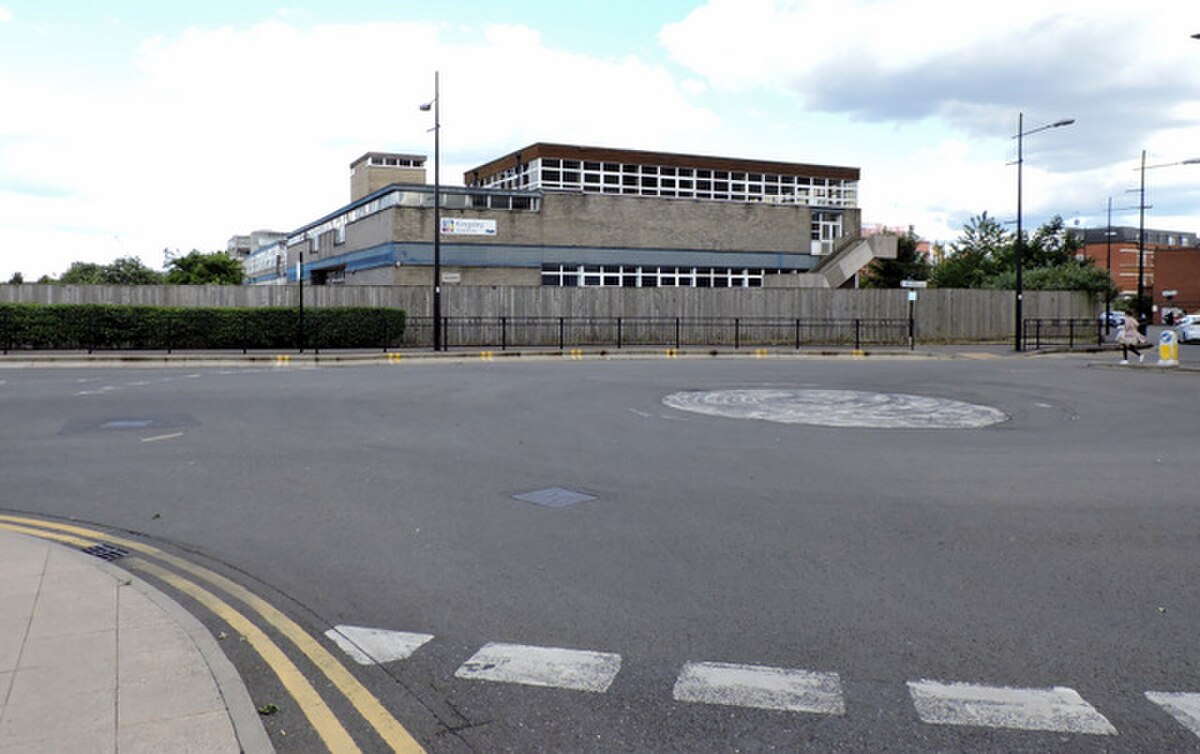
If you have access to a car before the test, even thirty minutes of driving is the single best thing you can do. A short loop around your local area gets your hands and feet talking to each other again, lets you check that the mirrors and seat are right, and burns off the worst of the adrenaline.
Most learners take a lesson with their instructor immediately before the test. That is ideal because the car you warm up in is the car you take the test in. Use the lesson to drill the manoeuvres your instructor knows you find hardest, not the ones you are already comfortable with.
Final paperwork and bag check
Forgetting your licence will end the test before it starts and you will lose the fee. Put the licence in your jacket pocket the night before, then check it again before you leave. If you wear glasses for driving, take a backup pair if you have them. The eyesight test happens at 20 metres on the centre forecourt, so contacts must be in before you arrive.
Arrival and the waiting room
Aim to arrive ten to fifteen minutes before your slot. Earlier than that and you sit getting more nervous in the waiting area. Later than that and you risk a rushed handover with no time to use the loo. Most test centres have basic facilities and limited parking. If yours is in a town centre, allow extra for traffic. Our arriving at test centre tips goes deeper on parking and the first few minutes.
When you sit in the waiting room, breathe. Four seconds in through the nose, six out through the mouth, repeated five times. This activates the calming branch of your nervous system and noticeably slows your heart rate. If your hands are shaking, shake them out hard for ten seconds. Movement burns adrenaline.
When the examiner appears
The examiner will call your name, check your licence and ask you to read the declaration. Walk to the car at your normal pace, not a sprint. Do the eyesight check first, then a show me tell me question, then settle into the car: seat, mirrors, seatbelt, doors, handbrake. Take the full thirty seconds you need. Examiners do not penalise a careful setup.
Treat the first five minutes as a continuation of your warm-up drive. The examiner is not trying to trip you up. They want to see safe, controlled driving. Drive the way you have been driving in lessons. For more on managing the actual hour behind the wheel, our driving test on test day guide covers the test itself in detail.
If something goes wrong before you start
Flat battery, instructor late, traffic on the way: it happens. Phone the test centre as soon as you know there is a problem. If you are within ten minutes of your slot they may still let you take the test. If not, you can apply for a refund or a free rebook only if the cause was outside your control, which usually means weather or DVSA error rather than personal disorganisation. Read our guide on test-day cancellation rules for what counts.
And if nerves are the problem rather than logistics, slow down. A few deep breaths in the car park before the examiner appears is not weakness, it is preparation. Have a look at our driving test anxiety tips the day before for techniques you can use on the morning.
Sources and further reading
The figures, fees, and procedures referenced in this article are verifiable on the official gov.uk pages below. PassRates.uk is built on the Driver and Vehicle Standards Agency’s open data, published under the Open Government Licence.
What is the pass rate at your test centre?
Search by centre name, town or postcode to see the latest DVSA figure.
Frequently asked questions
How early should I wake up on test day?
At least three hours before your slot. That gives you time for breakfast, a warm-up drive, the journey to the centre and a buffer for things going slightly wrong. Aim to arrive ten to fifteen minutes before your test time.
Should I have a lesson before the test?
A short lesson immediately before the test is the gold standard. Forty-five minutes of driving in the test car settles nerves, lets you drill weak manoeuvres and means your hands and feet are warm when the examiner gets in.
Can I eat a big breakfast before my test?
Eat a normal-sized breakfast with slow-release carbohydrates such as porridge, eggs on toast or a banana with peanut butter. Avoid heavy fried food and avoid skipping breakfast entirely, which leaves your hands shaky and your concentration poor.
What if I forget my provisional licence?
The test will be cancelled and you will lose the fee. Put the licence in your jacket pocket the night before and check it again before you leave home. There is no provision for forgetting it on the day.
Should I drink coffee before the test?
Only if you usually drink it. The morning of your test is not the time to start. Stick to your normal routine and add an extra glass of water. Caffeine on a nervous empty stomach can make you jittery and worsen the shaking hands most learners get.
How do I stop my hands shaking in the waiting room?
Box breathing helps: four seconds in, four hold, four out, four hold, repeated five times. Shake your hands out vigorously for ten seconds to burn off adrenaline. Both work in under two minutes and are quiet enough to do in the waiting area.
Related guides
Written by Vikas Dulgunde, the software engineer and driving enthusiast behind PassRates.uk. The figures come straight from the DVSA open dataset; see the methodology.
Source DVSA, Open Government Licence v3.0
Continue reading
How to arrive at a UK driving test centre: where to park, what to bring, and the 10 calm minutes before the examiner calls your name to set the right tone.
UK dash cam rules: legal across the UK, where to mount, when footage helps with claims and police, and the GDPR privacy duties for an £80 to £200 setup.