UK Automatic Licence: 7 Rules + How to Upgrade (2026)
A UK automatic-only licence is a full licence with one strict catch: you cannot legally drive a manual on public roads, ever. Here is what that means in practice and when an upgrade pays off.
What an automatic licence actually is
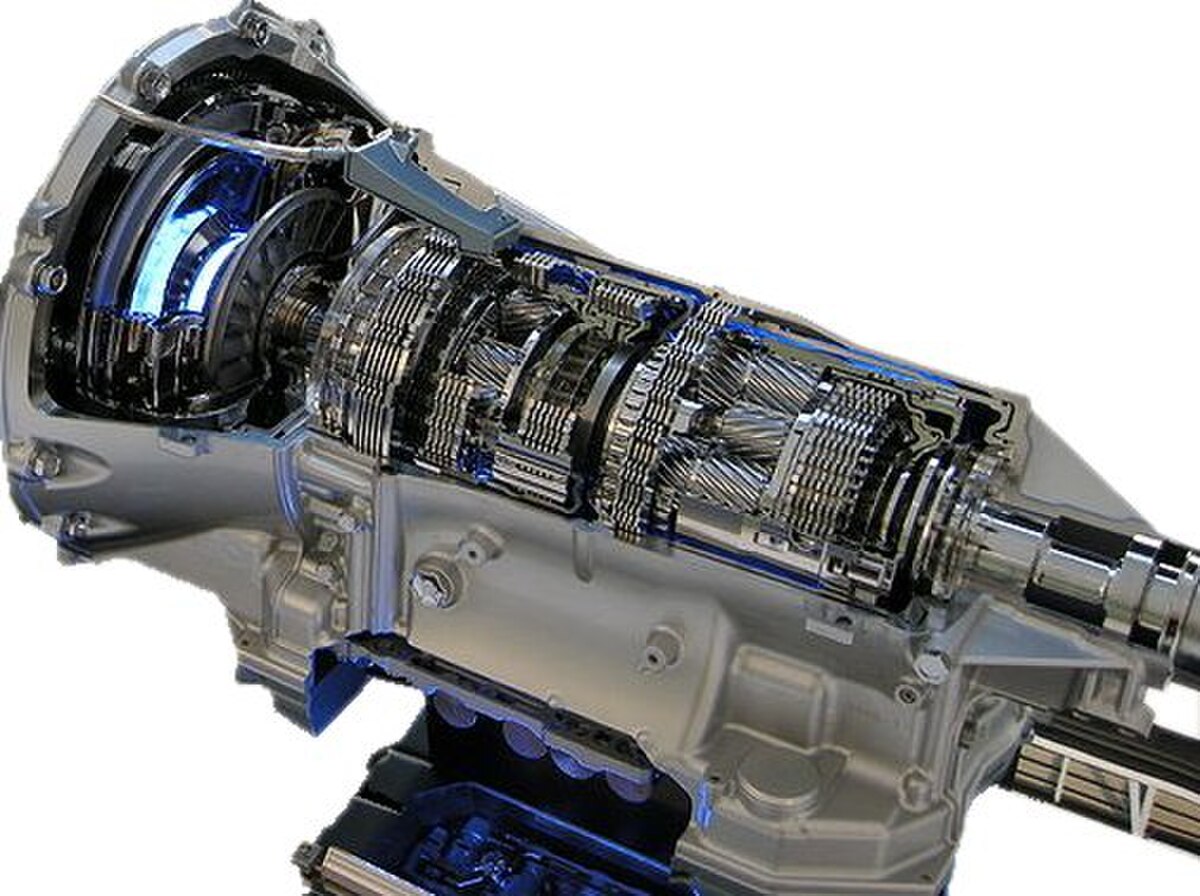
When you pass your UK driving test in an automatic car, the DVSA issues you a category B licence with code 78 added to it. The 78 code is the restriction. It says, in effect, that the holder is licensed to drive vehicles with automatic transmission only. Without that code, your category B licence covers both manual and automatic. With it, you are limited to autos.
The licence is otherwise identical. You can drive any normal car, hire abroad, tow within the standard B limits, and use it as ID where photographic ID is accepted. You took the same theory test, the same hazard perception, the same practical with the same examiner using the same marking sheet. The only difference is the gearbox of the test car.
For drivers buying or leasing a new car today, the restriction matters less than it did a decade ago. The vast majority of new cars sold in the UK now have automatic gearboxes by default, especially anything electric or hybrid. If your driving life will be inside a modern car, you may never bump into the restriction at all.
Where the restriction bites
There are five places the automatic-only licence trips people up. Insurance hire abroad on holiday, where small or rural rentals are often manual. Borrowing a friend or family member's car on a one-off basis. Driving for a job that has supplied a manual van or pool car. Renting a removal van for a house move, where most cheaper hire vehicles are still manual. And, less often, driving in an emergency where the only available car is a manual.
In all of those situations, driving a manual on your auto-only licence is not just a polite breach. It is driving otherwise than in accordance with your licence, which voids your insurance and counts as an offence under the Road Traffic Act. If something goes wrong, you are uninsured and the legal consequences are real. Our licence points and disqualification page covers what that costs.
Why people choose to take an automatic test
There are good reasons to learn in an auto. The two most common are speed and stress. Without a clutch to manage, most learners reach test standard several lessons sooner. The cognitive load on test day is lower, which can lift first-time pass rates. For learners who have struggled with manual coordination after many lessons, switching to automatic often turns months of frustration into a pass within weeks.
There is also the medical case. Drivers with mobility issues affecting the left leg, certain forms of arthritis, or specific neurological conditions may find a manual physically unmanageable. An automatic licence is the obvious answer.
And then there is the future-proofing argument. Every electric car ever built is automatic. The UK new-car market is already past 80 percent automatic and the trend is one-directional. Younger drivers learning today have a stronger claim than ever to skip the clutch entirely.
For a deeper comparison of the trade-offs, the automatic vs manual guide covers the test itself in detail, and the how many lessons guide gives realistic numbers for both.
Upgrading to a full manual licence later
You are not stuck with an auto-only licence forever. The path to upgrading is clear. You take a separate practical driving test in a manual car, pass it, and the 78 restriction is removed from your licence. Your theory test does not need to be retaken. The hazard perception does not need to be retaken. Only the practical, in a manual car.
- Restriction code
- 78Added to category B
- UK new-car market auto
- >80%Trend is one-directional
- Upgrade lessons
- 6-10 hrsClutch, gears, hill starts
- Upgrade total cost
- £300-£500Lessons + practical fee
- Theory test on upgrade
- Not neededOnly the practical
- Supervisor rule
- 21+, 3 yrsFull manual licence
You can practise in a manual at any time as long as you have a supervising driver who meets the rules: over 21 with a full manual licence held for at least three years, sat next to you, with L plates on the car. In effect, you become a learner again for the purposes of practising the manual elements, but you keep your full auto licence to drive automatic cars unsupervised in the meantime.
How many extra lessons do you need? For someone already comfortable on the road, the answer is usually six to ten lessons of one hour, focused entirely on clutch control, gear changes and hill starts. The rest of your driving knowledge transfers across.
When the upgrade makes sense and when it does not
The upgrade is worth it if you regularly hire cars abroad in countries where manual is still the default, drive for a job that supplies manual vehicles, expect to share a manual family car for years, or simply want the optionality. The cost of an upgrade test plus a handful of lessons is roughly £300 to £500 all in.
It is probably not worth it if you live entirely inside a modern automatic or electric vehicle, do not hire cars in manual-heavy countries, and do not see your driving needs changing. Plenty of UK drivers go their whole lives on an auto licence with zero practical impact.
For broader context on which licence type to start with, the main pass guide and the city pages for your local area give a sense of what local instructors offer. The first month after passing page covers the new-driver rules that apply regardless of gearbox.
Sources and further reading
The figures, fees, and procedures referenced in this article are verifiable on the official gov.uk pages below. PassRates.uk is built on the Driver and Vehicle Standards Agency’s open data, published under the Open Government Licence.
What is the pass rate at your test centre?
Search by centre name, town or postcode to see the latest DVSA figure.
Frequently asked questions
Can I drive a manual car on my automatic licence in any circumstances?
No. The 78 restriction is absolute. Driving a manual on an auto-only licence voids your insurance and counts as driving otherwise than in accordance with your licence, even in an emergency.
Do I have to retake the theory test to upgrade to manual?
No. Only the practical test needs to be taken again, this time in a manual car. Your theory test pass remains valid and is reused.
How long does it take to upgrade from automatic to manual?
Most full auto-licence holders need six to ten hours of manual lessons before they are test-ready, though it varies by individual. The upgrade test is identical to the standard manual practical.
Will my insurance be cheaper with an automatic licence?
Insurance pricing depends on the car, not the licence type. Premiums for auto cars are sometimes higher because the vehicles tend to be newer and more expensive, but that is a car effect not a licence effect.
Can I drive an electric car on an automatic licence?
Yes. All electric cars are classed as automatic for licensing purposes, so an auto-only licence covers every EV on sale.
Is the automatic test easier to pass than manual?
Counter-intuitively, no. Automatic tests run a few points lower than manual nationally (around 43 percent versus 48 percent), because the automatic candidate pool skews towards learners who found the clutch a barrier, older retest candidates and anxious drivers. The route, examiner standards and faults checked are identical; the gearbox itself is not what moves the pass rate.
Related guides
Written by Vikas Dulgunde, the software engineer and driving enthusiast behind PassRates.uk. The figures come straight from the DVSA open dataset; see the methodology.
Source DVSA, Open Government Licence v3.0
Continue reading
UK B+E trailer entitlement after the December 2021 rule change: who has it, what towing a trailer up to 3,500 kg covers and the optional voluntary test.
How to pick a JAUPT-approved UK HGV training school: course length, vehicles, pricing (£2,500-£3,500), accommodation and pass rates.