Choosing a Motorcycle Test Bike: A2 vs A (UK 2026)
Your test bike changes the difficulty of every manoeuvre. DVSA sets minimum specs by category; within those, the right bike depends on your size, experience and target licence.
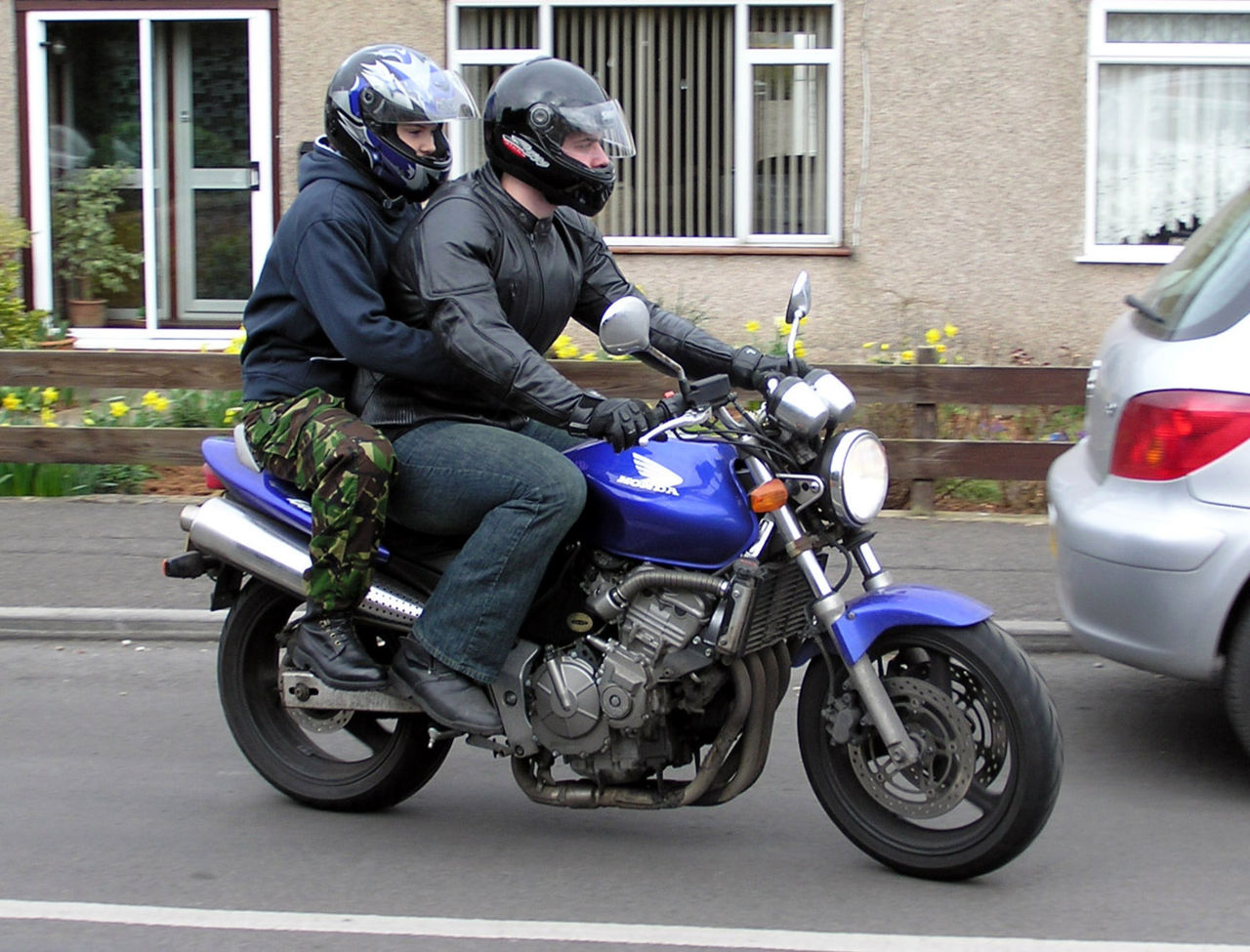
The DVSA spec requirements
The DVSA sets minimum spec rules for the bike you take Mod 1 and Mod 2 on. The rules differ by licence category:
- A1: bike up to 125cc, maximum 11kW power, power-to-weight ratio not exceeding 0.1 kW/kg
- A2: bike with at least 245cc engine and at least 20kW power, restricted to 35kW maximum
- A: bike with at least 595cc engine, at least 50kW power, no upper restriction
These are minimums. You can take A on a 1300cc Hayabusa if you really want, but in practice the smaller end of the range is much easier for the test manoeuvres. Almost every training school uses bikes that just clear the minimum spec for that exact reason.
Typical school test bikes
The most common bikes used by UK training schools for each category:
- A1: Honda CBF125, Yamaha YBR125, Suzuki GSX-R125. Light, easy, predictable
- A2: Yamaha MT-07 (restricted), Kawasaki Z650 (restricted), Honda CB500F. Naked, upright, manageable
- A: Yamaha MT-07 (full power), Kawasaki Z650, Honda CB650R. Same bikes as A2 but unrestricted, or slightly bigger
You will notice the A2 and A bikes are often the same machines, with the only difference being whether the restriction kit is fitted. This is deliberate: it means a candidate who passes A2 on a Yamaha MT-07 can step up to the unrestricted version for A and have minimal new bike learning to do. Our A1, A2, A licence ladder explains which bike is required at each step.
Naked or faired?
Almost all UK test bikes are naked (no fairing). Naked bikes have an upright riding position, light steering at low speed, and clear sightlines for shoulder checks. Faired sports bikes (Yamaha R6, Kawasaki Ninja 650) are theoretically eligible but rarely used because the forward riding position makes the slow ride and U-turn harder.
If you have a strong preference for a faired bike, ask the school whether they offer one. A few do, particularly for candidates who own their own faired bike and want to test on it.
Bike weight and handling
Within the A2 and A categories, weight varies by 30 to 40 kg between the lightest and heaviest popular test bikes. That difference is huge at U-turn and figure of eight speeds. The general rule: lighter is easier for Mod 1.
Seat height and rider fit
Seat height matters more than people expect. If you cannot get both feet flat on the floor at a stop, you will struggle with the slow manoeuvres and any junction stops on Mod 2. Riders under 5ft 6in often need to specifically request a low-seat option.
Most A2/A test bikes have seat heights between 800 and 840 mm. The Yamaha MT-07 is among the lowest at 805 mm. The Honda CB650R is taller at 810 mm. The Kawasaki Z650 sits at 790 mm. Confirm seat height before booking your training course.
Hire costs
When you book training, the bike hire is included in the package price. When you take the test, the bike hire and instructor presence on test day is usually a separate line item. Typical costs:
- A1 test bike hire: £80 to £120 for the test day
- A2 test bike hire: £130 to £180
- A test bike hire: £150 to £200
- Mod 1 and Mod 2 separately: each test day is its own hire fee
Using your own bike
You can take Mod 1 and Mod 2 on your own bike provided it meets the spec for the licence category and is fully insured. The catch: you also need an instructor present on test day for legal road riding to the MPTC, unless you already hold a road-legal licence that covers the test bike size.
Most candidates use the school bike because it removes the logistics. Insurance, fuel, breakdown cover and bike condition are all the school is responsibility. If you have just bought a new bike and want to test on it, double-check the spec against the DVSA requirements before assuming.
Bike differences for Mod 1
The Mod 1 manoeuvres are layout-fixed but the bike difficulty varies a lot:
- Slow ride: heavier bikes need more clutch slip, lighter bikes are easier
- Slalom: lighter bikes flick more readily, heavier bikes need more committed body movement
- Figure of eight: weight matters most here, heavier bikes need wider arcs
- U-turn: turning circle dominates, more relevant than weight in many cases
- Emergency stop and hazard avoidance: bigger bikes brake better but have more inertia, roughly even
For the manoeuvre-by-manoeuvre detail, the Mod 1 manoeuvres guide, the figure of eight guide and the U-turn guide cover what each manoeuvre demands.
Bike for Mod 2
You should take Mod 2 on the same bike you took Mod 1 on, if at all possible. The road test rewards familiarity. A candidate who has done two months of training on an MT-07 will be more confident on Mod 2 with the same machine than swapping to a different model just for the test.
Some schools offer bike upgrades between Mod 1 and Mod 2 (e.g. Taking Mod 1 on a small CB500F and Mod 2 on a CB650R). This is usually a marketing move rather than a real benefit. Stick with the bike you trained on. Our choosing a motorcycle training school guide covers what to ask before you book.
Practical advice
When you book a training course, ask the school these questions:
- Which exact bike will I be using for Mod 1 and Mod 2?
- What is the seat height? Can I sit on it before the course starts?
- Is the bike DVSA spec-compliant for the category I am taking?
- What is the test day bike hire fee?
- If I struggle with the school bike, can I switch?
The bike is your most important tool on test day. A confident rider on a familiar machine has a meaningful pass rate advantage over a nervous rider on an unfamiliar one. Practising 15 hours on the school bike is usually a much smarter investment than agonising over which model to choose.
Sources and further reading
The figures, fees, and procedures referenced in this article are verifiable on the official gov.uk pages below. PassRates.uk is built on the Driver and Vehicle Standards Agency’s open data, published under the Open Government Licence.
What is the pass rate at your test centre?
Search by centre name, town or postcode to see the latest DVSA figure.
Frequently asked questions
What size bike do I need for the A2 test?
At least 245cc engine and at least 20kW power, with a maximum of 35kW. Most schools use a Yamaha MT-07, Kawasaki Z650 or Honda CB500F restricted to A2 spec.
What size bike do I need for the A direct access test?
At least 595cc engine and at least 50kW power. Common choices are the Yamaha MT-07, Kawasaki Z650, Honda CB650R or Suzuki SV650.
Can I take Mod 1 on a 125 if I am over 19?
Only if you are taking the A1 licence test. For A2 you need a 35kW bike, for A you need at least a 595cc bike. The bike must match the licence category, not your age.
How much does test day bike hire cost?
Around £130 to £200 for an A2 or A test bike, depending on the school. The fee usually covers the bike, fuel, insurance and the instructor present on test day.
Can I take the test on my own bike?
Yes, provided the bike meets the DVSA spec for the licence category and is fully insured. Most candidates use the school bike for convenience.
Is a heavier or lighter bike easier for Mod 1?
Lighter is easier for Mod 1, particularly the U-turn, slow ride and figure of eight. Heavier bikes are not impossible but need more clutch slip and committed technique.
Should I switch bikes between Mod 1 and Mod 2?
No. Stick with the same bike you trained and tested on. Familiarity matters more than spec on Mod 2.
Every candidate behind these numbers passed a theory test first. Nationally 44.8% of attempts clear it.
Control in different weather, road surfaces, gradients and at night. All 14 DVSA topics are free to practise, with no sign up. See the theory pass rate by centre or the full practice hub.
Related guides
- Licences, bikes and trainingUK Motorcycle LicencesRead guide
- Licences, bikes and trainingBike Licence CategoriesRead guide
- Licences, bikes and trainingChoosing Bike SchoolRead guide
- Licences, bikes and trainingTwo-Up After Mod 2Read guide
- Module 1 (off-road)Mod 1 ExplainedRead guide
- Module 1 (off-road)Mod 1 Pass RatesRead guide
Written by Vikas Dulgunde, the software engineer and driving enthusiast behind PassRates.uk. The figures come straight from the DVSA open dataset; see the methodology.
Source DVSA, Open Government Licence v3.0
Continue reading
UK Motorcycle Module 2 in 2026: 40-minute on-road test, examiner radio, eyesight check, fees, manoeuvres and what really gets marked on the route.
UK motorcycle licences: AM, A1, A2 and full A. Age thresholds from 16, power limits 11kW to unrestricted, fastest legal progression for your age in 2026.