Motorcycle Mod 2 Test Explained: 40 Minutes On-Road (2026)
Module 2 is the on-road half of the bike test, around 40 minutes following an examiner on radio through real traffic. The format is predictable and the marking is fair if you know what they look at.
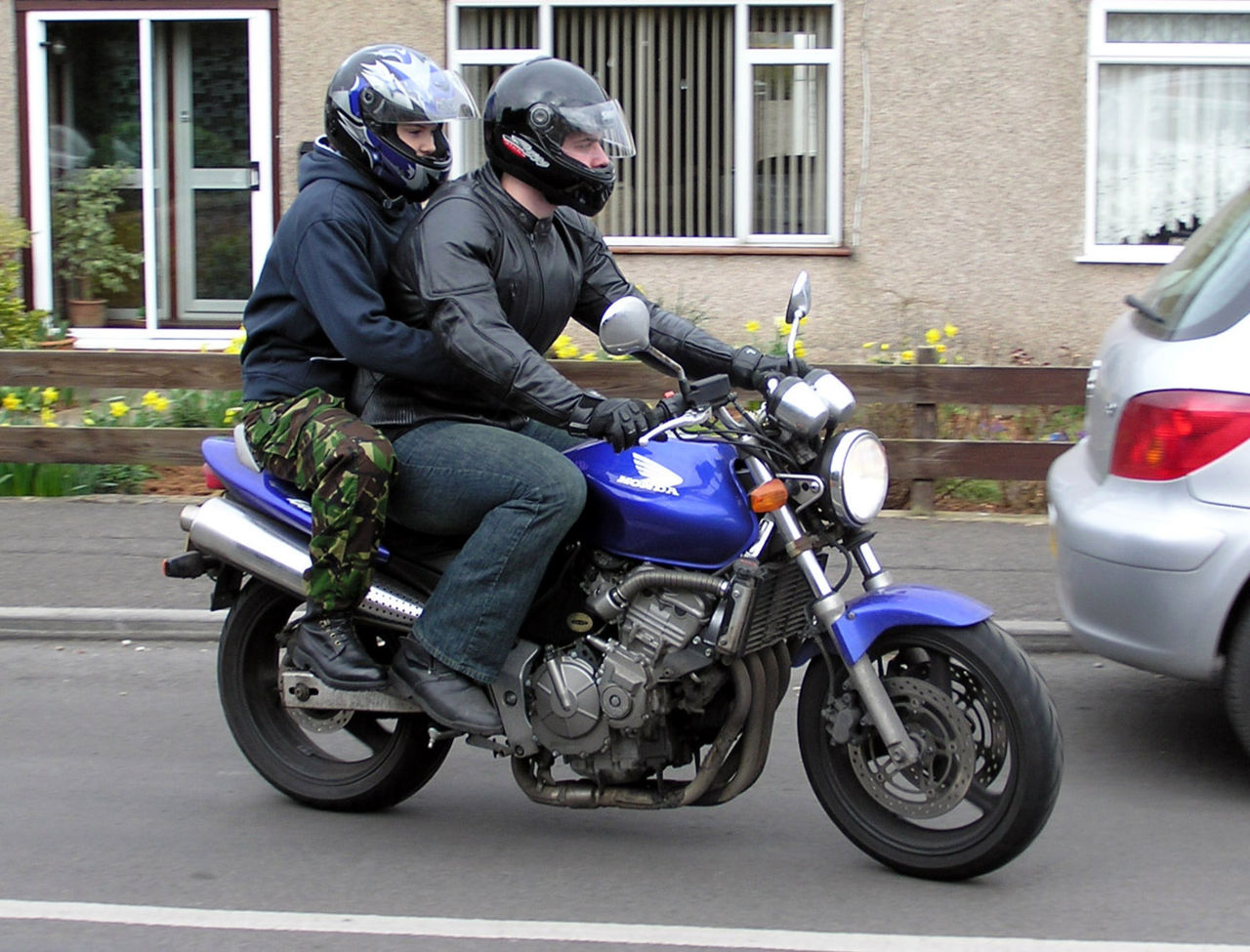
What Module 2 actually is
Module 2 is the on-road half of the UK motorcycle practical test. You only get to it after passing Module 1, the off-road manoeuvres test in a closed pad. Module 2 is where the examiner watches you ride a real route in real traffic for around forty minutes. The fee is currently 75 pounds for a weekday slot and 88 pounds 50 for evening or weekend tests, set by the DVSA. That is a touch higher than the car test fee, and refunds work the same way: cancel inside three working days and you lose the lot.
Module 2 is the same examiner-led format whether you are sitting your A1, A2 or full A licence. The bike you ride must meet the minimum spec for your category, but the test itself does not change. The pass rate sits broadly in line with the car test pass rate, though it varies a lot more by centre and by category, with A2 tests on a 47 brake horsepower bike often noticeably easier than full A on a litre bike.
How the test is structured
You arrive at the centre, show your documents, and the examiner does the eyesight check on the spot. You read a number plate from 20 metres (or 20.5 metres if the car has an old-style pre-2001 plate, though this is rare at modern test centres). The standard is the same as the car eyesight check. If you wear glasses or contacts on the day, you must wear them for the test. Failing the eyesight check ends the test before it starts.
After eyesight, the examiner asks you two show-me, tell-me questions about the bike. One is asked at the centre before you ride off, the other while you are stopped at some point during the ride. Get one wrong and that is one minor fault. Get both wrong and that is one minor fault still, not two. The questions are bike-specific, so chain tension and tyre pressures rather than wipers and washer fluid. The full list is in the show-me tell-me guide.
Then you ride. The examiner follows on their own bike, in radio contact with you through a headset they fit before you set off. They give directions through the headset, and they can also see your every road position, head movement and signal from a few bike lengths back. The first ten to fifteen minutes is normal urban riding. Then a stretch of independent riding, where they tell you to follow signs to a destination or a series of road signs without further turn-by-turn instruction. Then a section that includes a higher speed road, often a dual carriageway. Then back to the centre.
The manoeuvres they will ask for
During Module 2 the examiner asks you to carry out a manoeuvre on the road, most commonly a U-turn, and may ask you to make a controlled stop or a hill start where the road allows. The bike test does not include parallel parking or bay parking, since these are basically meaningless on a bike.
The U-turn is the manoeuvre most candidates fear. It is also where the lifesaver checks matter most. Examiner radios are clear: a missed lifesaver before swinging the bike across both lanes is almost always a serious fault. Slow, controlled clutch work is what keeps it tidy: if your bike is wobbling you are not slipping the clutch enough and you need a touch more rear brake to stabilise.
What gets marked and how
The marking sheet is similar in shape to the car test but the fault allowance is tighter. Up to 10 minor faults is a pass. One serious or one dangerous fault is a fail. Repeated minors of the same type can be aggregated into a serious. The categories that catch most bike candidates are observation at junctions, lifesaver checks, road position, and speed control. The faults explained guide has the general structure, but the bike-specific patterns are different from the car test.
Lifesaver checks are unique to bike tests. A lifesaver is a final shoulder check before any manoeuvre that might put you in conflict with traffic behind or alongside, including pulling out, changing lanes, U-turning, and turning right at junctions. They have to be obvious. Examiners want to see your helmet move clearly. A glance is not enough on a Module 2.
After the test
You ride back to the centre and park up. The examiner takes the radio off you, sits you down, and runs through the marking sheet item by item. If you passed they hand you the pass certificate. If you failed they explain exactly which fault triggered it, which is genuinely useful for the retake. You can book a retake the next day, with at least ten working days clear before the slot.
How Mod 2 differs from the car practical
The big differences for someone who has already taken a car test: there is no examiner sitting next to you, the radio adds a layer of awkwardness, you are visibly being watched at every moment, and the manoeuvre menu is shorter but trickier on a bike. The independent ride is the same idea as on the car test, but the navigation is harder because you cannot glance at a sat nav screen safely while moving. The full comparison is in the Mod 2 versus car test breakdown.
Sources and further reading
The figures, fees, and procedures referenced in this article are verifiable on the official gov.uk pages below. PassRates.uk is built on the Driver and Vehicle Standards Agency’s open data, published under the Open Government Licence.
What is the pass rate at your test centre?
Search by centre name, town or postcode to see the latest DVSA figure.
Frequently asked questions
How long does the Module 2 test take?
The on-road riding portion is around forty minutes. Add another ten to fifteen minutes for the eyesight check, the show-me tell-me questions, fitting the radio headset, and the debrief at the end. So allow an hour at the centre overall.
How much does the Module 2 test cost?
The DVSA fee is 75 pounds for a weekday slot and 88 pounds 50 for evening or weekend tests. That is just the test fee. Bike hire from a training school will add to that, often 90 to 150 pounds depending on the school.
What happens if I fail Module 2?
You can book a retake the next day, but the earliest available slot will be at least ten working days away. You pay the test fee again. Your Module 1 pass remains valid and you do not need to retake it as long as you pass Mod 2 within two years.
Does the examiner ride behind me on a bike?
Yes. The examiner follows on a second motorcycle, usually a few bike lengths back, talking to you through a radio headset. They can see your road position, head checks and signals from that distance.
Can I take Module 2 on an automatic bike?
Yes, but if you pass on an automatic you only get an automatic-restricted licence. Most candidates take the test on a manual to avoid the restriction.
Is the Module 2 pass rate published?
The DVSA publishes motorcycle test pass rates by centre and category. They are not as widely cited as car test rates, but you can find recent figures on the stats page. National Mod 2 pass rates tend to track car pass rates broadly, with more variance.
Every candidate behind these numbers passed a theory test first. Nationally 44.8% of attempts clear it.
Pedestrians, cyclists, horse riders and the 2022 hierarchy of road users. All 14 DVSA topics are free to practise, with no sign up. See the theory pass rate by centre or the full practice hub.
Related guides
Written by Vikas Dulgunde, the software engineer and driving enthusiast behind PassRates.uk. The figures come straight from the DVSA open dataset; see the methodology.
Source DVSA, Open Government Licence v3.0
Continue reading
How UK motorcycle Mod 2 pass rates differ by centre: quieter rural sites tend to pass higher than dense urban ones. Where the gap is, why, and how to use it.
Test bike specs for A2 vs A motorcycle tests, hire costs from £60, suitable school bikes and how to pick a machine for Mod 1 and Mod 2.