Pass Your Driving Test in Cambridge: 1 Centre, Cycle City
Cambridge has one of the densest UK cycle networks and one DVSA test centre. The practical demands confident handling of cycle lanes, shared-use paths and junctions not seen at other centres.
The test centre
Cambridge has one DVSA practical driving test centre, located at Nuffield Road in the Kings Hedges area of the city, postcode CB4 1GL. Routes from this centre cover the north and northeast of the city, residential streets in Arbury and Kings Hedges, the retail corridor along Newmarket Road, and arterial roads heading south towards Hills Road and Addenbrooke's Hospital for some routes. The Nuffield Road centre is purpose-built for testing, with straightforward parking and a short road exit onto the surrounding estate network.
Cycling infrastructure: the defining feature of Cambridge routes
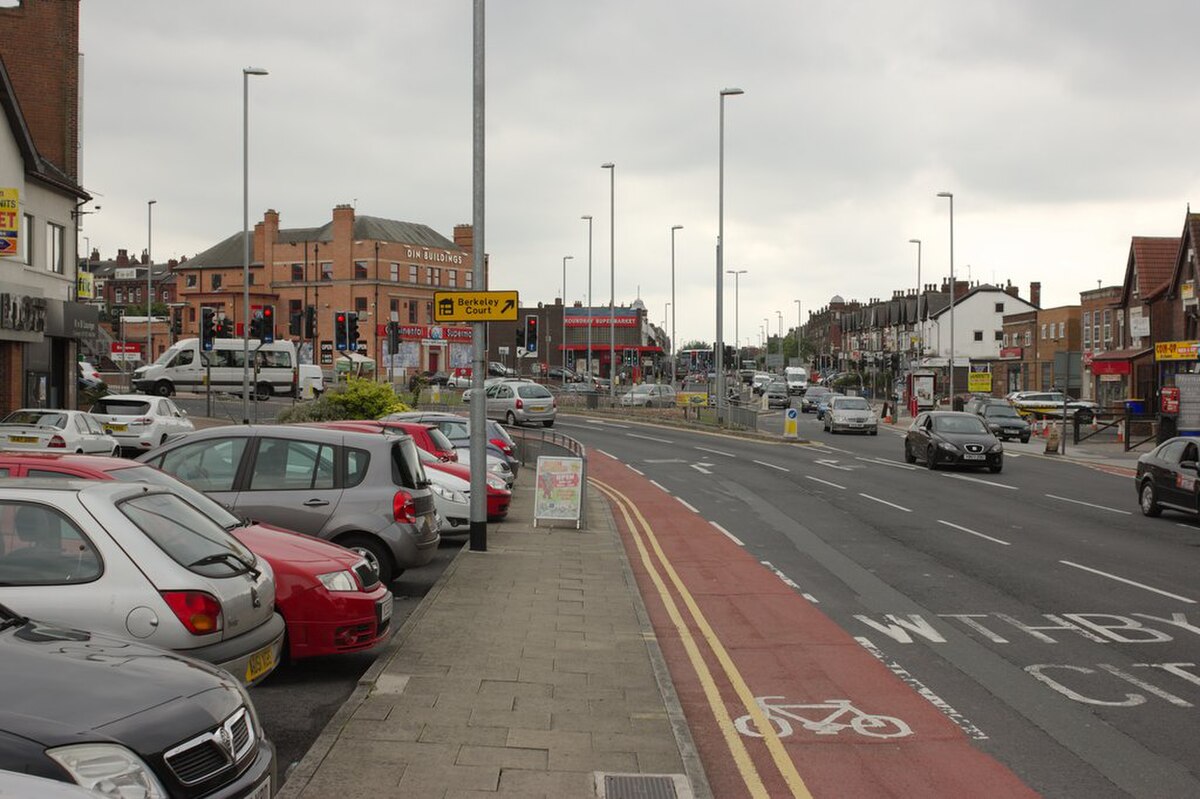
Cambridge consistently ranks as the most cycle-intensive city in the UK by proportion of trips made by bike. The test routes reflect this. Cycling features you will encounter on a Cambridge test that are rare elsewhere include:
- Advanced stop lines at signalised junctions, placing cyclists ahead of motor vehicles, which you must not enter during the red phase
- Separate signal phases for cyclists at busy junctions, requiring you to give way while waiting for your own green
- Contraflow cycle lanes on one-way streets, where cyclists approach from the opposite direction to motor traffic
- Shared pedestrian and cyclist paths at the edge of some roads, where cyclists can approach from either side
- Cycle-specific road markings in coloured surfacing that affects where you position your car
- High volumes of cyclists at all times including mid-morning and mid-afternoon, well above the national average
Giving way incorrectly at cyclist-priority junctions is one of the most frequently recorded serious faults at Cambridge. Driving test faults are categorised as minor, serious or dangerous, and a failure to give way to a cyclist with right of way is a serious or dangerous fault depending on the proximity.
Pass rates at Cambridge
Cambridge pass rates tend to run close to or slightly above the national average of around 48 percent. The city's flat terrain removes the hill-start complexity that drags down pass rates in cities like Bradford or Sheffield. Routes have a clear structure and mostly predictable road types, which rewards thorough preparation. The pass rate statistics guide explains how to read and compare centre-level data.
Key roads and junctions
Cambridge test routes typically include sections of:
- Huntingdon Road (A1307) heading northwest: a dual carriageway section with fast-moving traffic and lane-change requirements
- Hills Road heading south: a dual carriageway with a dedicated cycle superhighway alongside, requiring particular care when turning across the cycle path
- Elizabeth Way and Chiswick Road: a complex gyratory and roundabout combination that requires confident lane choice and early positioning
- Kings Hedges Road: a flat residential and retail corridor with high pedestrian and cyclist activity
- Newmarket Road: a multi-lane arterial with bus lanes and a bus gate requiring attention to signage
Common faults at Cambridge
Based on the general DVSA fault categories and the specific road environment, the areas where Cambridge candidates most commonly collect faults include:
- Failure to give way to cyclists at junctions with advanced stop lines or separate signal phases
- Entering bus lanes or bus gate sections without noticing the signage
- Hesitation at the Elizabeth Way gyratory due to uncertain lane choice
- Speed in 20 mph zones across the residential streets around Kings Hedges and Arbury
- Positioning when passing cyclists on Hills Road and Huntingdon Road, where the 1.5-metre clearance requirement is tested regularly
How to prepare for Cambridge routes
Preparation for Cambridge should give specific attention to cycling interactions rather than just general road skills:
- Spend at least two lessons focused on cycling interactions: give-way at advanced stop lines, turning across cycle paths, and contraflow lanes on one-way streets
- Practise the Elizabeth Way gyratory from multiple approach directions until lane selection is automatic
- Drive Hills Road and Huntingdon Road in both directions to build familiarity with speed transitions and dual-carriageway lane use
- Learn to read cycle-specific traffic signals at junctions and understand which phases require you to wait
- Use a Cambridge-based instructor who knows the current routes and junction sequences from Nuffield Road
A mock test on Cambridge roads in the two weeks before your test will expose any remaining uncertainties about the local junctions. The driving test manoeuvres guide covers the standard manoeuvres that will be included regardless of route.
Booking your Cambridge test
Cambridge is a university city and demand increases significantly around September and October as new students arrive and settle in. Book through the DVSA online system as early as possible for these months. Weekday morning slots book up faster than afternoon or early evening. If you cannot find a suitable slot, the cancellation finder guide explains how to monitor for freed-up dates.
On test day in Cambridge
Arrive ten to fifteen minutes early at the Nuffield Road centre. Parking is available at the centre itself. Bring your photocard driving licence. The full test-day checklist applies here as at any other centre.
If your route takes you along Hills Road during the morning or afternoon commute window, the cycling volumes will be high. This is normal for Cambridge and your examiner expects you to manage it. Stay patient with cyclists, give them the space the Highway Code requires, and treat each interaction as a demonstration of your awareness rather than an obstacle to progress.
Sources and further reading
The figures, fees, and procedures referenced in this article are verifiable on the official gov.uk pages below. PassRates.uk is built on the Driver and Vehicle Standards Agency’s open data, published under the Open Government Licence.
What is the pass rate at your test centre?
Search by centre name, town or postcode to see the latest DVSA figure.
Frequently asked questions
Where is the Cambridge driving test centre?
The DVSA practical driving test centre in Cambridge is at Nuffield Road, Kings Hedges, Cambridge, CB4 1GL.
Is the Cambridge driving test hard?
Cambridge is considered moderately challenging due to its dense cycling infrastructure, contraflow cycle lanes and complex junctions such as the Elizabeth Way gyratory. The flat terrain means hill starts are not a factor, which keeps overall pass rates close to the national average of around 48 percent.
What is the biggest fault risk at Cambridge?
Cycling interactions. Cambridge has more cyclists per road user than almost any other UK city. Giving way correctly at advanced stop lines, separate signal phases, and contraflow lanes requires specific preparation that candidates from other parts of the UK may not have had.
Does Cambridge have motorway sections on test routes?
No. Cambridge routes use A-roads including dual-carriageway sections on Huntingdon Road and Hills Road, but the M11 motorway is not used on test routes.
Does Cambridge have more than one test centre?
No. Cambridge is served by a single DVSA practical driving test centre at Nuffield Road, CB4 1GL.
When are Cambridge test slots hardest to book?
September and October see high demand as university students arrive, and July and August are busy with school leavers. Book at least six to eight weeks in advance for these periods, or monitor for cancellations.
Every candidate behind these numbers passed a theory test first. Nationally 44.8% of attempts clear it.
Loads, roof racks, towing and keeping the vehicle stable and legal. All 14 DVSA topics are free to practise, with no sign up. See the theory pass rate by centre or the full practice hub.
Written by Vikas Dulgunde, the software engineer and driving enthusiast behind PassRates.uk. The figures come straight from the DVSA open dataset; see the methodology.
Source DVSA, Open Government Licence v3.0
Continue reading
New 2026 UK theory test questions: DVSA added cardiac arrest response and roadside first aid. What changed, why it was added, and how to revise around it.
Returning to UK driving after 5, 10 or 20 years off: licence validity, refresher lesson costs, the skills that need rebuilding, and how to get road-ready safely.