UK Driving Test Complaints: 14-Day Process and Outcomes
A driving test complaint, filed within 14 days and well documented, is taken seriously by the DVSA. The route differs from a court appeal but the time limit and evidence rules are clear.
Complaint versus appeal: a key distinction
A complaint is about the conduct of the test or the examiner. An appeal is about the result. They go to different places and have different outcomes. Most concerns fall under complaint rather than appeal. Complaints are handled by DVSA. Appeals go to a magistrates court and are rare.
A successful complaint does not give you a pass. It may give you a free rebook, an apology, or in serious cases an investigation that leads to action against the examiner. A successful appeal can result in the original test being declared unfair, in which case you take a fresh test for free.
When complaining is appropriate
Genuine grounds include rude or threatening behaviour from the examiner, instructions given so late they caused a fault, refusal to explain marking, suspected discrimination, or a clear procedural error such as the test being shortened without good reason. None of these are common, but they do happen.
Not grounds for complaint: feeling nervous, disagreeing with a particular fault, the examiner being quiet, the route being harder than expected, or weather. Disagreeing with the examiner's judgement is not the same as the examiner being wrong. Examiners apply consistent national standards. Our examiner conduct rights guide explains what is and is not acceptable.
Time limits
Complaints to DVSA must be lodged within fourteen days of the test for them to investigate normally. Late complaints can still be considered but evidence becomes harder to verify after a few weeks. Appeals to a magistrates court must be filed within six months of the test under section 90 of the Road Traffic Offenders Act.
Do not delay if you have decided to complain. Memories fade and witnesses move on, so a clear written record made soon after the test is your strongest evidence. Filing within the first week gives the strongest chance of a thorough investigation.
How to file the complaint
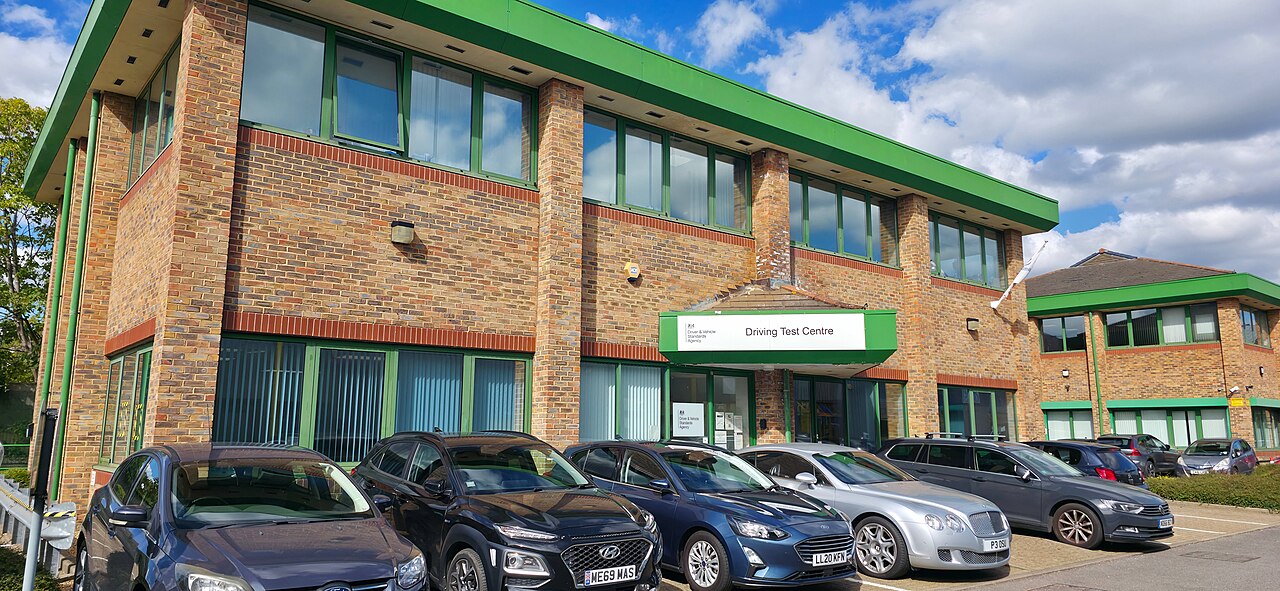
Complaints are submitted via the gov.uk online form or by writing to DVSA. The online form is faster and gives you a reference number for tracking. You will need your test booking reference, the date and centre, the examiner name (from the marking sheet) and a clear account of what happened.
Stick to facts. Avoid emotive language, blanket statements like "the examiner was a bully" or accusations you cannot support. Quote what was said as accurately as you remember. Note the marking sheet faults and explain why a specific fault is disputed if relevant.
Evidence that helps
The marking sheet itself is evidence. Keep your copy. If your instructor was in the car, ask them to write a short statement of what they observed. The DVSA investigates complaints using the examiner notes and the account you and your accompanier can give, so a clear, specific written record helps.
If the complaint is about a fault you dispute, prepare a clear explanation of what you did and why it was correct under the Highway Code. Cite the rule. A complaint based on Highway Code reasoning is much stronger than a complaint based on feelings.
What happens after you submit
DVSA acknowledges the complaint within five working days. They then investigate, which involves reviewing the marking sheet, the examiner report, and statements from you and any witnesses. Investigations usually take four to eight weeks. You will receive a written response with their findings and any action.
Possible outcomes: the complaint is upheld and you receive an apology, a free rebook, both, or in rare cases a refund of the test fee. The complaint is partly upheld with some explanation of what went wrong. The complaint is not upheld with a written explanation. Examiners are not named publicly in DVSA responses, but internal action can include retraining or in extreme cases dismissal.
If you are not satisfied with the response
You can ask DVSA to review their decision. After that, you can take the complaint to the Independent Complaints Assessor for the Department for Transport, who reviews how DVSA handled the complaint rather than the merits of the original test. Beyond that, the Parliamentary and Health Service Ombudsman is the final route, accessed through your MP.
For appeals about the result itself, you can apply to a magistrates court within six months. The court can declare the test unfairly conducted and order a free retest. They cannot award you a pass. Appeals are rare, expensive and require legal advice. Most candidates who fail simply rebook.
Can the marking sheet itself be wrong?
Examiners do occasionally make mistakes. A fault marked in the wrong category, a serious recorded where a driving fault would be more accurate, or a tally that adds to more than the actual count. Cases of clear marking error are rare but do happen. If you spot one, point it out at the debrief or in the complaint.
DVSA will not change a result based on a marking discrepancy unless the discrepancy is significant enough to alter the outcome. A fault marked slightly wrongly does not usually change a fail to a pass if other faults remain.
Mental aftermath of a bad test
A test that felt unfair leaves a sour taste long after the result. If you decide to complain, do it once and let the process run. Constantly checking for updates makes the process worse. While you wait, focus on rebooking and preparing for the next attempt.
If your test went badly because of nerves rather than examiner behaviour, see our driving test anxiety tips. If a specific category of fault tripped you up, our why people fail guide covers the most common ones with fixes.
Sources and further reading
The figures, fees, and procedures referenced in this article are verifiable on the official gov.uk pages below. PassRates.uk is built on the Driver and Vehicle Standards Agency’s open data, published under the Open Government Licence.
What is the pass rate at your test centre?
Search by centre name, town or postcode to see the latest DVSA figure.
Frequently asked questions
How do I make a complaint about my driving test?
Submit a complaint via the gov.uk online form within fourteen days of the test. Include the date, centre, examiner name, what specifically went wrong and any witnesses. DVSA acknowledges within five working days.
What is the difference between a complaint and an appeal?
A complaint is about conduct or process and goes to DVSA. An appeal is about the result and goes to a magistrates court within six months. Complaints can lead to apologies or free rebooks. Appeals can lead to a free retest if the original test is declared unfair.
Will a complaint give me a pass?
No. Complaints can result in apologies, free rebooks, refunds or internal action against the examiner. They do not result in a pass being awarded. The closest you get is a free retest if the complaint is upheld and the test was clearly mishandled.
What evidence helps a complaint?
The marking sheet, a statement from your instructor if they were in the car, and a clear account quoting what was said. Reasoning grounded in the Highway Code is stronger than emotional argument.
How long does an investigation take?
Most DVSA investigations take four to eight weeks. You receive a written response with the findings and any action. If you are not satisfied, you can ask for a review and then escalate to the Independent Complaints Assessor for the Department for Transport.
Can I dispute a specific fault on the marking sheet?
Yes, if you have a clear reason grounded in the Highway Code. Explain what you did and why it was correct. DVSA reviews disputed faults but rarely reverses the result based on a single mark unless other faults are also questionable.
Every candidate behind these numbers passed a theory test first. Nationally 44.8% of attempts clear it.
Lane discipline, speed limits, the hard shoulder and smart-motorway signals. All 14 DVSA topics are free to practise, with no sign up. See the theory pass rate by centre or the full practice hub.
Related guides
Written by Vikas Dulgunde, the software engineer and driving enthusiast behind PassRates.uk. The figures come straight from the DVSA open dataset; see the methodology.
Source DVSA, Open Government Licence v3.0
Continue reading
First-month plan after a UK driving test: insurance, the 6-point new driver rule, motorway readiness, and how to build real skill before bad habits set in.
UK driving examiner conduct rules: what they can and cannot say on test, your right to a second examiner, the 14-day complaints window, and fair treatment.