Why People Fail the UK Driving Test: 10 Reasons (DVSA 2026)
More than half of UK candidates fail the practical, and the same 10 fault categories cause it every year. Fix the right one and your odds flip on the next attempt.
Why do most people fail the driving test?
Most people fail the UK driving test for one of ten recurring reasons, and junction observation tops the list every single year. Mirrors, steering control, response to traffic signals and moving off safely follow close behind. These are preparation gaps in a handful of specific skills, not evidence of an impossibly high standard, which is why fixing the right one flips the odds on the next attempt.
DVSA publishes annual data on the most common reasons for failure, and the same categories dominate year after year. Below are the 10 reasons most learners fail, ranked by how often they cause a fail, with the practical fix for each. A single serious or dangerous fault in any of them ends the test; for how the 15-minor limit and the fault tiers work, see the driving test faults explained guide and our guide on how many mistakes you are allowed.
- UK average pass rate
- 48.7%practical test 2024-25
- Tests taken per year
- ~1.84mDVSA annual total 2024-25
- No. 1 fail reason
- Junctionsobservation faults, every year
- Average faults on a pass
- 3-7minor faults, zero serious
- Avg. Attempts before pass
- 1.7UK national average
- Serious fault chance
- >52%at least one serious or 16+ minors
1. Junction observation
Top of the failure list nearly every year. The fault is recorded as observation at junctions, and it covers pulling out without checking properly, missing a vehicle approaching from the right, or failing to look both ways at a T-junction. Examiners want to see your head turn, not just your eyes. A glance that does not include a real check counts as no observation.
Fix: drill the routine of mirror, signal, position, speed, look, and only then go. At every junction, slow enough to make a deliberate look in both directions. Practise emerging from minor roads onto busy main roads in your local area until it becomes automatic.
2. Use of mirrors
Mirror faults usually happen during change of direction, change of speed, and lane changes. The classic example is checking the right mirror but not the door mirror before pulling out, or signalling first and then mirror-checking, which is the wrong order.
Fix: every time you do anything that affects another road user (slow down, speed up, change position, signal, turn), the mirror check must come first. Train the sequence of mirrors then signal then manoeuvre until it feels natural.
3. Control of steering
This includes wandering across lane markings, hitting kerbs on left turns, and over-correcting after a small drift. Steering faults often build up across a test rather than appearing as one big mistake.
Fix: practise pull-and-push steering, keep both hands on the wheel except when changing gear, and look well ahead so your hands follow your eyes. Most steering errors happen because the driver is staring at the bonnet instead of where they want the car to go.
4. Response to traffic signals
Failing to stop at a red light, creeping over the line at lights, missing a no-entry sign, or treating an amber light as a green are all serious faults. So is misreading filter arrows.
Fix: at any junction with lights, plan your stopping point well in advance. If you see amber and you can stop safely, stop. Read every sign in your peripheral vision, especially in unfamiliar areas. If you booked at a busy centre, drive the routes in advance, our hardest UK centres ranking shows where signal density is highest.
5. Move off safely
Pulling away from the kerb without a proper blind-spot check is one of the easiest serious faults to pick up, and it usually happens within the first five minutes of the test when nerves are at their peak.
Fix: every move-off needs the full POM routine: prepare the car, observe (mirrors plus blind spot), then move. Even if the road looks empty, you must look. Examiners are watching for the head turn from the very first manoeuvre.
6. Positioning on the road
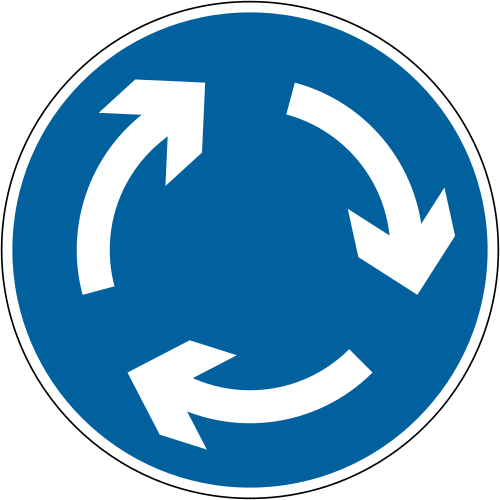
Drifting too close to parked cars, sitting in the middle of the road on quiet streets, or hugging the kerb on left bends are all marked under positioning. So is taking the wrong lane on a roundabout.
Fix: aim for roughly a door-width gap from parked cars, stay within your lane on bends, and use lane discipline on every roundabout. If you are unsure of which lane to take, slow down and read the road markings early.
7. Response to road signs and markings
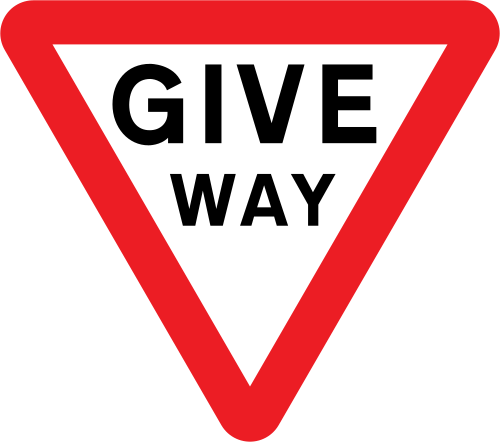
Missing a stop sign, ignoring a give way, going the wrong way around a mini-roundabout, or driving in a bus lane during operational hours are all common. The fault category covers anything painted on the road or stuck on a pole.
Fix: scan well ahead. The sooner you see a sign, the more time you have to react. Re-read your Highway Code section on signs the night before the test, particularly the warning triangles you might have forgotten.

8. Reverse parking and manoeuvres
Around one in three tests includes a manoeuvre that goes wrong: bay parking on the line, parallel park ending up too far from the kerb, or pull up on the right with poor observation. Manoeuvre faults are often serious because they involve other vehicles.

Fix: practise each of the four DVSA manoeuvres until you can do them without thinking, then practise them at unfamiliar locations to break the muscle memory of one specific car park. Our driving test manoeuvres guide walks through each one in detail.
9. Junction turning
Different from observation, this fault covers cutting the corner on a right turn, swinging too wide on a left turn, or failing to give way to oncoming traffic when turning right.
Fix: on right turns, drive past your turning point until your shoulder is in line with the centre of the road you are turning into. On left turns, slow earlier and turn a bit later than feels natural to avoid clipping the kerb.
10. Hesitation and progress
Driving too slowly, missing safe gaps at roundabouts, and refusing to commit at junctions are all marked as undue hesitation. Examiners want to see normal, safe progress, not crawling for safety. A test full of cautious driving can fail just as easily as one full of risks.

Fix: drive at the posted limit when conditions allow, take safe gaps decisively, and never roll up to a green light below the limit. If you would normally pull out, pull out. Confidence is part of the assessment.
What separates first-time passes from repeat candidates
Candidates who pass first time tend to share three habits: they have done at least one mock test under exam conditions, they have driven the local test-area roads at the same time of day as their booked slot, and they have addressed their weakest fault category specifically rather than just driving more hours. Hours alone do not fix a recurring mirror fault if you keep doing the same thing.
If you want a wider view of the numbers behind first-time passes, our first-time pass rate explained page breaks down the data by region and centre.
A 14-day plan to fix the top faults
- 01Days 1-3: targeted fault drilling
Identify your two weakest fault categories from previous lessons or mocks. Book sessions that address only those, not general driving.
- 02Days 4-7: local test-area roads
Drive the local roads your centre tends to use at the same time of day as your booked slot. Repeat at least twice so the geography is familiar.
- 03Days 8-11: two full mock tests
One with your instructor (minimal chat, paper marking sheet). One with a family member who has driven for ten-plus years.
- 04Days 12-13: light maintenance driving
Short sessions only. Focus on a clean POM routine and a relaxed pace. No new skills, just polishing what you already have.
- 05Day 14: rest and final prep
Eyesight check, documents ready, and a short warm-up drive on the morning if possible. Sleep is more valuable than an extra lesson.
- Days 1 to 3: pick the two fault categories you struggle with most and book lessons that target only those.
- Days 4 to 7: drive the test centre routes at the time of day you are booked for.
- Days 8 to 11: do two full mock tests, one with your instructor and one with a friend or family member who has driven for years.
- Days 12 to 13: light driving only, focus on a clean POM routine and a relaxed pace.
- Day 14: rest, eyesight check, documents, and a short warm-up drive on the morning if possible.
Sources and further reading
The figures, fees, and procedures referenced in this article are verifiable on the official gov.uk pages below. PassRates.uk is built on the Driver and Vehicle Standards Agency’s open data, published under the Open Government Licence.
What is the pass rate at your test centre?
Search by centre name, town or postcode to see the latest DVSA figure.
Frequently asked questions
What is the most common reason for failing the UK driving test?
Junction observation, recorded as observation at junctions, has been the top fault every year for over a decade. The fix is a deliberate head turn at every junction, not just a flick of the eyes.
How many faults can I have and still pass?
Up to 15 driving (minor) faults. One serious or dangerous fault ends the test in a fail, regardless of how many minors you have collected.
Does failing once mean my next test will be harder?
No. Examiners do not see your previous test record beyond what you bring up yourself. Your second attempt is judged on the day, on the same standards.
Can I fail just from being too slow?
Yes. Undue hesitation and a lack of safe progress are marked faults. Driving well below the limit when conditions allow is treated as poor driving, not safe driving.
Are some test centres genuinely easier?
Pass rates vary from around 35% at busy urban centres to over 65% at small rural ones. That is partly route complexity and partly the experience level of candidates each centre attracts. See our easiest UK centres ranking for the current data.
How long should I wait before retaking after a fail?
You must wait at least 10 working days before retaking. Use that gap to drill the specific fault that ended your last test, not just to drive more hours.
Do nerves count as a reason for failure?
Not directly. Examiners do not mark you for looking nervous. They mark the driving errors that nerves cause, like a missed mirror or a stalled hill start. Treating the cause helps both.
Every candidate behind these numbers passed a theory test first. Nationally 44.8% of attempts clear it.
Vehicle condition, tyres, lights, fuel efficiency and reducing emissions. All 14 DVSA topics are free to practise, with no sign up. See the theory pass rate by centre or the full practice hub.
Related guides
- What actually causes failsMistakes allowedRead guide
- What actually causes failsFaults explainedRead guide
- What actually causes failsFault categoriesRead guide
- What actually causes failsMost common driving test faultsRead guide
- What actually causes failsJunction observation faultRead guide
- What actually causes failsMajor faults: full listRead guide
Written by Vikas and the PassRates.uk team. Vikas is the software engineer and driving enthusiast who started the site. The figures come straight from the DVSA open dataset; see the methodology.
Source DVSA, Open Government Licence v3.0
Continue reading
How many faults you can have and still pass the UK driving test. Driving (minor) faults vs serious vs dangerous, the 15-minor cap, and what actually fails you.
Do UK driving test pass rates change between weekday and weekend slots? An honest look at the data.