UK Lane Discipline: Right Lane Every Time, 7 Faults
Lane discipline is invisible when done well, and examiners notice the moment it slips. Middle-lane hogging on dual carriageways is among the most cited faults on UK tests.
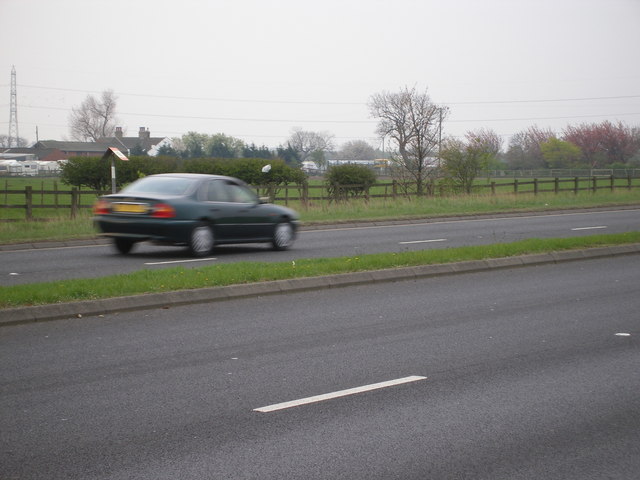
The default rule: keep left
On any UK road with multiple lanes in the same direction, the default is to drive in the leftmost lane. The right-hand lanes are for overtaking. Once you have completed an overtake, you return to the left. This is the foundation of UK lane discipline.
The exceptions are when:
- You are about to turn right and need to position towards the centre
- A right-side filter or exit is coming up and your direction requires it
- The leftmost lane is blocked or has a slow-moving hazard you must overtake
- Lane markings allocate specific lanes to specific destinations (e.g., motorway exits)
Outside these exceptions, sitting in a middle or right lane on a road that has free space in the leftmost lane is poor lane discipline. On motorways, it is illegal under the rules introduced in 2013 (middle-lane hogging is a fixed-penalty offence with three points and a 100 pound fine).
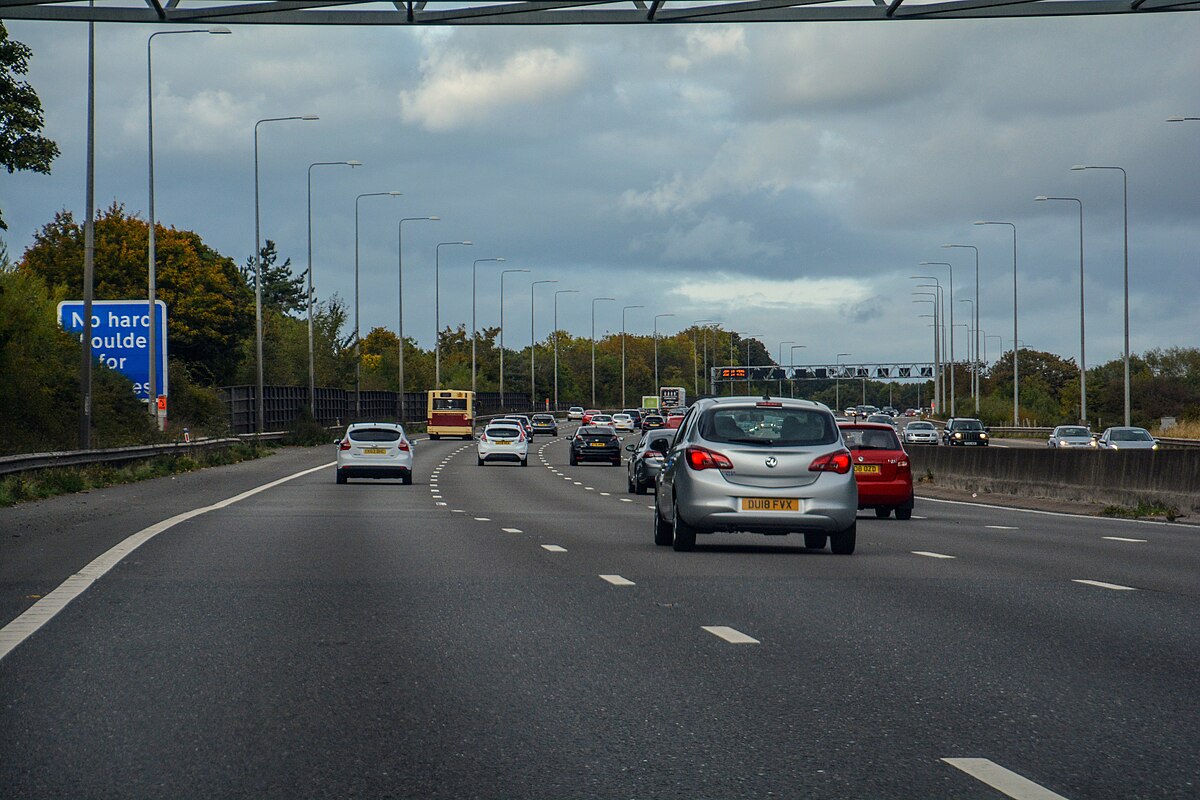
Dual carriageways and motorways
A dual carriageway has two or more lanes in each direction separated by a central reservation. The leftmost lane is the cruising lane. Right-hand lanes are for overtaking only. The same rule applies on motorways, with stricter enforcement.
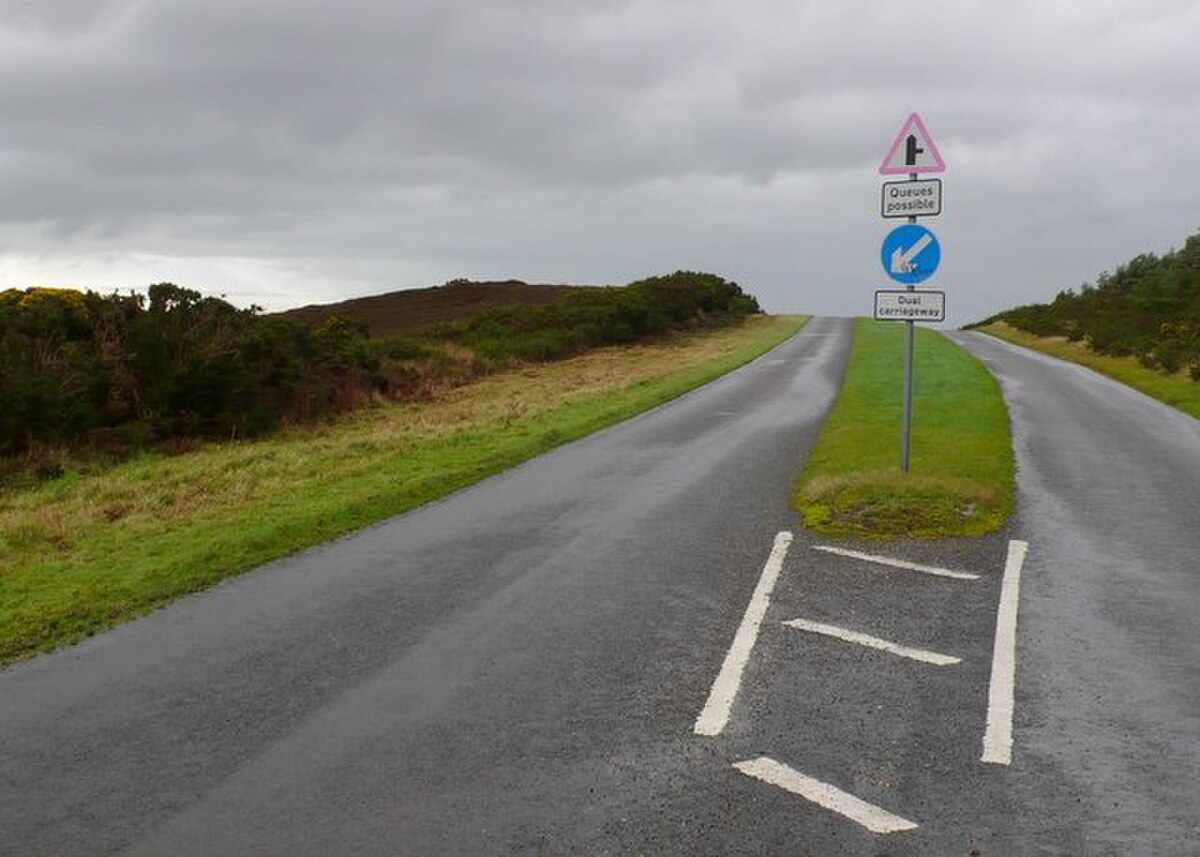
On a three-lane motorway:
- Lane 1 (leftmost): cruising and slow-moving traffic
- Lane 2 (middle): overtaking lane 1, return to lane 1 after the overtake
- Lane 3 (rightmost): for overtaking lane 2, return to lane 2 then lane 1 after the overtake
You should never sit in lane 3 of a motorway as a default cruising lane. You should never sit in lane 2 if lane 1 is free. Lane changes follow the mirror, signal, manoeuvre routine with a particularly careful right-mirror check before pulling out, and a clear left-signal back into the slower lane after the overtake. The faults explained guide flags lane discipline as a category that can produce both serious and minor faults depending on context, and the first motorway drive guide walks through the lane logic for new pass-holders.
Multi-lane junctions and approaches
Lane discipline at junction approaches is governed by the painted lane arrows on the road and the destination signs. Read them on approach and commit to the correct lane early. Switching lanes within 50 metres of the junction is poor practice and often a fault. Switching lanes once already at the junction (within the white solid lines) is illegal.
A common scenario is a three-lane approach to a signal-controlled junction:
- Left lane: left turn only
- Middle lane: straight ahead
- Right lane: right turn only
If you find yourself in the wrong lane within 50 metres of the junction, the rule is the same as for roundabouts: stay in your current lane, take whichever exit it leads to, and recover the route afterwards. Do not panic-switch. The multi-lane roundabouts guide covers the same recovery principle for gyratories.

Bus lanes
Bus lanes are restricted lanes marked with the word "BUS" on the road and a continuous solid white line separating them from general traffic. The signage on a pole nearby specifies operating hours and any other vehicles that may use the lane (taxis, cycles, motorcycles in some cases).
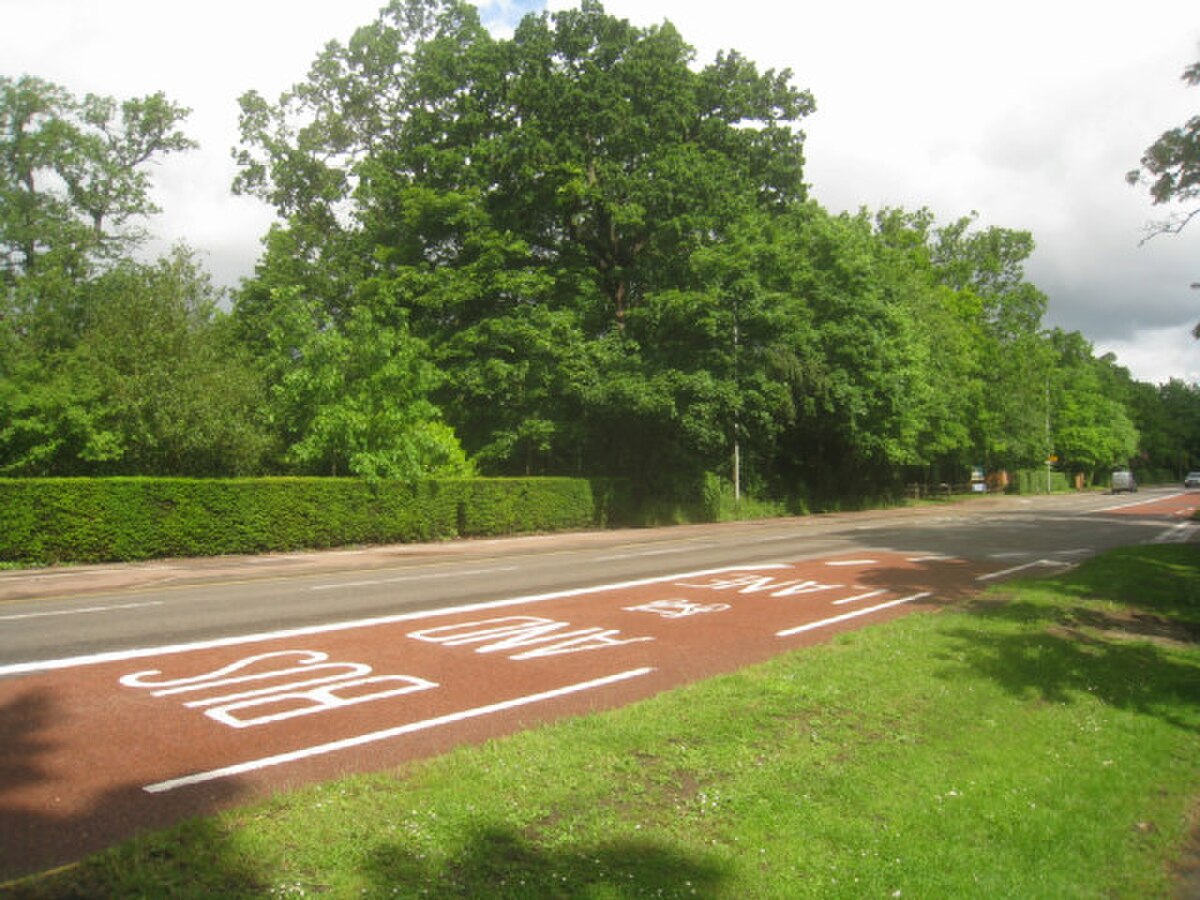
During operating hours, only authorised vehicles may use the lane. Driving in a bus lane during operating hours is an offence with a fixed-penalty fine in many cities (often around 130 pounds in London). On the test, it is a serious fault and likely fail.
Outside operating hours, the lane is open to all traffic. Some bus lanes have very specific hours (e.g., 7am to 10am inbound, 4pm to 7pm outbound on Monday to Friday). Always check the signage. Common UK bus lane hour patterns include all-day weekday operation and peak-hour-only operation.
Cycle lanes
Cycle lanes come in two types:
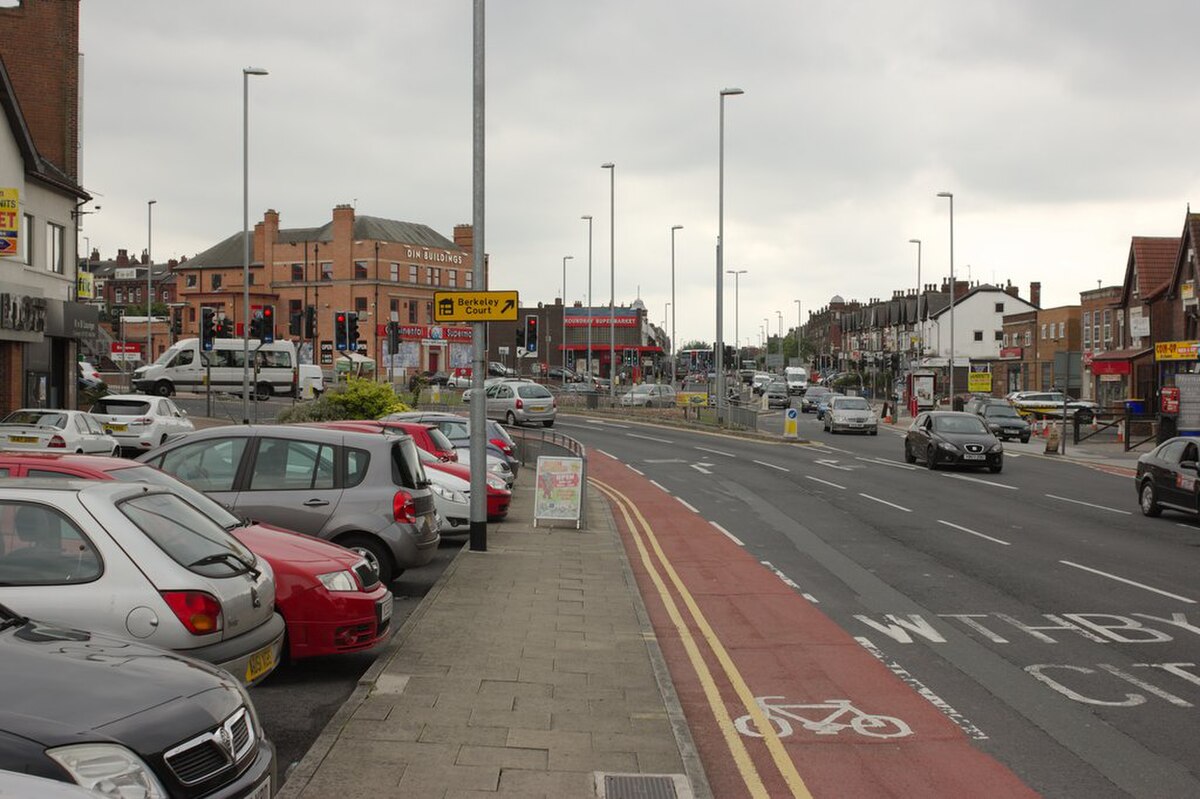
- Mandatory cycle lanes: marked with a solid white line. Other vehicles must not enter during operating hours.
- Advisory cycle lanes: marked with a broken white line. Other vehicles may enter if necessary, but should give way to cyclists already in the lane.
Outside operating hours, mandatory cycle lanes effectively become part of the leftmost lane and may be used by general traffic. Always check the signage and the line type.
Lane discipline on the driving test
Examiners assess lane discipline on three criteria:
- Did you choose the correct lane on approach to junctions?
- Did you maintain the leftmost-lane default on multi-lane roads?
- Did you change lanes safely (mirror, signal, manoeuvre, with adequate timing)?
A consistent middle-lane drift across a dual-carriageway section is a clear minor and possibly a serious. A panic lane change at a junction (switching from middle to right within ten metres of a turn) is almost always a serious. Drifting between lanes within a single lane (poor steering control) is a minor that compounds quickly into a serious if it persists.
Common lane discipline faults
- Middle-lane hogging on a dual carriageway when lane 1 is free
- Late lane change at a junction approach
- Drifting between lanes due to poor steering control
- Cutting across multiple lanes in a single move (a "diagonal" lane change)
- Driving in a bus lane during operating hours
- Crossing a solid white line into a mandatory cycle lane
- Failing to return to the left lane after an overtake on a motorway
- Stopping at a red light in the wrong lane for your direction
Building lane discipline
The fastest way to build the habit is to drive routes with extended dual-carriageway sections, paying explicit attention to lane choice. After every overtake, check left mirror, signal left, return to lane 1. Repeat enough times and the return-to-left becomes automatic.
For junction lane choice, drive routes near your test centre at least twice and read every junction approach explicitly. The test day guide covers route preparation strategies. The main pass guide gives the broader test prep framework.
How city and rural routes differ
Urban test routes have more multi-lane junctions per mile and stricter lane discipline demands. London centres typically have the highest density of multi-lane sections. Rural test routes have fewer multi-lane sections but often longer dual-carriageway stretches where middle-lane discipline matters. The easiest centres and hardest centres reflect these differences in their pass rate distributions.
Sources and further reading
The figures, fees, and procedures referenced in this article are verifiable on the official gov.uk pages below. PassRates.uk is built on the Driver and Vehicle Standards Agency’s open data, published under the Open Government Licence.
What is the pass rate at your test centre?
Search by centre name, town or postcode to see the latest DVSA figure.
Frequently asked questions
Which lane should I drive in on a motorway?
The leftmost lane (lane 1), unless you are overtaking. Right-hand lanes are for overtaking only. Sitting in lane 2 or 3 when lane 1 is free is middle-lane hogging and an offence.
Can I drive in a bus lane outside operating hours?
Yes, when the bus lane is not operating, it is part of normal traffic and any vehicle may use it. Always read the signage to confirm operating hours.
What is the difference between a mandatory and advisory cycle lane?
A mandatory cycle lane is marked with a solid white line and other vehicles cannot enter during operating hours. An advisory cycle lane is marked with a broken white line and other vehicles may enter if necessary, but should not impede cyclists.
Is middle-lane hogging on a dual carriageway a fault on the test?
Yes. Sitting in the middle lane when the left is free is poor lane discipline. It is at least a minor fault and may be graded as serious if persistent. On a motorway it is also a fixed-penalty offence.
How early should I move into the correct lane for a junction?
Generally 100 to 200 metres before the junction, depending on the road type and traffic. The aim is to be settled in your lane well before the junction, with no late switches in the final 50 metres.
What if I realise I am in the wrong lane within ten metres of the junction?
Stay in your current lane and take whichever exit it leads to. Recover the route afterwards. A late lane change is a worse fault than a wrong exit.
Every candidate behind these numbers passed a theory test first. Nationally 44.8% of attempts clear it.
Observation, anticipation, concentration and avoiding distractions at the wheel. All 14 DVSA topics are free to practise, with no sign up. See the theory pass rate by centre or the full practice hub.
Related guides
- Speed and following distanceUK Speed LimitsRead guide
- Speed and following distanceTwo-Second RuleRead guide
- Speed and following distanceWet road following distanceRead guide
- Junctions and priorityJunctions and PriorityRead guide
- Junctions and priorityCrossroadsRead guide
- Junctions and priorityBox JunctionsRead guide
Written by Vikas Dulgunde, the software engineer and driving enthusiast behind PassRates.uk. The figures come straight from the DVSA open dataset; see the methodology.
Source DVSA, Open Government Licence v3.0
Continue reading
UK crossroads guide: priority rules, controlled vs uncontrolled, the right-turn conflict, and the faults examiners flag at 4-way junctions on test.
How priority works at UK junctions: T-junctions, crossroads, give way and stop signs, and uncontrolled junctions. With the common faults examiners flag.