Motorway Driving for the First Time: 70 mph UK Guide
The first motorway drive carries higher speeds but lower workload than a packed city centre. Master the slip-road merge, lane 1 discipline and smart motorway signs and the M25 feels routine within an hour.
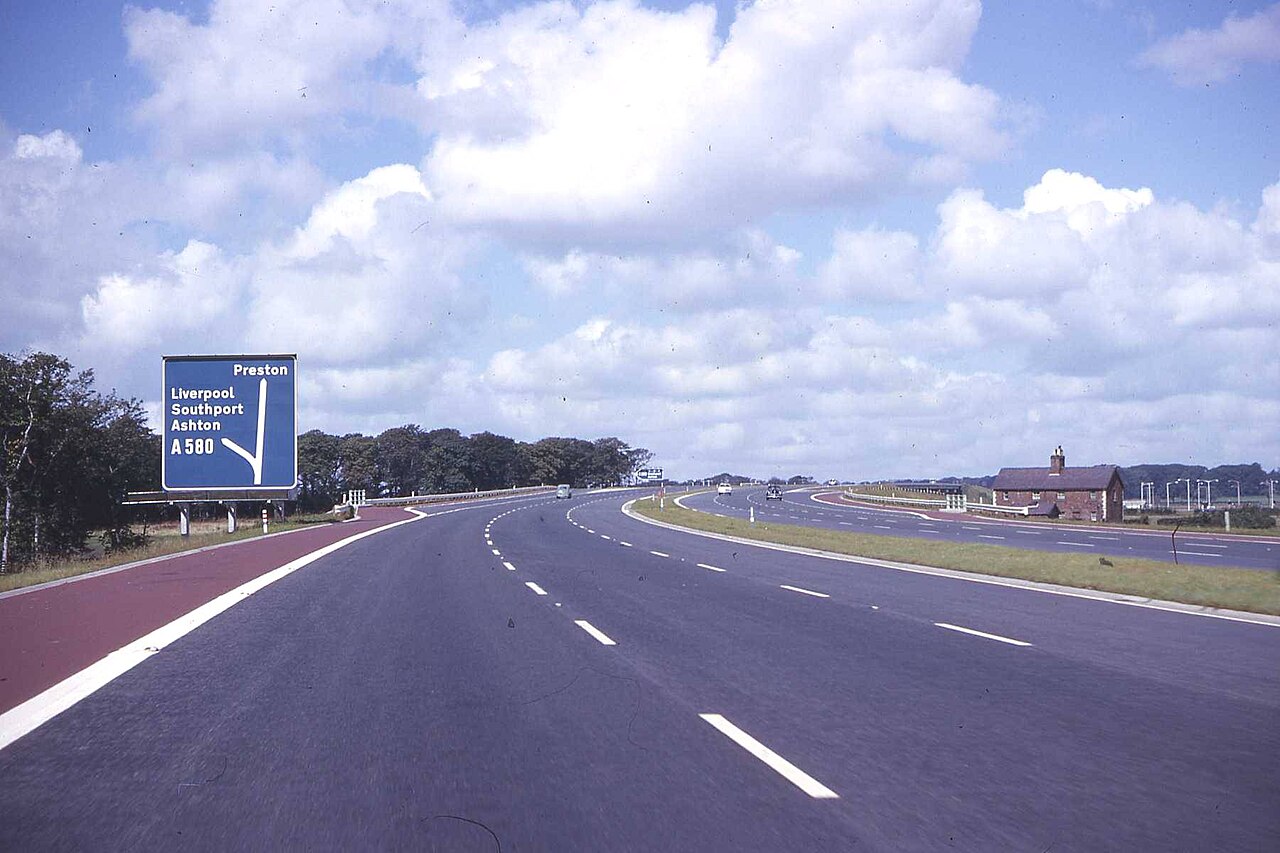
What legal and practical setup do you need before joining a UK motorway?
Since June 2018, learner drivers in the UK have been allowed on motorways, but only with an approved driving instructor (ADI) in a dual-control car. If you are now a full licence holder, that restriction is gone, but the principles your ADI taught you still apply. Read the main pass guide and the Pass Plus guide before your first solo motorway drive, because Pass Plus exists for exactly this transition and many insurers will discount your premium for completing it.
Practical setup matters more than people realise. Check your tyres for pressure and tread before you set off. A blowout at 70 mph is a different problem to a slow puncture at 30 mph. Top up your screenwash. Make sure your fuel range comfortably covers your trip plus a 30 mile buffer, because running out of fuel on a motorway is treated as a careless driving offence and can get you points.
- National speed limit
- 70 mphcars and motorcycles; 60 mph towing
- Stopping distance at 70 mph
- 96 mequivalent to ~24 car lengths
- Minimum following gap (dry)
- 2 secondsdouble to 4 seconds in rain
- Red X gantry penalty
- £100 + 3 ptsminimum fixed penalty
- Learner access
- ADI onlydual-control car with approved instructor
- Pass Plus motorway module
- Recommendedmany insurers discount for completion
How do you join a UK motorway safely for the first time?
The slip road is where new drivers most often get into trouble. The job is to match the speed of traffic in lane one before you merge, not after. Use the full length of the slip road. Build to roughly 60 to 65 mph if traffic is flowing freely, then check your right-hand mirror, signal right, check your blind spot, and ease across in a smooth arc. If a lorry is in lane one and you cannot get up to speed in time, you may need to brake on the slip road and merge behind it. That is fine. What you must not do is stop at the end of the slip road. Stopping creates a hazard for everyone behind you.
Once you are on, hold lane one until you have settled. There is no rule that says you must move out. Lane one is the default, lanes two and three are for overtaking, and you should return to a less congested lane as soon as your overtake is done.
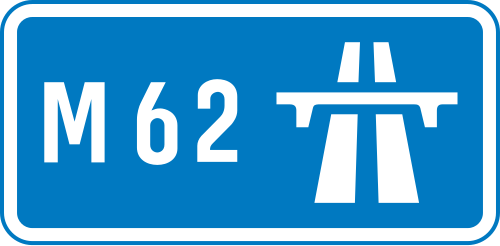

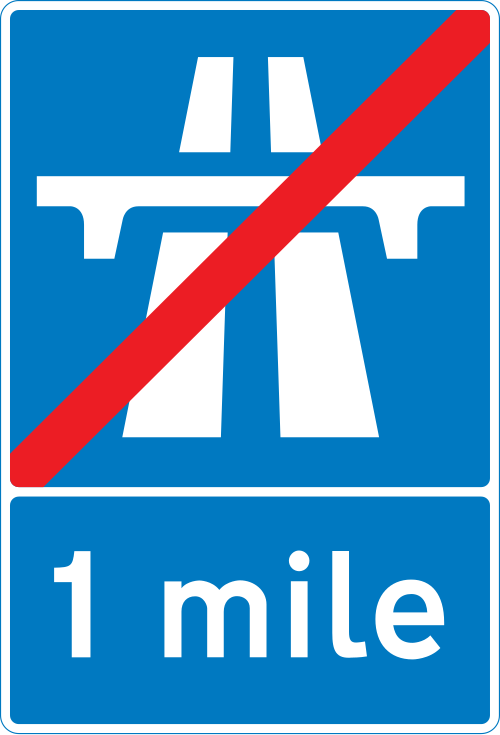
- 01Build speed on the slip road
Use the full length of the slip road. Aim for 60-65 mph before you reach the end. Merging underspeed forces lane-one traffic to brake for you.
- 02Check your right-hand mirror
While still on the slip road, scan for a gap in lane one. Identify a gap early, don't wait until the last moment.
- 03Signal right and check blind spot
Right indicator on, then a deliberate over-the-shoulder check of your blind spot before you move.
- 04Merge smoothly in a clean arc
Ease across in one smooth movement. If a lorry fills your gap, brake behind it rather than stopping at the end of the slip road.
- 05Cancel signal and settle in lane one
Hold lane one until your speed and confidence are fully established. There is no rush to move out.
What do UK smart motorway signs mean?
A meaningful chunk of the UK network is now smart motorway. There are three types you might encounter, and the differences matter.
- All Lane Running: the hard shoulder is a permanent live lane. Look for the gantry signs above each lane to confirm what speed you should be doing.
- Controlled motorway: three regular lanes with a hard shoulder, but variable speed limits managed by overhead gantries.
- Dynamic Hard Shoulder: the hard shoulder opens as a running lane during congestion. A red X means it is closed and you must not drive in it.
| Type | Hard shoulder | Speed limits | If you break down | |
|---|---|---|---|---|
| Controlled motorway | Controlled motorway | Always present | Variable via gantry | Pull onto hard shoulder, call 0800 028 1212 |
| Dynamic Hard Shoulder | Dynamic Hard Shoulder (DHS) | Opens in congestion | Variable via gantry | If shoulder closed (red X), reach an ERA or exit |
| All Lane Running | All Lane Running (ALR) | Removed, permanent live lane | Variable via gantry | Reach an ERA or exit; hazards on if stranded |
A red X on a gantry is a legal instruction, not a suggestion. Driving under a red X is a £100 fine and three points minimum. If you see one, leave that lane. The other gantry signal that catches people out is the variable speed limit. If the gantry says 50, the limit is 50, and average speed cameras will be running.
What are the UK motorway lane discipline and overtaking rules?
The single most common motorway mistake by full licence holders is sitting in lane two when lane one is clear. Lane two is for overtaking. Sitting in it for miles is technically careless driving, gets in the way of faster traffic, and is the source of most road rage incidents. After every overtake, return to lane one when it is safe to do so.
When you do overtake, plan it. Mirror, signal, mirror, manoeuvre, with a deliberate blind-spot check before you move. Pass the slower vehicle decisively, then check your left mirror and move back across when you can see the front of the vehicle you just passed in your interior mirror. Do not undertake. The exception is in queueing traffic, where lane-by-lane progress is allowed if your lane is moving faster than the one to your right.
What should you do if you break down on a UK motorway?
On a traditional motorway with a hard shoulder, pull as far left as you can, get out via the passenger door, and stand behind the barrier. Call National Highways on 0800 028 1212 or use a roadside emergency phone (they connect directly). Do not stand near the car. On an All Lane Running motorway, the rules change. If you can reach an Emergency Refuge Area or motorway exit, do so. If not, switch on your hazards, leave the vehicle if it is safe, and get behind the barrier. National Highways monitors lanes by camera and can close your lane via the overhead gantry, but this is not instant or guaranteed, so getting yourself behind the barrier is the priority.
For a deeper dive on weather and visibility, the fog and rain conditions guide covers what changes at speed. Once you have a few motorway hours behind you, the rest of the guides library is worth a browse.
What are the most common UK motorway first-time mistakes?
- Joining too slowly: building to 50 mph on the slip road and trying to merge into 70 mph traffic
- Drifting: long stretches of straight road can lull new drivers into wandering across lane lines
- Tailgating in lane two: you cannot close a gap to push someone aside on a motorway
- Missing exits: trying to swerve across three lanes at the last moment is dangerous; if you miss it, take the next exit
- Tunnel vision: scanning only the car ahead, not the gantry, the mirrors, or two cars ahead
Sources and further reading
The figures, fees, and procedures referenced in this article are verifiable on the official gov.uk pages below. PassRates.uk is built on the Driver and Vehicle Standards Agency’s open data, published under the Open Government Licence.
What is the pass rate at your test centre?
Search by centre name, town or postcode to see the latest DVSA figure.
Frequently asked questions
Can I drive on a motorway as soon as I pass my test?
Yes. Once you hold a full UK licence there is no restriction. Pass Plus is recommended because it includes structured motorway tuition, and many insurers offer a discount for completing it.
What speed should I do on the slip road?
Aim to match the speed of traffic in lane one. On a free-flowing motorway that is around 60 to 70 mph. Use the full length of the slip road to build up; do not merge underspeed.
What does a red X on a smart motorway mean?
It means the lane is closed. Driving under a red X is a fixed penalty of £100 and three points minimum. Move out of that lane immediately and safely.
Is the middle lane a slow overtaking lane?
No. Lane two is purely for overtaking. After you have passed slower traffic, return to lane one. Sitting in lane two is technically careless driving.
What do I do if I break down on a smart motorway?
Aim for an Emergency Refuge Area, a hard shoulder if there is one, or the next exit. If you cannot reach safety, put your hazards on, get out the passenger side, and get behind the barrier. Call National Highways on 0800 028 1212.
How far ahead should I be looking on a motorway?
At 70 mph you cover roughly 31 metres a second. Scan at least 12 to 15 seconds ahead, watch the gantry signs, and check your mirrors every 5 to 10 seconds.
Every candidate behind these numbers passed a theory test first. Nationally 44.8% of attempts clear it.
Stopping distances, the two-second rule and driving in rain, ice and fog. All 14 DVSA topics are free to practise, with no sign up. See the theory pass rate by centre or the full practice hub.
Related guides
Written by Vikas Dulgunde, the software engineer and driving enthusiast behind PassRates.uk. The figures come straight from the DVSA open dataset; see the methodology.
Source DVSA, Open Government Licence v3.0
Continue reading
UK dual carriageway driving at 70 mph: joining, lane discipline, the difference from a motorway, and 5 mistakes that cause most accidents.
UK crossroads guide: priority rules, controlled vs uncontrolled, the right-turn conflict, and the faults examiners flag at 4-way junctions on test.