New Drivers Act: 2-Year Probation and 6-Point Revoke
For 2 years after passing the UK driving test, 6 or more penalty points means automatic licence revocation. A single bad afternoon can undo months of lessons and waiting for a slot.
What the New Drivers Act actually says
The Road Traffic (New Drivers) Act 1995 applies to anyone who has held a full UK driving licence for less than two years. If during those two years you accumulate six or more penalty points, the DVLA revokes your licence automatically. You then have to apply for a new provisional, drive on L-plates again, retake the theory test and retake the practical test before you can drive solo.
The two-year clock starts on the day you pass your first practical test. It does not pause for periods you are not driving. It does not reset if you take Pass Plus. Once you have held a full licence for two years without incident, the Act stops applying and you are treated like any other driver.
- Probation period
- 2 yearsFrom your practical pass date
- Revocation threshold
- 6 pointsAutomatic, no court hearing
- One mobile-phone offence
- 6 ptsSingle revoke trigger
- Two SP30 speeding offences
- 6 ptsCombined revoke trigger
- Reset cost
- ~£119£34 provisional + £23 theory + £62 practical
- Post-revocation insurance
- £3,000-£6,000First-year specialist cover
Offences that carry six points or more
Any single offence worth six or more points triggers revocation immediately, no warning. The most common are: using a mobile phone while driving (six points and a £200 fine), driving without insurance (six to eight points and an unlimited fine), and certain drink-driving offences. A single tap on the phone screen at the wheel is now enough to lose the licence.
Other six-point-plus offences include driving while disqualified, dangerous driving, causing serious injury by careless driving, and certain drug-driving offences. Any of these will end the new driver period and bring much wider legal consequences too.
Three-point offences that add up
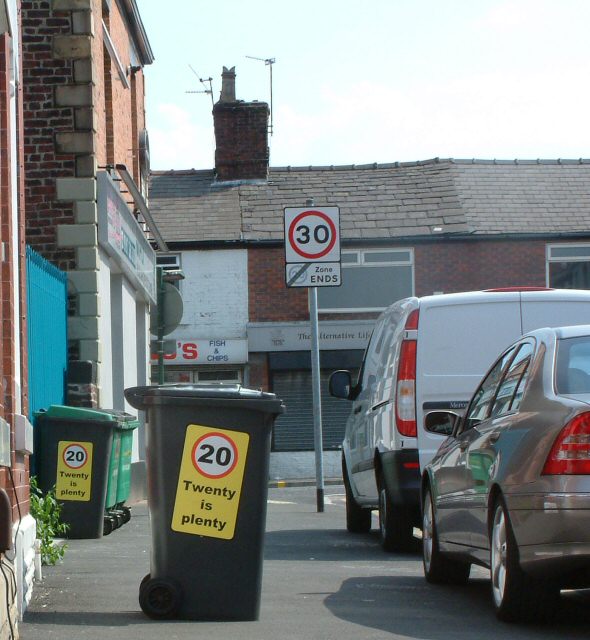
Most speeding offences carry three points and a fine. Going thirty-five in a thirty zone is three points. Going thirty-eight or more triggers a court summons rather than a fixed penalty. Two speeding offences in two years equals six points and revocation, even if neither was particularly severe.
Other three-point offences: not stopping at a red light, careless driving, failing to give way, certain seatbelt offences. These add up faster than new drivers expect. One absent-minded morning at a yellow box junction plus one rushed Sunday on a clear A-road can equal a revoked licence.
Speed Awareness Courses as a way out
For low-level speeding offences (typically 10% over the limit plus 2 to 9mph above), police may offer a Speed Awareness Course instead of points. The course costs around £90, takes half a day and adds zero points to your licence. You can only attend one course every three years, so do not bank on it twice. The offer is at the discretion of the local force.
A Speed Awareness Course is a much better outcome than three points for a new driver. If offered, take it. Our speed awareness courses guide covers what is in the course, eligibility, and how to book.
What happens when the licence is revoked
The court (or a fixed-penalty process) deals with the offence and adds the points; once six or more are recorded within the new-driver period, the DVLA then revokes the licence automatically. This is an administrative step by the DVLA, not a court order. You receive a revocation notice from the DVLA, must surrender your full licence and stop driving immediately. Any driving from that point on is driving while disqualified, a much more serious offence.
To get back on the road, apply for a new provisional licence (£34), retake the theory test (£23), retake the hazard perception (included), then retake the practical test (£62). Total cost: around £119, plus driving lessons, plus insurance increases for years afterwards. The points themselves remain on your driving record for four years.
Insurance after revocation
Insurance for a driver who has had their licence revoked is significantly more expensive than for a normal new driver. Most mainstream insurers will not quote at all for at least a year afterwards. Specialist convicted-driver insurers exist but charge a premium. Annual policies of £3,000 to £6,000 are common for the first year after a revocation, more if there is a drink-driving conviction.
The previous claim history and the driving conviction stay on your record for years. Some insurers ask about driving convictions for five years after the offence, others for life. Honesty matters: lying to an insurer voids the policy and can lead to fraud charges. Our young driver insurance UK covers more on declaring history.
Defensive driving in the probation period
The single best protection against revocation is to drive at or below the speed limit at all times. Speed cameras are everywhere and average-speed checks cover increasing stretches of motorway and A-road. Keep the phone in a secure mount and never touch it while moving, even at lights. Use voice commands or pull over to deal with messages.
Keep insurance current and visible. Tax the car. Carry a copy of your provisional or full licence in the glove box. If you are stopped by the police for a routine check, simple compliance and accurate paperwork mean a quick resolution. A documentation muddle on top of a minor offence can escalate things.
What if I am pulled over?
Pull over safely as soon as it is practical. Switch off the engine, put the hazards on, wind the window down. The officer will explain why they have stopped you. Be polite, answer questions calmly. If they issue a fixed penalty notice, you sign and accept or contest it within twenty-eight days.
You have the right to contest a fixed penalty in court if you believe it is wrong. The court can dismiss the charge, in which case no points apply. The court can also uphold it and add court costs, making the outcome more expensive. For new drivers facing revocation, contesting is often worth professional legal advice.
After two years
On the second anniversary of your test pass, the New Drivers Act stops applying. You are treated like any other driver. Penalty points still count toward the standard twelve-point disqualification threshold, but six points no longer revokes the licence automatically. Insurance stays high for another year or two, but typically drops noticeably at the three-year mark.
Many new drivers never give the Act another thought once it expires. The right approach is to keep the same defensive habits permanently. The rules of safe driving do not change after two years. The penalty for breaking them just becomes slightly less severe.
Sources and further reading
The figures, fees, and procedures referenced in this article are verifiable on the official gov.uk pages below. PassRates.uk is built on the Driver and Vehicle Standards Agency’s open data, published under the Open Government Licence.
What is the pass rate at your test centre?
Search by centre name, town or postcode to see the latest DVSA figure.
Frequently asked questions
What is the New Drivers Act?
A 1995 law that revokes your driving licence automatically if you accumulate six or more penalty points in the first two years after passing the practical test. You then have to retake both theory and practical to drive solo again.
How quickly can six points add up?
Faster than most new drivers expect. Two speeding offences in two years equals six points. A single mobile phone offence is six points alone. Driving without insurance is six to eight points. Each is a single, instant revocation in the new driver period.
What happens after my licence is revoked?
You must stop driving immediately, apply for a new provisional, retake theory and practical tests. Total fees around £119 plus lessons. The conviction stays on your record for at least four years and significantly raises insurance for years.
Can I take a Speed Awareness Course to avoid points?
Sometimes. For low-level speeding (typically 10% over the limit plus 2 to 9mph above), police may offer the course at their discretion. It costs around £90, half a day, no points if attended. You can only do one every three years.
Does the two-year clock pause if I do not drive?
No. The clock runs from the day you pass your first practical test, regardless of how much you drive. Two years means two calendar years from your pass date. It cannot be paused or reset.
What if I am pulled over and given a fixed penalty?
You can accept the penalty (sign and pay) or contest it in court within 28 days. Contesting can dismiss the charge or uphold it with added costs. For new drivers facing revocation, professional legal advice before contesting is usually worth it.
Related guides
Written by Vikas Dulgunde, the software engineer and driving enthusiast behind PassRates.uk. The figures come straight from the DVSA open dataset; see the methodology.
Source DVSA, Open Government Licence v3.0
Continue reading
Speed awareness course 2026: around £90, 4 hours, no points on your licence. Thresholds by zone (30 mph: 35-42 mph), who qualifies, how to book, and what the session covers.
New driver motorway guide: joining at 70 mph from day 1, lane discipline, smart motorway signs, fatigue management, and building confidence over 5 first trips.