Motorway After Passing: 70 mph Tips for New UK Drivers
You can drive on a UK motorway from the day after passing your test. The law is simple, but motorways feel completely different from learner-route roads, and confidence builds across the first five trips.
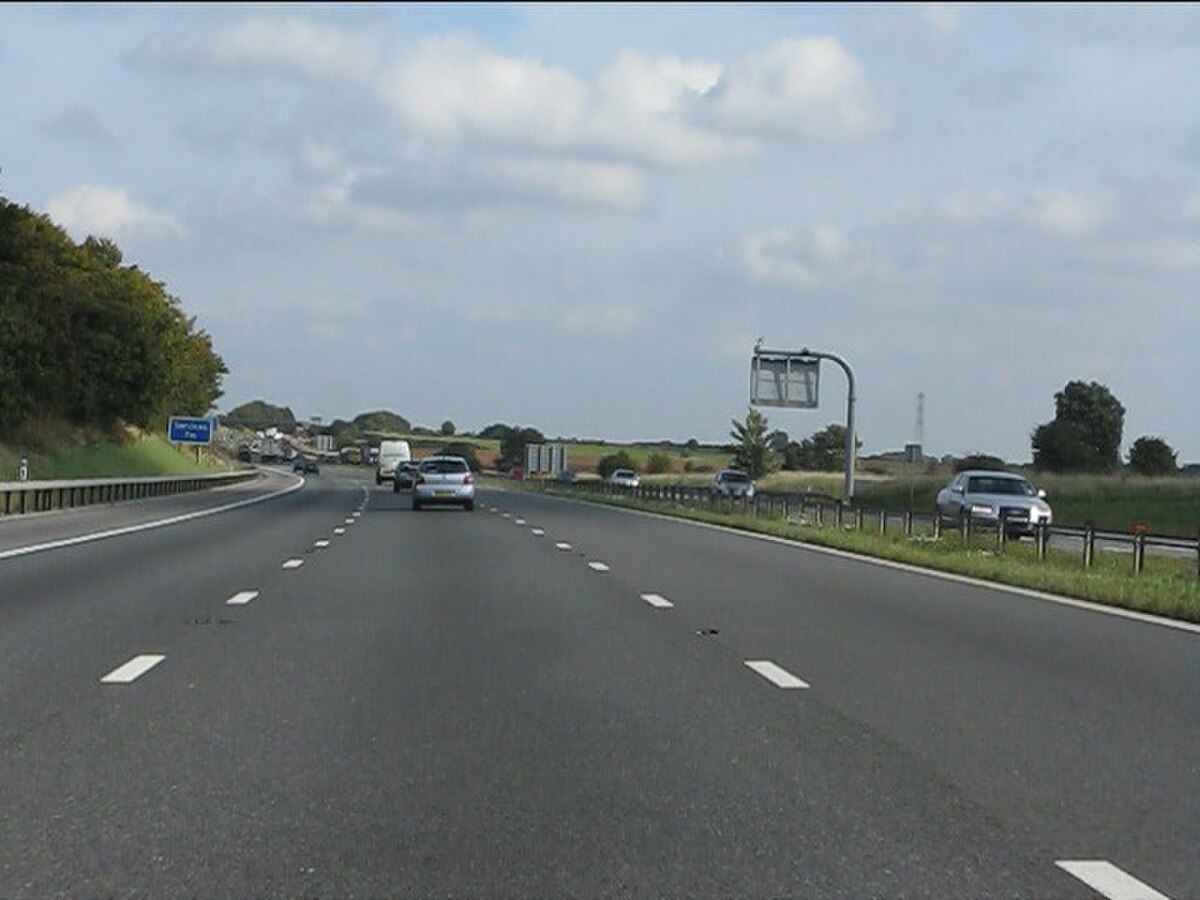
Are you ready?
Since 2018 instructors have been allowed to take learners on motorways, and most do at least one lesson there before the test. If yours did, your first solo motorway should be in a familiar car on a familiar route. If your instructor did not cover motorways, do a Pass Plus motorway module or a dedicated lesson before going alone. The first solo motorway trip is not the time to be learning the slip road.
Choose your first solo motorway carefully. Quiet stretch, mid-morning, light traffic, dry weather. Avoid Friday afternoon or Bank Holiday Monday for trip one. Pair this guide with our motorway driving first time which covers the absolute basics in more depth.
Joining the motorway
The slip road is where new drivers struggle most. The aim is to match the speed of traffic in lane one before merging. Use the full length of the slip road. Look over your right shoulder as you approach the end of the slip, time the gap and indicate as you move across. Do not stop on the slip road unless absolutely forced to.
A common mistake is to indicate too early and feel committed before the gap is right. Indicate when you have identified the gap, not before. Another mistake is to brake at the end of the slip road. If the gap closes, ease off the throttle slightly but keep moving. Stopping is dangerous because traffic behind expects you to be merging.
Lane discipline
Lane one (left) is the default lane. You should be in lane one whenever possible. Lane two is for overtaking. Lane three on a three-lane motorway is for overtaking when lane two is also full of overtaking traffic. Sitting in the middle lane with empty space to your left is one of the most common bad habits and earns a careless driving fine if a police officer spots it.
Indicating early on lane changes matters. Five seconds of indicator before moving gives following drivers time to react. Your mirrors must show the lane is clear, including the blind spot. Glance over the shoulder briefly even on a motorway. Mirror-only checks miss vehicles in the blind spot.
Smart motorways
Several UK motorways operate as smart motorways with all-lane running or controlled hard shoulders. Variable speed limits, displayed on overhead gantries, are mandatory. A red X above a lane means that lane is closed: do not drive in it, even if it looks clear. A red X plus driving in the lane is three points and a £100 fine, which under the New Drivers Act gets you halfway to revocation.
Smart motorways have emergency refuge areas every mile or so on all-lane sections. If you break down, aim for one. If you cannot reach one and have to stop in a live lane, switch on hazards, exit the car if it is safe and call National Highways. Stay behind the barrier. Smart motorways have been controversial precisely because of breakdown risks. Be aware of where the next refuge is at all times.
Following distance and fatigue
The two-second rule applies on motorways too: pick a fixed point and count two seconds between the car in front passing it and you reaching it. In rain, double it. Tailgating is one of the most common motorway fault behaviours and creates risk for everyone. Hang back. The road in front is more useful than the boot of the car ahead.
Motorway fatigue is real and sneaky. The smooth surface, constant speed and quiet engine note send you into a trance after an hour. Stop every ninety minutes for at least fifteen minutes, even if you do not feel tired. Open a window, eat something, walk around the services car park. Caffeine helps but not as much as a real break.
Lorries and lane changes
Lorries are limited to sixty miles per hour on motorways. They cannot use lane three on three-lane motorways. They take much longer to overtake other lorries (called elephant racing) and you can sit behind two lorries side by side for ages if you are in lane two. Plan around them.
When overtaking a lorry, do it positively. Do not sit in its blind spot. The driver cannot see you alongside the cab. Move past at a speed at least ten miles per hour faster than the lorry. Be ready for the bow wave of air pushed by the cab as you pass; it can pull a small car slightly. Both hands on the wheel.
Roadworks and contraflows
Motorway roadworks are usually 50mph or 60mph limits with narrow lanes. Stay calm, hands at quarter-to-three, eyes well ahead. Most accidents in roadworks happen because drivers panic at the narrow gap and end up swerving. Drive a steady speed and do not change lanes unless directed by signs.
Contraflows, where you cross the central reservation onto the opposite carriageway, are unsettling because oncoming traffic is suddenly very close. Lower your speed to the posted limit, stay in lane and trust the markings. Cars on the other side of the cones are doing exactly the same.
Breakdowns on a motorway
If your car gives any sign of trouble, leave at the next exit if you can. If you must stop on the hard shoulder, pull as far left as possible, switch on hazards, exit the car on the left side and stand behind the barrier. Call 999 if it is dangerous, or your breakdown cover for non-urgent help. Never attempt repairs on a hard shoulder.
Smart motorways without a hard shoulder make this harder. If you have warning of trouble, head for the next emergency refuge area. If not, get the car as far left as possible and out of the lanes, switch on hazards, exit if safe and call for help. Stay calm. New drivers panic on hard shoulders, which is exactly when bad decisions happen.
Building confidence over the first month
A good plan is to take a short motorway trip in the first week, a longer one in the second, and a more challenging trip (city outskirts, junction-heavy) in the third or fourth. By trip four or five, motorways feel like just another road. The fundamentals never change: lane discipline, mirror checks, following distance, awareness ahead.
Pair these trips with the wider plan in our first month after passing guide and consider Pass Plus if you have not done it. Confidence grows fastest when each trip teaches you something specific.
Sources and further reading
The figures, fees, and procedures referenced in this article are verifiable on the official gov.uk pages below. PassRates.uk is built on the Driver and Vehicle Standards Agency’s open data, published under the Open Government Licence.
What is the pass rate at your test centre?
Search by centre name, town or postcode to see the latest DVSA figure.
Frequently asked questions
Can I drive on a motorway right after passing my test?
Yes, from the day after the test. There is no legal probation period for motorways. If you did not get motorway experience during lessons, book a Pass Plus motorway module or a dedicated lesson before your first solo trip.
How fast should I be when joining the motorway?
Aim to match the speed of traffic in lane one, usually around 60 to 70mph by the end of the slip road. Use the full slip road length, look over your shoulder, time the gap and indicate as you move across.
What does a red X above a motorway lane mean?
The lane is closed. Do not drive in it even if it looks clear. Driving in a red X lane is three points and a £100 fine, which under the New Drivers Act gets you halfway to the revocation threshold in the first two years.
Should I sit in the middle lane?
No. Lane one is the default. Lane two is for overtaking. After overtaking, return to lane one. Sitting in the middle lane with space to your left is a careless driving offence and earns a £100 fine if a police officer spots it.
What do I do if I break down on a motorway?
Get the car as far left as possible, switch on hazards, exit on the left side and stand behind the barrier. Call breakdown cover for non-urgent issues or 999 if it is dangerous. Never attempt repairs on a hard shoulder or in a live lane.
How do I deal with motorway fatigue?
Stop every ninety minutes for at least fifteen minutes, even if you do not feel tired. Get out of the car, walk around the services and eat something. Caffeine helps a bit but a real break works much better.
Every candidate behind these numbers passed a theory test first. Nationally 44.8% of attempts clear it.
Following distances, courtesy, priority and how to behave around other road users. All 14 DVSA topics are free to practise, with no sign up. See the theory pass rate by centre or the full practice hub.
Related guides
Written by Vikas Dulgunde, the software engineer and driving enthusiast behind PassRates.uk. The figures come straight from the DVSA open dataset; see the methodology.
Source DVSA, Open Government Licence v3.0
Continue reading
UK New Drivers Act 1995: the 2-year probation, the 6-point revoke rule, which offences count, and how to drive defensively to keep your licence.
First-month plan after a UK driving test: insurance, the 6-point new driver rule, motorway readiness, and how to build real skill before bad habits set in.