Passing Your Driving Test in Belfast (2026)
Belfast is the busiest test location in Northern Ireland, with the two main centres at Balmoral and Mallusk. The test is run by the DVA rather than the DVSA, so it sits outside this site's pass-rate dataset. The format mirrors the GB test, but the routes and the booking system have a few quirks worth knowing.
Belfast in the Northern Ireland context
Belfast is the largest city in Northern Ireland and the centre of gravity for learner drivers across Counties Antrim and Down, with significant test volume from learners in the wider commuter belt. Northern Ireland tests are run by the DVA, which publishes its figures separately from the DVSA series this site is built on, so we do not show per-centre pass rates for Belfast here. What follows is the practical picture: the centres, the routes and the booking process.
A point of confusion that comes up regularly: Northern Ireland tests are administered by the DVA (Driver and Vehicle Agency), not the DVSA, but the test format and standard are equivalent. A pass in Northern Ireland is a full UK driving licence, valid across England, Scotland, Wales and Northern Ireland. The main pass guide applies in full.
- Main Belfast centres
- 2Balmoral (south) and Mallusk (north)
- Administered by
- DVAnot the DVSA
- Pass standard
- 15 faultssame as the GB test
- Watch for
- Glider lanestreat them like bus lanes
- After you pass
- R-plates1-year 45 mph limit in NI
- DVA centres near Belfast
- 5Balmoral, Mallusk, Larne, Lisburn, Bangor
Centres in and around Belfast
The two main DVA test centres for Belfast are Belfast Balmoral in the south of the city and Belfast Mallusk just to the north. Balmoral is the larger and busier of the two, with routes through suburban south Belfast and into the city centre. Mallusk routes lean more towards the suburban north and the routes around Newtownabbey. There are smaller DVA centres at Larne, Lisburn and Bangor that some Belfast learners use as alternatives.
Balmoral routes typically include a mix of suburban driving through the Lisburn Road and Malone areas, with sections on the Westlink (the city centre dual carriageway). Car tests do not use motorways, so you will not drive the M1 or M2 itself, though the roads around their junctions can feature. Mallusk routes tend to use the suburban roads around Glengormley and Newtownabbey.
| Belfast Balmoral | Belfast Mallusk | |
|---|---|---|
| Location | South Belfast, suburban | North Belfast / Newtownabbey |
| Typical wait | Longer of the two | Usually a little shorter |
| Key route features | Lisburn Rd, Malone, Westlink, M1/M2 slips | Glengormley, Newtownabbey, M2 corridor |
| City-centre driving | More frequent (Westlink) | Less frequent |
| Glider lane exposure | Lisburn Rd and city-centre lanes | Lower frequency |
| Best for | South/central Belfast learners | North Belfast or Newtownabbey learners |
What the Belfast routes demand
Belfast tests have several distinctive features. The Westlink and the motorway network around the city are unusually accessible from the test centres, and examiners often include a short higher-speed section. The city has retained more 1970s-era road layouts than most British cities, with frequent tight residential streets, on-street parking and limited turning circles in older areas like the Holylands or off the Falls Road.
- Westlink dual carriageway: short fast sections with sharp slip roads and heavy traffic at peak
- M1 and M2 junction approaches: confident lane choice on the roundabouts and link roads that feed them (the car test does not go on the motorway itself)
- Bus lanes along the Falls Road, Lisburn Road and Newtownards Road, with Glider rapid-transit lanes added in recent years
- Tight residential streets in Stranmillis, Botanic and the Holylands with parked cars on both sides
- Cyclepath integration along the Stranmillis Embankment and the city centre
- Roundabouts at Dunmurry, Saintfield Road and the M1 Junction 1 (Black's Road)
The Glider lanes are the most recent addition and a known catch for learners who have not driven in Belfast for a year or two. They run the length of the east-west and north-south Glider routes, with specific operating hours and signage. Treat them like bus lanes and read the signs.
Why Belfast pass rates are not in this dataset
This site is built on the DVSA per-centre series, which covers England, Scotland and Wales. Northern Ireland is administered by the DVA, which reports its figures separately, so Belfast and the other NI centres sit outside the rankings here; you will not find Balmoral or Mallusk in the easiest centres ranking or the hardest centres list. For the official NI figures, the DVA is the source. What this guide can usefully add is structural: the routes and the booking system, both covered below.
Preparing specifically for Belfast
Belfast preparation hinges on the features that genuinely separate it from a mainland city, and the Glider is top of that list. Its dedicated lanes run the length of the east-west and north-south routes with their own operating hours, and a learner who has not driven in the city for a year or two often reads them wrong, so practise the signage until you know at a glance whether a lane is yours at that time of day. The Westlink and the M1 and M2 slips come next: the city puts a short higher-speed section within easy reach of both centres, and the quick transitions onto and off the dual carriageway reward a few rehearsals. Save the tight older streets around Botanic and Stranmillis for manoeuvre work, where parked cars on both sides make a parallel park harder than the textbook version. Note too that Northern Ireland keeps an R-plate restriction for the first year after passing, a one-year 45 mph limit that does not exist in Great Britain.
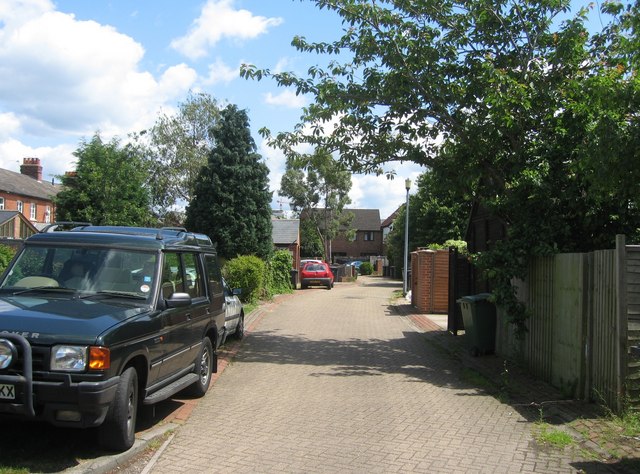
Everything that is not Belfast-specific carries over from the how to pass guide. The one place the process genuinely diverges is booking, because Northern Ireland runs through the DVA rather than the DVSA; the booking guide flags where the steps differ.
Booking and waits
Balmoral has historically been the longer wait of the two main centres, often running into several months at peak demand, with Mallusk typically a few weeks shorter. The DVA runs its own booking and cancellation system rather than the DVSA one, but the principle is the same: released slots appear there day to day and watching for them is the realistic way to move an earlier date forward. Learners who can travel out to Lisburn or Bangor sometimes find the queue noticeably shorter again.
A note on cross-border: Republic of Ireland tests are a separate system and do not count towards a UK licence. Belfast is the right side of the border for a UK licence, with no cross-border complication.
Sources and further reading
The figures, fees, and procedures referenced in this article are verifiable on the official gov.uk pages below. PassRates.uk is built on the Driver and Vehicle Standards Agency’s open data, published under the Open Government Licence.
What is the pass rate at your test centre?
Search by centre name, town or postcode to see the latest DVSA figure.
Frequently asked questions
Does this site list Belfast pass rates?
No. Belfast and the rest of Northern Ireland are administered by the DVA, not the DVSA, so they sit outside the per-centre dataset this site is built on. For official Northern Ireland figures, the DVA is the source. This guide sticks to what is verifiable: the centres, the routes and the booking process.
Is the Northern Ireland driving test different from the GB test?
The format and standard are equivalent. Northern Ireland tests are run by the DVA rather than the DVSA, but the test is structured the same way, the pass mark is the same (15 minor faults max, no serious or dangerous), and the licence you receive is a full UK licence valid across all four nations.
Are Belfast tests held on motorways?
No. Car tests do not use motorways, so you will not drive on the M1 or M2 themselves. The Westlink (a city-centre dual carriageway) and the roads around the motorway junctions do feature, so be ready for higher-speed dual-carriageway driving and confident lane choice.
What are the Glider lanes and do they affect the test?
The Glider is Belfast's rapid-transit bus system, with dedicated Glider lanes along the east-west and north-south routes through the city. Treat them like bus lanes: check the signage for operating hours and avoid them outside permitted use, or you risk a serious fault.
Which Belfast test centre is easier, Balmoral or Mallusk?
Both centres test to the same DVA standard, so the difference is the routes rather than the marking. Balmoral is more central, with more city-centre and Westlink driving; Mallusk leans suburban around Newtownabbey and the M2 corridor. Pick the one whose routes you can practise on.
How long is the wait for a Belfast driving test?
Waits at the Belfast centres can run into several months at peak demand, with Mallusk often a little shorter than Balmoral, and Lisburn or Bangor sometimes shorter again. The DVA runs its own booking and cancellation system; checking daily for released slots is the realistic way to bring a date forward.
Can I take my UK driving test in Belfast and use the licence in England?
Yes. A pass at any Northern Ireland DVA centre gives you a full UK driving licence valid across England, Scotland, Wales and Northern Ireland. There is no separate licence.
Every candidate behind these numbers passed a theory test first. Nationally 44.8% of attempts clear it.
Lorries, buses, motorcycles, trams and how to share the road with them safely. All 14 DVSA topics are free to practise, with no sign up. See the theory pass rate by centre or the full practice hub.
Related guides
Written by Vikas Dulgunde, the software engineer and driving enthusiast behind PassRates.uk. The figures come straight from the DVSA open dataset; see the methodology.
Source DVSA, Open Government Licence v3.0
Continue reading
How to pass your driving test in Nottingham: Chilwell vs Colwick centres, tram routes, university traffic and 50% Nottingham pass rates.
A practical guide to the Sheffield driving test: hilly routes, the centre options, and what makes Sheffield genuinely different from a flat-city test.