How to Pass Your Driving Test in Sheffield
Sheffield is the hilliest major city in England, and that single fact reshapes the driving test. Hill starts on a real gradient, multi-level junctions, and tight steep residential streets all feature, and you have to be ready for them.
Sheffield in the South Yorkshire context
Sheffield is the largest city in South Yorkshire and the regional hub for learners across the wider area, including Rotherham, Doncaster and into north Derbyshire. Pass rates at the Sheffield centres have been running broadly in line with the UK national average of around 48 percent, sometimes a touch higher. Detailed centre-by-centre data is on the Sheffield city page.
South Yorkshire as a region tends to be slightly above the English national average, with smaller centres in nearby market towns producing some of the higher pass rates in the area. The England region overview puts the South Yorkshire numbers into the wider national context.
Centres in and around Sheffield
The main car test centres serving Sheffield are Sheffield Handsworth in the east of the city and Sheffield Middlewood (sometimes referred to as Sheffield North) in the north-west. Handsworth is the busier of the two and tends to have slightly longer waits. There are also nearby centres at Rotherham and Chesterfield, both within a 30 minute drive of central Sheffield, that some learners use as alternatives. The full breakdown is on the Sheffield city page.
Handsworth routes typically include a mix of suburban driving through Handsworth, Darnall and the eastern fringes, with a likely section on the A57 or the Parkway. Middlewood routes lean towards the steeper north-western suburbs around Hillsborough and Stannington, with significantly more gradient to deal with. Both centres include some fast A-road driving.
The hill problem
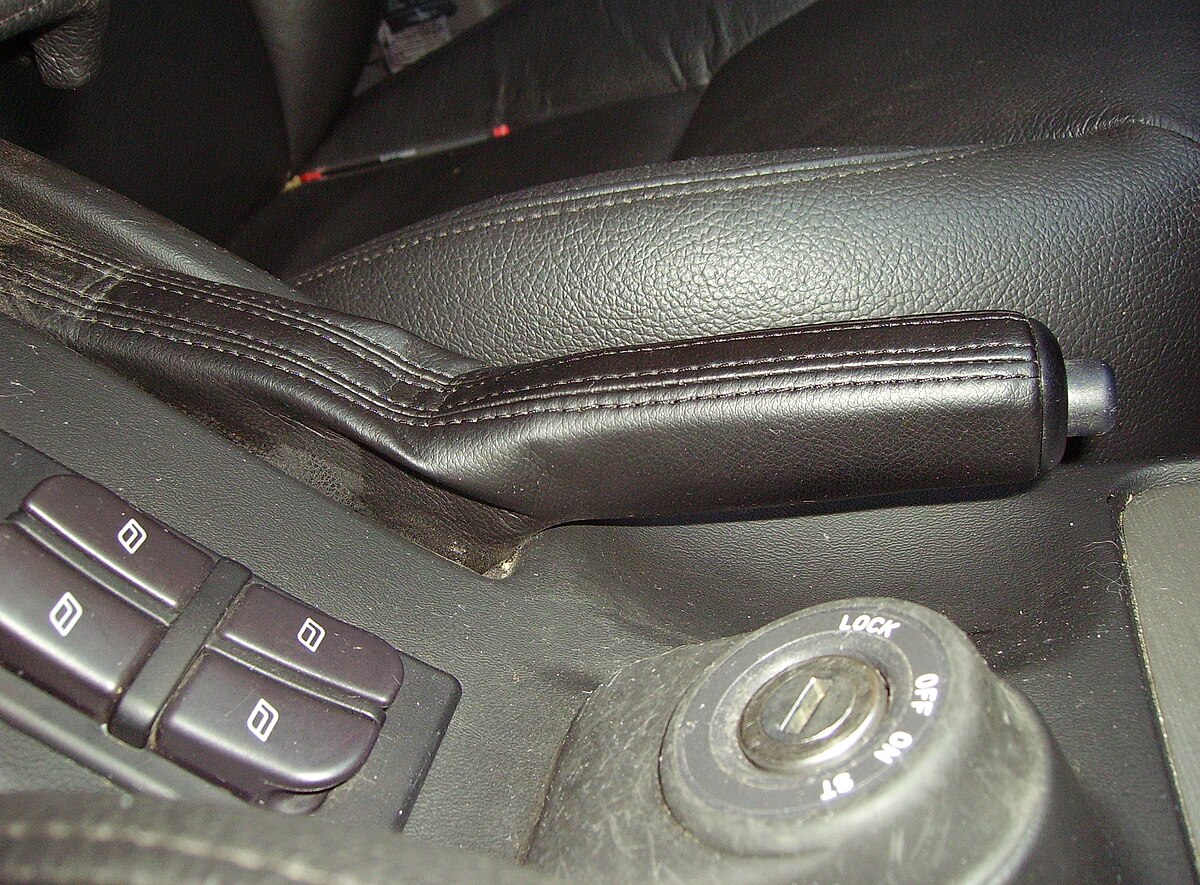
Sheffield is famously hilly, and you cannot drive far in any direction from either centre without meeting a real gradient. This changes the test in three ways. Hill starts have to be smooth and confident on slopes that are noticeably steeper than what you find in Manchester or Leeds. Stopping behind a queue on an uphill is a real test of clutch and handbrake coordination. And the route choices examiners make often deliberately include the steeper streets to assess your control.
- Hill starts on real gradients (the test routes include slopes of 1 in 8 or steeper in places)
- Roundabouts on a slope: Hillsborough Corner and the Wadsley Bridge area are notable
- Multi-level junctions: Park Square roundabout in the city centre is a classic
- Steep residential streets: Crookes, Walkley and Stannington are textbook examples
- The Sheffield supertram lines: tram tracks on Shalesmoor and Infirmary Road need careful crossing
- Bus lanes on the main arterials including Ecclesall Road and London Road
The supertram is the second distinctive feature. Sheffield is one of the few UK cities outside Manchester and Edinburgh with an active street-running tram system. Stopping on the rails or failing to give way is treated as a serious fault. The lines are clearly marked but learners who have not practised tram crossings often hesitate or position the car badly.
Pass rates and how Sheffield compares
On the latest DVSA data the two Sheffield centres sit a couple of points apart, with Middlewood Road in the high 40s and Handsworth in the mid 40s, both within touching distance of the UK average and well clear of the London and Birmingham figures. Of the pair, Middlewood Road is currently the higher-passing, which is worth knowing when you choose. Sheffield does not appear in the easiest centres ranking, which is dominated by small rural centres, but the Sheffield city page carries the current rate and volume for each centre and the highest-volume table places Sheffield in the upper-middle band by test count.
How to prepare specifically for Sheffield
Sheffield preparation splits cleanly by which of the two centres you have drawn, because their routes stress different things. If you are at Middlewood Road, which on the latest DVSA data is the higher-passing of the pair, the steep north-western streets around Crookes and Walkley are where to concentrate: the hill itself is rarely the problem, holding the car calmly on it with traffic behind and an examiner alongside is. If you are at Handsworth, the gradient eases but the eastern routes lean harder on the A57 and Parkway speed sections, so build confidence carrying a steady 40 to 50 mph rather than shrinking back to 30. Both centres share two fixtures worth drilling regardless: the Supertram crossings on Shalesmoor and Infirmary Road, taken square to the rails and never stopped on, and the multi-level Park Square roundabout, which only stops feeling alien after you have driven it several times.

The groundwork that is the same in any city, manoeuvres, observation routine, the show-me tell-me bank, is in the how to pass guide. Put the Middlewood or Handsworth route work on top of it depending on where you are booked.
Booking and waits
Both Sheffield centres carry similar demand and tend to land in the higher band for South Yorkshire on wait time, with Handsworth, the busier of the two, usually the longer wait. For the current figure rather than a number that shifts each quarter, check the Sheffield city page before you book, and use the official cancellation tool to bring a date forward. The booking guide walks through the mechanics.
Rotherham and Chesterfield often have shorter waits and slightly higher pass rates than the Sheffield centres themselves. The should I travel guide covers whether the trade-off is worth it for a given learner.
Sources and further reading
The figures, fees, and procedures referenced in this article are verifiable on the official gov.uk pages below. PassRates.uk is built on the Driver and Vehicle Standards Agency’s open data, published under the Open Government Licence.
What is the pass rate at your test centre?
Search by centre name, town or postcode to see the latest DVSA figure.
Frequently asked questions
What is the pass rate at Sheffield Handsworth?
On the latest DVSA data Handsworth sits in the mid 40s for car tests, a little below Middlewood Road and close to the UK national average. The current quarter for both centres is on the Sheffield city page.
Will I have to deal with steep hills on the Sheffield test?
Almost certainly. Sheffield is one of the hilliest major cities in England and you cannot do a route from either main centre without meeting real gradient. Practise hill starts on slopes of 1 in 8 or steeper before your test.
Are tram tracks an issue on the Sheffield test?
Yes. The Sheffield supertram runs through the city centre and parts of the inner ring road. Stopping on the rails or failing to give way is treated as a serious fault. Practise the tram crossings on Shalesmoor and Infirmary Road before your test.
Which Sheffield test centre is easier, Handsworth or Middlewood?
Middlewood typically runs a couple of percentage points higher than Handsworth. The trade-off is that Middlewood routes tend to involve more steep residential driving, so easier on paper does not always mean easier in practice for a given learner.
How long is the wait for a Sheffield driving test?
Currently 15 to 20 weeks at Handsworth, with Middlewood typically a couple of weeks shorter. Use the official cancellation finder daily to bring it forward.
Should I travel out of Sheffield for an easier test?
Rotherham and Chesterfield often have shorter waits and slightly higher pass rates. They are within a 30 minute drive of central Sheffield and are reasonable alternatives if your nearest centre is fully booked.
Every candidate behind these numbers passed a theory test first. Nationally 44.8% of attempts clear it.
Control in different weather, road surfaces, gradients and at night. All 14 DVSA topics are free to practise, with no sign up. See the theory pass rate by centre or the full practice hub.
Related guides
Written by Vikas Dulgunde, the software engineer and driving enthusiast behind PassRates.uk. The figures come straight from the DVSA open dataset; see the methodology.
Source DVSA, Open Government Licence v3.0
Continue reading
Belfast driving test guide for 2026: the Balmoral and Mallusk centres, Northern Ireland route quirks and DVA booking. Belfast is DVA-run, so it sits outside the DVSA dataset and we keep to the routes and the process.
How to pass your test in Newcastle upon Tyne: Gosforth and Tyneside centres, dual-carriageway and bridge routes, and 48% pass rates against the UK average.