Rural Country Road Driving UK: 60 mph Survival Guide
Rural roads kill more UK drivers than motorways and city streets combined. The cause is rarely raw speed but speed misjudged for blind bends, dropped verges and the hazards a quieter road masks.
Why rural roads are so dangerous
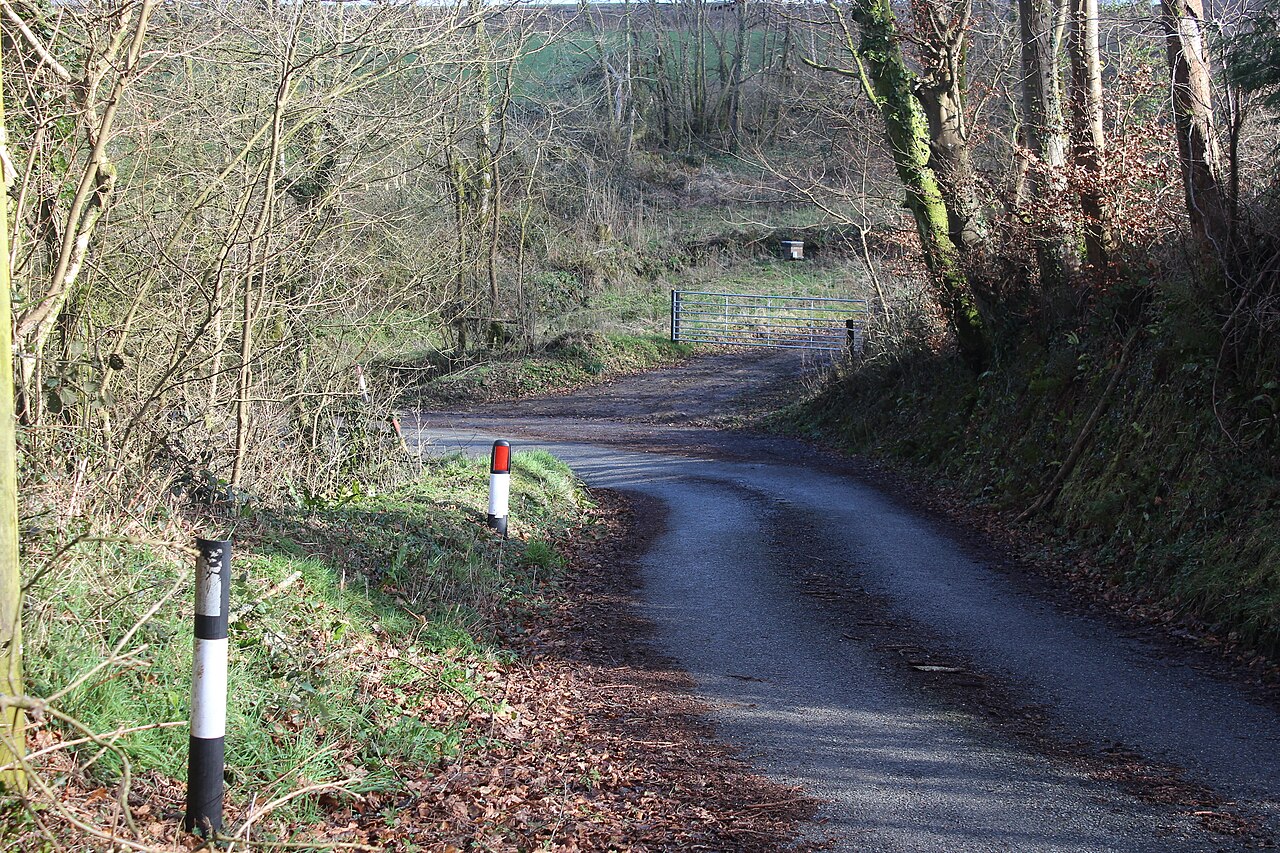
The Department for Transport publishes annual figures on this and the picture has been consistent for years. Roughly 60 percent of UK road deaths happen on country roads, despite them carrying less than half of total traffic. The reasons are simple: higher average speeds, less predictable surfaces, blind bends, oncoming traffic with no central barrier, and a much higher rate of single-vehicle accidents from drivers losing control.

The single biggest mental shift for drivers used to towns and motorways is accepting that the national speed limit (60 mph on a single carriageway) is a maximum, not a target. On most country roads you should be doing significantly less, and adjusting constantly to what you can see.
The vanishing-point rule
The instructor technique that prevents the most accidents on country roads is the vanishing-point rule. Look at the point in the distance where the two edges of the road appear to meet. If that point is moving towards you (the bend is tightening), brake. If it is moving away from you (the bend is opening up), maintain or accelerate. If it is steady, you are at the right speed. This works because it forces you to read the road geometry, not the speedometer.
Combined with the vanishing point, the principle is: only ever drive as fast as you can stop in the distance you can see to be clear. If a tractor pulled out of a hidden field gate, would you stop? If a cyclist appeared around the next bend, would you stop? If the answer is no, you are too fast.
Blind bends and limit points
Approaching a blind bend, do three things. First, position yourself for vision; on a left-hand bend, move slightly right (without crossing the centre line) to see further around. On a right-hand bend, move slightly left. Second, brake before the bend, not in it; braking mid-corner unsettles the car. Third, hold the throttle steady through the apex and only accelerate when you can see the exit.
Common rural hazards waiting around UK blind bends include:
- Tractors and farm vehicles, often turning into hidden field gates
- Cyclists riding two abreast (legal, but slower than expected)
- Horses and riders (always slow, always wide, never sound the horn)
- Mud or gravel on the road from agricultural use
- Oncoming cars cutting the corner from the other direction
- Pedestrians or runners with no pavement to walk on
- Pheasants, deer, and other wildlife, particularly at dawn and dusk
Single-track lanes and passing places
A meaningful chunk of rural England, Wales and Scotland is served by single-track lanes with passing places. The etiquette is well established. Pull into a passing place on your left to let oncoming traffic past. If the nearest passing place is on the right, stop opposite it and let oncoming traffic use it. Never sit in a passing place to chat or take photos. Wave a thank-you when someone pulls in for you.
On Scottish Highland roads particularly, faster traffic behind you can build into a queue. If you are holding three or more cars up, pull into a passing place and let them pass. Stubbornly holding the queue is one of the biggest causes of frustrated overtaking accidents in the Highlands.
Mud, ice, leaves, and surface hazards
Rural roads have surface conditions that A-roads and motorways rarely do. Mud from tractors leaves a slick layer, especially in autumn. Wet leaves on tarmac are as slippery as ice. Frost forms first on bridges and shaded valley bottoms. After heavy rain, fords can be impassable. Treat any unusual road colour or texture as a low-grip section and ease off.
For ice and snow specifically, the snow and ice driving guide covers grip and stopping distances. For visibility, see the fog and rain conditions guide. Both are particularly relevant for rural drivers because the gritters get to country lanes last.
Animals on the road
Deer collisions cause around 74,000 incidents a year in the UK, with peak risk at dawn and dusk between October and December. The Highway Code rule for hitting an animal is counter-intuitive but correct: if a collision is unavoidable, hit the animal rather than swerve. Swerving into oncoming traffic or off the road kills more drivers than the collision would. Brake hard, hold the wheel straight, and accept the impact.
For livestock, sheep, and horses on the road, slow right down, give a wide berth, never sound your horn, and pass at walking pace. A startled horse can kill its rider.
Building rural confidence
If you trained mostly in a town, your first solo country drives need to be deliberate. Pick a route you know in good weather. Drive it slower than you think you need to. Notice where your eyes go, and force yourself to look further ahead. The instinct that makes a good country driver is reading the road as a continuous flow of information, not a sequence of bend, accelerate, bend. That instinct comes with miles, not theory. The Pass Plus course includes a structured rural module if you want guided practice.
Sources and further reading
The figures, fees, and procedures referenced in this article are verifiable on the official gov.uk pages below. PassRates.uk is built on the Driver and Vehicle Standards Agency’s open data, published under the Open Government Licence.
What is the pass rate at your test centre?
Search by centre name, town or postcode to see the latest DVSA figure.
Frequently asked questions
What is the speed limit on a UK country road?
The national single carriageway limit is 60 mph for cars, but this is a maximum. On winding, narrow, or single-track lanes you should normally be well below it. The "drive to the road" principle always overrides the posted limit.
What should I do if a tractor is in front of me?
Be patient. Most tractors will pull over at a field gate or layby within a mile or two. Only overtake if you have a long, clear straight with full visibility of oncoming traffic. Never overtake into a blind bend.
How do I handle passing places on single-track roads?
Pull into a passing place on your left to let oncoming traffic pass. If the nearest passing place is on the right, stop opposite it. Wave thanks when someone pulls in for you. Never use a passing place to park.
What if a deer or sheep runs into the road?
Brake hard, hold the wheel straight, and if a collision is unavoidable, hit the animal rather than swerve. Swerving causes more driver fatalities than animal strikes.
Are country roads more dangerous than motorways?
Per mile travelled, yes, by a wide margin. Country roads account for about 60 percent of UK road deaths despite carrying less traffic. Higher speeds, blind bends, and unpredictable surfaces are the main reasons.
Should I use full beam on country roads at night?
Yes, when there is no oncoming traffic and no vehicle in front of you. Drop to dipped beam as soon as you see oncoming headlights or come up behind another car. The night driving guide covers the technique in detail.
Every candidate behind these numbers passed a theory test first. Nationally 44.8% of attempts clear it.
Sign shapes and colours, road markings and what each one tells you to do. All 14 DVSA topics are free to practise, with no sign up. See the theory pass rate by centre or the full practice hub.
Related guides
Written by Vikas Dulgunde, the software engineer and driving enthusiast behind PassRates.uk. The figures come straight from the DVSA open dataset; see the methodology.
Source DVSA, Open Government Licence v3.0
Continue reading
How to drive UK heavy traffic safely: 2 second gap, smooth stop-start, lane change tactics, and how to avoid the rear-end shunt that ends most no-claims.
UK dual carriageway driving at 70 mph: joining, lane discipline, the difference from a motorway, and 5 mistakes that cause most accidents.