Why Rural UK Test Centres Pass Near 67% vs 33% in Cities
Rural UK centres regularly pass in the mid-60s while the toughest urban centres run in the low-to-mid 30s. The cause is route complexity and traffic density, not lenient examiners.

The highest-passing UK test centres typically post pass rates in the mid-60s, topping out near 67%. The lowest-passing urban centres regularly come in around the mid-30s, with the very toughest near 33%. So the pass rate at the kindest centres is roughly double that at the toughest. Most of the highest-passing centres are rural. Most of the lowest are urban. Why?
Route complexity and junction types
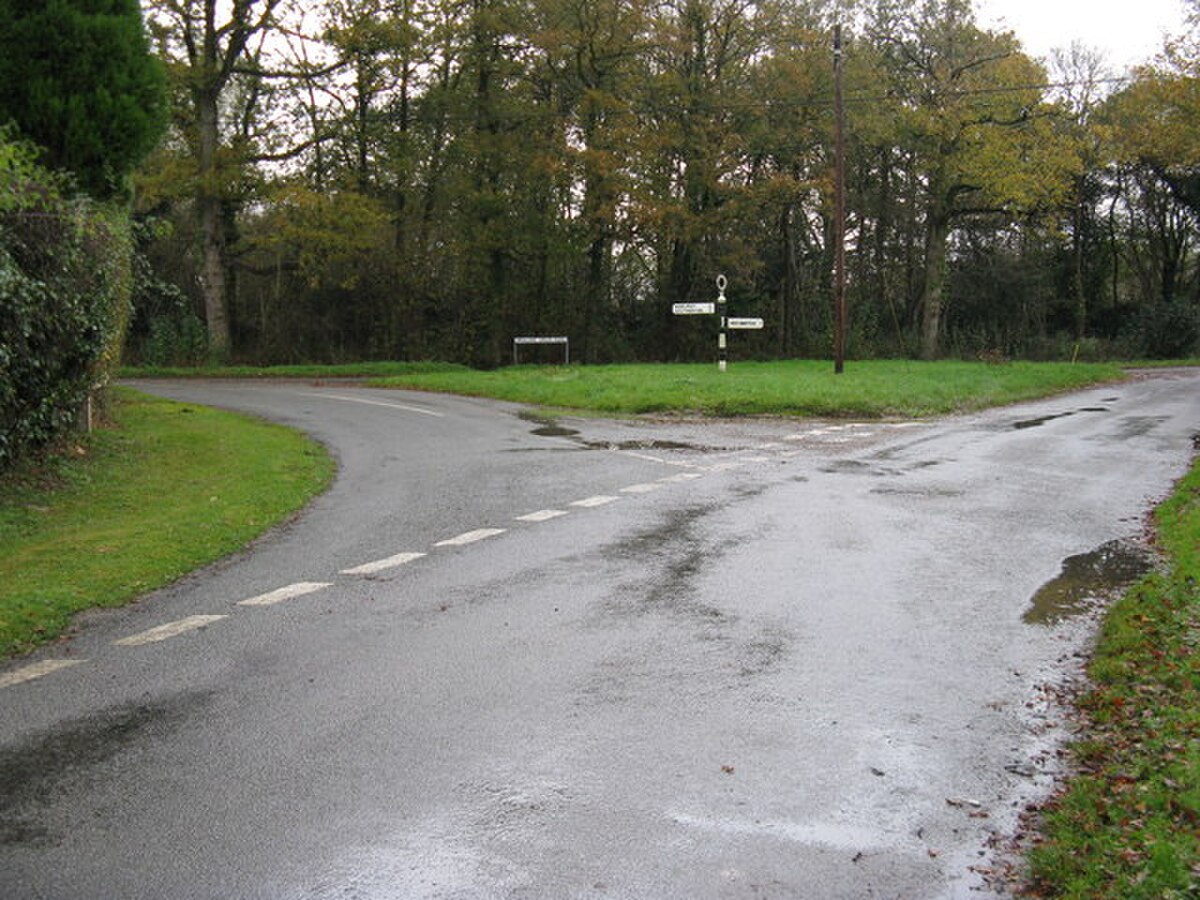
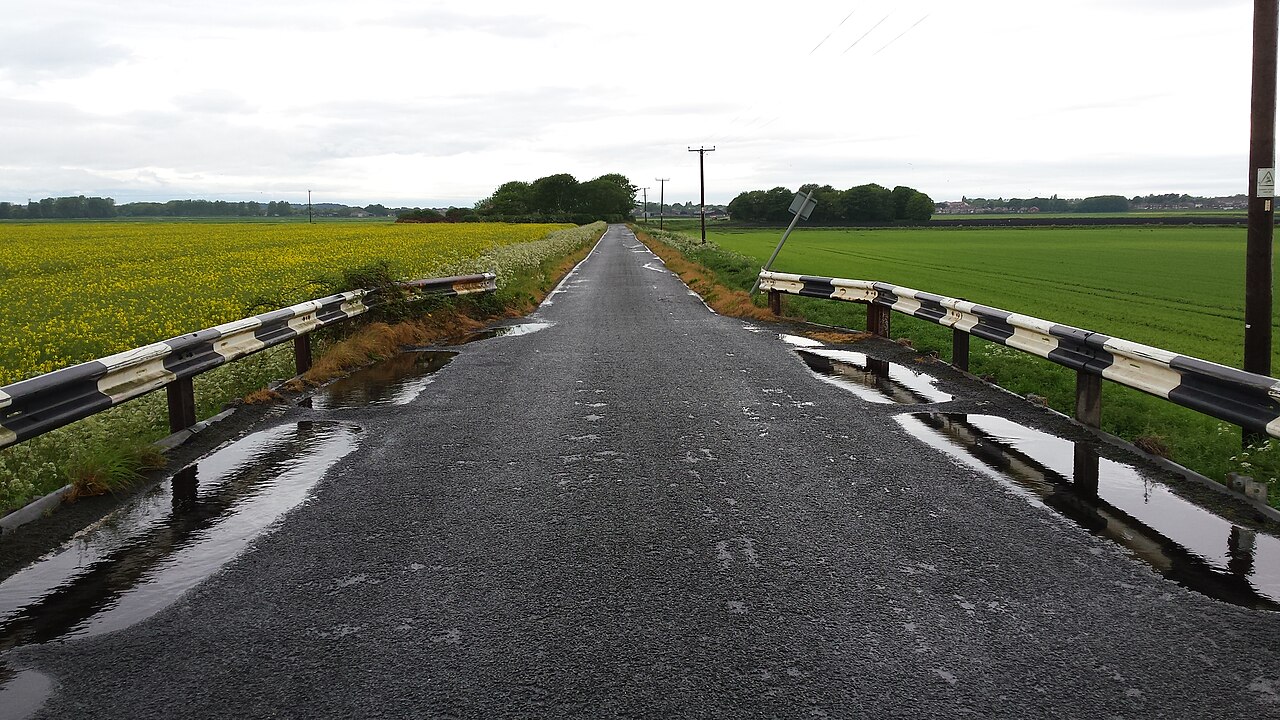
A 40 minute test route covers around 10 to 15 miles. In a rural test centre, those miles are mostly B-roads, single-carriageway A-roads, a couple of village high streets, and maybe one small town centre. In a London test centre, the same 10 to 15 miles can include three roundabouts, two box junctions, a one-way system, bus lanes, cycle lanes, multiple sets of traffic lights, and pedestrians stepping off the kerb every two minutes. Each of those is a chance for an observation fault, a positioning fault, or a delayed reaction.
The DVSA marking is identical at every centre. A serious fault is a serious fault whether it happens in central Glasgow or a Cumbrian village. The difference is the number of opportunities to commit one. More junctions per minute means more chances to make a mistake. That is the single biggest factor in the urban-rural pass-rate gap.
Traffic density
Heavy urban traffic does two things. First, it creates more interactions per minute (cars cutting in, cyclists undertaking, pedestrians crossing) so the candidate has more decisions to make. Second, it forces the candidate to make those decisions under time pressure because the next vehicle is right behind them.
A learner on a rural B-road with no one behind them can take a moment at a junction. The same learner at a London junction with a queue of impatient drivers behind cannot. Time pressure increases mistake rate. Mistake rate translates directly into pass rate.
Junction types and roundabout density
- Roundabouts per route. London routes can include 6 to 10 roundabouts. A rural Welsh route might include 1 or 2.
- Multi-lane roundabouts. These are concentrated in cities and are responsible for many serious faults around lane choice.
- Box junctions. Almost exclusively urban. Wrongly entering one is a common fault.
- Bus lanes. Urban only. Knowing the operating hours and not straying in is something rural learners barely think about.
- Cycle lanes and cycle boxes. Mostly urban, especially London.
- Mini roundabouts. Found in suburban areas, often a confidence test for learners.
Sample size caveats matter
Some of the very highest-passing rural centres test only 200 to 500 candidates a year. That is small enough that one good or bad cohort can move the published pass rate by several percentage points. London centres each test thousands of candidates a year, so their pass rates are statistically much more stable.
When you see a rural centre at 78% one year and 65% the next, that is mostly noise from small samples, not a meaningful change. When a large London centre testing thousands of candidates a year moves by a point or two between years, that is a real signal because the sample is large enough to trust the change.
When easier really is easier (and when it is not)
If a candidate has been learning in city traffic for the entire learning process, dropping into a rural test on familiar-style roads is a genuine boost. The skills they have built (urban observation, tight lane discipline, multi-lane roundabouts) are not tested as heavily, and their preparation comfortably covers the rural route.

If a candidate has been learning in their rural area and takes the test there, they have not gained anything from the easier centre because that is just their normal driving environment. Their pass rate is in line with their actual skill.
If a candidate has been learning in a small town and travels two hours to a remote rural centre they have never seen, the unfamiliarity can offset the easier route. A rural route is not necessarily easy if you have never driven on it. Single-track roads with passing places and unmarked T-junctions confuse learners used to suburban roundabouts.
Practical strategy
For a London learner deciding whether to travel, two things matter. First, has the learner had at least three or four lessons on the actual roads around the target centre? If not, the unfamiliarity can wipe out the pass-rate advantage. Second, can the learner get to the centre comfortably on test morning without rushing? A two hour drive on test morning is bad preparation regardless of how easy the centre is.
Our easiest vs hardest centres guide covers the trade-off in detail. The easiest centres ranking lists the actual top 50, and the hardest centres ranking lists the bottom 50. To browse rural areas specifically, see Scotland and Wales, both of which have a higher density of high-pass-rate rural centres than England does.
For city-specific context on why urban centres run lower, our Why London test centres are hard explanation and the London driving test guide cover the route specifics. National figures live on the stats page.
Sources and further reading
The figures, fees, and procedures referenced in this article are verifiable on the official gov.uk pages below. PassRates.uk is built on the Driver and Vehicle Standards Agency’s open data, published under the Open Government Licence.
What is the pass rate at your test centre?
Search by centre name, town or postcode to see the latest DVSA figure.
Frequently asked questions
Are rural test centres genuinely easier or just easier-looking on paper?
Both. Routes are objectively less complex (fewer junctions, less traffic) so genuinely easier in raw terms. But small sample sizes inflate the gap on paper. The real advantage is around 10 to 15 percentage points, not the 30 plus you sometimes see in headline figures.
Should I travel for an easier test centre?
Only if you can get there comfortably on test morning and have at least a few lessons on the local routes first. Travelling cold to an unfamiliar centre often cancels out the advantage.
Is the marking different at rural centres?
No. DVSA marking is identical nationally. The difference is the route, not the examiner standards.
Why are sample sizes such a big deal?
A centre testing 300 people a year can swing 5 percentage points based on one good or bad cohort. A London centre testing 5,000 a year is much more statistically stable. Always check the sample size when comparing rural to urban pass rates.
Which UK regions have the highest pass rates?
Rural Scotland, Wales, and parts of northern England consistently top the lists. The very highest-passing centres are usually small island or remote-rural sites.
Do examiners at rural centres pass more out of leniency?
No. Examiners are nationally trained and rotate between centres. The pass rate difference is the route, not the examiner.
Where can I see the actual rural vs urban pass rate data?
Our easiest centres ranking and hardest centres ranking pages list current DVSA pass rates by centre. The stats page has the national breakdown.
Every candidate behind these numbers passed a theory test first. Nationally 44.8% of attempts clear it.
Speed limits, parking, junctions, roundabouts and right of way. All 14 DVSA topics are free to practise, with no sign up. See the theory pass rate by centre or the full practice hub.
Related guides
- London and regional analysisEasiest London centreRead guide
- London and regional analysisEasiest Manchester centreRead guide
- London and regional analysisManchester vs LiverpoolRead guide
- London and regional analysisEasiest Newcastle centreRead guide
- London and regional analysisEasiest Sheffield centreRead guide
- London and regional analysisEasiest Edinburgh centreRead guide
Written by Vikas and the PassRates.uk team. Vikas is the software engineer and driving enthusiast who started the site. The figures come straight from the DVSA open dataset; see the methodology.
Source DVSA, Open Government Licence v3.0
Continue reading
How to pass your driving test in Cardiff: which DVSA centre to pick, route demands, and how the 50%+ Cardiff pass rate compares to the UK average.
Most UK learners pass aged 17 (60.75%, highest of any age) or 18. By 45+ the pass rate falls to 36.44%. Full DVSA 2024-25 breakdown by age band and first-attempt rates.