UK D1 Minibus Licence: 9 to 16 Seats, Cost in 2026
Cat D1 is the UK licence for minibuses with 9 to 16 seats. Many pre-1997 licence holders already have it; for everyone else, expect a medical, theory and practical test costing £1,500 to £2,500 end to end.
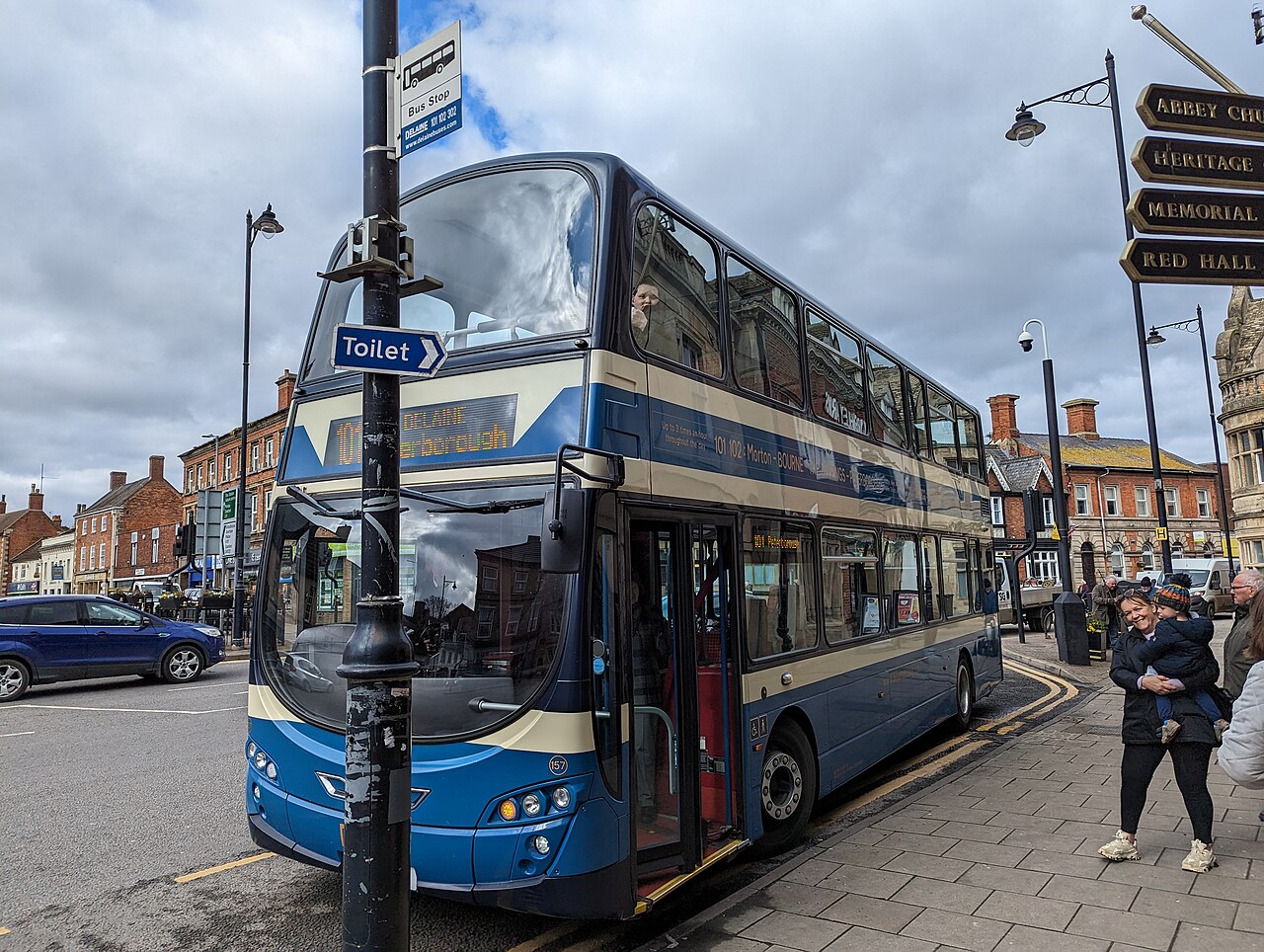
What Cat D1 actually covers
Cat D1 is the DVSA category for minibuses with between 9 and 16 passenger seats and a maximum length of 8 metres. It is the licence you need to drive school minibuses, community transport vehicles, charity outreach vans, and many small private hire shuttles. Anything larger (more than 16 seats or longer than 8 metres) needs the full Cat D bus and coach licence, which is covered in the bus and coach PCV guide.
A separate add-on category, D1+E, lets you tow a trailer over 750 kg behind a D1 vehicle. Most D1 holders never need this, so unless your work specifically involves a passenger or equipment trailer, the basic D1 is usually enough.
The pre-1997 grandfather rule
The most important thing to check first is whether you already hold D1. If you passed your UK car test before 1 January 1997, your licence almost certainly shows Cat D1 listed automatically, but with a 101 restriction code. The 101 means you can drive a 9 to 16 seat minibus, but only on a not-for-hire-or-reward basis. In practical terms this covers volunteer driving for a charity, school or community group, but not paid commercial work.
To check, look at the back of your photocard or sign in to the DVLA View Your Driving Licence service. If D1 (101) is listed, you can drive a minibus tomorrow without further training, provided you stay within the not-for-hire-or-reward boundary. Drivers who passed after 1 January 1997 do not have any D1 entitlement automatically and have to apply for it through the standard route below.
The DVSA testing route
For drivers without grandfathered D1, the application path looks like this. First, complete a DVLA D4 medical with a registered medical examiner. The eyesight, cardiovascular and neurological standards are the same as for any vocational licence. Second, send the completed D4 plus the D2 application to DVLA to get a provisional D1 added to your licence. Third, sit the PCV Theory test, which is the standard multiple choice plus hazard perception in PCV-specific format. Fourth, sit the PCV Practical Driving test in a qualifying minibus. There is no Mod 4 case-studies test for D1 unless you also need a CPC for commercial driving.
Total testing time is typically 6 to 10 weeks if you train through a specialist school. Many community transport operators run their own training under MiDAS (Minibus Driver Awareness Scheme), which is not a DVSA licence in itself but is widely accepted as a training top-up alongside D1.
Costs to budget for
- D4 medical: £60 to £140
- Provisional D1 entitlement: free to add to your licence
- PCV Theory test: £26
- PCV Practical Driving test: £115 weekday, £141 weekend
- Specialist training course (3 to 5 days): £900 to £1,800
- MiDAS training (optional, often required by employers): £75 to £150
Total realistic budget: £1,200 to £2,400 for the full route. Charities and schools often subsidise drivers who agree to a minimum service commitment, so it is worth asking your employer or volunteer body before paying out of pocket.
D1 with or without a CPC
A Cat D1 by itself lets you drive a minibus on a not-for-hire-or-reward basis, the same boundary that applies to grandfathered drivers. To carry passengers commercially (charging fares, contracted shuttle work, paid school transport), you also need a Driver Certificate of Professional Competence on top of D1. The Driver CPC modules guide walks through the four modules in detail. Most volunteer-only minibus drivers stop at D1 and never need the CPC.
Choosing a training school
D1 training is more specialist than the general car driving school. Look for a provider that specifically lists D1 as a vehicle category, has a qualifying minibus available, and shows DVSA test slot availability at a centre near you. The Community Transport Association maintains a directory of accredited trainers across the UK that focus on the volunteer-driver market. For commercial-route training, the larger national HGV schools often offer D1 alongside their main HGV portfolio, which is useful if you are also pursuing the HGV Cat C licence.
On-road test specifics
The D1 practical test is run from a DVSA HGV/PCV centre, not the standard car centre. The test lasts around 90 minutes and includes off-road manoeuvring (reversing in a yard, controlled stop) plus an on-road drive covering urban, rural and dual carriageway sections. Examiners are looking for smooth control of a much heavier vehicle than learners are used to from car driving, plus correct mirror discipline and lane positioning given the wider footprint. Passenger comfort is part of the marking, so heavy braking or sharp cornering counts against you.
Pass rates at first attempt for Cat D1 sit roughly in line with the HGV Cat C pass rate, in the high 50s. The most common cause of failure that instructors report is poor positioning at junctions, where learners do not adjust enough for the longer wheelbase compared to a car.
Renewals and ongoing checks
Once granted, Cat D1 renews every 5 years from age 45 and every year from age 65, each renewal requiring a fresh D4 medical. There is no separate practical re-test unless you let the licence lapse for an extended period or the DVLA medically suspends and reinstates you. Many older volunteer drivers retain D1 well into their 70s by completing the annual medical reliably.
For the broader UK driving licence picture, the main pass guide covers the foundation. The guides hub has the full library of vehicle-category and centre-specific articles.
Sources and further reading
The figures, fees, and procedures referenced in this article are verifiable on the official gov.uk pages below. PassRates.uk is built on the Driver and Vehicle Standards Agency’s open data, published under the Open Government Licence.
What is the pass rate at your test centre?
Search by centre name, town or postcode to see the latest DVSA figure.
Frequently asked questions
Do I already have a D1 minibus licence?
You probably do if you passed your UK car test before 1 January 1997. Check the back of your photocard or use the DVLA View Your Licence online service. If D1 (101) is listed, you have grandfathered entitlement for not-for-hire-or-reward driving.
Can I get paid to drive a minibus on a D1?
Only if you also hold a Driver CPC. Cat D1 alone covers volunteer and not-for-hire-or-reward driving. Any paid passenger work needs CPC on top.
How long does it take to add D1 to my licence?
Typically 6 to 10 weeks from starting the medical to passing the practical test, assuming you train through a specialist school.
How much does a D1 licence cost?
Realistic total is £1,200 to £2,400 including medical, DVSA fees and training. Charities and schools sometimes subsidise the training in exchange for a service commitment.
What is the difference between D1 and full Cat D?
D1 covers minibuses with up to 16 passenger seats and a maximum length of 8 metres. Full Cat D has no upper seat limit and is the licence for buses and coaches.
Do I need a CPC for D1?
Only for commercial work. Volunteer drivers, school minibus drivers and community transport volunteers can operate on D1 alone, with no CPC required.
Related guides
- Bus and taxiBus and Coach (PCV) LicenceRead guide
- Bus and taxiTaxi Licence ProcessRead guide
- Bus and taxiPrivate Hire LicenceRead guide
- Becoming an instructor or examinerDriving Instructor (ADI)Read guide
- Becoming an instructor or examinerDriving Examiner (DVSA)Read guide
- Foreign and internationalForeign Licence ConversionRead guide
Written by Vikas Dulgunde, the software engineer and driving enthusiast behind PassRates.uk. The figures come straight from the DVSA open dataset; see the methodology.
Source DVSA, Open Government Licence v3.0
Continue reading
UK hackney carriage taxi licence: council application, knowledge test, DBS, medical and vehicle plate, with 8 to 16 week timeline and £350 to £900 in fees.
UK Cat D bus and coach (PCV) licence: minimum age, medical, theory, 4 modules, costs, and the order to take them. D1 minibus or full D explained.