Is the UK Driving Test Too Hard? A 49% Pass Rate Examined
Nearly half of all UK learner drivers fail their practical test. That number has been largely stable for years, and recently attracted international attention as evidence the UK system is uniquely demanding. There is something to that. But there is also something important those articles left out.
What does a 48.7% UK driving test pass rate actually mean?
A national pass rate of 48.7% does not mean 51% of people who sat the test are bad drivers. It means they did not reach the required standard on that day, on that route, with that examiner. Many go on to pass on a second or third attempt. A significant proportion of learners who fail in April pass by September. The pass rate is a snapshot of first-attempt performance across the full range of candidates, not a permanent verdict on a person's driving ability.
- Tests delivered 2024-25
- 1.84mDVSA record
- Pass rate 2024-25
- 48.7%around 893k passes
- Minor faults allowed
- 1516th = automatic fail
- Serious / dangerous allowed
- 0single fault ends test
- Avg pre-test hours UK
- ~47 hrno legal minimum
- Avg pre-test hours France
- ~30 hrbut mandatory floor
- Min wait after fail
- 10 wk-daysinteracts badly with 16+ wk queue
The DVSA delivered 1.84 million practical car tests in 2024-25 (DRT122A: 1,836,558 tests). Of those, roughly 887,000 passed on that attempt. The other 949,000-plus eventually get there too, in most cases. The headline pass rate, without that context, tells less than half the story.
What is missing when you compare the UK driving test to Europe?
You will often see the UK's 48.7% pass rate compared to Germany, where first-time pass rates are typically in the 65% range, or France, where rates sit closer to 55 to 60%. The argument then runs: other countries are better at this, the UK test must be too hard, something must change.
What that argument leaves out is mandatory minimum training. In Germany, a learner must complete a statutory number of training sessions including compulsory night driving and motorway driving before they can sit the practical test. France requires at least 20 hours of professional instruction, with most driving schools recommending closer to 30 to 35 before a candidate is ready. The Netherlands has similar minimums. By the time a candidate sits their test in those countries, they have completed a legally enforced baseline of structured preparation.
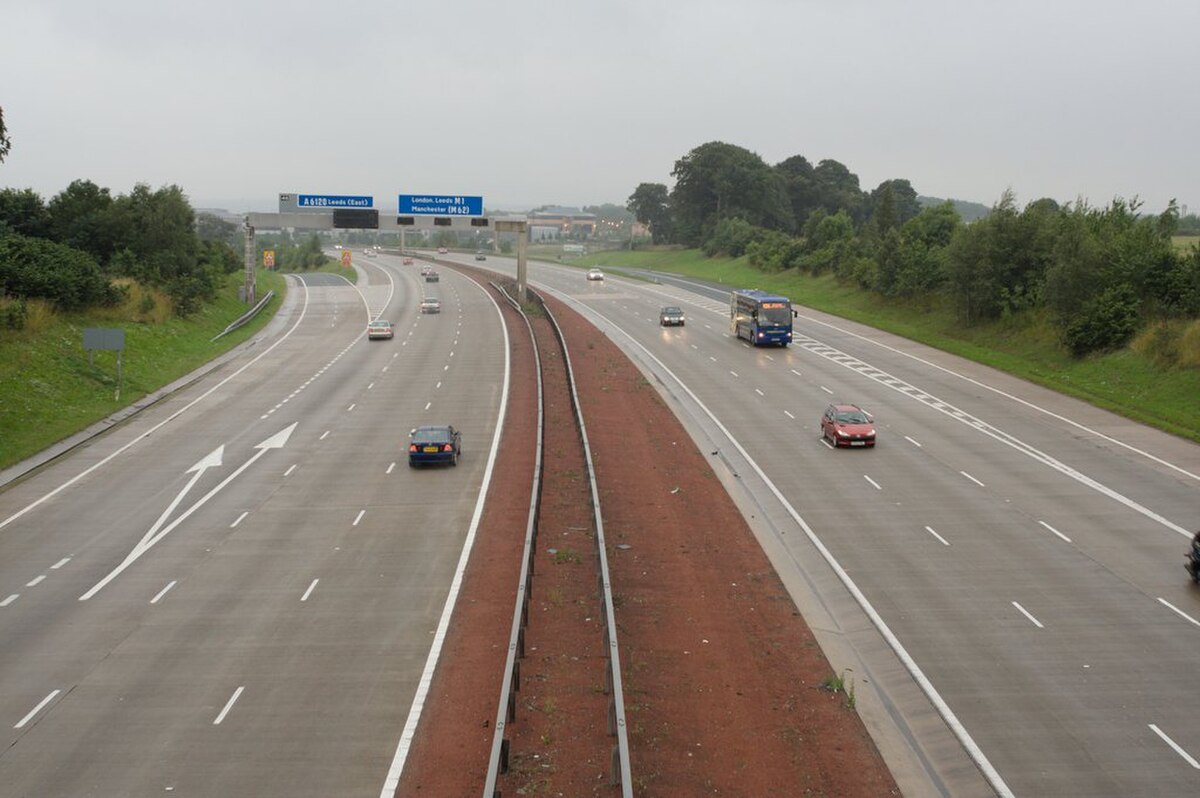
The UK has no mandatory minimum hours. A learner can, legally, book and sit a practical test after a single lesson. In practice the average UK candidate takes around 47 hours of professional instruction before passing. But average means some take considerably fewer. That left tail of the distribution, candidates sitting tests before they are genuinely ready, pulls the headline pass rate down without reflecting anything about the test standard itself. A minimum-hours requirement would raise the UK pass rate without changing a single marking criterion.
What does UK driving test failure data actually show?
The DVSA publishes the most common reasons for failing each year. The list is consistent: junction observation, mirror use before changing direction, steering control, response to traffic lights, and positioning during normal driving. These are not obscure or arbitrary standards. They are the foundations of safe road use, and they require practice to perform reliably under the pressure of a test.
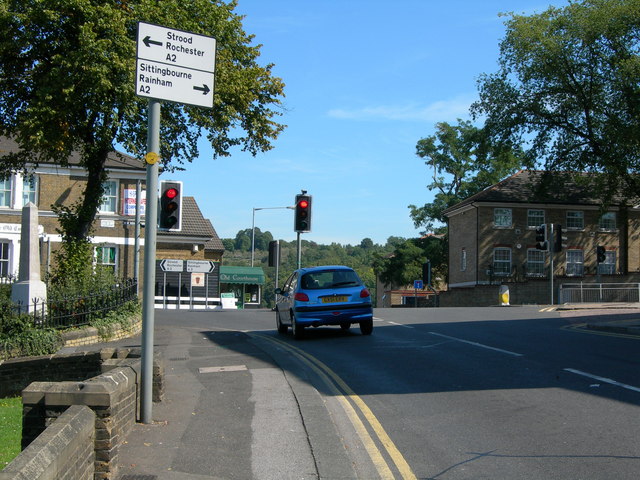
The pattern suggests that most candidates who fail are not attempting an impossibly high standard. They are attempting the test before their observation and hazard responses have become automatic enough to hold up for 40 minutes with an examiner in the car. More practice hours would fix most of the failure reasons on that list. The fault types guide covers each category in detail, and the why people fail breakdown shows exactly which are most common.
Is the pass mark itself reasonable?
The marking standard for a practical car test allows up to 15 driving faults, which are minor imperfections, a slightly late mirror check, a hesitant position at a junction. A single serious fault causes an immediate fail. Serious faults represent a genuine risk to other road users. Dangerous faults are actual incidents on the road.
In my view, allowing 15 minor imperfections across a 35-40 minute drive is not a punishing standard. It is a standard that allows for the nervousness of a test day while still requiring broadly competent, consistent driving. The zero-tolerance on serious faults is exactly right. Serious faults in a driving test are not merely exam errors. They are the kind of decision that, on a real road in real conditions, causes the accidents that fill A&E departments. That line is not too high. If anything, the tolerance for 15 minor faults is the lenient part.
What part of the UK driving test system IS genuinely too hard?
The current minimum wait to rebook after a fail is 10 working days. Taken in isolation, that is a reasonable friction mechanism designed to ensure candidates return after proper additional practice rather than immediately retesting. The problem is not the 10 days. It is the interaction of 10 days with current wait times of 16 to 22 weeks for new bookings.
A candidate who fails by a fraction, one serious fault on an otherwise clean test, faces a realistic timeline of five to six additional months before their next attempt. That includes the 10-day wait, then joining the back of a queue that is currently stretching past four months at many centres. The financial cost of that, in additional lessons, a second test fee of £62, and potentially lost job or university opportunities, is significant. This is the legitimate part of the "too hard" argument. Not the test standard itself, but the penalty structure around failure.
Is the UK driving test too hard? The verdict
The UK driving test is not too hard. The standard, 15 minors and zero serious faults, is defensible. The most common failure reasons are fixable preparation gaps, not evidence of an impossible bar. The lower pass rate compared to some European countries reflects the UK's open-access booking system, not a harder test. That is the honest reading of the data across 26.6 million tests.
What is genuinely difficult about the UK system right now is the combination of long wait times and the rebooking gap, which turns a single fail into a five-month delay. Reform there would do more for learners than any softening of the pass mark. If you are preparing, the pass rate by age guide and the wait times overview for 2026 are the two most useful numbers to know before you book.
Sources and further reading
The figures, fees, and procedures referenced in this article are verifiable on the official gov.uk pages below. PassRates.uk is built on the Driver and Vehicle Standards Agency’s open data, published under the Open Government Licence.
What is the pass rate at your test centre?
Search by centre name, town or postcode to see the latest DVSA figure.
Frequently asked questions
What is the UK driving test pass rate?
48.7% across all car test centres nationally in 2024-25. This varies significantly by location, from around 33% at the hardest centres to above 65% at remote rural centres with small test volumes. The national average has sat in the 47 to 49% range for most of the past decade.
Is the UK driving test harder than in other countries?
Not necessarily harder in terms of the standard you must reach, but the UK has no mandatory minimum training hours before you can book. Countries like Germany and France require statutory training, including motorway and night driving, before candidates can sit their test. Comparing raw pass rates without accounting for minimum preparation requirements does not tell you what it appears to.
Why do so many people fail the UK driving test?
The most common failure reasons are junction observation, mirror use, and steering control. These are preparation gaps rather than evidence of an impossible standard. Most candidates who fail go on to pass on a subsequent attempt. The why people fail guide covers the full list.
Can you sit the UK driving test without any lessons?
Yes, legally. There is no mandatory minimum number of lessons. In practice the average learner takes around 47 hours of professional instruction before passing, but candidates can and do book earlier than that, which is part of why the national pass rate sits around 48.7%.
What is the pass mark for the UK driving test?
A maximum of 15 driving (minor) faults, with zero serious or dangerous faults. A single serious fault is an immediate fail regardless of how well the rest of the test went. The standard is explained in full in the driving test faults guide.
How long do you have to wait to rebook after failing the driving test?
A minimum of 10 working days. With current booking wait times of 16 to 22 weeks, a single fail can add five to six months to the overall timeline in practice. Book or search for cancellations the same day you fail to minimise that gap.
Is the UK driving test getting harder over time?
The test format has changed: the independent driving section was extended from 10 to 20 minutes in 2017, and sat-nav directions replaced following road signs. But the marking standard has not meaningfully changed. The pass rate in the high 40s is consistent with where it was before those format changes.
Every candidate behind these numbers passed a theory test first. Nationally 44.8% of attempts clear it.
Following distances, courtesy, priority and how to behave around other road users. All 14 DVSA topics are free to practise, with no sign up. See the theory pass rate by centre or the full practice hub.
Written by Vikas Dulgunde, the software engineer and driving enthusiast behind PassRates.uk. The figures come straight from the DVSA open dataset; see the methodology.
Source DVSA, Open Government Licence v3.0
Continue reading
Emergency stops cut from 1-in-3 to 1-in-7. Mandatory stops down from 4 to 3. More rural roads. The November 2025 changes most learners still don't know.
Oxford Cowley passed 48.2% in 2024-25. The routes, the Headington roundabout that decides most fails, and how to prepare for cyclists on Cowley Road.