Top 8 Mod 2 Fail Reasons UK 2026 (And the Fix for Each)
Most UK Mod 2 fails come from 8 recurring mistakes that instructors see every week. Knowing the patterns and the fix for each is the fastest way to lift your pass odds.
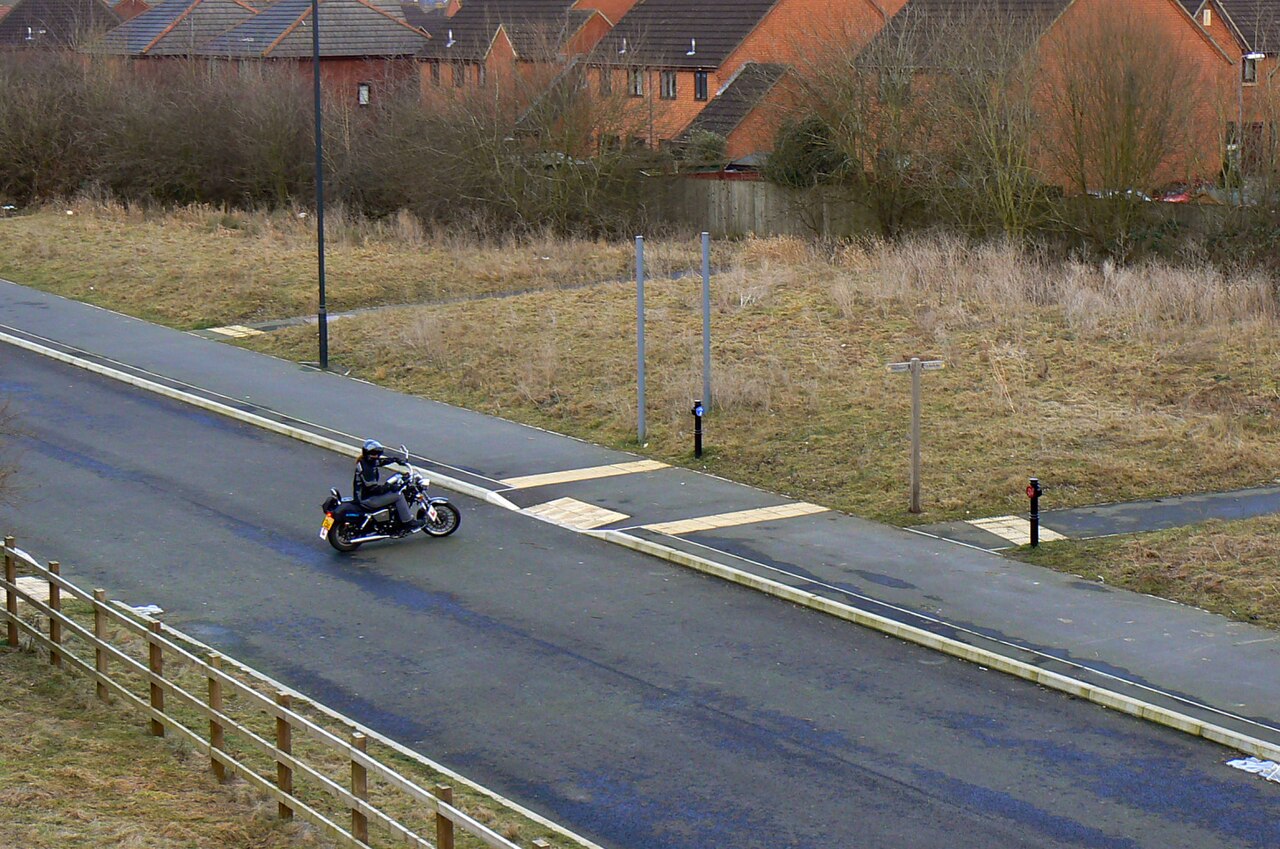
Observation at junctions
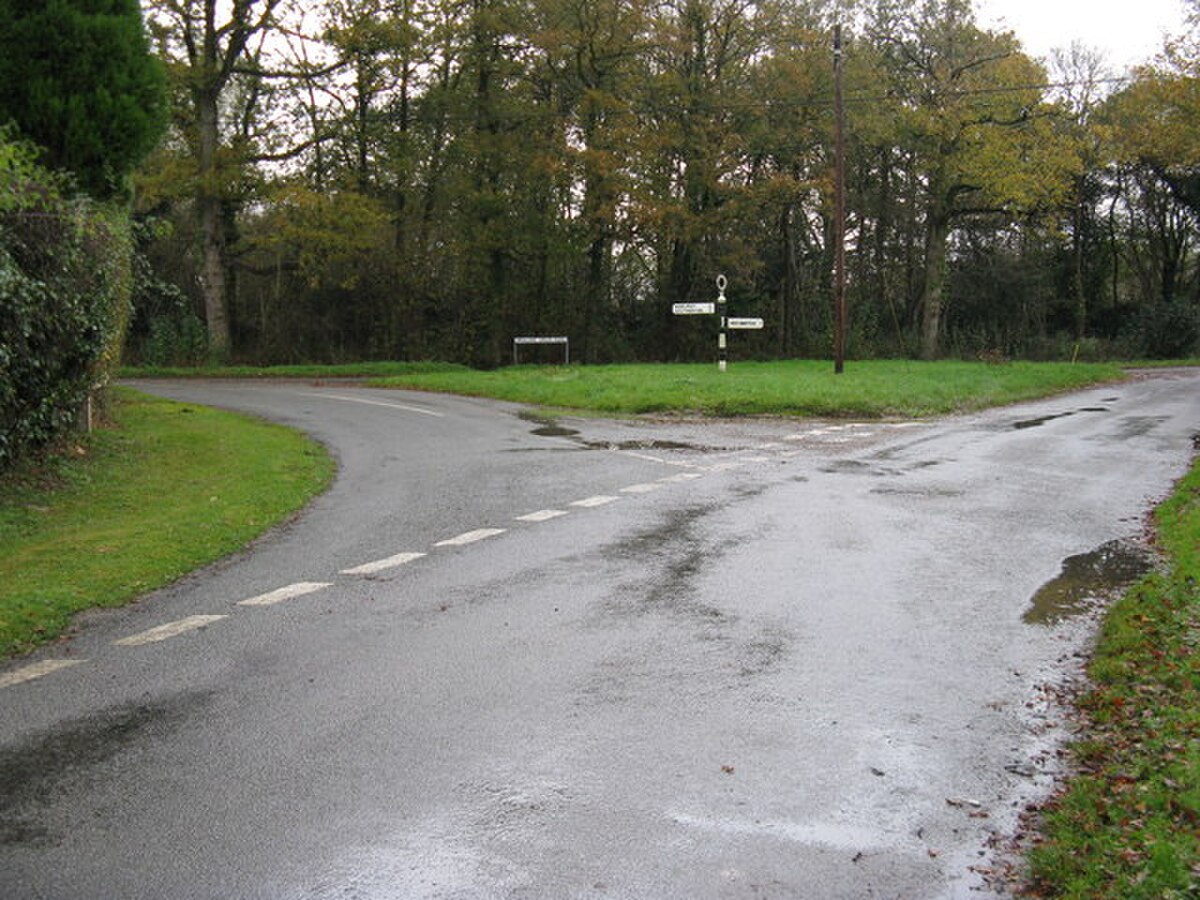
Junction observation is the single most common Module 2 serious fault, both for first-time candidates and for retakers. The pattern is simple: the rider arrives at a junction, looks one way, does not look the other, pulls out anyway. Examiners are watching your head movement specifically, not just your eye direction. They want to see your helmet turn clearly to the left and to the right before you commit.
The fix is mechanical: every junction, every time, head turns left then right then left again, even if the road is empty. Make it a physical habit. Examiners will mark you down for not looking even if there is no traffic, because the standard is consistent observation, not reaction to traffic. This is the same logic as the car test fault structure but the head movement on a bike is much more visible to the examiner behind you.
Lifesaver checks
Lifesaver checks are bike-specific and they trip up almost every Module 2 candidate at some point. A lifesaver is a final shoulder check, over the right shoulder for a right turn or lane change, over the left for a left turn or lane change. It happens after the mirror check and after the signal, immediately before the manoeuvre. Examiners want to see your helmet move clearly, not a quick eye flick.
Missed lifesavers are most common before pulling out from the kerb, before changing lanes on a dual carriageway, before turning right at a junction, and before the U-turn. Any one of those without a clear head turn is usually a serious fault. The fix is the same as for junction observation: build it into the muscle memory so the helmet turns whether traffic is there or not. By the time you are sitting Mod 2 the lifesaver should be automatic. Our Mod 2 route tips covers the lane-change and U-turn timing in detail.
Speed control
Speed faults split into two patterns. First, undue hesitation: riding 38 miles an hour in a 50 zone because you are not confident, holding up traffic, refusing to commit to safe overtakes. This is marked because it shows you cannot ride to the conditions. The fix is simply confident throttle use. If the limit is 50 and the road is clear, ride at 48 to 50, not 35.
Second, exceeding the limit. This is rarer in candidates because most are nervous and ride below limits, but on a powerful A category bike it is easy to drift over 50 in a 40 zone if you are not watching the speedo. Brief glances at the speedo are expected (a fault for not checking is rare, but a fault for being 5 mph over a posted limit is common). The bike instinct of "if it feels like 40 it probably is" is not reliable, especially on the kind of well-mannered modern bike most schools provide.
Road position
Road position faults come in three flavours. Riding too far to the kerb, riding too far towards the centre line, and drifting between positions when going through a bend. Examiners want to see you in the centre of the lane unless you have a specific reason to be elsewhere (overtaking parked cars, positioning for a right turn). Drifting without intent is the marked behaviour.
- Default position: centre of your lane on most roads
- Approaching a left bend: slightly right of centre to improve sightline (but not over the centre line)
- Approaching a right bend: slightly left of centre, so a vehicle coming the other way around the bend has more space
- Past parked cars: offset right to clear them by at least a metre
- In slow traffic: do not lane-split unless explicitly trained to and the examiner has not warned against it for that route
On the dual carriageway, road position is simpler: centre of the left lane unless overtaking, centre of the right lane while overtaking, then back to centre of the left as soon as the overtake is clean. Lingering in the right is a marked fault. See our Mod 2 vs car test comparison for how the marking sharpens versus the car practical.
U-turn confidence
The U-turn on Module 2 is the manoeuvre that produces the most fails by some margin. The fault patterns: putting the front wheel on the kerb on the far side (insufficient lock or wrong line), stopping the bike and walking it round (immediate fail), stalling halfway through, missing the lifesaver before turning. The Module 1 U-turn pad practice does not prepare you fully for the road U-turn, because road conditions add traffic, surface variation and the fear of stalling in a real lane.
The fix is repeated practice on actual roads in the lead-up to the test. Most schools include U-turn practice in the Mod 2 syllabus, but if yours has not been heavy on it, ask for a session focused specifically on real-road U-turns at the speeds you will use them. Light pressure on the rear brake to stabilise, full lock, eyes up at where you want to end up, do not look at the kerb you are trying to avoid. Looking at the kerb is the single biggest cause of riding into it. The same head-up principle from the Mod 1 U-turn guide translates directly, and it matters again later, since carrying a pillion after Mod 2 shifts the balance point at slow speed.
Independent ride mistakes
The independent ride section produces a specific cluster of fails. Riders concentrate so hard on reading signs that they forget to ride, missing observations, taking junctions hesitantly, drifting on road position. Examiners notice this immediately. The fix is to keep your riding standard up while reading signs, which means using mirrors and observation as your default while sign-reading is the secondary task, not the other way round.
A second pattern: panicking when a sign is unclear. The examiner does not punish a wrong turn (they will reroute you), but they do punish bad riding in response to confusion. If you genuinely cannot see the next sign, just keep riding straight and the examiner will eventually intervene. Do not stop, do not slow dramatically, do not change lane suddenly to look at a sign. The Mod 2 test day checklist covers radio comms setup so a fuzzy briefing does not start the panic.
Failure to anticipate
A subtler fail pattern: not anticipating the actions of other road users. A pedestrian about to step out, a car about to open a door, a cyclist about to swerve. Examiners mark anticipation as part of overall hazard reading. A bike rider who only reacts when the hazard is fully visible is making the test harder than it needs to be. Most candidates pass on the obvious calls (red light, vehicle braking ahead) but fail on the subtle ones.
The fix is reading the wider scene. Look 12 seconds ahead, not 2. Watch for body language from drivers and pedestrians. The car test version of this advice translates almost exactly to bikes, but the bike rider has the advantage of better visibility from a higher seat and can see further ahead than a car driver. Use that.
Sources and further reading
The figures, fees, and procedures referenced in this article are verifiable on the official gov.uk pages below. PassRates.uk is built on the Driver and Vehicle Standards Agency’s open data, published under the Open Government Licence.
What is the pass rate at your test centre?
Search by centre name, town or postcode to see the latest DVSA figure.
Frequently asked questions
What is the most common Module 2 fail reason?
Observation at junctions. Examiners want to see your helmet turn clearly left and right before you commit, even if the road is clear. A quick eye flick is not enough.
What is a lifesaver check?
A final shoulder check, over the appropriate shoulder, immediately before any manoeuvre that might put you in conflict with traffic alongside or behind. Mirror, signal, lifesaver, manoeuvre. Missed lifesavers are usually a serious fault.
How fast should I ride on Module 2?
At the posted speed limit when conditions allow. Riding well below the limit (more than 5 to 10 mph slower without reason) is marked as undue hesitation. Riding over the limit is marked as a speed fault.
Why do candidates fail the U-turn so often?
A mix of looking at the kerb instead of the destination, insufficient lock, stalling because of jerky clutch use, and missing the lifesaver before swinging the bike across the road. Real-road practice is the fix, not just pad practice.
Can I fail just for hesitation?
Yes. Persistent undue hesitation, especially at junctions and roundabouts, is a recognised serious fault. The standard is "ride to the conditions", which means committing when it is safe to do so.
How many faults can I make on Module 2?
Up to 10 minor faults is a pass. One serious or one dangerous fault is a fail. Repeated minors of the same type can be aggregated into a serious. Note this is tighter than the car test, which allows 15.
Every candidate behind these numbers passed a theory test first. Nationally 44.8% of attempts clear it.
Observation, anticipation, concentration and avoiding distractions at the wheel. All 14 DVSA topics are free to practise, with no sign up. See the theory pass rate by centre or the full practice hub.
Related guides
Written by Vikas Dulgunde, the software engineer and driving enthusiast behind PassRates.uk. The figures come straight from the DVSA open dataset; see the methodology.
Source DVSA, Open Government Licence v3.0
Continue reading
Mod 2 vs UK car driving test: scoring, manoeuvres, observation expectations, speed sensitivity and how transferring skills helps and hurts.
How UK Mod 2 routes differ from car routes: lane discipline, dual carriageway expectations, the radio briefing and what bike examiners watch.