2 to 4 Lane Roundabouts: UK Driving Test Guide 2026
A two-lane roundabout is manageable. A four-lane gantry roundabout where painted arrows override the default rules fails confident drivers. The patterns are readable once you know what to look for.
Why multi-lane roundabouts feel harder than they are
Multi-lane roundabouts add three things to the basic case: more lanes to choose from, painted arrows that often override default rules, and faster traffic that gives you less time to think. The mechanics are the same as a single-lane roundabout. Give way to the right, signal correctly, position confidently. The difficulty is purely in reading the layout and committing early. Once you have the reading skill, the driving feels familiar.
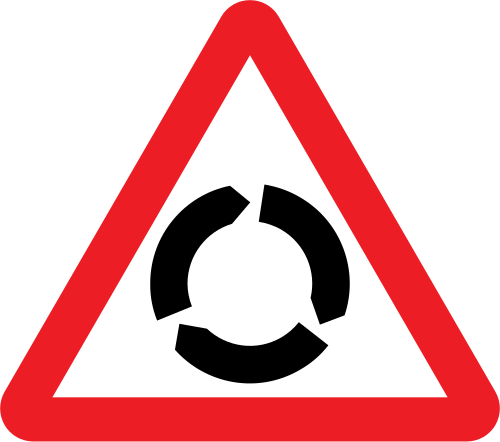
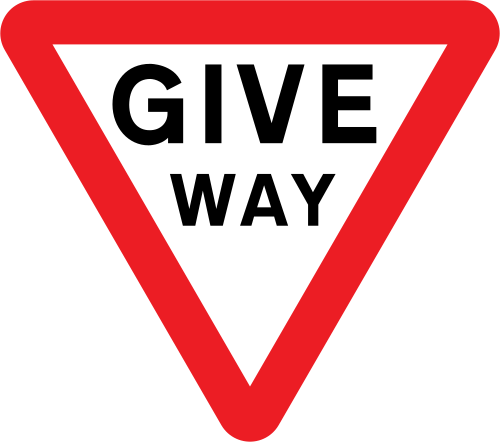
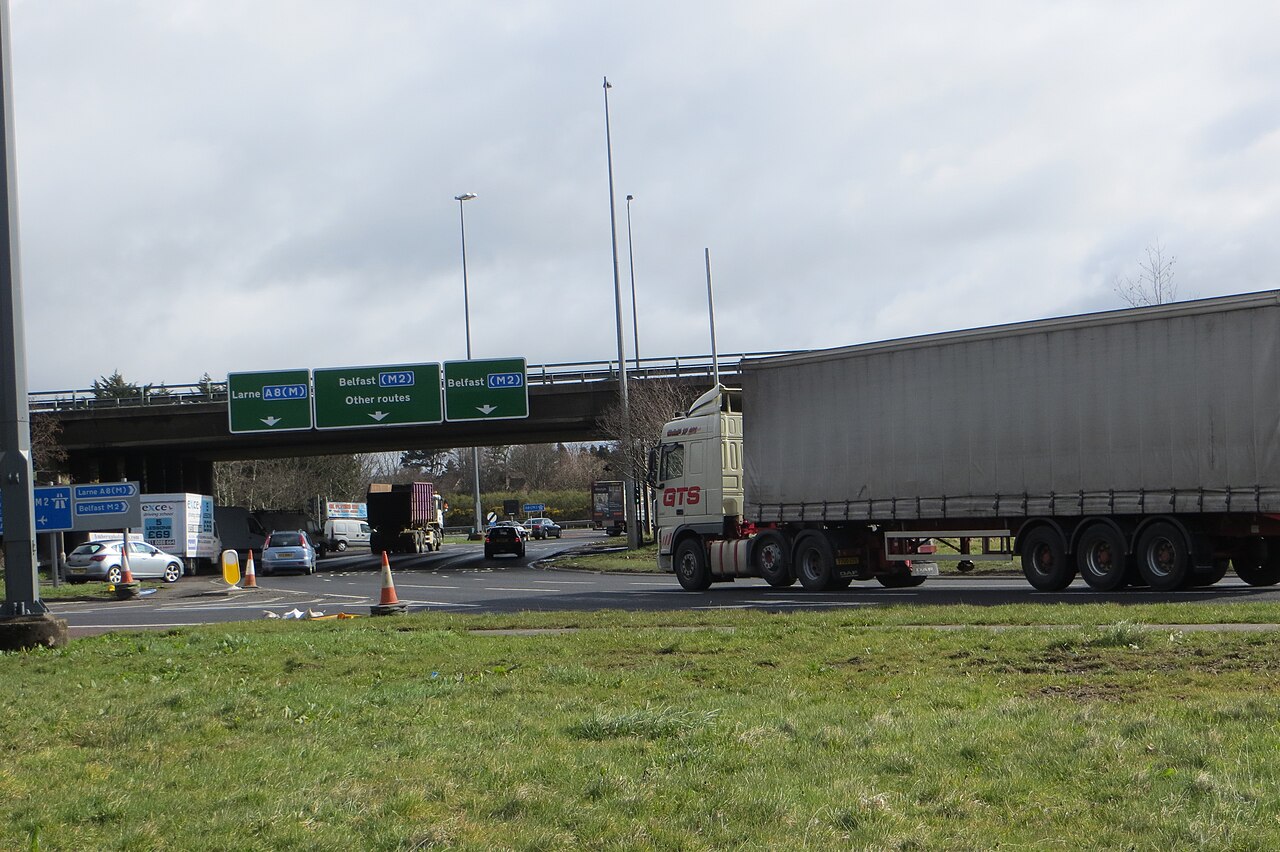
In the UK, the largest multi-lane roundabouts are clustered around motorway junctions, regional ring roads, and city arterial intersections. Examples include the Hanger Lane Gyratory in west London, the Magic Roundabout in Swindon, and the various junction roundabouts on the M25 corridor. Most learners will not face anything that extreme on a test, but routes around major UK cities frequently include three and four-lane junctions that require the same skills.
Reading the road on approach
The painted arrows on the road surface, the overhead signs, and the lane markings together tell you everything. Read them in this order:
- Overhead direction signs at 200 to 300 metres out: which exit number takes you where
- Lane direction arrows at 100 to 50 metres out: which lane is allocated to which exit
- Lane discipline markings at 30 to 0 metres: dashed white lines for through traffic, solid lines for lane separation
- Give way line at the entry: the legal stop point if priority requires it
When the painted arrows on the road contradict the default rules (for example, when both left lanes go to the second exit, leaving only the right lane for the third exit), the painted arrows always win. The default rules are the fallback when nothing tells you otherwise. The test day guide recommends driving the test routes a week before so you have already read the layouts, and the single-lane roundabout guide is the foundation these multi-lane variants build on.
Three-lane roundabouts: the standard pattern
Most UK three-lane roundabouts follow this allocation:
- Left lane: first exit (left turn) only
- Middle lane: second exit (straight ahead) only
- Right lane: third and fourth exits (right and full circle)
The painted arrows usually confirm this. Sometimes the middle lane is shared with one neighbour, giving you two valid lanes for going straight ahead. Pick the inside lane (left of the two valid lanes) when you have a choice, because exiting the roundabout from the middle is easier than from the right.
Four-lane roundabouts and gyratories
Four-lane roundabouts mostly appear at major junctions, often with traffic lights at the entries to manage flow. The lane allocation depends entirely on the painted arrows. Read them. Commit early. Do not change lanes once you are on the roundabout unless the markings explicitly allow it (sometimes a dashed white line means lane changes are permitted within a section).
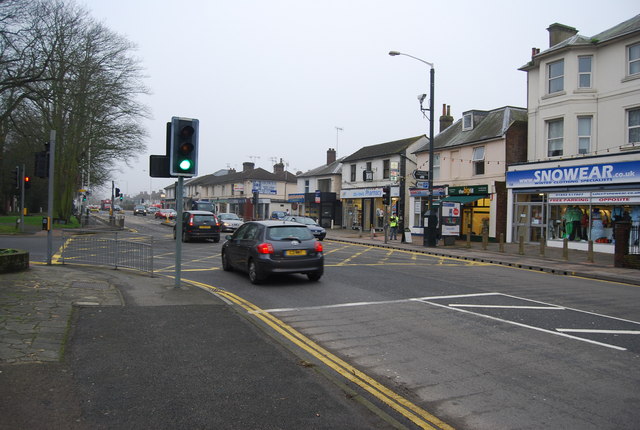
Gyratories are roundabouts where the inner lanes are dedicated to specific exits and the outer lanes are dedicated to others. Hanger Lane is the canonical example. Treat them as a sequence of small lane-disciplined sections rather than a single large roundabout. Pick your lane on entry and stay in it until your exit. Trying to be clever and switch lanes mid-gyratory is the fastest route to a serious fault.
Signalling on multi-lane roundabouts
The signalling rule does not change with the number of lanes. Signal in the direction of your exit on approach (left for first exit, right for past 12 o clock, no signal for straight ahead). Once on the roundabout, signal left as you pass the exit before yours. The only nuance for multi-lane is that your signal becomes more important to drivers waiting at the entries you are passing, because they cannot see your face or hand to read your intention.
When to commit and when to abort
If you realise you are in the wrong lane on a multi-lane roundabout, the rule is: do not panic-switch. Continue in your current lane, take whichever exit it leads you to, and find a place to turn round safely afterwards. A wrong-exit recovery costs you maybe two minutes of test time. A panicked lane change in a roundabout is a serious fault and a likely fail. Examiners would much rather see you take a wrong exit calmly than make a sudden swerve.
Practising multi-lane roundabouts safely
Find a complex roundabout near your test centre, ideally one your instructor knows is on the test routes. Drive through it at three different times of day: quiet morning, midday, and rush hour. Take every exit in sequence, including the full-circle option. Do this twice and the layout will be readable rather than novel.
For a more general manoeuvre and observation skills refresher, the manoeuvres guide covers the related skills the examiner will assess across the rest of your test. The lane discipline guide and the mirror, signal, manoeuvre routine are the two pieces that hold the gyratory technique together.
Common faults on multi-lane roundabouts
- Right turn from the left lane (cut across other lanes mid-roundabout)
- Left exit from the right lane (forced to cut across left-lane traffic at the exit)
- Hesitation at the entry when a clear gap existed
- Stopping in the entry section blocking the next vehicle
- Wrong lane on approach because of misread road markings
- Late or missing exit signal causing confusion at downstream entries
How multi-lane roundabouts affect city pass rates
City test routes that include multi-lane roundabouts have lower pass rates than equivalent rural routes. London, Birmingham, and Manchester all sit several percentage points below the national average, and multi-lane junctions are a leading reason. Learners who book in cities with these junctions and prepare specifically for them perform measurably better than those who do not. The easiest centres ranking shows where the gentlest junction profiles sit, and the why London centres are hard guide explains the gyratory density behind the capital figures.
Sources and further reading
The figures, fees, and procedures referenced in this article are verifiable on the official gov.uk pages below. PassRates.uk is built on the Driver and Vehicle Standards Agency’s open data, published under the Open Government Licence.
What is the pass rate at your test centre?
Search by centre name, town or postcode to see the latest DVSA figure.
Frequently asked questions
What is the single biggest mistake learners make on multi-lane roundabouts?
Failing to read the painted lane arrows on the road and instead relying on default lane rules. When the markings exist, they always override the default. Read them on approach.
Do I have to stay in my lane the whole way round a multi-lane roundabout?
Yes, unless the markings (such as dashed white lines) explicitly allow lane changes. Treat each lane as a continuous channel from entry to exit.
What if I realise I am in the wrong lane while already on the roundabout?
Stay in your current lane. Take whichever exit it leads to. Recover the route afterwards. Do not attempt a lane change mid-roundabout.
Are gyratories the same as multi-lane roundabouts?
They are a special type. A gyratory has dedicated inner and outer lane sections that act like separate one-way streets. The same principle applies: pick your lane on entry, stay in it.
Why do some multi-lane roundabouts have traffic lights?
Traffic lights are added when traffic volumes are too high for give way priority to work safely. Lights override the default give way rule. Treat them as you would any other set of lights.
Should I signal on a multi-lane roundabout if I am going straight ahead?
No signal on approach for straight ahead. Signal left as you pass the exit before yours, just as you would on a single-lane roundabout.
Every candidate behind these numbers passed a theory test first. Nationally 44.8% of attempts clear it.
Lorries, buses, motorcycles, trams and how to share the road with them safely. All 14 DVSA topics are free to practise, with no sign up. See the theory pass rate by centre or the full practice hub.
Related guides
- Junctions and priorityJunctions and PriorityRead guide
- Junctions and priorityCrossroadsRead guide
- Junctions and priorityBox JunctionsRead guide
- Junctions and priorityMastering RoundaboutsRead guide
- Speed and following distanceUK Speed LimitsRead guide
- Speed and following distanceTwo-Second RuleRead guide
Written by Vikas Dulgunde, the software engineer and driving enthusiast behind PassRates.uk. The figures come straight from the DVSA open dataset; see the methodology.
Source DVSA, Open Government Licence v3.0
Continue reading
MSM routine for the UK driving test in 3 steps: mirror checks, signal timing, manoeuvre execution, and the 4 examiner faults that come from a broken routine.
Instructor-style UK roundabout guide: priority, lane choice, signalling, and the 5 faults that most often fail the practical test.