UK Yellow Line Parking Rules: Single, Double, Loading
A line of yellow paint on the kerb or road tells you everything about whether you can stop, wait, load, or park. The rules are tighter than most learners expect.
The two main yellow line categories
UK kerbside yellow lines come in two basic types:
- Single yellow line: no waiting during the hours specified on a nearby time plate
- Double yellow lines: no waiting at any time, with very limited exceptions
The line is painted along the kerb, not down the centre of the road. White lines down the road centre are lane markings; yellow lines on the kerb are parking restrictions. The two systems are independent.


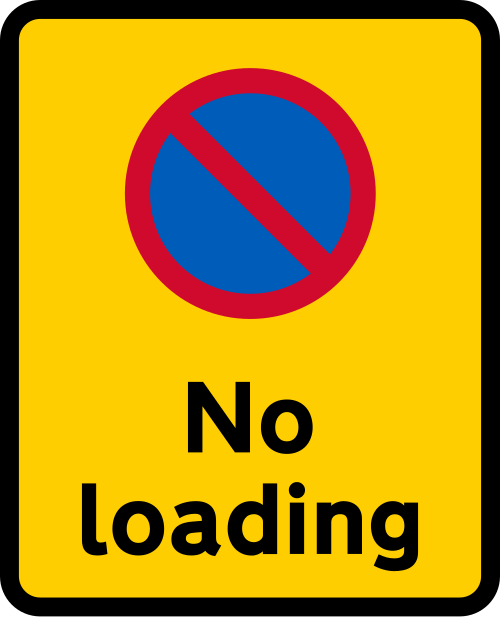
Single yellow lines: time-limited restrictions
A single yellow line means no waiting during the hours stated on a nearby time plate. Outside those hours, parking is allowed. The time plate is usually a small black-and-white sign mounted on a pole near the affected stretch of kerb. Typical restriction hours are something like 8am to 6pm Monday to Saturday, with parking allowed at all other times.
The exact restriction varies by location. Inside London zones, restrictions often run longer (8am to 7pm or 8am to midnight). In residential areas, restrictions might only cover school-run hours. Always read the time plate before assuming you can park.
"No waiting" means you cannot stop with the intent of parking. You may pause briefly to drop off or pick up passengers, and you may load or unload goods (subject to loading restrictions, see below). What you cannot do is leave the vehicle stationary for an extended period.
Double yellow lines: never park, with exceptions
Double yellow lines mean no waiting at any time. The restriction is continuous, all day, every day. The only exceptions are:
- Brief stops to drop off or pick up passengers (no leaving the car)
- Loading and unloading goods (subject to loading restrictions)
- Blue Badge holders may park for up to three hours, except where loading restrictions apply
- Genuine emergency stops
Even with these exceptions, the restriction is strict. A driver leaving the vehicle for ten minutes to nip into a shop is not "loading" and is breaking the rule. Camera and warden enforcement is common in city centres.
Kerb-mark loading restrictions
Yellow lines on the road tell you about waiting. Yellow marks on the kerb itself tell you about loading. The two systems combine:
- No kerb marks: loading and unloading is allowed
- Single yellow kerb mark: no loading during the hours on the time plate
- Double yellow kerb marks: no loading at any time
Kerb marks are short yellow stripes painted vertically on the face of the kerb itself. They are easy to miss if you are not looking for them. Combine the road markings with the kerb markings to know what is and is not allowed:
- Single yellow line on road, no kerb marks: no waiting during hours, but loading allowed any time
- Double yellow lines on road, single yellow kerb mark: no waiting any time, no loading during specified hours
- Double yellow lines on road, double yellow kerb marks: no waiting any time, no loading any time
Red lines: London and other clearways
Red lines (single or double) are similar to yellow lines but apply on Red Routes, which are major arterials in London and a few other UK cities. Red lines are stricter than yellow:
- Double red lines: no stopping at any time for any reason (except emergency)
- Single red line: no stopping during the hours on the time plate
Red lines do not allow even brief drop-offs or loading. They are designed to keep arterial flow moving. Stopping on a red line gets a PCN faster than almost any other parking infraction.
Pavement parking
Pavement parking is banned across London and is increasingly being banned across other UK cities (Edinburgh enforced from 2024, Wales from 2026). Where it is banned, parking with any wheel on the pavement is an offence regardless of yellow line status. Where it is not yet banned, the rule is more nuanced: it is generally legal but can be enforced if you cause obstruction.
Where the test takes you
On the driving test, examiners may direct you to "pull up on the left at a convenient place" or to perform a parallel park. They will never deliberately direct you into an illegal parking spot, but they will not stop you if you choose one. If they say "pull up at a convenient place" and you stop on a double yellow line, that is your fault, not theirs.
Before pulling up, scan for:
- Yellow lines on the kerb-side road (single or double)
- Yellow kerb marks
- Red lines
- Permit-only parking signs
- Disabled bay markings
- School zigzag markings (no stopping during school hours)
- Bus stop boxes
A "convenient place" means a legal place. Examiners flag illegal stopping as a serious fault. The manoeuvres guide covers the parking-related elements of the test in detail.
Other no-stopping zones
Yellow lines are not the only no-stopping markings. You also cannot stop in:
- Bus stops marked with yellow rectangular boxes on the road
- Taxi ranks
- Pedestrian crossing zigzag zones (white zigzags)
- School zigzag zones (yellow zigzags during school hours)
- Cycle lanes during their operating hours
- On the brow of a hill, near a junction, or anywhere else that obstructs visibility
Test routes often include all of these. Examiners particularly watch for stopping near junctions or in bus stop boxes when the candidate is asked to pull over.
Common parking faults on the test
- Stopping on a single yellow line during restricted hours
- Stopping on a double yellow line for the parallel park exercise
- Stopping in a bus stop box
- Stopping on the white zigzags of a pedestrian crossing
- Stopping too close to a junction (within ten metres is illegal)
- Stopping on a school zigzag during school hours
These all count as serious faults because they involve illegal positioning. The faults explained guide confirms how they are graded. A clean test depends on choosing legal stopping spots without prompting.
Sources and further reading
The figures, fees, and procedures referenced in this article are verifiable on the official gov.uk pages below. PassRates.uk is built on the Driver and Vehicle Standards Agency’s open data, published under the Open Government Licence.
What is the pass rate at your test centre?
Search by centre name, town or postcode to see the latest DVSA figure.
Frequently asked questions
What is the difference between single and double yellow lines?
Single yellow lines mean no waiting during the hours on a nearby time plate. Double yellow lines mean no waiting at any time, with very limited exceptions like brief passenger drop-off and loading.
Can I park on a double yellow line for ten minutes if I leave my hazards on?
No. Hazard lights do not grant permission to break parking rules. The exceptions are passenger drop-off (you must stay with the car), loading goods, and Blue Badge holders for up to three hours.
What does a yellow mark on the kerb mean?
It is a loading restriction. A single yellow kerb mark means no loading during specified hours. A double yellow kerb mark means no loading at any time. These combine with the road markings to tell you what is allowed.
Can I stop on a single yellow line at night?
Usually yes, if the time plate says the restriction does not apply at that hour. Always read the time plate to confirm. Some restrictions in central London run 24 hours.
What is a red line?
Red lines mark Red Routes (mostly in London and a few other cities). They are stricter than yellow: double red lines mean no stopping at any time for any reason except emergency.
Will I fail my driving test for parking on a yellow line during the parallel park?
Yes, that is a serious fault. The examiner will not redirect you mid-manoeuvre, but they will mark the fault. Always check kerb markings before starting a parking exercise.
Every candidate behind these numbers passed a theory test first. Nationally 44.8% of attempts clear it.
Vehicle condition, tyres, lights, fuel efficiency and reducing emissions. All 14 DVSA topics are free to practise, with no sign up. See the theory pass rate by centre or the full practice hub.
Related guides
- Signs, signals and crossingsTraffic LightsRead guide
- Signs, signals and crossingsPedestrian CrossingsRead guide
- Junctions and priorityJunctions and PriorityRead guide
- Junctions and priorityCrossroadsRead guide
- Junctions and priorityBox JunctionsRead guide
- Junctions and priorityMastering RoundaboutsRead guide
Written by Vikas Dulgunde, the software engineer and driving enthusiast behind PassRates.uk. The figures come straight from the DVSA open dataset; see the methodology.
Source DVSA, Open Government Licence v3.0
Continue reading
How priority works at UK junctions: T-junctions, crossroads, give way and stop signs, and uncontrolled junctions. With the common faults examiners flag.
UK box junction rules: when you can enter, the 1 right-turn exception, common faults, and how examiners assess box junctions on the driving test.