Driving Test in an EV: Code 78 Auto-Only Licence
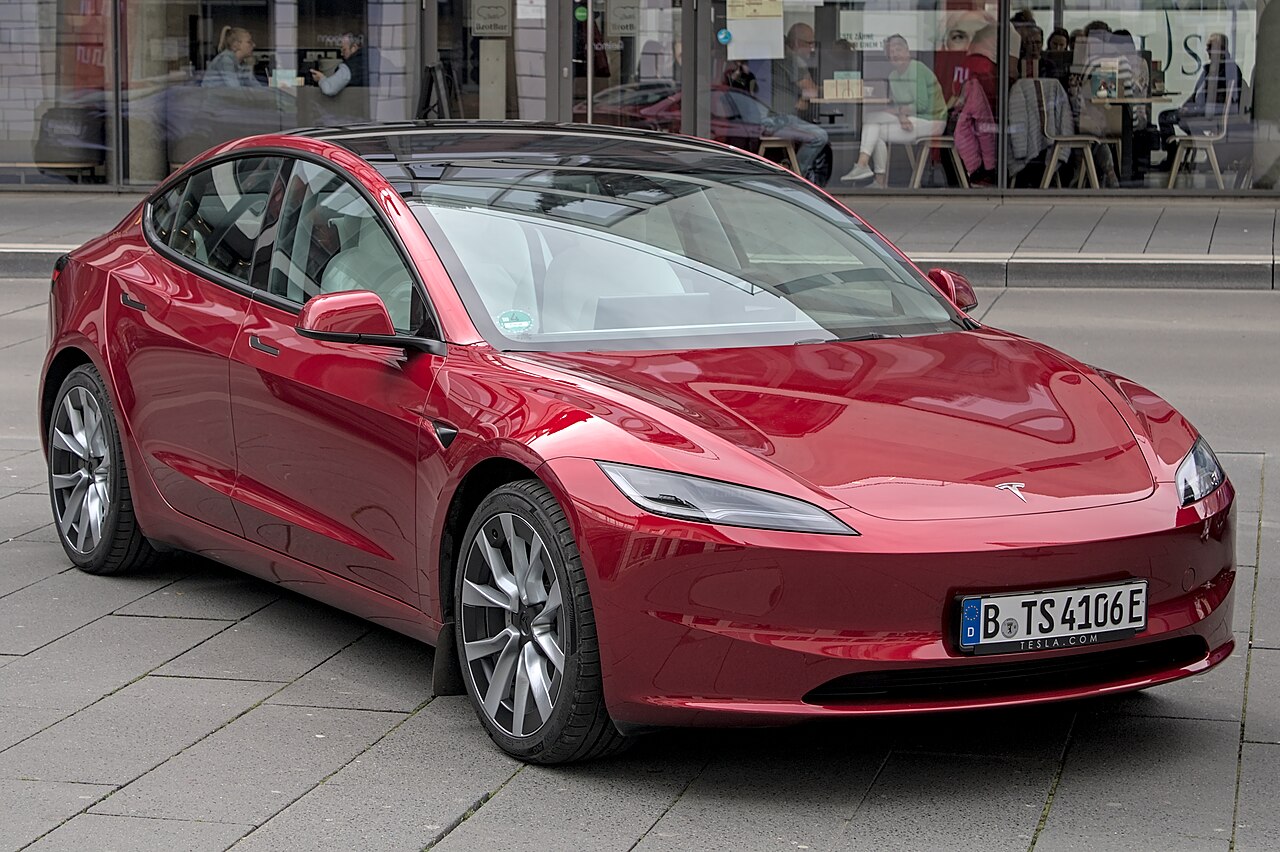
You can take your UK driving test in an EV. Standards are identical to petrol or diesel, but you get a Code 78 automatic-only licence, and the show-me tell-me questions are the same fixed list as any car.
- Licence you receive
- Code 78Automatic-only, cannot drive a manual without retesting
- Test standard vs petrol/diesel
- IdenticalSame fault categories, same pass mark (15 minor, 0 serious)
- Test fee
- £62/£75Weekday / evening & weekend, same as any other test
- Can you stall an EV?
- NoRemoves one common fault category entirely
- Regen braking trigger brake lights?
- YesAutomatic above ~1.3 m/s² deceleration, no action needed
- Vehicle type to select when booking
- AutomaticChoose "automatic" on gov.uk booking form for an EV test
The licence implication
Almost all currently-sold EVs in the UK are single-speed automatics with no clutch and no manual gear selection. If you take your test in an EV, you will receive an automatic-only driving licence (DVSA category code 78). That means you can legally drive any automatic vehicle, but not a manual one. The automatic licence restrictions guide covers the full implication and the conversion route if you want to add manual entitlement later.
For most learners deciding to test in an EV, the licence restriction is acceptable because the realistic future of UK new-car sales is electric. The 2030 ban on new petrol and diesel cars (delayed to 2035 in some announcements but the direction is clear) means a manual licence is increasingly a legacy entitlement rather than a daily-use need.
What changes for the examiner
Almost nothing. The examiner is assessing your driving against the same fault categories as any other test: observation, control, response, signalling, and so on. The independent driving section, the manoeuvre choice, the show-me/tell-me, the eyesight check are all identical. The pass mark is the same: 15 driving faults max, zero serious or dangerous faults.
The vehicle requirements for any test car still apply: roadworthy, taxed, MOT'd (if over 3 years old), insured, displaying L plates front and rear (or D plates in Wales), with no warning lights showing, and with a valid passenger-side mirror for the examiner. Most EV-supplying driving schools will handle this routinely.
Regenerative braking and brake lights
EVs slow when you lift off the accelerator (regenerative braking, often called "one-pedal driving"). The first thing examiners want to see is that you can still control speed smoothly without surprising the car behind you. UK road safety regulations require that EVs trigger their brake lights automatically when regen deceleration exceeds about 1.3 m/s squared, so your brake lights do come on during heavy regen even though you are not pressing the pedal. You do not need to do anything special.
For the test, drive as you normally would. If your car has selectable regen levels (Mercedes EQ, Hyundai Ioniq, Tesla, Polestar all let you adjust), pick the setting you have practised most with, not the one you think will impress the examiner. Smooth and consistent beats clever.
Show-me/tell-me on an EV
The show-me/tell-me questions are the same for an EV as for any other car; there is no EV-specific question in the bank. You may be asked one tell-me question before you start driving, and one show-me question while you are on the move. The ones most relevant in an EV are:
- "Tell me how you would check the tyres for safety before a journey." Same answer as any car: tread depth (minimum 1.6 mm in the central three-quarters of the breadth and around the entire circumference), correct pressure per the door pillar plate, no cuts or bulges.
- "Tell me how you would check the brake lights are working." For most EVs, ask someone to stand behind, press the brake pedal, ask them to confirm. Some EVs have a self-check function that flashes lights for visual confirmation.
- "Show me how you would wash the windscreen using the windscreen washer and wiper." Identical to any car: stalk control, brief wash, observe wipers complete the cycle.
For the full bank of show-me/tell-me questions across vehicle types, see the show-me/tell-me guide.
| EV (automatic) | Manual petrol/diesel | |
|---|---|---|
| Licence category received | Code 78 (automatic-only) | Full manual + automatic entitlement |
| Gear changes during test | None, single-speed drive | Required, examiner assesses selection and smoothness |
| Risk of stalling | Zero | Present, common minor fault source |
| Show-me/tell-me questions | Same question bank as any car (no EV-specific question) | Same standard question bank |
| Manoeuvres assessed | Identical (bay park, parallel park, pull up on right) | Identical |
| Pass mark | 15 minors, 0 serious, identical | 15 minors, 0 serious |
| Test fee | £62 weekday / £75 eve & weekend, identical | £62 weekday / £75 eve & weekend |
| Drive to manual after passing | Not permitted without a separate manual test | Yes, full entitlement from day one |
Practical advantages of taking the test in an EV
- No stalling. Single-pedal driving and instant torque mean you cannot stall the engine, removing one common fault category.
- Smoother manoeuvres. Precise low-speed throttle response makes parallel parking and bay parking gentler.
- Quieter cabin. Easier to hear examiner instructions clearly, less driver fatigue.
- Often a higher driver position. Better forward visibility on most modern EV platforms.
The trade-offs: an automatic-only licence (you cannot drive a manual without a separate test), and EV instructor lessons can run slightly more expensive than petrol/diesel because driving schools amortise the higher car cost.
“Testing in an EV removes the stall risk entirely, but the licence it produces is the real trade-off. Think about the next ten years of your driving, not just the next 40 minutes.”
Booking a test in an EV-supplied lesson
When you book the practical test through gov.uk, select "automatic" as the vehicle type. Your instructor or driving school will confirm your test car for the day. If you are using a personal EV, make sure it meets DVSA test vehicle rules (the test day checklist covers the documentation side). The fee is the same as any other test: £62 weekday, £75 evening or weekend.
For a UK national perspective on automatic versus manual pass rates, the automatic-vs-manual guide compares the data. The headline: automatic pass rates are typically several points lower than manual (around 43 percent versus 48 percent nationally), mostly because the cohort is older on average and includes more anxious learners specifically choosing automatic to remove a layer of complexity.
Sources and further reading
The figures, fees, and procedures referenced in this article are verifiable on the official gov.uk pages below. PassRates.uk is built on the Driver and Vehicle Standards Agency’s open data, published under the Open Government Licence.
What is the pass rate at your test centre?
Search by centre name, town or postcode to see the latest DVSA figure.
Frequently asked questions
Can I take my UK driving test in an electric car?
Yes. The standards are identical to any other test. You will receive an automatic-only licence (Code 78), which lets you drive any automatic but not manual vehicles.
Will the examiner do anything different because it is an EV?
No. The fault categories, the manoeuvre choice, the independent driving section, and the pass mark are all identical. The show-me/tell-me questions come from the same fixed car bank as any other test, with no EV-specific variants, and the structure (one tell-me before driving, one show-me on the move) is the same.
Do I need to do anything special with regenerative braking?
No. UK regulations require EVs to trigger brake lights automatically during heavy regen, so the car behind sees you slowing. Drive as you normally would. Pick whichever regen setting you are most practised with for test day.
Does taking my test in an EV mean I can never drive a manual?
You cannot drive a manual on a Code 78 (automatic-only) licence. To add manual entitlement later, you take a manual practical test. There is no theory test to retake. See the automatic-vs-manual guide for the conversion process.
Are EV pass rates different from petrol/diesel pass rates?
DVSA does not publish a vehicle-fuel breakdown of pass rates. Anecdotally, EV pass rates track the wider automatic figure (a touch below manual), partly because of single-pedal smoothness and no-stall driving.
Will my insurance be more expensive after passing on an EV?
Insurance is priced on the vehicle and driver, not on which vehicle you took your test in. An automatic-only licence is generally not penalised by insurers. Your premium will depend mostly on age, postcode, vehicle group, and any voluntary telematics (black box) policy.
Every candidate behind these numbers passed a theory test first. Nationally 44.8% of attempts clear it.
Control in different weather, road surfaces, gradients and at night. All 14 DVSA topics are free to practise, with no sign up. See the theory pass rate by centre or the full practice hub.
Written by Vikas Dulgunde, the software engineer and driving enthusiast behind PassRates.uk. The figures come straight from the DVSA open dataset; see the methodology.
Source DVSA, Open Government Licence v3.0
Continue reading
Bradford driving test: 2 DVSA centres (Heaton and Thornbury), steep-hill routes and pass rates near the UK average. What to expect and how to prepare.
Parallel parking on a slope for the UK driving test: wheels-into-kerb rule, handbrake timing, gradient clutch control, and the faults that sink good attempts.