Parallel Parking on a Hill: 3 Habits for the UK Test
Parallel parking on a hill adds clutch control, handbrake timing and the wheels-into-or-away-from-kerb rule. The technique is the same as on level ground; it just needs three small habits layered in.
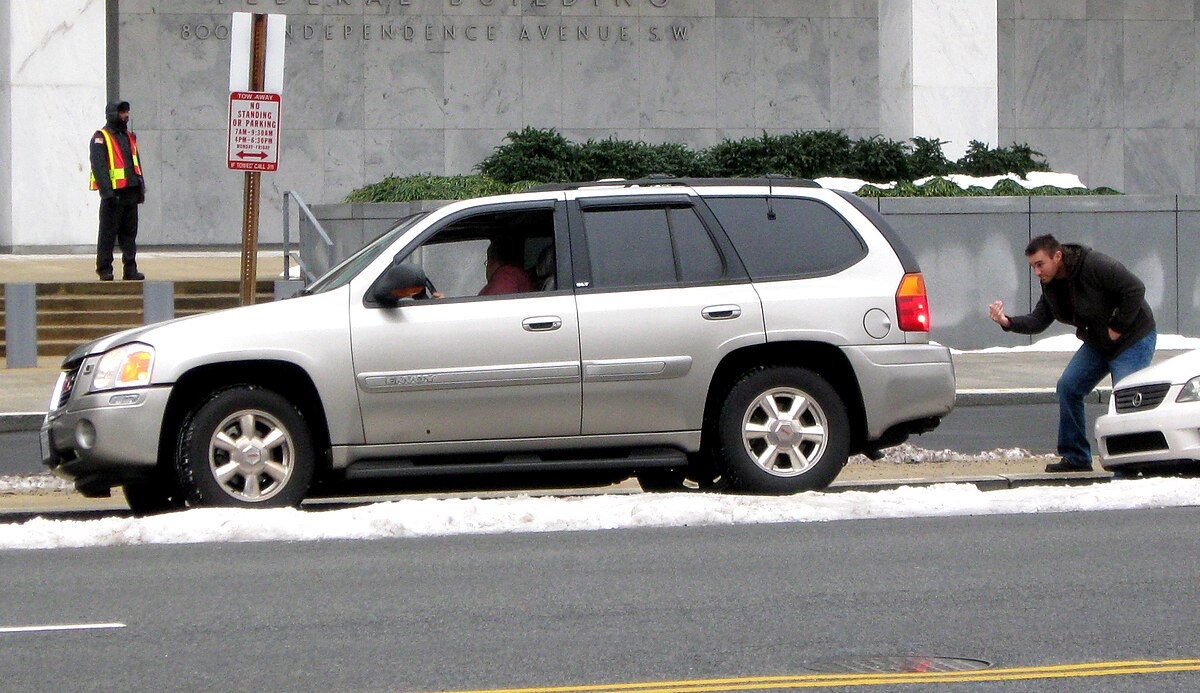
When the test puts you on a hill
The DVSA examiner can ask you to parallel park almost anywhere on the route. They tend to choose locations with enough kerb space to park safely, but they do not avoid hills as a matter of policy. If your test centre is in an area with even mild gradients (Sheffield, Bristol, Edinburgh, much of Yorkshire and South Wales), expect at least a chance that the chosen spot is on a slope.
The fundamental manoeuvre is the same as flat-ground parallel parking, the parallel park guide covers the reference points and observation pattern in detail. What changes on a hill is the gear and brake handling.
The three things that change on a slope
On level ground, parallel parking is mostly about steering reference points and observation. On a hill, three additional habits become critical:
- Handbrake on every time the car is stationary, even briefly. Your foot brake will hold you, but the second you start the steering input, you risk rolling. Handbrake removes that variable.
- Wheels-into-kerb (downhill) or wheels-away-from-kerb (uphill). When you finish parking, this is a Highway Code rule (Rule 252) and examiners do check.
- Clutch bite point control. Pulling away on a gradient with the wheels turned needs more throttle and a longer feathered clutch than flat ground. Practice the bite point until it is automatic.
The full sequence on a downhill slope
Pull alongside the lead car, your front bumper roughly level with their rear bumper, with about a metre gap. Handbrake on, neutral, look around (full 360 plus blind spots).
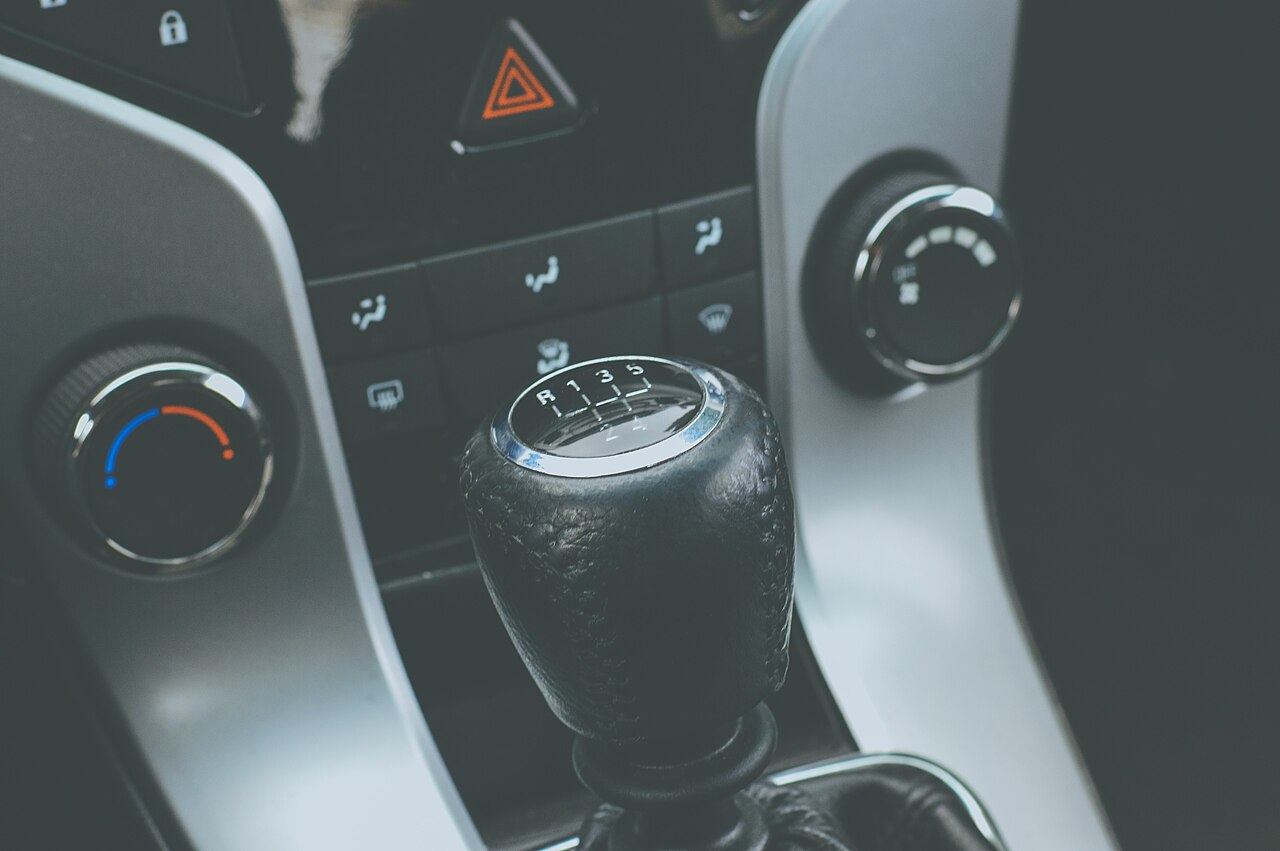
Reverse gear in. Handbrake off, but keep the foot brake firm because the slope wants to push you forward. Begin reversing slowly, controlling speed entirely on the foot brake (not the clutch, the gradient is doing the work). At your reference point, full lock left (or right depending on which side you are parking on). Continue reversing, now bringing the front of your car towards the kerb.
When the car is at roughly 45 degrees to the kerb, straighten the wheels, then full opposite lock to bring the front in. Aim to finish around 30 cm from the kerb, parallel to it.
When stopped: handbrake on, wheels turned INTO the kerb (so if the handbrake fails, the kerb stops the car rolling forward). Gear in first or reverse depending on direction you would naturally drive away. Foot off the clutch. Engine off only if the examiner asks.
The full sequence on an uphill slope
Setup is the same. The reverse begins with you needing throttle to overcome gravity, so the bite point and a small amount of gas help you control the speed. Handbrake on at every pause.
When stopped: handbrake on, wheels turned AWAY from the kerb (so if the handbrake fails, the kerb stops the car rolling backwards). The reasoning is the same: the kerb acts as a backstop.
The faults that catch hill-parking candidates
- Rolling forward or backward more than the width of a tyre during the manoeuvre (control of vehicle, often a serious fault if it brings you into another car or out into the road)
- Wrong wheel position when stopped (Highway Code rule 252 violation, usually a driving fault)
- Stalling on the bite point under pressure (driving fault if recovered quickly, can compound into serious if it leads to lost control)
- Hitting the kerb with the wheels (driving fault, sometimes serious if hard)
- Finishing more than 50 cm from the kerb (driving fault, parked too far from the kerb)
- Forgetting the handbrake when paused, even briefly, on a steep slope
For the broader fault categories examiners use, see the faults explained guide. The pass mark on a UK practical test is up to 15 driving (minor) faults plus zero serious or dangerous faults.
Practice approach
Find a quiet residential street with at least a 5 percent gradient. Park your training car between two cones (or two parked cars with permission). Practice the downhill version 10 times in a row, then the uphill version 10 times. Focus on the handbrake pause at every checkpoint and the final wheel position.
Once the mechanics are automatic, take a lesson on the local test-area roads around your chosen centre. The find-routes guide covers how to identify likely parking spots in the area. Knowing in advance which streets have the steepest gradients takes most of the surprise out of the manoeuvre.
Sources and further reading
The figures, fees, and procedures referenced in this article are verifiable on the official gov.uk pages below. PassRates.uk is built on the Driver and Vehicle Standards Agency’s open data, published under the Open Government Licence.
What is the pass rate at your test centre?
Search by centre name, town or postcode to see the latest DVSA figure.
Frequently asked questions
Will the examiner ask me to parallel park on a hill?
Possibly. They choose locations with safe kerb space and do not avoid gradients as a rule. If your local area is hilly, prepare for the possibility. The manoeuvre choice (parallel park, forward bay, reverse bay, or pull up on the right) is at the examiner's discretion.
Which way should the wheels point when I finish parking on a downhill slope?
Into the kerb. Highway Code rule 252. The kerb acts as a backstop if your handbrake fails, stopping the car rolling forward into other vehicles or pedestrians.
Which way should the wheels point uphill?
Away from the kerb on a normal kerbed road. Same Highway Code rule. The car would roll backwards onto the kerb rather than out into the road if the brake failed.
Does rolling slightly during parallel parking fail you?
A small roll of less than half a tyre width is usually a driving fault, not a serious one. A larger roll, especially if it brings you towards another vehicle or into the road, can be a serious fault and an automatic fail.
Can I do hand-over-hand steering during the manoeuvre?
Yes. The DVSA dropped the requirement to use a specific steering technique years ago. Pull-push, hand-over-hand, or any safe method is fine, as long as you maintain control and your hands stay within the wheel.
Should I use the clutch or the brake to control speed on a downhill park?
Foot brake. Gravity is supplying the motion, you do not need the clutch friction zone. Keep the clutch fully down and feather the brake. On uphill, the opposite: use the clutch bite to manage gentle progress, with very little throttle.
Every candidate behind these numbers passed a theory test first. Nationally 44.8% of attempts clear it.
Lorries, buses, motorcycles, trams and how to share the road with them safely. All 14 DVSA topics are free to practise, with no sign up. See the theory pass rate by centre or the full practice hub.
Written by Vikas Dulgunde, the software engineer and driving enthusiast behind PassRates.uk. The figures come straight from the DVSA open dataset; see the methodology.
Source DVSA, Open Government Licence v3.0
Continue reading
Taking your UK driving test in an EV: identical standards, the Code 78 automatic-only licence outcome, regenerative braking, and the standard show-me tell-me questions.
ADHD does not bar you from a UK driving test. DVLA rules, medication tips, 4 test-day tactics for focus, and what reasonable adjustments DVSA offers.