UK Driving Test Changed in 2025: What's Different Now
The UK practical driving test changed permanently on 24 November 2025: emergency stops now happen on one in seven tests, mandatory stops dropped from four to three, and rural A-roads cover more of the route.
What changed about the UK driving test in November 2025?
The DVSA trialled the changes at 20 test centres across Great Britain before rolling them out nationally. The trial focused on three things: reducing the frequency of emergency stops, cutting mandatory route stops from four to three, and giving examiners more room to include rural A-roads and national speed limit roads within the same 38-to-40-minute window. The trial results were positive enough that the DVSA made every change permanent from 24 November 2025, with no further pilot period.
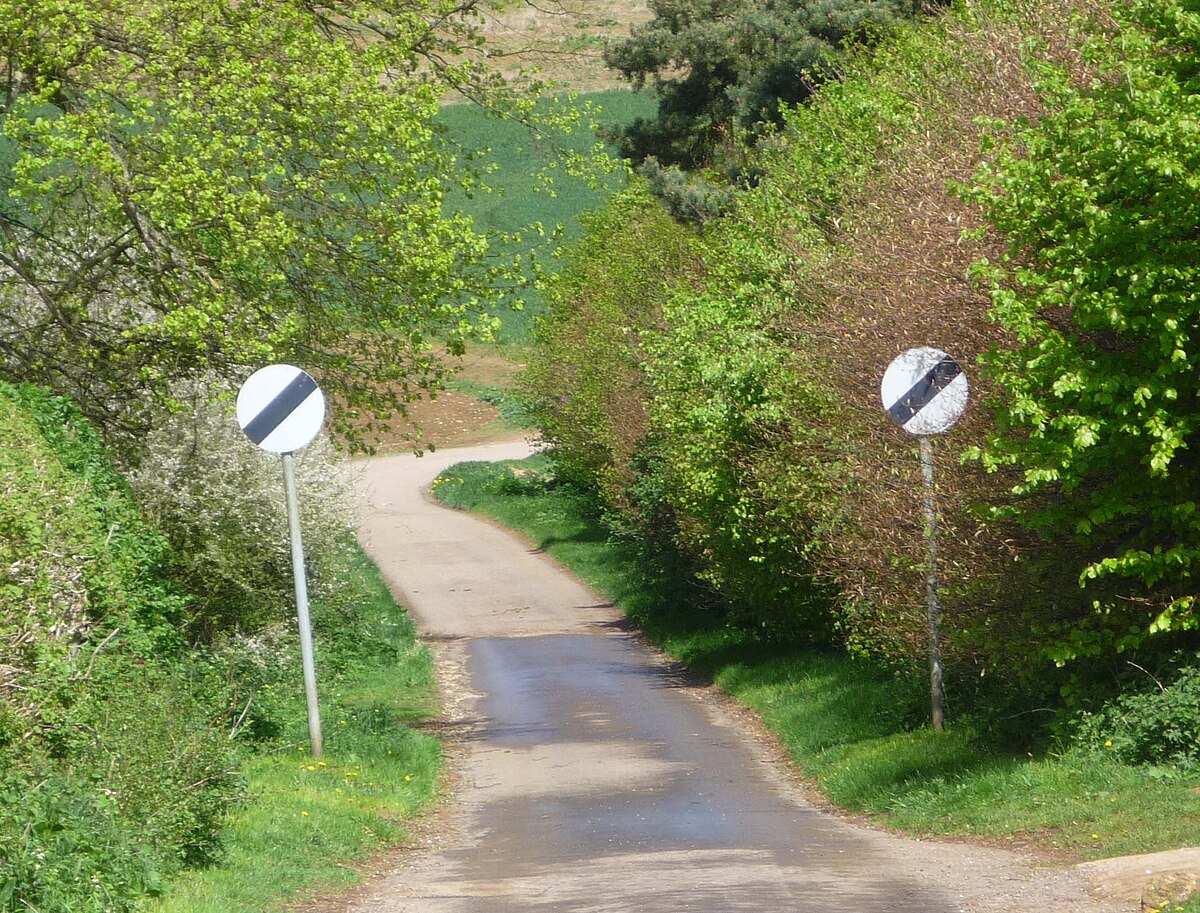
These aren't minor administrative tweaks. Together, they reflect a deliberate shift in how the DVSA thinks the test should mirror real driving. The roads where newly qualified drivers are most likely to be involved in a serious collision are not urban 30 mph zones, it's rural B-roads and national speed limit single carriageways, where higher speeds and reduced margins for error combine with inexperience. Getting those roads into the test matters.
- Emergency stop frequency
- 1 in 7was 1 in 3 before Nov 2025
- Mandatory route stops
- 3cut from 4, freeing time for rural roads
- Permanent since
- 24 Nov 2025after a successful 20-centre trial
- Independent driving
- 20 minsstill mostly sat-nav, unchanged
- Pass mark
- 15 faults max0 serious or dangerous, unchanged
- ABS mandatory in new cars since
- 2004the reason the emergency stop was scaled back
How often do UK driving test emergency stops happen now?
For years the official figure was that roughly one in three practical tests included an emergency stop exercise. That made it something most learners had to practise seriously, because the odds of getting one were too high to ignore. From November 2025, the frequency dropped to roughly one in seven.
The reason is partly technological. Anti-lock Braking Systems have been mandatory in new cars sold in the UK since 2004, and the fleet has shifted substantially in the two decades since. The emergency stop exercise was originally designed to test a candidate's ability to brake firmly without locking the wheels, the kind of technique that matters when you're on a car without ABS. With most cars now doing that automatically, the exercise tests something real-world driving rarely demands. The DVSA's view is that those 90 seconds are better spent on rural roads.
You should still practise emergency stops. One in seven still means you might get one. But the mental energy most learners spend dreading that moment can be redirected, and the exercise is no longer the dominant source of test-day anxiety it used to be for nervous candidates. If you do get an emergency stop, the drill is unchanged: firm brake, clutch just before stopping, hazard warning lights optional, mirrors and move off when safe. The emergency stop guide covers the full technique.
Instructors were notified of these changes through the DVSA's Despatch newsletter in November 2025. If you haven't discussed this with your instructor since then, it's worth a direct question: is our emergency stop preparation still on the plan, and how often does this centre actually call for one now?
Why did the UK driving test cut mandatory stops from four to three?
During a test, examiners ask candidates to pull up on the left at several points, to assess the approach, the positioning when pulling in, and the moving-off procedure once you're parked. These mandatory stops break the test into sections and give the examiner specific observation moments. The standard was four. It's now three.
The reduction isn't about making the test easier. Each stop takes time, finding a safe spot, pulling in properly, waiting for an instruction, moving off into traffic again. Three stops instead of four saves roughly three to five minutes of route time. That's the window the DVSA has used to extend routes at many centres so they include more varied road types. Fewer ceremonial stops, more actual driving on roads that test something meaningful.
The marking standard for moving off and pulling up is identical. You'll still be assessed on your approach, signal timing, positioning, and observation when pulling in and moving off. There's just one fewer opportunity for it. This is not a softening of the standard, it's a reallocation of time.
Why does the UK driving test now include more rural roads?
The most consequential change for many learners isn't the emergency stop figure. It's what the extra test time is being spent on. The DVSA has been extending routes at eligible centres to include stretches of rural A-road or B-road, or national speed limit single carriageway, where the speed limit is 60 mph. At some centres, dual carriageway at 70 mph has been added where geography allows.
This is directly connected to new driver safety data. DVSA analysis has consistently shown that drivers who have recently passed their test are disproportionately involved in collisions on rural and fast roads in their first twelve months. It's not hard to understand why: learner preparation has traditionally been urban-heavy, because test centres are typically in towns, and urban routes are where most available lesson time is spent. A learner can complete 47 hours of professional instruction and still have covered fewer than five hours of genuinely rural driving.
The practical implication for you: if your lessons have been almost entirely in 30 mph zones and suburban junctions, you need to explicitly add rural preparation before you book. Ask your instructor for at least one lesson on a national speed limit A-road or B-road, including bends, overtaking decisions, and adjusting following distance at higher speeds. The rural driving guide covers what examiners are looking for on these roads.
| Before (pre-Nov 2025) | After (from 24 Nov 2025) | |
|---|---|---|
| Emergency stop frequency | Roughly 1 in every 3 tests | Roughly 1 in every 7 tests |
| Mandatory route stops | 4 pull-ups during the drive | 3 pull-ups during the drive |
| Rural and high-speed roads | Included where available, no specific requirement | Deliberately extended at many centres to include 60-70 mph roads |
| Independent driving section | 20 minutes, mostly sat-nav | 20 minutes, mostly sat-nav (unchanged) |
| Reverse manoeuvre | 1 exercise: bay park, parallel, or pull-up-right | 1 exercise from same set (unchanged) |
| Pass mark | Max 15 minor faults, 0 serious or dangerous | Max 15 minor faults, 0 serious or dangerous (unchanged) |
What hasn't changed about the UK driving test in 2025-26?
The marking standard is identical. You can collect up to 15 driving (minor) faults across the full test. One serious or dangerous fault is an immediate fail, regardless of everything else. Examiners are applying the same fault categories they always have, junction observation remains the most common failure reason, followed by mirrors, steering, and traffic signal compliance. The driving test faults guide covers all 27 categories.
The show-me tell-me vehicle safety questions are unchanged, one question before setting off, one while driving when safe. The eyesight check still happens at the start, at 20 metres for a standard number plate. The manoeuvre is still one reverse exercise drawn from bay parking, parallel parking, or pulling up on the right and reversing. The independent driving section is still 20 minutes of following sat-nav instructions with minimal examiner involvement.
Test fees haven't changed as part of this either. It's £62 for a weekday test, £75 for evenings and weekends. And the wait times at most centres, currently running 14 to 22 weeks depending on location, are unaffected by the route changes. If your area was short on slots before November 2025, it still is. Check the wait times overview for current figures.
- 01Add at least one rural road lesson
Ask your instructor to take you on a national speed limit A-road or B-road. If your nearest test centre has recently extended its routes into the countryside, ask specifically which roads are now in scope.
- 02Still practise the emergency stop
One in seven still means it happens. Keep it in your programme, just don't let it dominate your anxiety budget. Ask your instructor how frequently this centre calls for it now that the frequency has changed.
- 03Refocus observation skills at higher speeds
Rural driving at 60 mph requires earlier hazard identification, longer following distances, and more deliberate MSPSL at junctions. These need to be automatic before your test day. Time on a quiet A-road is the only way to build that.
- 04Check your theory prep covers rural hazards
Animals crossing, farm vehicles, tractors at bends, unmarked junctions, roads without cat's eyes, theory test questions include these and the practical now tests them more directly than it used to.
“The roads where newly qualified drivers crash are not 30 mph high streets, they're 60 mph B-roads with no margin for error. Getting those roads into the test is the most important change in years.”
Should you tell your instructor about the new UK test changes?
Most professional ADIs were informed about these changes through DVSA communications in autumn 2025. But "informed" doesn't always mean "has updated lesson plans." If your instructor has been teaching the same structure since before November 2025, heavy emergency stop drilling, four mandatory stop scenarios, predominantly urban routes, it is worth having a direct conversation about what the updated test format looks like.
Ask specifically: have we done any lessons at national speed limit? Have we deliberately prepared for the rural sections now on the test routes? Is our emergency stop practice at the right level given the 1-in-7 frequency? A good instructor will welcome the question. One who deflects it or doesn't know about the changes yet is worth thinking about carefully.
If you're close to booking, also check whether the wait time at your preferred centre has shifted. Lots of learners who were holding off have now booked following the rule changes in March 2026, and slots at popular centres have tightened. The booking guide and the cancellations guide are the two most useful tools for navigating that.
Sources and further reading
The figures, fees, and procedures referenced in this article are verifiable on the official gov.uk pages below. PassRates.uk is built on the Driver and Vehicle Standards Agency’s open data, published under the Open Government Licence.
What is the pass rate at your test centre?
Search by centre name, town or postcode to see the latest DVSA figure.
Frequently asked questions
When did the UK driving test emergency stop change happen?
The change became permanent on 24 November 2025. Emergency stops had previously been conducted on roughly 1 in 3 tests. From that date, the frequency dropped to roughly 1 in 7, following a successful trial at 20 centres. The reason is that Anti-lock Braking Systems, which make the old-style emergency stop technique less relevant, have been mandatory in new cars since 2004.
Is the emergency stop still part of the driving test?
Yes. The frequency has been reduced from 1 in 3 to 1 in 7, but the exercise still happens. You should still practise it with your instructor. If you get one, the procedure is unchanged: firm brake, clutch just before stopping, hazard warning lights optional, check mirrors and move off when safe.
Why did the DVSA reduce mandatory route stops from 4 to 3?
To free up time in the test for more varied road types, particularly rural A-roads and national speed limit carriageway. DVSA data shows newly qualified drivers are disproportionately involved in collisions on rural and fast roads in their first year. Getting those roads into the test is a higher priority than a fourth pull-up demonstration.
Will my test now include a motorway?
Learner drivers cannot drive on motorways except with a qualified driving instructor in a dual-control car. The practical test does not include motorway driving. Where routes have been extended, it's A-roads and B-roads at national speed limits of 60 mph, and dual carriageways at 70 mph where available near the test centre, not motorways.
Did the pass mark change in 2025?
No. The pass mark is unchanged: a maximum of 15 driving (minor) faults, with zero serious or dangerous faults. These standards have been consistent for many years and were not part of the November 2025 changes.
How do I know if my test centre's routes now include rural roads?
Ask your instructor, they should know the updated routes at your local centre. You can also monitor DVSA Despatch blog posts for centre-specific updates. If your centre is in or near a town with limited access to national speed limit roads, your routes may be less affected than those with rural A-roads nearby.
Has the driving test cost changed?
No. The fee remains £62 for a weekday practical test and £75 for evenings and weekends. These were not affected by the November 2025 route and format changes.
Every candidate behind these numbers passed a theory test first. Nationally 44.8% of attempts clear it.
Speed limits, parking, junctions, roundabouts and right of way. All 14 DVSA topics are free to practise, with no sign up. See the theory pass rate by centre or the full practice hub.
Written by Vikas and the PassRates.uk team. Vikas is the software engineer and driving enthusiast who started the site. The figures come straight from the DVSA open dataset; see the methodology.
Source DVSA, Open Government Licence v3.0
Continue reading
DfT consulted on a 3 or 6 month gap between theory and practical, plus minimum learning hours and a set syllabus. The consultation closed in May 2026. What it proposed and what comes next.
Nearly half of UK learners fail their practical test. Compared with Germany, France, and the Netherlands, is 49% too low or about right? Data inside.