Documents You Need to Bring to Your UK Driving Test
Forgetting your provisional licence is one of the most common reasons UK driving tests are cancelled on the day, and you will lose the full fee. The list of what to bring is short, but it is strict.
The mandatory document
You must bring your UK photocard provisional driving licence. The examiner checks both the photo and the date of issue before the test starts. No licence, no test. There is no flexibility on this, and DVSA examiners are explicitly instructed to refuse to start a test without the physical photocard in hand. A digital image, scan, or photocopy is not accepted under any circumstances. The licence must be the original card issued by DVLA.
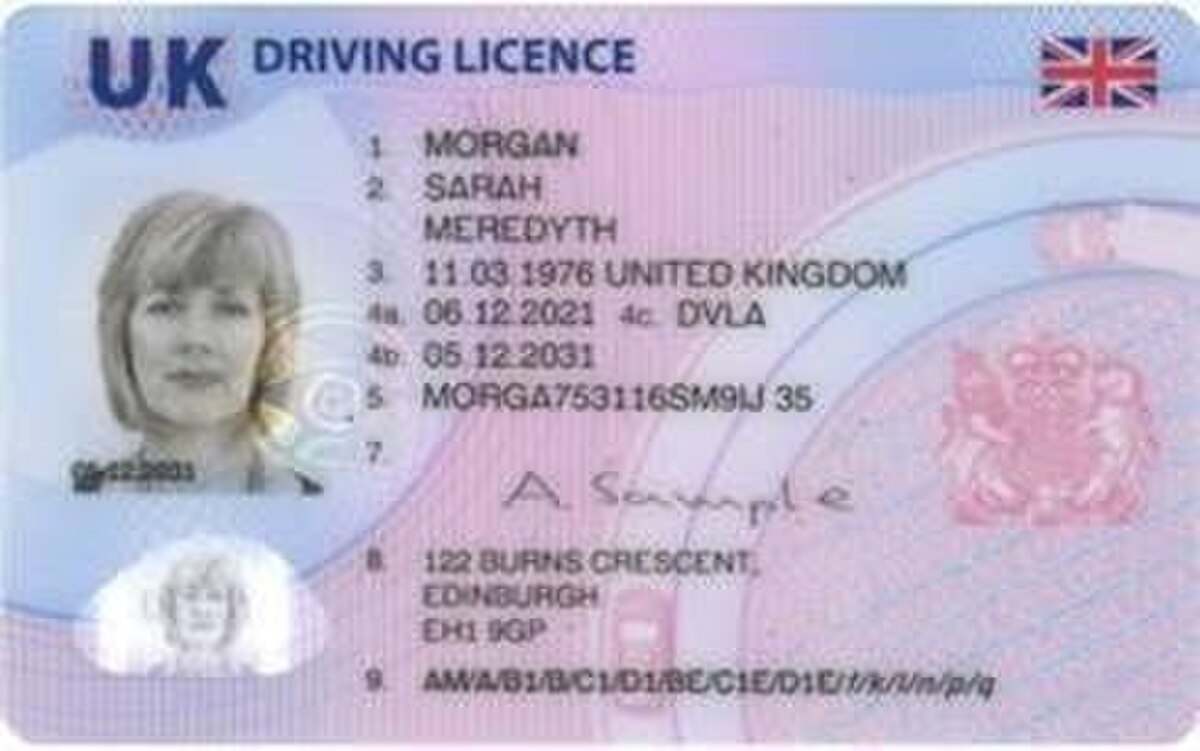
If you have lost your licence, order a replacement from gov.uk for £20 at least two weeks before the test. The standard turnaround is 5 to 10 working days, but allow longer in case of postal delays. If your test is sooner than that, you must rebook for a later date or sit the test having reordered the licence and hoped for the best. The latter is a gamble that fails roughly 15% of the time, and you lose the £62 fee if the replacement does not arrive.
What about the paper counterpart?
The paper counterpart was abolished in June 2015 and is no longer required or accepted. Only the photocard matters. If your licence was issued before 2015 you may have an old paper counterpart somewhere; you can throw it away. The DVLA database holds all the same information electronically, and the examiner accesses it through the test booking system, not the paper card.
Theory test pass letter
Technically not required because the booking system already verifies your theory pass. In practice, bring it anyway: if there is any database glitch on the day, having the original letter avoids a wasted journey. The theory pass certificate also confirms the two-year validity period, which is useful if there is any question about whether your certificate is still valid at the time of the practical. The theory test to practical timing guide explains the two-year rule in detail.
If your theory pass certificate has expired before the practical test date, the test cannot go ahead and you must retake the theory (£23) before booking another practical. DVSA does not extend the two-year window for any reason, including medical reasons, lost paperwork, or extended wait times for the practical. Plan your theory test timing to give you a comfortable margin before the practical.
Glasses or contact lenses
If you need them to read a number plate at 20 metres, bring them. The examiner does the eyesight check immediately outside the test centre, and failing it ends the test. If you wear glasses for the test, the requirement is recorded on your licence and you must wear them whenever you drive afterwards. The eyesight check guide covers the exact distance requirements and what happens if you fail.
Borderline eyesight: get a free or low-cost eye test before booking the practical, not the day before. Eye tests are free for under-16s and over-60s in England, Scotland, and Wales, with concessions for many others. Reading a number plate in supermarket car parks is a rough self-test; if you struggle, get a proper optician's assessment.
What you do not need to bring
- Passport or any other photo ID (not accepted as a substitute for the licence)
- Booking confirmation email (the examiner has the booking on screen)
- Cash or card (the test fee is paid at booking, not on the day)
- L-plates if your instructor's car already has them fitted
- Any insurance documents if you are using your instructor's car
- Theory test certificate as paper (the system verifies it electronically)
If you forget your licence
The examiner will refuse to start the test. You lose the £62 (or £75 weekend) fee in full and must rebook from scratch. A friend rushing the licence to you within 10 minutes will not save the slot; examiners run to a strict schedule and once your slot has been forfeited, the next candidate is up. The DVSA helpline cannot intervene. The licence must be in your possession when you check in at the centre desk.
This is a more common cause of cancellation than people expect. DVSA estimates suggest around 1 percent of bookings are cancelled on the day for missing documents, almost all of them the photocard. Keep the licence in the bag you will carry on test day, not in another bag, not on your kitchen counter. The on test day guide covers the minute-by-minute structure of what to expect.
Vehicle requirements (if you use your own car)
If you are using your own car rather than your instructor's, the examiner will check it before the test. The car needs:
- Valid MOT (if over three years old)
- Valid insurance covering you for the test (most learner policies do not by default; check before booking)
- No warning lights on the dashboard (red lights are an instant fail to start the test)
- L-plates front and rear, clearly visible
- A working extra rear-view mirror for the examiner, fitted to the windscreen
- Front passenger seatbelt and head restraint that work properly
- Tyres at legal tread depth, with no visible damage
- A clean dashboard area so the examiner can sit comfortably
Special cases: automatic-only and adapted vehicles
If you are taking the test in an automatic, the same document requirements apply. The licence you receive will be restricted to automatic vehicles only (code 78 on your licence). The automatic vs manual guide explains the licence consequences and when an automatic-only restriction makes sense. For adapted vehicles (hand controls, modified pedals, etc.), notify DVSA at booking and bring any medical documentation requested; the examiner will check the adaptations meet DVSA requirements before the test starts.
Final checklist for test morning
Photocard licence in your bag. Glasses if you need them. Theory pass letter (optional but sensible). If using your own car, the insurance certificate (or screenshot from your policy showing valid cover for the test date). Arrive 10 to 15 minutes early. The test day checklist guide walks through everything in detail. Forgetting the licence is the only common mistake that ends the test before it starts; everything else is a recoverable issue.
Sources and further reading
The figures, fees, and procedures referenced in this article are verifiable on the official gov.uk pages below. PassRates.uk is built on the Driver and Vehicle Standards Agency’s open data, published under the Open Government Licence.
What is the pass rate at your test centre?
Search by centre name, town or postcode to see the latest DVSA figure.
Frequently asked questions
What if my photocard licence has expired?
You cannot take the test. Provisional photocards last 10 years and must be renewed before they expire. Renew at gov.uk for £14 well before any test date. Check the date on your card now if you have not looked recently.
Can I take the test in a hire car?
Yes, provided the rental agreement explicitly permits use for a driving test (most do not by default) and the car meets all DVSA requirements including a second rear-view mirror. Many hire companies refuse outright; check before booking.
Do I need to bring my pass certificate from theory?
No, the booking system verifies it electronically. Bringing it is a sensible backup but not required. The theory test to practical timing guide explains the two-year validity rule.
What documents do I need if I am taking the test in my own car?
Photocard licence (mandatory), valid MOT certificate for the car (if applicable), insurance documents covering you for the test, and any glasses you need. The car must have L-plates and a second rear-view mirror fitted before you arrive.
Can the examiner check my licence is genuine?
Yes. Examiners are trained to spot forged or altered photocards and have access to the DVLA database for verification. A licence that fails the visual check or does not match the database record ends the test before it starts.
Related guides
Written by Vikas and the PassRates.uk team. Vikas is the software engineer and driving enthusiast who started the site. The figures come straight from the DVSA open dataset; see the methodology.
Source DVSA, Open Government Licence v3.0
Continue reading
UK driving test faults 2026: up to 15 minors (16th fails you), zero serious or major faults allowed. Full list of common driving, serious and dangerous faults.
A minute-by-minute walk-through of UK driving test day: arrival, eyesight check, vehicle checks, the drive itself, and the debrief.