Gateshead Driving Test Centre Pass Rate 2024-25
Gateshead driving test centre returned a 37.4% pass rate in 2024-25 on 8,109 practical car tests, placing it 11.3 percentage points below the national average of 48.7%. The 2024-25 figure is the lowest recorded at Gateshead since data collection began in 2008-09, continuing a steady decline from the centre's peak of 46.6% in 2015-16. Candidates in the area who can reach South Shields (7.2 miles, 47.1%) or Durham Meadowfield (14 miles, 51.2%) will find considerably better odds.
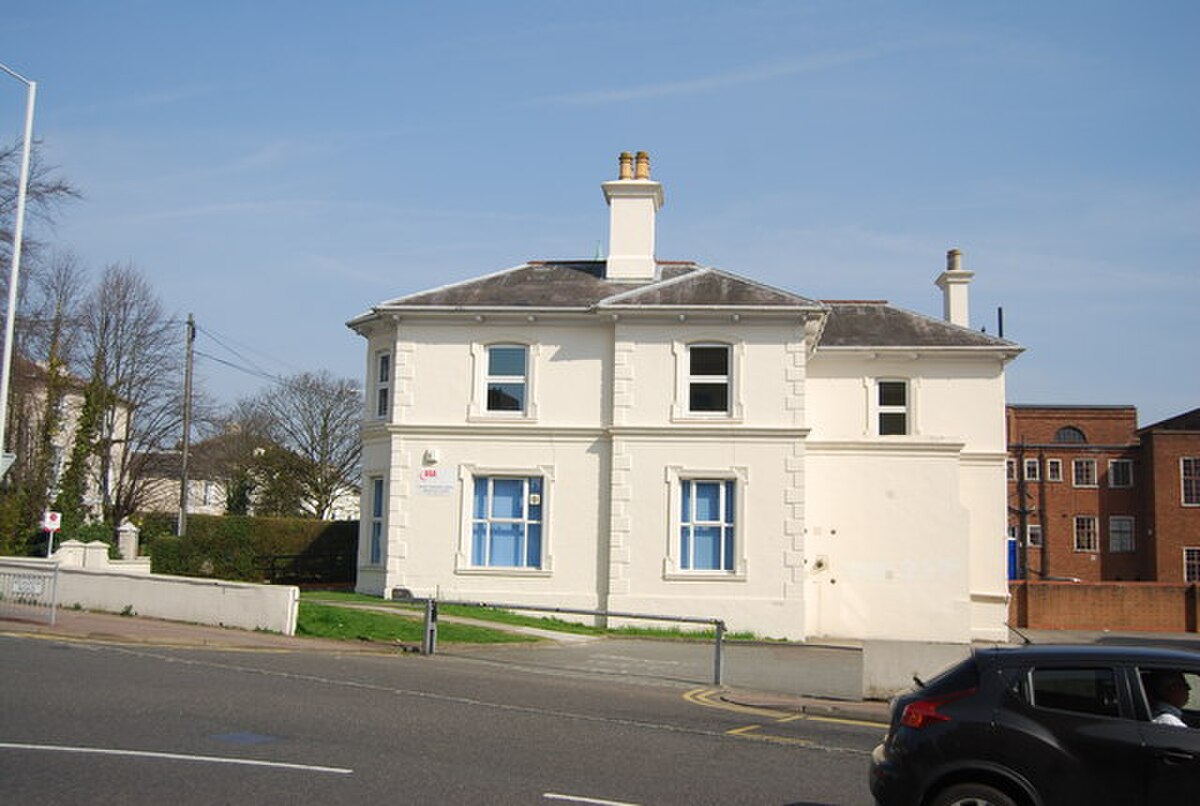
- Pass rate 2024-25
- 37.4%on 8,109 tests at Gateshead
- Below UK average
- -11.3ppnational average 48.7%, 2024-25
- Historical high
- 46.6%recorded in 2015-16 at Gateshead
- National rank
- 440 of 571among all UK test centre locations
The 2024-25 result in context
At 37.4%, Gateshead sits 11.3 percentage points below the UK national average of 48.7% for 2024-25. Among the 263 high-confidence car test centres that conducted at least 1,000 tests in the year, this places Gateshead in the lower quarter of the national ranking, at position 440 out of 571 listed locations. The 8,109 tests conducted in 2024-25 give the headline figure enough statistical weight to reflect genuine centre conditions: the 95% confidence interval is approximately plus or minus 1.1 percentage points on either side of 37.4%.
37.4% is the lowest pass rate recorded at Gateshead since the DVSA began publishing centre-level data for this site in 2008-09. The previous low was 41.6%, set in 2022-23. The 2024-25 result is therefore not just a continuation of an ongoing trend but a new low watermark for the centre, and it represents a meaningful deterioration from the 40.9% posted in 2023-24. Whether this reflects changes in the candidate population, test route revisions, increased traffic volumes on local roads, or other factors is not disclosed in the published data, but the pattern over the last three completed years is clearly downward.
Gateshead's pass rate history since 2008-09
Gateshead's recorded history shows considerable variation across 17 completed data years. The earliest data point, 2008-09, produced a 42.7% pass rate on 5,042 tests. The centre hovered in the low to mid forties for several years before reaching its peak of 46.6% in 2015-16, the only sustained period in which Gateshead came close to the national average. Since that peak, rates declined: 44.4% in 2016-17, 41.8% in 2017-18, a brief recovery to 44.7% in 2018-19 and 43.5% in 2019-20, then a renewed downward trend from 2022-23 onwards. The three most recent completed years, 41.6%, 40.9% and 37.4%, form the steepest consecutive three-year decline the centre has recorded.
Pass rate by gender at Gateshead
Over all years for which DVSA publishes gender-split data at Gateshead, male candidates have passed at an aggregate rate of 44.2% across 35,613 tests, and female candidates at 40.3% across 32,121 tests, a gap of 3.9 percentage points. The national average gender gap is approximately 2 percentage points, so the gap at Gateshead is wider than the UK norm. The aggregate first-time pass rate is 42.5%, based on 31,525 first-attempt candidates across all recorded years. Zero-fault passes make up 1.3% of all tests at the centre, a modest figure consistent with a below-average overall rate.
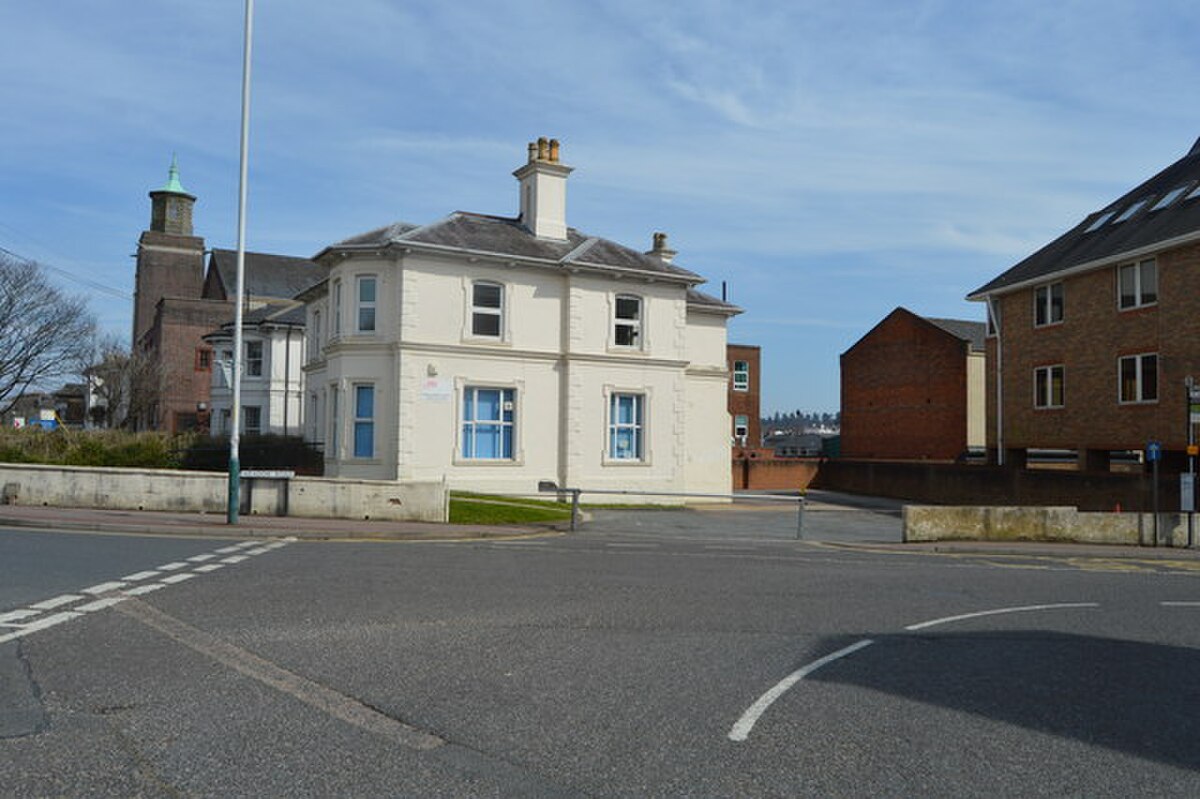
Nearby test centres and their 2024-25 pass rates
For candidates in Gateshead who have some flexibility over which centre they book, the comparison with nearby sites is notable. The two closest options, Elswick at 1.8 miles and Longbenton at 3.2 miles, are both within the Newcastle urban area and also post below-average rates of 41.4% and 42.3% respectively in 2024-25. Travelling further makes a meaningful difference. South Shields, 7.2 miles to the east, returned 47.1% in 2024-25 on 4,312 tests, an advantage of 9.7 percentage points over Gateshead. Sunderland, 9.5 miles to the south-east, also returned 47.1% on a larger and therefore more reliable 9,084-test sample.
For candidates willing to travel further, Durham Meadowfield at 14 miles returned 51.2% in 2024-25 on 3,188 tests, offering a 13.8 percentage point advantage over Gateshead. That is a substantial gap. For a learner whose instructor covers the wider region, it represents a genuine strategic consideration. Blyth at 11.9 miles returned 47.2% on 6,493 tests, also above the national average and on a sample large enough to give the figure statistical reliability. The pattern across the region is consistent: the further from the Tyne urban core, the higher the pass rate tends to be.
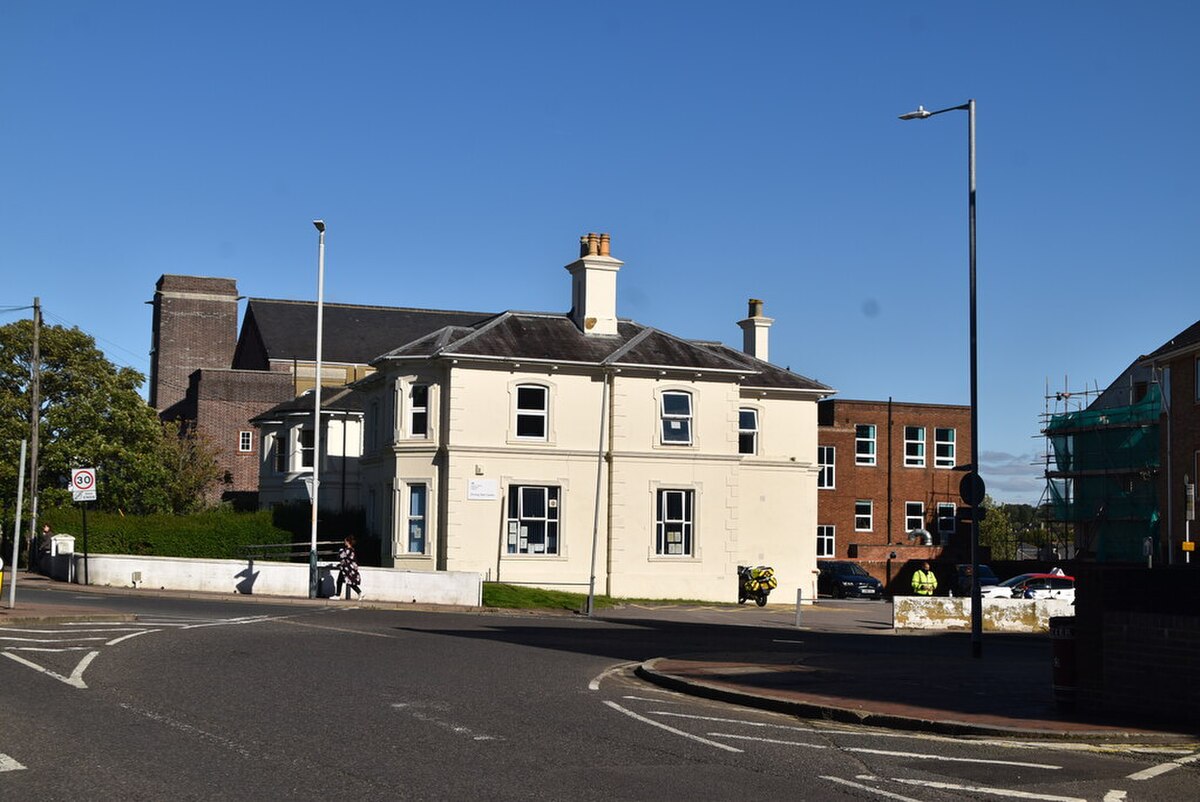
What the Gateshead test route involves
Gateshead sits immediately south of the River Tyne, sharing a tightly connected road network with Newcastle upon Tyne on the north bank. Test routes at the centre are likely to combine busy town-centre roads with A-road sections that carry significant volumes of commercial and commuter traffic. The A167 Durham Road corridor, the junctions around Team Valley retail and business park, and residential streets throughout the Gateshead metropolitan area are all likely to feature in the route mix. The proximity of major river crossings and interchange junctions means candidates are regularly required to handle multi-lane environments, lane changes under live traffic, and complex priority situations.
Heavy goods vehicles and buses are frequent on the busier sections of the Gateshead test area, placing an emphasis on safe following distance and consistent mirror-signal-manoeuvre discipline. Traffic volumes on the approach roads to the town centre and the riverside crossings can escalate quickly during peak hours, and a candidate who has prepared mainly on quieter or rural roads may find the transition to this environment more demanding than anticipated. Practising during morning and afternoon peaks on routes that reflect the actual test area is consistently more useful preparation than accumulating mileage on quieter circuits.
How to prepare for your test at Gateshead
- 01Practise the busiest A-road sections
The A167 Durham Road corridor and the roads around Team Valley carry the heaviest traffic typical of a Gateshead test. Practise these sections during morning and afternoon peak periods rather than only off-peak. Confidence in busy multi-lane traffic is the most transferable skill for this test environment, and the volume of commercial traffic here is one of the main factors separating Gateshead from the national average.
- 02Build systematic junction observation habits
Junctions and observation failures are the leading cause of test failure nationally, and in a busy urban environment such as Gateshead they are scrutinised closely. Build a consistent pre-junction routine: check mirrors, reduce speed early, and observe before committing. Rushing a junction approach in heavy Gateshead traffic is where most serious faults occur for candidates who are otherwise well prepared.
- 03Cover multi-lane roundabouts before your test
The road network around Gateshead and Team Valley includes roundabouts with two or three entry lanes. If your regular lesson routes use mainly single-lane roundabouts, ask your instructor specifically to cover the multi-lane junctions typical of the test area. Lane selection errors at these roundabouts are a recurring source of major faults for Gateshead candidates.
- 04Book early and check for cancellations
Gateshead conducted 8,109 tests in 2024-25, making it one of the higher-volume centres in the North East. Wait times at high-volume sites run longer than at smaller rural centres, particularly between August and November. Book as early as possible and monitor the DVSA cancellation system if your preferred date is several weeks away.
- 05Weigh up nearby centres before committing
If you have not yet booked and your instructor covers the wider North East area, the comparison data above is worth reviewing before deciding. South Shields at 7.2 miles returned 47.1% in 2024-25, a 9.7 percentage point advantage over Gateshead on a reliable 4,312-test sample. Durham Meadowfield at 14 miles returned 51.2%, a 13.8 point advantage. The choice of test centre is one of the few preparation decisions entirely within your control.
Sources and further reading
The figures, fees, and procedures referenced in this article are verifiable on the official gov.uk pages below. PassRates.uk is built on the Driver and Vehicle Standards Agency’s open data, published under the Open Government Licence.
What is the pass rate at your test centre?
Search by centre name, town or postcode to see the latest DVSA figure.
Frequently asked questions
What is the pass rate at Gateshead driving test centre?
Gateshead driving test centre returned a pass rate of 37.4% in 2024-25, based on 8,109 practical car tests. That is 11.3 percentage points below the UK national average of 48.7% for the same year and the lowest pass rate the centre has recorded since data collection began in 2008-09.
Is Gateshead a hard place to pass the driving test?
Yes, based on published DVSA data. Gateshead ranks 440th out of 571 listed UK test centre locations, placing it in the lower quarter nationally. The busy A-road network, commercial traffic and complex junctions around the Team Valley area contribute to a test environment more demanding than most UK sites.
Has the Gateshead pass rate always been this low?
No. Gateshead's pass rate peaked at 46.6% in 2015-16, which was much closer to the national average of the time. The 2024-25 figure of 37.4% is the lowest on record, representing a 9.2 percentage point fall from that peak over nine years.
What are the nearest test centres with higher pass rates?
South Shields, 7.2 miles away, returned 47.1% in 2024-25 on 4,312 tests, a 9.7 percentage point advantage over Gateshead. Sunderland, 9.5 miles away, also returned 47.1% on a larger 9,084-test sample. Durham Meadowfield, 14 miles south, returned 51.2% on 3,188 tests. All three are statistically reliable figures from large samples.
What is the gender split in pass rates at Gateshead?
Over all recorded years, male candidates at Gateshead have passed at an aggregate rate of 44.2% across 35,613 tests, and female candidates at 40.3% across 32,121 tests, a gap of 3.9 percentage points. The national average gender gap is approximately 2 percentage points, making the Gateshead gap wider than typical.
How many driving tests are held at Gateshead each year?
Gateshead conducted 8,109 practical car tests in 2024-25. Test volumes were significantly lower before the COVID-19 period, typically around 3,000 to 5,000 per year. The higher post-COVID volumes reflect the backlog of candidates who were unable to test during the 2020-21 closure period.
Can I switch to a different test centre after booking at Gateshead?
Yes. You can rebook at a different DVSA-listed centre through the official DVSA booking service. There is no restriction on switching centres as long as a slot is available. If you have not yet prepared specifically for the Gateshead road environment, reviewing the comparison with South Shields or Sunderland before committing may be worth your time.
Every candidate behind these numbers passed a theory test first. Nationally 44.8% of attempts clear it.
Stopping distances, the two-second rule and driving in rain, ice and fog. All 14 DVSA topics are free to practise, with no sign up. See the theory pass rate by centre or the full practice hub.
Related guides
- London and regional analysisEasiest London centreRead guide
- London and regional analysisEasiest Manchester centreRead guide
- London and regional analysisManchester vs LiverpoolRead guide
- London and regional analysisEasiest Newcastle centreRead guide
- London and regional analysisEasiest Sheffield centreRead guide
- London and regional analysisEasiest Edinburgh centreRead guide
Written by Vikas and the PassRates.uk team. Vikas is the software engineer and driving enthusiast who started the site. The figures come straight from the DVSA open dataset; see the methodology.
Source DVSA, Open Government Licence v3.0
Continue reading
West Didsbury driving test centre recorded a 50.9% pass rate in 2024-25 on 17,196 tests, 2.2 percentage points above the national average. Pass rate history, gender breakdown, how it compares to Sale and Cheetham Hill, and preparation advice for Manchester candidates.
The UK driving test backlog is running at 11.1 weeks nationally in July 2026, with Scotland averaging 15.6 weeks and some centres above 30 weeks. Find out what is causing the wait, which regions are worst affected, and what options young drivers have while they wait.