UK Traffic Lights: 4-Phase Sequence and Amber Rule
Traffic lights look simple but the amber phase trips up more learners than any other UK signal. The 4-phase sequence and a single stop-or-proceed rule cover almost every case.
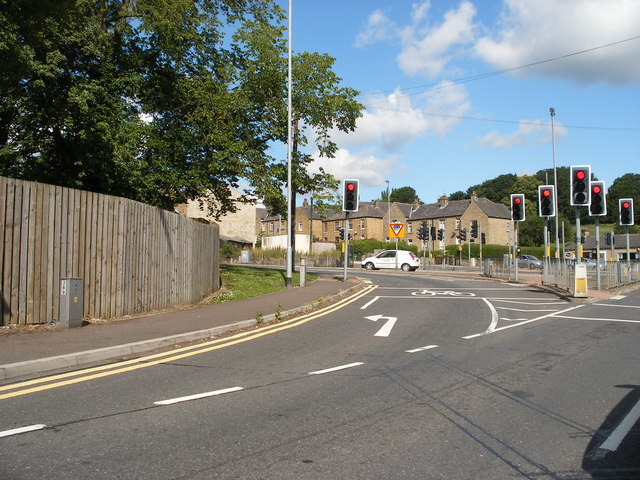
The standard UK traffic light sequence
UK traffic lights follow a four-phase sequence:
- Red: stop and wait behind the stop line
- Red and amber together: stop and wait, the lights are about to change
- Green: proceed if the way is clear
- Amber alone: stop unless you are too close to the stop line to do so safely
The order is always red, red-amber, green, amber, red. Some Continental European countries have green-flashing or amber-flashing phases that the UK does not use. The sequence is the same at every junction in the country, which makes traffic lights one of the more predictable elements of UK road rules.
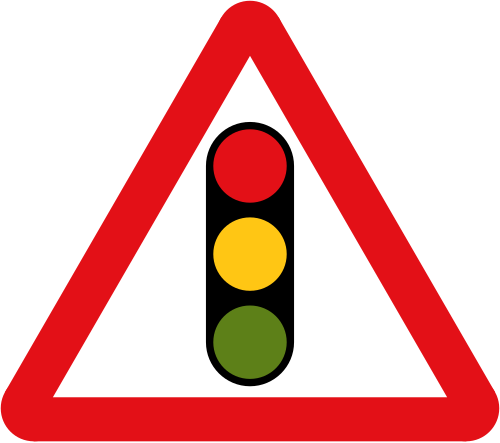

The amber-alone rule: stop unless unsafe
The trickiest light in the UK is amber alone (after green). The rule is: stop, unless you have already crossed the stop line or you are so close that stopping would cause a collision with the vehicle behind. Most learners interpret amber as "speed up to clear the lights," which is wrong. The legal default is stop. Proceeding through amber is only justified when stopping would be unsafe.

Examiners watch the amber phase closely. A confident stop at amber when you have time to do so safely is the correct response and earns no fault. Driving through amber when you could have stopped is a serious fault and a likely fail. The faults explained guide lists "amber gambling" as a recognised category.
Red and amber: prepare to go, do not move
The red-and-amber phase exists to give drivers time to engage gear and prepare to move. You must not move until the green appears. Edging forward during red-amber is a serious fault.
For manual gearboxes, this is when you select first gear, find the biting point, and check the way is clear. For automatic boxes, you confirm Drive is engaged and your foot is over the accelerator. Either way, the moment of departure is when green shows, not before.

Green does not mean go automatically
Green means "proceed if the way is clear." It is not a command to go regardless. Common situations where green does not mean go:
- A pedestrian is still finishing crossing the junction (priority belongs to them until they are clear)
- A vehicle ahead has stalled in the junction
- Traffic ahead is queuing such that proceeding would block the junction itself (a "do not block" rule, particularly at box junctions)
- An emergency vehicle is approaching with sirens (you give way regardless of the light)
- A cyclist is filtering up the inside lane and would be cut off by your turn
The mantra is: green means "you may go if it is safe." Drivers who treat green as automatic permission accumulate faults at junctions where pedestrians or cyclists are completing their movement.
Filter arrows and lane-specific signals
Some traffic lights have green filter arrows that allow movement in a specific direction even when the main light is red. A green left arrow means "you may turn left even if the main light is red." Filter arrows are a positive signal: they grant permission, not removal of permission.
When filter arrows exist, the lane to which they apply is usually marked on the road surface. You may only use the filter if you are in that lane. A green left arrow does not authorise a vehicle in the right-hand lane to turn left across other traffic.
When a filter arrow goes off but the main light is still red, you must stop. The filter is a temporary additional permission, not a continuous one.
Box junctions at signal-controlled intersections
Many UK signal-controlled junctions have yellow box markings on the road surface. The rule for a box junction is: you must not enter the box unless your exit is clear, with one exception (you may enter if you are turning right and you are only blocked from exiting by oncoming traffic). The intent is to prevent vehicles from blocking the junction during congested phases.
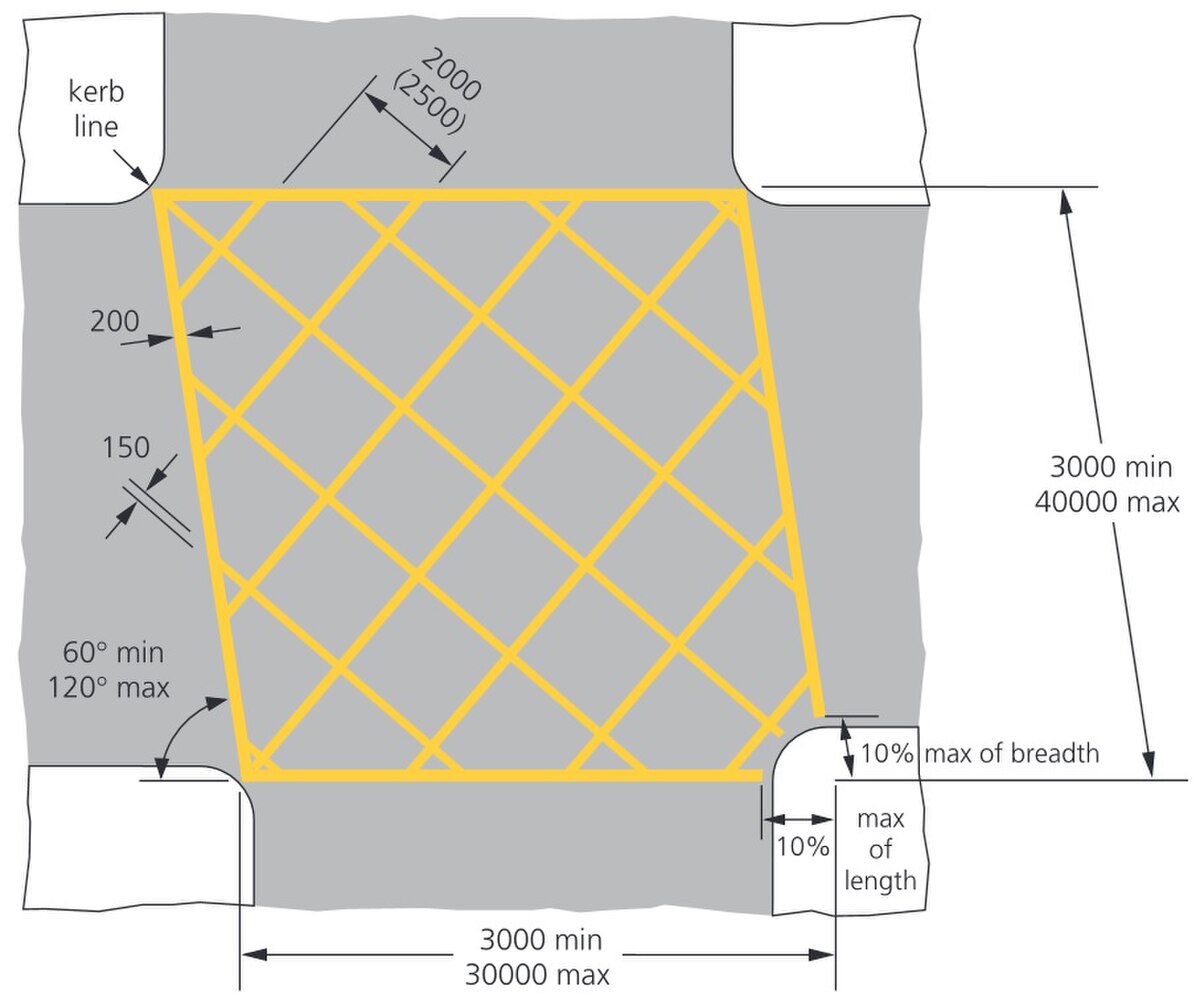
Stopping in a box junction is a recognised fault and, in some cities, an enforceable offence with a Penalty Charge Notice. Examiners see it as a serious fault on the test. The box junction rules guide covers the detailed application.
Common traffic light faults
- Amber gambling: speeding up through amber when stopping was safe
- Crossing the stop line on red
- Edging forward on red-amber before the lights turn green
- Failing to give way to pedestrians on green when they had not finished crossing
- Stalling on green and creating a queue
- Using a filter arrow lane without being in the correct lane
- Stopping inside a box junction
- Misreading a light at distance because of sun glare or partial obscuration
Failed and out-of-service lights
Sometimes traffic lights fail or are switched off temporarily. When a light is out, you treat the junction as an unmarked intersection and apply standard priority rules: give way to traffic from your right, use eye contact with other drivers, and proceed cautiously. A traffic officer or police officer directing traffic at a failed signal overrides the lights entirely; their hand signals take priority over any other signal.
Approach technique at lights
The approach to a set of traffic lights uses MSM. Check your interior mirror well before the junction. If the light is green, monitor for any sign of changing (the timing varies but most UK lights run amber for three to four seconds before red, giving you a clear decision window). If you see green well before the junction, treat it cautiously because it has been green for a while and may change as you arrive.
Cover the brake on approach to any signal. This shaves your reaction time without committing to a stop, and it lets you respond smoothly if amber appears. The Highway Code essentials guide covers approach speed for signals at different road types.
Light-controlled roundabouts
Major UK roundabouts increasingly use traffic lights at one or more entries to manage flow. When lights are on at a roundabout, they override the give-way-to-the-right rule. You stop at red, proceed at green, and apply the standard amber rules. When lights are off (which sometimes happens at off-peak hours), the give-way rule resumes. The multi-lane roundabouts guide covers this in more detail.
Sources and further reading
The figures, fees, and procedures referenced in this article are verifiable on the official gov.uk pages below. PassRates.uk is built on the Driver and Vehicle Standards Agency’s open data, published under the Open Government Licence.
What is the pass rate at your test centre?
Search by centre name, town or postcode to see the latest DVSA figure.
Frequently asked questions
What does amber alone mean?
Stop, unless you are so close to the stop line that stopping would be unsafe. The default response to amber is stop.
Can I move on red and amber together?
No. Red and amber means the lights are about to change, but you must wait for green before moving.
What if a green filter arrow appears for my direction while the main light is red?
You may turn in the direction of the arrow if you are in the correct lane. The filter is a temporary additional permission. When it goes off, if the main light is still red, you stop.
What happens if traffic lights fail or go off?
Treat the junction as unsignalled and apply standard priority rules: give way to traffic from your right. A police officer directing traffic overrides any failed signal.
Will I fail my test for going through amber?
It depends on whether stopping was safe. Amber when you could have stopped safely is a serious fault and likely fail. Amber when you were already past the stop line or stopping would cause a collision is no fault.
Do traffic lights override give-way at roundabouts?
Yes. When lights are on at a roundabout, you stop at red and proceed at green. The give-way-to-the-right rule applies only when the lights are off.
Every candidate behind these numbers passed a theory test first. Nationally 44.8% of attempts clear it.
Following distances, courtesy, priority and how to behave around other road users. All 14 DVSA topics are free to practise, with no sign up. See the theory pass rate by centre or the full practice hub.
Related guides
- Signs, signals and crossingsPedestrian CrossingsRead guide
- Signs, signals and crossingsYellow Line ParkingRead guide
- Junctions and priorityJunctions and PriorityRead guide
- Junctions and priorityCrossroadsRead guide
- Junctions and priorityBox JunctionsRead guide
- Junctions and priorityMastering RoundaboutsRead guide
Written by Vikas Dulgunde, the software engineer and driving enthusiast behind PassRates.uk. The figures come straight from the DVSA open dataset; see the methodology.
Source DVSA, Open Government Licence v3.0
Continue reading
UK box junction rules: when you can enter, the 1 right-turn exception, common faults, and how examiners assess box junctions on the driving test.
The 5 UK pedestrian crossing types (Zebra, Pelican, Puffin, Toucan, Pegasus), who has priority at each, and the faults that fail tests at crossings.