What Is the CBT Test? Compulsory Basic Training Explained
Compulsory Basic Training (CBT) is mandatory training that anyone who wants to ride a moped or motorcycle on UK public roads with L-plates must complete first. It is not a pass/fail test but a supervised training course: your trainer signs you off once you have demonstrated the required standard across all five elements, which can take one day or two. Once signed off, you receive a DL196 certificate valid for two years. This guide covers exactly what those five elements involve, who needs CBT, what it costs, and what riding restrictions apply while you hold a CBT certificate.
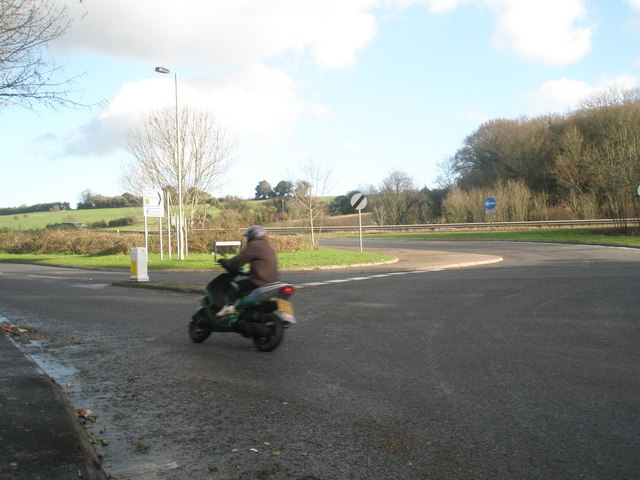
- Minimum age (moped/AM)
- 16You can complete CBT on a moped (AM category, up to 50cc, 28 mph/45 km/h cap) from age 16. For a motorcycle (A1 category, up to 125cc) the minimum age is 17.
- Number of elements
- 5Elements A to E. All five must be completed, usually in a single day. Your trainer can split them across two consecutive days if needed, but all five must be done at the same Approved Training Body (ATB).
- Typical cost
- £130 to £170DVSA does not set a fixed fee. Each Approved Training Body sets its own price. Prices outside this range exist in some areas. Always confirm the price with your ATB before booking.
- DL196 certificate validity
- 2 yearsThe DL196 certificate is valid for two years regardless of age. If it lapses before you pass Mod 1 and Mod 2 (or the direct-access equivalent), you must retake CBT before riding on L-plates again.
- Pillion allowed on CBT?
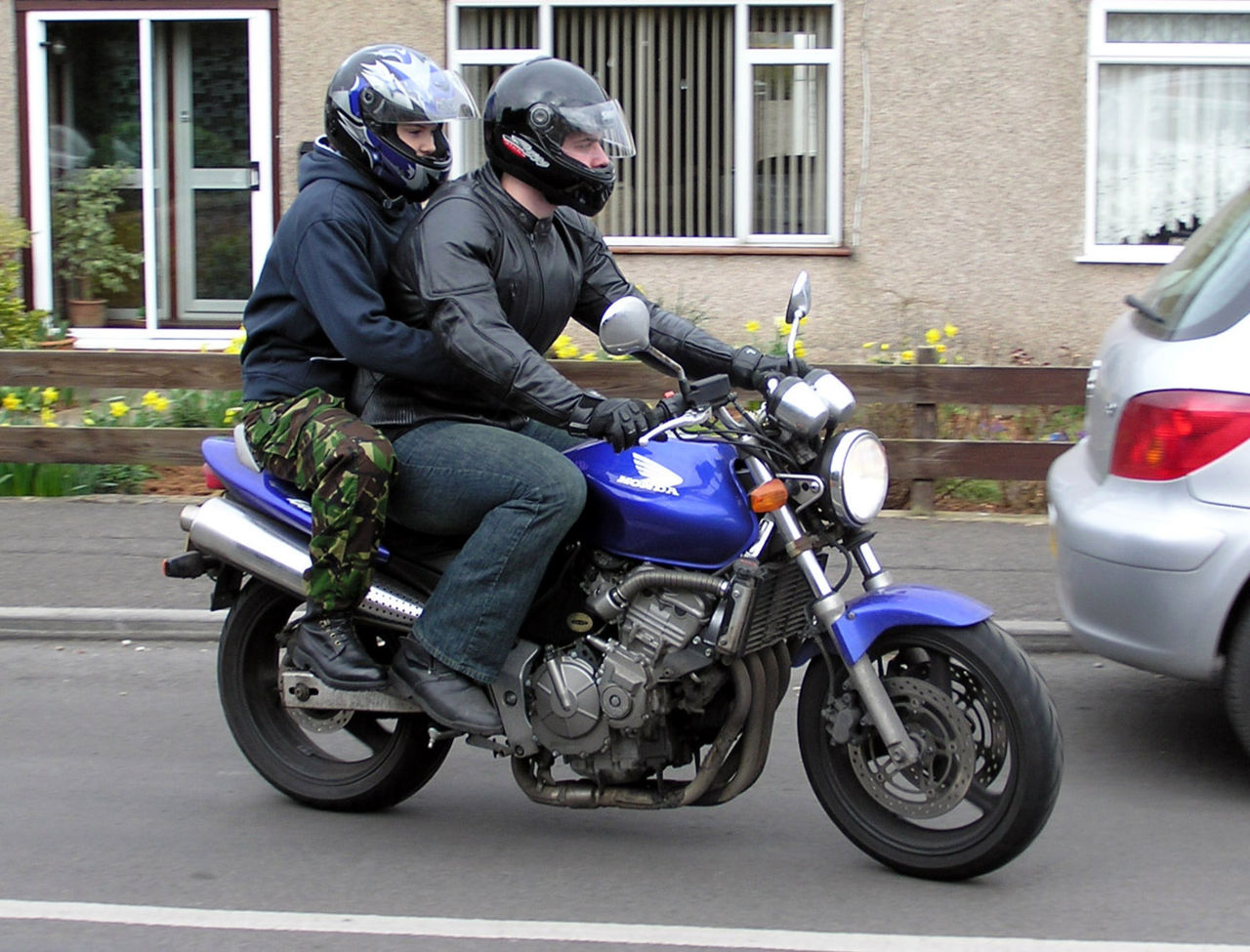
- NoWhile you hold only a CBT certificate and ride on L-plates, you cannot carry a pillion passenger under any circumstances. This restriction lifts once you hold a full motorcycle licence.
- Motorways allowed on CBT?
- NoLearner motorcyclists on L-plates (CBT certificate holders who have not yet passed their full test) are not permitted on motorways. L-plate car learners have been able to use motorways with an approved driving instructor since 2018, but this exception does not apply to motorcycles.
What is the CBT test?
CBT stands for Compulsory Basic Training. Despite being widely called a "test", it is a supervised training course rather than an examination: there is no written paper and no formal pass/fail result. Your DVSA-registered trainer works through five structured elements with you, and you progress to the next element once you have reached the required standard in the current one. When you have completed all five to your trainer's satisfaction, they sign off a DL196 certificate and you are legally entitled to ride on public roads with L-plates within your licence category.
CBT is run by Approved Training Bodies (ATBs). ATBs are private businesses authorised by DVSA to deliver CBT; they set their own prices and their own timetabling. DVSA publishes a list of ATBs on gov.uk so you can find one near you. Your trainer at the ATB must be a DVSA-registered direct access instructor or registered CBT instructor.
Who needs to complete CBT?
You must complete CBT before riding any of the following on a UK public road on L-plates:
- A moped (AM category: up to 50cc engine, maximum speed 28 mph / 45 km/h). Minimum age 16.
- A light motorcycle (A1 category: up to 125cc, power output up to 11 kW). Minimum age 17.
- A standard motorcycle (A2 category: up to 35 kW, 47 bhp). Minimum age 19.
- An unrestricted motorcycle (full A category, any engine size). Minimum age 21 via direct access, 24 via progressive access.
CBT also applies if you hold a car licence and want to ride a moped: your full car (category B) licence lets you ride a moped after completing CBT, without needing a separate motorcycle theory test or Mod 1 and Mod 2 at first, but you still need the CBT certificate before you can ride on the road.
The 5 elements of CBT: what happens on the day
CBT must be delivered in sequence. You cannot skip an element or start Element E without completing Elements A to D. The five elements are:
- 01Element A: Introduction
The trainer covers what the course involves, what equipment you will need (helmet, gloves, jacket, boots), your legal obligations on the road, and the Highway Code rules most relevant to moped and motorcycle riders. You will also be shown the documents you need to ride legally: a valid licence, insurance, tax and MOT (if the bike is over three years old). This element is classroom-based.
- 02Element B: Practical on-site training
On a private, traffic-free site (usually the ATB's own yard), you learn to handle the bike: mounting and dismounting, using the controls (throttle, clutch, brakes, gears), walking the bike and low-speed balance, and stopping safely. You do not ride at speed in this element; the focus is control and familiarity.
- 03Element C: Practical on-site riding
Still on the private site, you now ride the bike and demonstrate the skills from Element B. Typical exercises include riding a straight line, stopping at a marked point, basic turning, and controlled slow-speed riding. Your trainer must be satisfied with your standard before moving on.
- 04Element D: Practical on-road training
Back in the classroom or training area, your trainer talks through what to expect on public roads: hazard awareness, junction procedure, positioning, dealing with parked vehicles, and how to communicate with other road users. This is preparation for Element E, not a theory test.
- 05Element E: Practical on-road riding
You ride on public roads for at least two hours (most sessions run longer), with your trainer following on another motorcycle and communicating via radio earpiece. The routes typically include residential streets, junctions, and busier roads. Your trainer must be satisfied you can ride safely before signing off the DL196.
How much does CBT cost?
DVSA does not set a fixed price for CBT. Each ATB sets its own fee, which typically covers the full day (or two days if split), the use of the ATB's bike and safety kit if you do not have your own, and the DL196 certificate at the end. The range in 2026 is approximately £130 to £170 for a standard one-day session in most parts of the UK, though prices in London and some city centres run higher.
| Provider type | Typical cost | Bike provided? | Kit provided? | |
|---|---|---|---|---|
| National chain ATB | £130 to £155 | Yes, usually 125cc learner bike | Helmet and gloves; jacket extra | |
| Independent local ATB | £130 to £170 | Yes, with some offering your own bike | Varies; often helmet only | |
| Using your own bike | Some ATBs discount by £10 to £20 | No, your bike is used for Elements C to E | You provide your own |
The DL196 certificate: what it covers and how long it lasts
When your trainer is satisfied you have met the standard in all five elements, they complete a DL196 certificate. The DL196 is the official record that you have completed CBT. It is issued by the ATB on behalf of DVSA and lists the licence category the training was completed on (for example AM or A1), the date, and the ATB's details.
The certificate is valid for two years from the date of issue for all ages. During those two years, you can ride the appropriate category of moped or motorcycle on UK public roads with L-plates, as long as you meet the other legal requirements (valid licence, insurance covering L-plate riding, tax and MOT). You do not need to carry the DL196 with you when riding, but DVSA can check your CBT status electronically if asked.
What happens if your CBT certificate expires?
If your DL196 expires before you have passed Mod 1 and Mod 2 (or the direct-access equivalent), you cannot ride on L-plates legally until you complete CBT again. There is no grace period and no way to extend the certificate. You must book a new CBT session with an ATB and complete all five elements from the beginning, including Element E on public roads.
A lapsed certificate is one of the most common reasons riders face an insurance gap. Most motorcycle insurance policies that cover L-plate riding require a valid CBT certificate as a condition; if yours has expired and you ride, you are not just breaking the law but likely riding uninsured as well. Check your expiry date well before it falls due and book a renewal if you have not yet passed your full test.
“The DL196 is valid for two years. If it lapses before you pass your full test, you must complete CBT again from the start before you can ride legally on L-plates.”
Riding restrictions while you hold a CBT certificate
A CBT certificate does not give you a full licence. While riding on a DL196, the following restrictions apply:
- L-plates must be displayed on the front and rear of the machine at all times when riding on public roads.
- You cannot carry a pillion passenger, even if they hold a full motorcycle licence.
- You cannot ride on motorways. This applies to all motorcycle learners on L-plates, regardless of engine size.
- Your speed is limited by the category of machine you are riding (28 mph / 45 km/h for AM mopeds; no separate speed restriction for A1/A2/A machines beyond normal road limits).
- You must hold valid insurance that specifically covers riding as a learner with a CBT certificate.
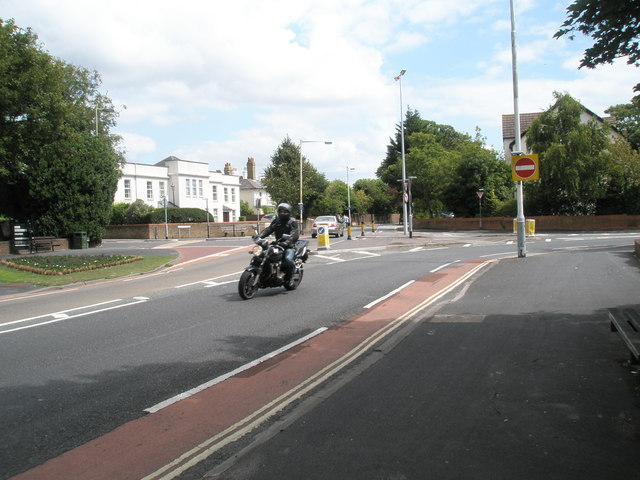
What comes after CBT?
CBT is the first step in the full motorcycle licensing pathway, not the last. To ride without L-plate restrictions (including carrying a pillion and using motorways), you must pass the motorcycle theory test, then Module 1 (off-road manoeuvres at a DVSA test centre) and Module 2 (on-road riding with a DVSA examiner). The theory test and Mod 1 must both be passed before you can book Mod 2.
If you completed CBT on an AM moped but want to upgrade to an A1 motorcycle, you need a new CBT session on an A1-category machine, since the DL196 is category-specific. A CBT on an AM machine does not entitle you to ride an A1 motorcycle. The preparing for Mod 1 after CBT guide covers the realistic timeline from a fresh DL196 to a Mod 1 booking, and motorcycle licence categories UK explains the full A1, A2 and A progression in detail.
Sources and further reading
The figures, fees, and procedures referenced in this article are verifiable on the official gov.uk pages below. PassRates.uk is built on the Driver and Vehicle Standards Agency’s open data, published under the Open Government Licence.
What is the pass rate at your test centre?
Search by centre name, town or postcode to see the latest DVSA figure.
Frequently asked questions
Do I need CBT to ride a 125cc motorbike?
Yes. To ride any motorcycle, including a 125cc (A1 category) on L-plates, you must hold a valid CBT certificate (DL196). You must also have a provisional motorcycle licence entitlement, which you can add to your driving licence via DVLA. You cannot ride a 125cc on the road without completing CBT first, even if you hold a full car licence.
How long does CBT take?
Most riders complete all five elements in a single day, typically six to eight hours. If you need more time on the on-site elements (Elements B and C), some ATBs will carry the session over to a second consecutive day. The minimum on-road riding time in Element E is two hours, but instructors often run it longer to ensure you are comfortable.
Can I fail CBT?
CBT is training, not a test with a formal pass or fail result. Your trainer works with you until you reach the required standard in each element. If you are not ready on the day, the ATB will arrange additional time rather than issue a fail notice. That said, if your trainer believes you cannot safely reach the standard, they will not sign off your DL196, and you will need to rebook. This is rare but does happen.
Does CBT expire if I already have a car licence?
Yes. The two-year expiry applies regardless of what other licences you hold. Holding a full car (category B) licence allows you to complete CBT and then ride an AM moped without sitting a separate motorcycle theory test, Mod 1 or Mod 2, but the DL196 certificate still expires after two years. If you do not renew it before it lapses, you cannot legally ride the moped until you complete CBT again.
Can I use my own bike for CBT?
Some ATBs allow you to use your own machine for Elements C to E, as long as it meets DVSA requirements: valid MOT (if over three years old), road tax, L-plates front and rear, valid insurance covering L-plate riding, and the machine must fall within the licence category you are training for. Contact your ATB in advance; some require you to use their machine for the on-site elements regardless.
Is CBT the same as the theory test?
No. CBT is practical training run by an ATB at a private site and on public roads. The motorcycle theory test is a separate computer-based test held at a DVSA theory test centre, consisting of multiple-choice questions and a hazard perception video. You do not need to sit the theory test before completing CBT, but you must pass the theory test before booking Mod 1.
What is a DL196 certificate?
The DL196 is the official document your ATB issues when you complete CBT. It records your name, date of birth, licence number, the category of machine the training was completed on, and the issue date. It is valid for two years. DVSA can check your CBT status electronically, so you do not need to carry the physical certificate while riding, though keeping it somewhere safe is advisable.
Related guides
- Licences, bikes and trainingUK Motorcycle LicencesRead guide
- Licences, bikes and trainingBike Licence CategoriesRead guide
- Licences, bikes and trainingTest Bike GuideRead guide
- Licences, bikes and trainingChoosing Bike SchoolRead guide
- Licences, bikes and trainingTwo-Up After Mod 2Read guide
- Module 1 (off-road)Mod 1 ExplainedRead guide
Written by Vikas and the PassRates.uk team. Vikas is the software engineer and driving enthusiast who started the site. The figures come straight from the DVSA open dataset; see the methodology.
Source DVSA, Open Government Licence v3.0
Continue reading
Junctions and mirrors are the most-recorded UK driving test fault categories (DVSA 2024-25 rank data): the categories, why they dominate, and how to fix each.
Northern Ireland's graduated driver licensing took effect on 1 October 2026 and young-driver premiums in NI have risen to £1,432 for 17 to 24 year olds, while most GB figures point the other way. Here is what the data shows.