Most Common UK Driving Test Faults 2026: DVSA Top 10
Junctions and mirrors are the most-recorded fault categories across roughly 1.84 million UK practical car tests in 2024-25, with a handful of categories dominating the marks. DVSA publishes the rank order of these categories, and knowing which sit at the top puts your final lessons where the marks actually are.
Which fault categories appear most often on UK driving tests?
The DVSA records every fault mark given during every practical car test in Great Britain. The resulting dataset from 2024-25, covering around 1.84 million tests, shows a consistent pattern: a handful of categories produce the overwhelming majority of marks. The top five categories alone account for roughly half of all fault marks recorded during that period. Most of them involve junctions and mirrors, two areas that learners often consider well-practised but rarely nail under test conditions.
The distinction between a minor fault mark in one of these categories and a serious fault in the same category can come down to a single check you did or did not make. A candidate who looks but does not look early enough picks up a minor. A candidate who pulls out on a vehicle still approaching picks up a serious, which ends the test. That is why knowing which categories to focus on matters: these are the areas where a small lapse in habit creates the highest risk.
- Tests conducted
- 1.84mpractical car tests, GB 2024-25
- Overall pass rate
- 48.7%DVSA 2024-25 (DRT122A)
- Minor faults to fail
- 16+or any single serious/dangerous
- Top fault category
- Junctionsobservation: most recorded
- Typical pass profile
- 2-4minor faults seen on most passes (instructor estimate)
- Most serious risk
- Observationturns serious when a vehicle is affected
The top 10 most recorded fault categories (DVSA 2024-25)
The chart below illustrates the approximate relative frequency of fault marks across the ten most recorded categories in 2024-25, indexed to the most common category (junctions, observation) at 100. DVSA publishes the rank order of these categories, not exact category-share percentages, so the index here is an illustration of relative prominence rather than an official figure. It covers minor and serious fault marks combined.
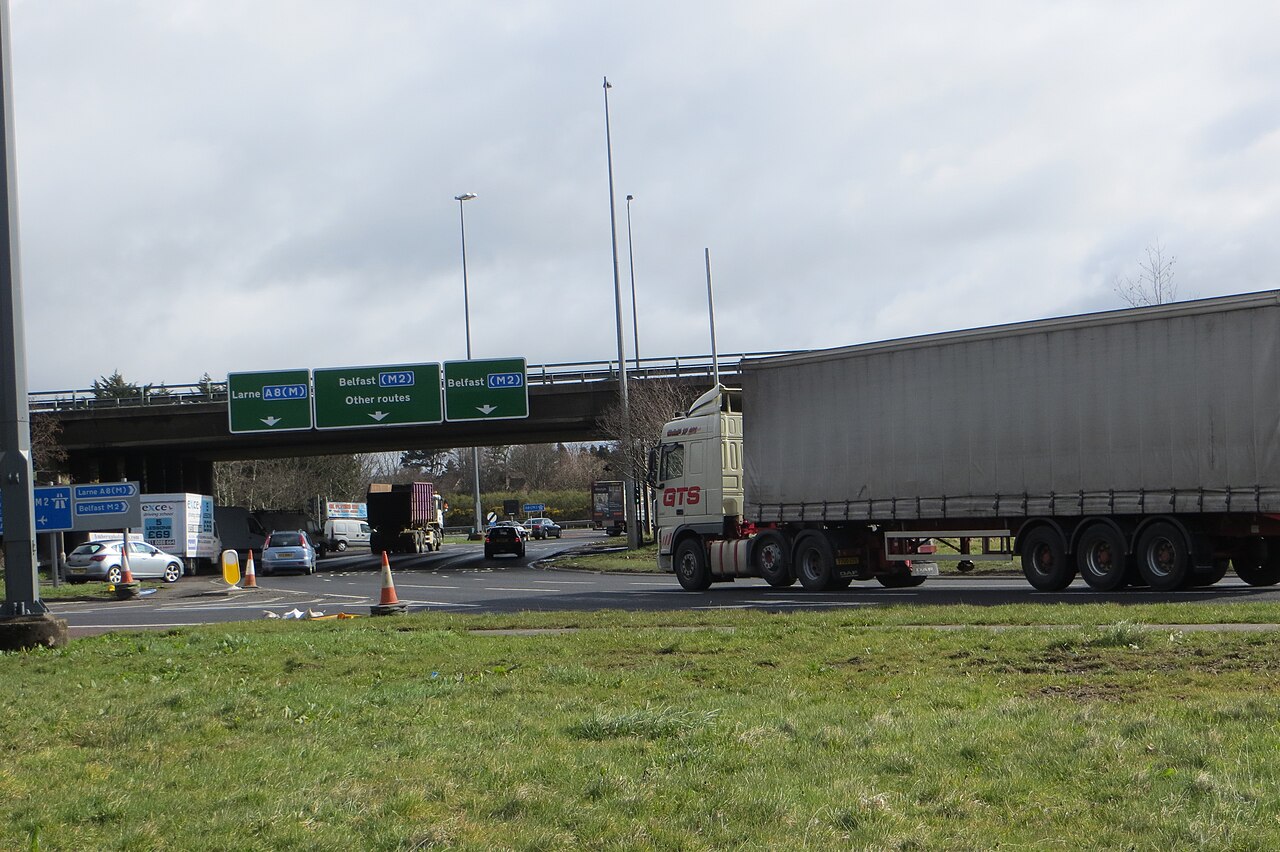
Why junctions (observation) is the number one fault every year
Junctions require the most demanding coordination of the test: slow the car, select the correct gear, position accurately, identify the give-way or stop rule, observe right-left-right, judge the speed and distance of approaching vehicles, and then move off smoothly. Any break in that chain produces a fault. The observation part specifically means the candidate looked but not effectively, looked at the wrong moment, or moved before the observation was complete. Examiners record it even when no other vehicle was actually close, because ineffective observation is the habit that causes real accidents.
The fix is deliberate practice at junctions, not just driving through them. Ask your instructor to call out "observation?" every time you reach a give-way line. You should be pausing long enough to make a full right-left-right sweep, not just a glance. If you emerge from a junction and your instructor had to intervene in your perception of a vehicle, you have just demonstrated the exact habit that fails tests. Most instructors estimate 20 to 30 deliberate junction approaches before the habit becomes automatic.
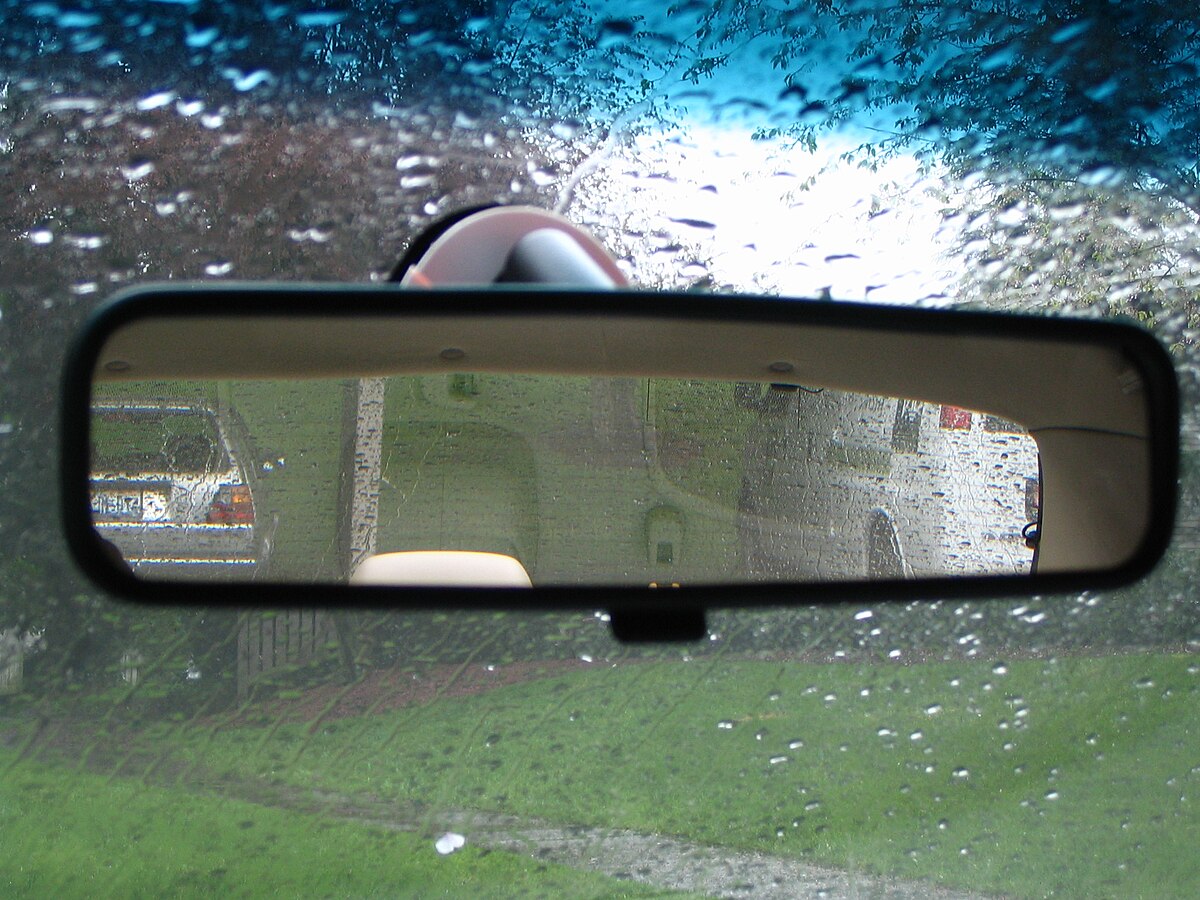
Mirror faults: the second most recorded category
Two mirror fault sub-categories sit in the top four: mirrors before changing direction and mirrors before signalling. Together they contribute almost as many fault marks as junctions observation. The Highway Code is clear on the mirror-signal-manoeuvre routine, and DVSA examiners mark it consistently. The issue is not that candidates do not know to use mirrors. The issue is that under test stress they skip or rush the mirror check, or they check the mirror after they have already started to indicate.
- Check the interior mirror before every signal, direction change, and speed reduction
- Check the relevant door mirror before signalling for a lane change or turn
- Make the check visible: move your eyes clearly to the mirror, not a glance the examiner might miss
- On the MSM routine, the mirror check should happen before the signal, not simultaneously
- After a manoeuvre, check mirrors again before resuming normal driving speed
Moving off faults: the third pillar of test failures
Moving off safely covers several distinct problems. A stall on a hill or at traffic lights picks up a moving-off minor fault. Examiners often treat repeated stalls in a session as a pattern that can upgrade to serious. Rolling back on a hill before you have matched clutch bite to handbrake release is a separate but related fault. Pulling away from a kerb without checking the blind spot over the right shoulder picks up an observation fault under moving off. Each of these is independently drillable.
The single biggest cause is candidates who are not comfortable with clutch control at the point of departure, particularly on gradients, and try to move off too quickly to reduce examiner visibility of hesitation.
- Stall on hill or at lights: minor fault under moving off. Examiners may upgrade a multi-stall pattern to serious
- Rolling back before clutch bite engages: marked as a fault under moving off, control sub-category
- Missing the blind-spot check over the right shoulder: marked as an observation fault under moving off, not a separate observation category
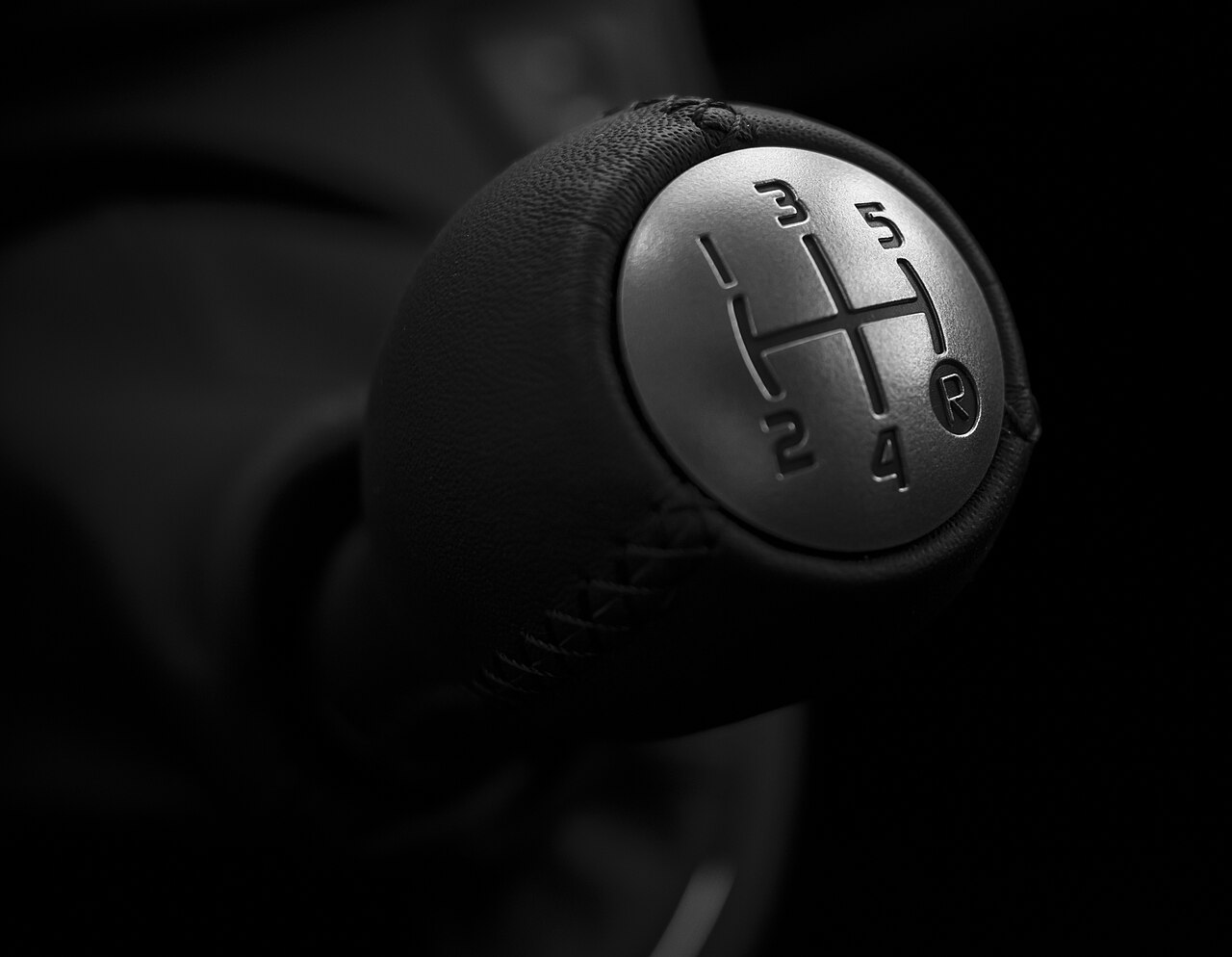
Comparing how often faults turn serious
Not every fault mark ends the test. The question that matters strategically is which categories most frequently produce a serious fault when they do occur. The table below gives an illustrative view of the four highest-volume categories and how often each tends to turn serious. DVSA does not publish a serious-to-minor split by category, so these are indicative patterns from the national rank data and instructor experience, not exact published ratios.
| Category | Mostly minor | Serious risk | |
|---|---|---|---|
| Junctions (observation) | When you look but emerge safely | When a vehicle had to slow or swerve | |
| Mirrors (change direction) | Most occurrences are minor | When lane change causes another driver to brake | |
| Moving off (safely) | Single stall; most instances | Rolling back into traffic; multiple stalls | |
| Response to signs | Slightly over speed limit briefly | Ignoring stop sign or give-way |
How to use this data in your test preparation
The practical implication of the DVSA top-10 fault rankings is straightforward: concentrate the majority of your deliberate practice on junctions and mirrors, because those are where you are most likely to pick up marks. That does not mean ignoring the rest of the fault categories, but it does mean that if you have limited lesson time left, spending it on junction approaches and MSM routine repetition gives the highest probability return.
- 01Identify your weak categories
Look at your mock test debrief sheets. Which categories appear most often? Compare against the national top-10 list above.
- 02Prioritise junctions and mirrors first
These two areas generate the most fault marks nationally. Even if you feel confident, do at least one lesson focused entirely on junction observation and MSM.
- 03Drill moving off on a gradient
Find a hill your instructor knows from the local test area. Practise 10 moving-off attempts in a row, including blind-spot checks, until the routine is automatic.
- 04Review your response to signs habit
On your next lesson, narrate every sign you see out loud. This forces conscious processing of speed limits and priority signs that normally get skimmed.
- 05Do at least one full mock test
A mock at your actual test centre, with your examiner calling out faults, gives you the most accurate pre-test signal. Treat each mock fault as a category to check against the top-10 list.
Do fault frequencies vary between test centres?
The top categories (junctions, mirrors, moving off) remain consistent across almost all UK test centres because the DVSA marking standard is national. What does change is the relative weighting of sub-categories. An inner-London centre with dense multi-lane junctions will record more junction observation faults per candidate than a rural Scottish centre where junctions are few and slow. A centre near a busy retail park will record more reverse-parking faults because bay parks appear more often on those routes. The passing driving test in London guide and passing driving test in Manchester guide cover the centre-specific patterns where the data is strong enough to call.
The easiest vs hardest test centres guide shows the national pass-rate spread: from around 33% at the toughest centres (Wolverhampton and other West Midlands sites) to 68% at the highest-passing Scottish island centres. The fault-category mix is one of the structural reasons for that gap. At a high-density urban centre, junctions and pedestrian crossing faults appear more per test simply because the routes involve more of each. At a rural centre, fewer junctions means fewer junction-observation opportunities, and the candidate who would have picked up that fault may avoid it through route luck alone.
What the least common faults tell you
Use of speed sits at the bottom of the top-10 list, but it deserves attention for a specific reason. Undue hesitation, the label given to driving significantly below the posted limit without good cause, is the most misunderstood fault on the test. Candidates who think cautious is safe are surprised to find that driving at 28 mph on a 40 mph road for an extended stretch collects a fault. The examiner is assessing whether you make progress appropriate to the conditions, not just whether you avoid exceeding the limit. A single slow stretch is usually a minor fault; a pattern of driving 25 to 30% below the limit can be treated as a habitual problem and upgraded.
“The candidates who fail are not usually the ones who crash or stall repeatedly. They are the ones who have a single habit, almost always junctions or mirrors, that they never quite fixed.”
Sources and further reading
The figures, fees, and procedures referenced in this article are verifiable on the official gov.uk pages below. PassRates.uk is built on the Driver and Vehicle Standards Agency’s open data, published under the Open Government Licence.
What is the pass rate at your test centre?
Search by centre name, town or postcode to see the latest DVSA figure.
Frequently asked questions
What is the most common reason people fail the UK driving test?
Junctions (observation) is the single most recorded fault category in DVSA 2024-25 data. It covers situations where a candidate emerged from a junction without making a safe and effective observation. This category consistently tops every annual DVSA fault release and accounts for more total fault marks than any other. The why people fail driving test guide covers the broader failure reasons, including the top 10 most common.
How many minor faults are you allowed on the driving test?
You can receive up to 15 minor (driving) faults and still pass. Receiving 16 or more minor faults in a single test is an automatic fail. A single serious or dangerous fault also ends the test as a fail, regardless of how many or how few minors you have. The serious vs minor faults guide explains how examiners decide which category a fault falls into.
Do mirror faults always fail the driving test?
Not always. Most mirror faults are recorded as minor marks if no other vehicle was affected by the omission. They become serious faults when the failure to check a mirror before changing direction or signalling caused another driver to adjust their speed or position. Repeated minor mirror faults in the same sub-category can also attract a pattern upgrade to serious. Building the MSM routine as an automatic habit removes most of the risk.
Are driving test faults the same at all UK test centres?
The marking standard is identical at all DVSA test centres across Great Britain. However, the routes differ, so some fault categories appear more often at certain centres. Urban centres record more junction observation and pedestrian crossing faults because the routes pass through more of them. Rural centres record proportionally more use-of-speed faults because candidates sometimes drive too slowly on open roads. The easiest vs hardest test centres guide covers how routes affect overall pass rates.
What is a "use of speed" fault on the driving test?
Use of speed covers two distinct issues: exceeding the posted speed limit (usually marks a serious fault if sustained) and undue hesitation, which means driving significantly below the posted limit without cause. The second type surprises many candidates. Driving at 30 mph in a 40 mph zone for more than a short period is marked as failing to make appropriate progress. The speed limits UK guide covers the legal limits that apply on different road types.
Which faults most often upgrade from minor to serious on the driving test?
Junctions (observation) has the highest rate of upgrade from minor to serious because the difference between the two is whether a vehicle was affected by the candidate pulling out. Moving off faults upgrade when a candidate rolls back into traffic or stalls multiple times in a session. Response to traffic signs can upgrade when a candidate ignores a stop line or give-way sign entirely rather than just being slightly late to respond. The driving test faults explained guide covers the full upgrade criteria for each category.
How can I find out which faults are common at my specific test centre?
The DVSA does not publish fault-category data broken down by individual centre. The national top-10 categories apply as a guide everywhere. Centre-specific pass rate data is available for every UK car test centre with published DVSA data via the test centre statistics pages on this site. Your driving instructor, if they regularly teach near that centre, will have practical insight into which fault types appear most on the local routes.
Every candidate behind these numbers passed a theory test first. Nationally 44.8% of attempts clear it.
Licence, insurance, MOT, vehicle tax and what the law requires you to hold. All 14 DVSA topics are free to practise, with no sign up. See the theory pass rate by centre or the full practice hub.
Related guides
- What actually causes failsWhy people failRead guide
- What actually causes failsMistakes allowedRead guide
- What actually causes failsFaults explainedRead guide
- What actually causes failsFault categoriesRead guide
- What actually causes failsJunction observation faultRead guide
- What actually causes failsMajor faults: full listRead guide
Written by Vikas and the PassRates.uk team. Vikas is the software engineer and driving enthusiast who started the site. The figures come straight from the DVSA open dataset; see the methodology.
Source DVSA, Open Government Licence v3.0
Continue reading
327 GB DVSA car test centres with 2024-25 data by region for 2026. Pass rates range from about 33% at the hardest centres to 67% at the most accessible rural ones. Find your nearest and choose well.
Yes, you can hire a car for your UK driving test, but the vehicle must meet specific DVSA requirements. This guide covers the rules, costs, the extra mirror rule and the most common rejection reasons on test day.