DVSA New Driving Test Booking System 2026: Durham Trial Explained
DVSA ran the first live pilot of its replacement booking platform at Durham test centre in July 2026, processing real test bookings through the new Driver Services Platform across two test days. Its 3-months-on review, published on 24 September 2026, found the spring rule changes have reduced reseller activity, and DVSA is now also publishing a median wait-time figure alongside the existing average, following a National Audit Office recommendation.
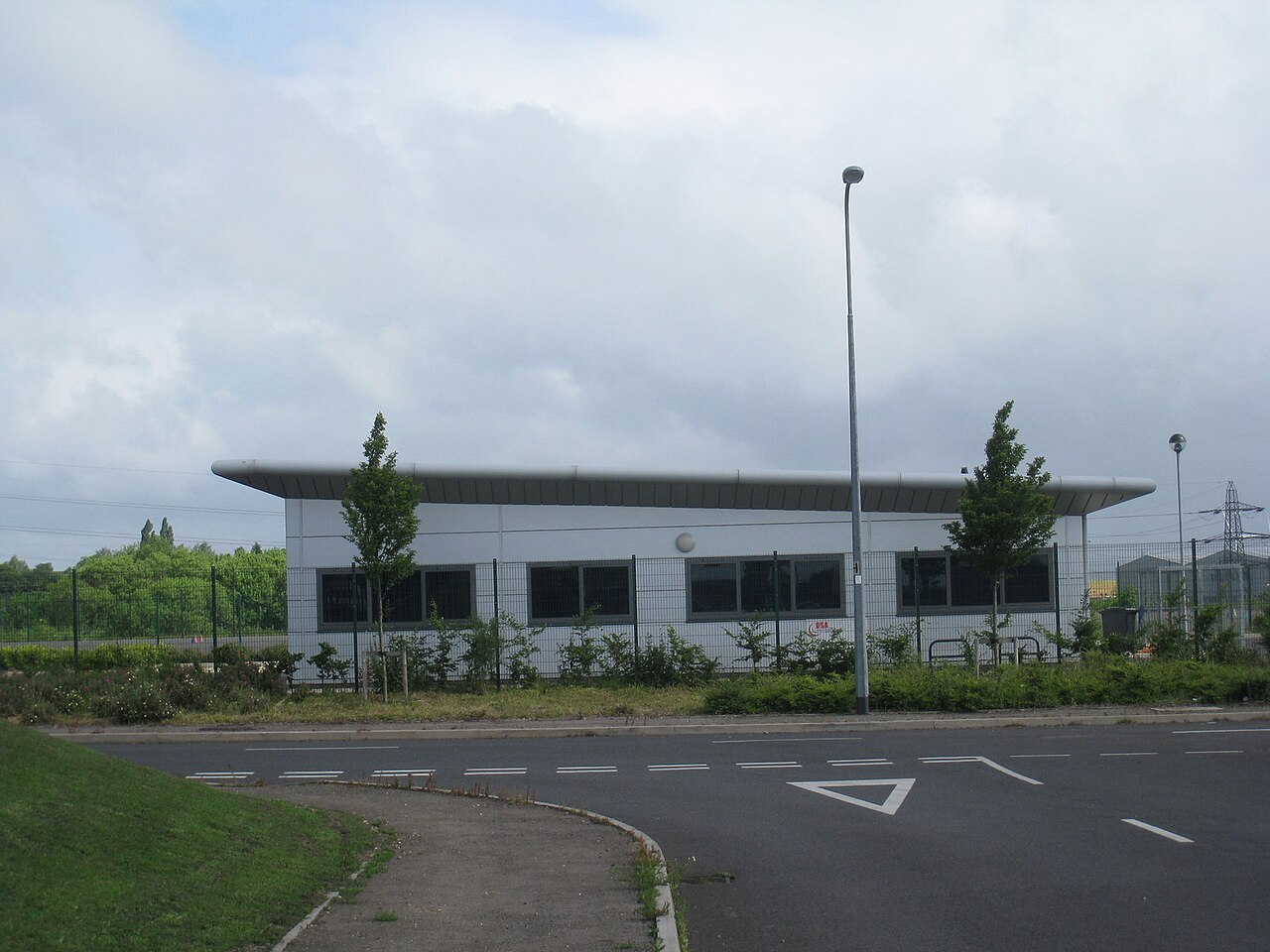
- Learners in the Durham trial
- 14Real test bookings, real payments and real results processed through the new Driver Services Platform (July 2026)
- Test days in the Durham pilot
- 223 and 30 July 2026 at Durham driving test centre. First live real-world test of the replacement platform.
- Booking rule changes since March 2026
- 331 March (2-change limit), 12 May (learner-only booking), 9 June (3-nearest-centre restriction)
- New wait-time metric published
- Median booking-to-testDVSA now publishes the median alongside the existing average, following a National Audit Office recommendation (September 2026)
What is the DVSA new driving test booking system?
The current booking service at gov.uk/book-driving-test has been in operation for years, and DVSA has been developing a full replacement it calls the Driver Services Platform. The aim is a single integrated platform that handles identity verification, payments, candidate communications and result delivery, rather than calling across multiple separate DVLA and payments systems as the current service does. DVSA published a progress report in July 2026 and ran its first live trial the same month.
The Durham trial ran on two test days, 23 and 30 July 2026, at Durham driving test centre. Fourteen learners booked their practical tests through the new Driver Services Platform, paid their test fees through it and received their results via it. A small three-person DVSA team staffed the process manually, ready to step in if the new system had any problems. The trial was deliberately contained: the goal was to prove that real bookings, real payments and real results could flow end to end through the new platform, not to test it at scale.
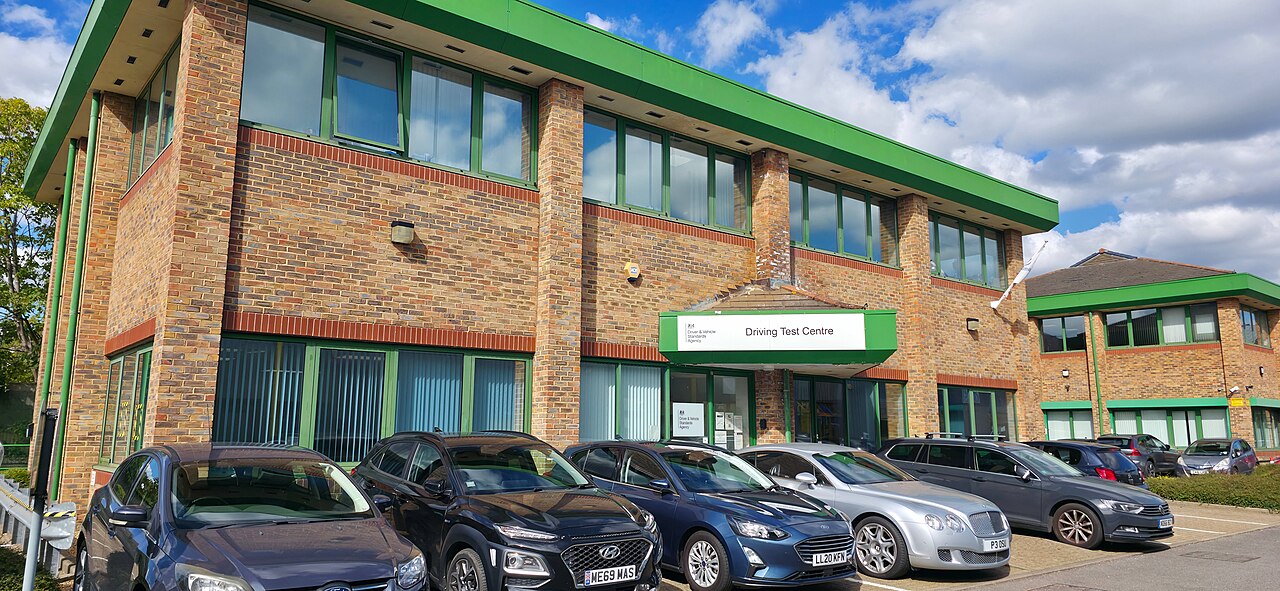
How the Durham trial actually worked
Durham was chosen as a manageable, lower-volume site for a proof-of-concept. The fourteen learners who went through the trial experienced the booking journey on the new system rather than the current gov.uk service. DVSA's transition team handled any friction points manually, which is how small-scale software pilots typically operate before the system is hardened for full public use. Payments were real, not simulated, and the test results fed back through the new platform rather than the existing infrastructure.
The Durham pilot followed a July 2026 DVSA progress report that explained what the new platform is designed to do differently: faster account recovery, clearer booking confirmation, and a unified view of all a candidate's DVSA interactions in one place. None of that is visible to learners in the current service, where theory test records, practical test bookings and examiner feedback all sit in separate systems. The trial confirmed the core flows could operate, but DVSA has not yet announced dates for a wider rollout.
- 01Site selection
DVSA selected Durham test centre as a controlled, manageable-volume location for the first real-world test of the new platform.
- 02Booking flow
Fourteen learners booked their practical driving tests through the new Driver Services Platform instead of the existing gov.uk service.
- 03Payment processing
Test fees were paid through the new system using real transactions, not simulated payments, confirming the payment integration worked end to end.
- 04Test days
The two test days ran on 23 and 30 July 2026. Tests were conducted by DVSA examiners at Durham as normal.
- 05Results delivery
Pass and fail notifications were issued through the new Driver Services Platform, rather than the existing systems, confirming the results pipeline worked.
- 06Review and next steps
A three-person DVSA transition team reviewed the pilot outcome. No wider rollout date has been announced; the Durham trial was a proof of concept.
Three months of booking rule changes: are they working?
DVSA's 24 September 2026 retrospective reviews three rounds of changes made between March and June 2026. The first, on 31 March 2026, cut the number of changes a learner can make to a booked test from three to two. The second, on 12 May 2026, required learners to manage their own bookings using their own DVLA accounts, ending the widespread practice of instructors logging in and managing tests on behalf of pupils. The third, on 9 June 2026, restricted centre swaps to the three nearest centres to the learner's original booking. The booking rule change guide covers the 12 May changes in detail, and the June 2026 changes guide covers the centre restriction.
DVSA's own assessment in the retrospective is that the changes have had their intended effect. Third-party reseller activity, in which software bots and paid services held test slots on behalf of multiple learners, fell substantially after the learner-only rule came into force in May. Genuine learners who were previously edged out by high-volume automated booking tools now have more direct access to cancellation releases. The DVSA noted that 50,000 more bookable slots were available on 1 September 2026 than on 1 September 2025, a figure covered in more detail in the record-capacity guide. Part of that increase reflects extra examiner capacity; part reflects fewer slots being held by accounts that were not genuine learner candidates.
| Feature | Before March 2026 | From June 2026 | |
|---|---|---|---|
| Changes per booked test | Up to 3 allowed | Up to 2 (since 31 March 2026) | |
| Who can manage the booking | Learner or instructor | Learner only (since 12 May 2026) | |
| Centre swap range | Any centre in England, Wales or Scotland | 3 nearest centres to original booking (since 9 June 2026) | |
| Wait-time metric published | Booking-to-test average only | Average plus median (since September 2026) |
Why DVSA now publishes a median driving test wait time
One practical change from the 3-months-on review is that DVSA has begun publishing a median booking-to-test wait alongside the average it has always reported. The National Audit Office recommended this in its 2025 review of driving test availability, noting that the average figure was being pulled upward by a long tail of learners who had deferred their test after passing theory while not actively trying to book. A median filters out that distortion: it is the wait time that half of active bookers beat and half exceed, and it better reflects the experience of a learner who passed their theory test recently and is now looking for a slot.
On passrates.uk, the live wait-time blocks track the booking-to-test median in the same way. In August 2026, the booking-to-test median across England, Wales and Scotland was around 11 weeks. The average application-to-test figure reported separately was around 20 weeks, a different metric that starts counting from when a learner first applied rather than from when they actually booked. DVSA's decision to publish both figures, clearly labelled, makes it much easier for learners to understand what the data actually means for their own situation. The waiting times guide lists centres by current wait.
What the 2026 booking changes mean for learners today
The rule changes and the new median metric together give learners better tools for managing test day logistics. The tighter rules have cleaned up the booking service enough that genuine learners are now less likely to miss a cancellation release because a bot got there first. The median metric tells you what the wait actually looks like for an active booker, rather than an average inflated by learners who have been sitting on a theory pass for six months.
What has not changed is the underlying demand. More than 2.1 million practical car tests were delivered in the twelve months to August 2026, the highest rolling total on record, and more examiners are in post than at any point since November 2017. Yet average waits remain around 20 weeks from application to test. The reforms have made the system fairer and more transparent; they have not, on their own, closed the gap between the number of learners wanting a test and the number of tests available. The record-capacity guide has the full picture on capacity and pass rates.
- You must manage your own test booking from your own DVLA account. Your driving instructor cannot log in on your behalf.
- You can change a booked test a maximum of twice. Use both changes carefully: the third change is no longer allowed.
- If you need to swap test centres, you can only move to one of the three nearest centres to your original booking.
- When DVSA publishes wait-time figures, check both the average and the median. The median reflects what active bookers actually experience.
- The new Driver Services Platform is not yet publicly available. Everyone still books at gov.uk/book-driving-test.
- If your online booking access is suspended, contact DVSA on 0300 200 1122. The booking suspension guide covers the review process.
When will the new DVSA booking system go live for everyone?
DVSA has not set a public launch date for the Driver Services Platform. The Durham trial in July 2026 was explicitly a small-scale proof of concept. Before the new system can replace the current one at volume, DVSA needs to confirm it can handle the load of roughly 2 million test bookings a year, along with the associated payments, identity checks and candidate communications. The July progress report described a phased approach: pilot at one centre, review, expand to a small number of additional centres, then roll out more broadly.
The clearest signal of timeline is the pace of the 2026 changes overall. DVSA introduced three significant rule changes in three months, published the first live platform trial, began publishing the NAO-recommended median metric and is running the highest test volume on record, all at the same time. That is an unusually active period for a service that has historically moved slowly. The new platform is the logical final step, but the Durham trial result suggests DVSA is still in the review phase rather than the rollout phase.
“The Durham trial confirmed that real bookings, real payments and real results can flow end to end through the new Driver Services Platform, but DVSA has not yet set a date for a wider rollout.”
Sources and further reading
The figures, fees, and procedures referenced in this article are verifiable on the official gov.uk pages below. PassRates.uk is built on the Driver and Vehicle Standards Agency’s open data, published under the Open Government Licence.
What is the pass rate at your test centre?
Search by centre name, town or postcode to see the latest DVSA figure.
Frequently asked questions
Has DVSA launched a new booking system yet?
Not for the public. DVSA ran a small live pilot of its new Driver Services Platform at Durham test centre in July 2026, using 14 real learners across two test days. The current booking service at gov.uk/book-driving-test is still the only way to book a practical driving test. No public launch date has been announced.
What is the DVSA Driver Services Platform?
The Driver Services Platform is DVSA's replacement for the current test booking service. It is designed to handle bookings, payments, identity checks and results delivery in one integrated system. The current service calls across several separate DVLA and payments systems. The new platform aims to make the process faster and easier to manage from a single account.
What were the three DVSA booking rule changes in 2026?
DVSA made three changes to its booking rules between March and June 2026. From 31 March 2026 learners can only change a booked test twice, down from three times. From 12 May 2026 only the learner can manage their own booking, using their own DVLA account. From 9 June 2026 centre swaps are limited to the three nearest centres to the original booking.
What is the difference between average and median driving test waiting times?
The average wait is the mean across all learners, and it gets pulled upward by candidates who passed their theory test months ago but have not actively tried to book. The median is the midpoint: half of active bookers wait less than the median, half wait more. DVSA now publishes both, following a National Audit Office recommendation. In August 2026 the booking-to-test median was around 11 weeks, while the application-to-test average was around 20 weeks.
Why did DVSA start publishing a median waiting time?
The National Audit Office recommended it in its 2025 review of driving test availability. The average figure was being distorted by a long tail of learners who passed their theory tests and then deferred booking for several months. The median gives a cleaner picture of the typical experience for a learner actively looking for a slot.
Did the 2026 booking rule changes reduce waiting times?
The rule changes have made the system fairer rather than shorter. By restricting bookings to learner accounts and capping the number of changes, DVSA reduced automated reseller activity, which means genuine learners now face less competition from bots when a cancellation slot appears. DVSA reported 50,000 more bookable slots available on 1 September 2026 compared with the same date in 2025. However, average waits remain around 20 weeks, since demand for tests still outpaces supply.
Can my driving instructor book my test for me under the new rules?
No. Since 12 May 2026 only the candidate can manage their own test booking. Your instructor can advise you on timing and help you prepare, but they cannot log into the booking service on your behalf. If you need help navigating the booking system, contact DVSA on 0300 200 1122.
Related guides
Written by Vikas and the PassRates.uk team. Vikas is the software engineer and driving enthusiast who started the site. The figures come straight from the DVSA open dataset; see the methodology.
Source DVSA, Open Government Licence v3.0
Continue reading
Junctions and mirrors are the most-recorded UK driving test fault categories (DVSA 2024-25 rank data): the categories, why they dominate, and how to fix each.
Free driving videos on YouTube and TikTok can sharpen your theory knowledge, but they cannot replace professional lessons. The DIA puts the total cost of learning to drive at around 2,460 pounds and warns that video alone cannot teach road safety.