Can I Hire a Car for My Driving Test UK? Requirements, Costs and Risks
You can take your UK practical driving test in a hire car, but the vehicle must satisfy a set of DVSA requirements before the examiner will start the test. This guide explains exactly what those rules are, how hire car costs compare to using your instructor's car or your own, and what gets cars turned away at the test centre on the day.
- Can you hire a car for your test?
- YesAny roadworthy car that meets DVSA requirements is permitted. The hire agreement must explicitly allow use for a driving test.
- Extra mirror required?
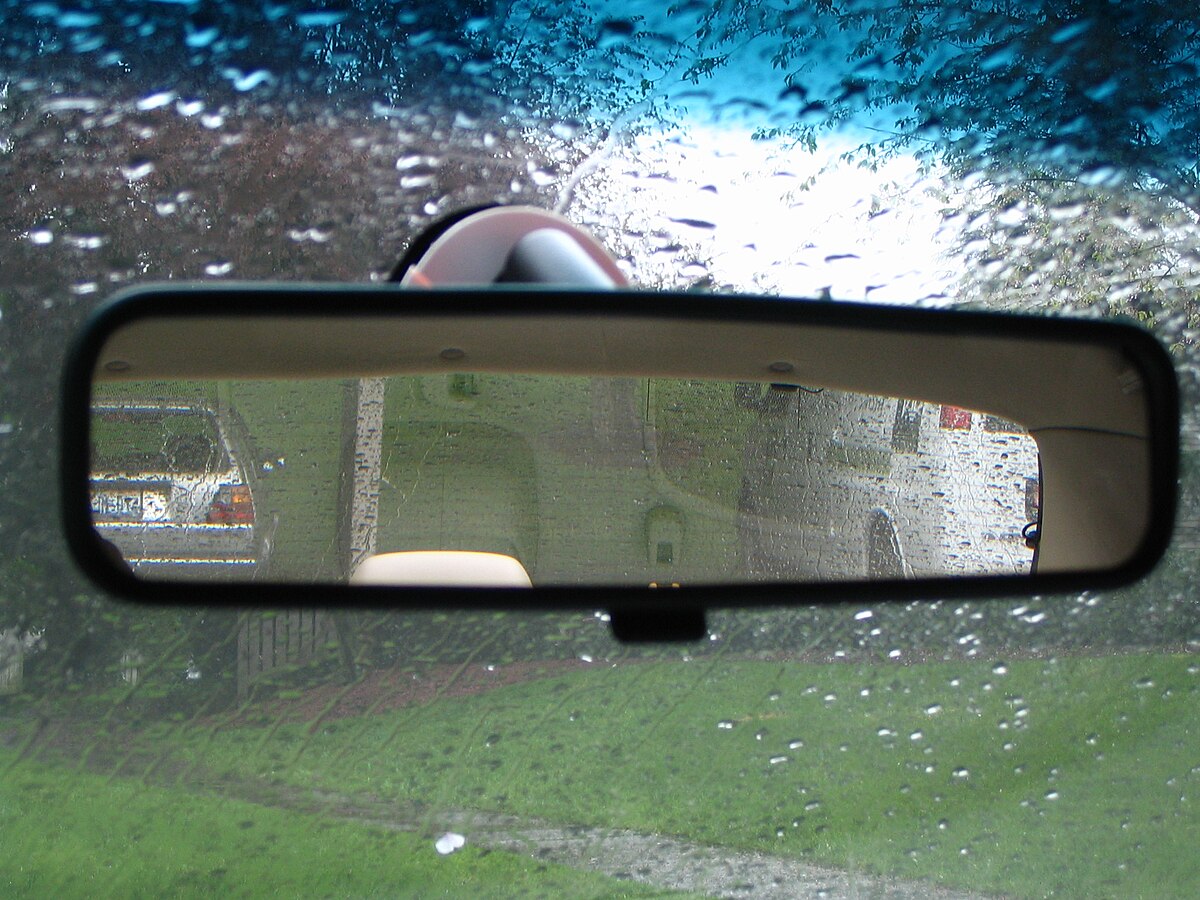
- YesA second interior rear-view mirror for the examiner is mandatory. Clip-on mirrors are accepted. No mirror, no test.
- Dual controls required?
- NoDVSA does not require dual controls by law. However, most hire companies include them as standard, and examiners note the absence.
- Hire car cost range
- From £18/hrSpecialist test-day hire from providers such as Arnold Clark typically runs £18 to £40 per hour, plus a minimum booking period of two hours.
- Instructor car hire
- £70 to £100Hiring your instructor's car for the test (in addition to the lesson fee) is the most common paid option. Book directly with your instructor.
- L-plates required?
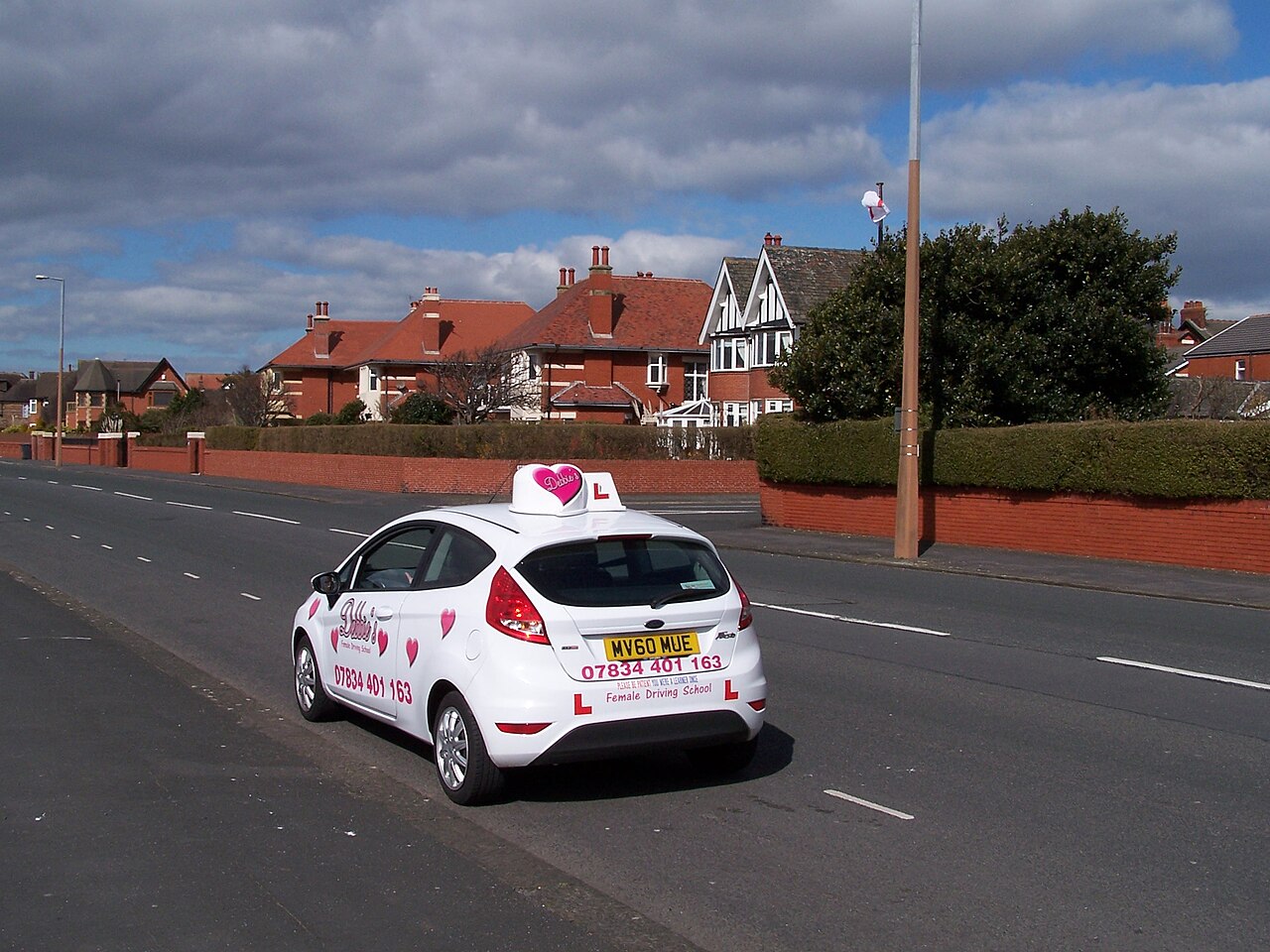
- YesFront and rear L-plates are compulsory. Hire companies usually supply them, but confirm in advance. Missing L-plates mean the test cannot begin.
Can I hire a car for my driving test?
Yes. DVSA permits you to take your practical car test in any car that meets the required standards, including a hire vehicle. The car does not need to belong to you and does not need to have been used in your lessons. What matters is that it satisfies every item on DVSA's vehicle checklist, which the examiner checks before the test clock starts.
Most people use their instructor's car on test day. It has dual controls, your instructor is already insured to use it for tests, and you have driven it enough times to know how it handles. Hiring a different car for the test carries the risk of unfamiliarity: gear bite points, steering weight, mirror angles and cabin space vary noticeably between models, and a new car on test day adds one more variable on an already stressful occasion.
That said, hiring independently makes sense in several situations: your instructor has no availability on the test date, you have been doing most of your practice in your own car and want to test in something familiar, or you want the test in a specific automatic or manual transmission that your instructor does not offer. The key step is confirming the hire agreement before you book.
What DVSA requires from any car used in a practical test
The examiner checks the vehicle before the test begins. If any of the following requirements are not met, the test cannot go ahead. A test that cannot start because of the car is recorded as not completed. DVSA will not refund the fee automatically if the problem was within your control to fix before the day.
- A second interior rear-view mirror fitted so the examiner can see clearly through the rear window. Clip-on mirrors sold for exactly this purpose cost around £5 to £10 at any motor accessories retailer. This is the single most commonly missed requirement on hire cars.
- L-plates displayed on the front and rear of the car, not tinted or obscured. In Wales, D-plates are also accepted. Remove any L-plates from inside the windscreen: they obstruct your view and do not count.
- Valid road tax and insurance. Insurance must cover you to drive the car for the purpose of a DVSA driving test. Standard learner insurance does cover tests, but verify this with the hire company before the booking.
- A valid MOT certificate if the car is over three years old. A hire car used for test day will almost certainly have a current MOT, but check the certificate date if possible.
- No warning lights illuminated on the dashboard. An engine management light, ABS light, airbag warning or any other amber or red warning symbol will cause the examiner to refuse the test.
- All lights working: headlights, brake lights, indicators front and rear, fog lights and reversing lights.
- Tyres with at least 1.6 mm of tread across the central three-quarters of the tread width and around the full circumference, with no cuts, bulges or visible cord.
- The car must be capable of reaching 62 mph (100 km/h) safely and legally. This rules out mopeds, heavy vehicles adapted with speed limiters, and a handful of older microcars.
- No modification to the steering wheel, pedals or driving seat that changes the standard layout in a way the DVSA has not approved.
Dual controls are not on this list. DVSA does not legally require dual controls for a standard car test. The examiner will note that the car has no dual controls, but this does not prevent the test from starting. In practice, hire cars used for test day almost always have dual controls because hire companies know what examiners expect and because the foot brake gives the examiner a last resort if the driver makes a serious error.
Own car vs instructor car vs hire car: how they compare
| Own car | Instructor's car | Hire car | |
|---|---|---|---|
| Extra cost on test day | None (fuel only) | £70 to £100 on top of lesson/test fee | £36 to £120 depending on provider and hours |
| Familiarity | High (if you have practised in it) | High (you trained in it) | Low to medium (new to you unless you practise first) |
| Dual controls | Almost never | Yes (standard) | Usually yes (confirm when booking) |
| Second mirror | You must fit one (buy before the test) | Already fitted | Usually supplied (confirm when booking) |
| L-plates | You must attach them | Already fitted | Usually supplied (confirm when booking) |
| Insurance for test | Learner policy must explicitly cover tests | Covered by instructor | Covered by hire company (verify before booking) |
| Best suited to | Learners who have done extensive private practice in the car (15+ hours) | Most learners: familiar car, no extra admin | Learners whose instructor has no availability, or who want a specific transmission type |
If you have done almost all of your lessons in your instructor's car and your private practice in a different car, the hire-car route adds an unfamiliar vehicle to an already demanding day. The driving test on test day guide covers how to manage test-day nerves and performance, but familiarity with the car you are being tested in is genuinely one of the controllable factors. Gear changes, clutch bite points and steering response vary enough between models to affect timing and smoothness.
How much does hiring a car for your driving test cost?
Arnold Clark is the most widely cited budget hire option for test day. They offer dual-control Corsa and Fiesta models from around £18 per hour, with a typical minimum booking of two hours taking the cost to £36. That covers the test itself (around 40 minutes) plus time to collect and return the car. Availability is not guaranteed at all locations on every date, so book early once your test slot is confirmed.
Driving schools sometimes offer their cars for hire on test day for non-pupils, typically at £60 to £80 for a half-day. Unlike a general hire company, a driving school car is set up specifically for tests and will almost certainly have dual controls, the second mirror, L-plates and appropriate insurance already in place. Search locally for "driving test car hire" along with your town name: provision varies significantly outside of the major cities.
Before you collect the hire car: the pre-test checklist
- 01Confirm the hire agreement covers DVSA tests
Call or email the hire company and ask specifically whether the rental permits use for a DVSA practical driving test. Get the confirmation in writing or by email before you book. Most standard car hire agreements do not include this by default.
- 02Verify the second interior mirror
Ask the hire company whether the car comes with a second clip-on rear-view mirror for the examiner. If not, buy a universal clip-on mirror (available at Halfords, Amazon and most petrol station forecourts for under £10) and fit it before you arrive at the test centre.
- 03Check L-plates are fitted front and rear
Hire companies used to test-day bookings will fit L-plates. If yours does not, attach magnetic or stick-on L-plates to the front grille and the rear of the boot. Check both are clearly visible and not obscured by dirt or the car's own design.
- 04Check for warning lights on collection
Turn on the ignition and wait for the dashboard to complete its start-up cycle. If any warning light remains on after 30 seconds, tell the hire company immediately. Do not accept the car and then arrive at the test centre with an engine management light showing.
- 05Practice in the car before the test if time allows
Even 20 minutes of driving before the test helps you calibrate the clutch bite point, steering weight and braking pressure. If your hire window allows it, drive to the test centre area rather than straight to the centre, so you arrive with at least a basic feel for the car.
The most common reasons DVSA turns a car away on test day
The examiner checks the car in the first few minutes of the appointment. Any of the following stops the test immediately. You will not receive a partial result, and a no-fault case is required to qualify for a free rebook. The car breaks down on driving test guide covers the refund process if the car fails during the drive.
- A warning light on the dashboard. The engine management (MIL) light is the most common. One warning light is enough to end the test before it starts.
- Missing second interior mirror. Clip-on mirrors are required if the car was not fitted with a second mirror from the factory. The examiner cannot conduct the test without a clear rear view.
- No L-plates, or L-plates inside the windscreen only. Plates inside the cabin do not count as displayed front and rear.
- An expired MOT. The examiner may ask to see documentation, or they may spot an overdue sticker in the windscreen.
- Tyres that are visibly below the legal minimum or show cuts and bulging on the sidewall.
- A hire agreement that does not cover DVSA tests. If the company's insurance excludes test use and the examiner or an inspector flags it, the test cannot begin.
- The car is unable to reach 62 mph (100 km/h). This comes up occasionally with heavily modified city cars or vehicles with factory-fitted speed limiters.
“Familiarity matters more than the car you use. A learner who has trained in one car and takes the test in a different hire car is adding an unnecessary variable on a high-stakes day. If you have a good instructor relationship, use their car.”
Sources and further reading
The figures, fees, and procedures referenced in this article are verifiable on the official gov.uk pages below. PassRates.uk is built on the Driver and Vehicle Standards Agency’s open data, published under the Open Government Licence.
What is the pass rate at your test centre?
Search by centre name, town or postcode to see the latest DVSA figure.
Frequently asked questions
Can I take my UK driving test in a hire car?
Yes. DVSA permits any car that meets its vehicle requirements, including a hire car. The car must have a second interior mirror for the examiner, L-plates front and rear, valid MOT and tax, appropriate insurance covering test use, no warning lights and tyres above the legal minimum. The hire agreement must explicitly allow use for a driving test.
Do I need dual controls for my driving test?
No. Dual controls are not a legal requirement for a standard UK car driving test. The examiner will note their absence but will not refuse to conduct the test on those grounds alone. Most hire cars used for test day do have them, and they give the examiner a last resort in an emergency, but they are not mandatory.
How much does it cost to hire a car for a driving test?
Budget hire companies such as Arnold Clark offer dual-control cars from around £18 per hour, with a typical minimum booking of two hours, giving a total of about £36. Specialist driving school hire runs £60 to £90. Hiring your instructor's car for the test usually costs £70 to £100 on top of the lesson fee. The DVSA practical test fee of £62 (weekday) or £75 (weekend) is always additional.
What happens if the hire car fails the examiner's check?
The test cannot begin. DVSA records it as not completed. You are entitled to apply for a refund only if the failure was genuinely outside your control; a warning light or missing L-plate that you could have checked and fixed beforehand does not qualify. See the car breaks down guide for the full refund process.
Do I need to tell DVSA I am using a hire car?
No. You do not need to declare in advance what car you will use. The examiner checks the vehicle when you arrive. Make sure the car meets all requirements before you get to the test centre: checking on the day with no time to fix a problem is too late.
Can I use my own car for the driving test?
Yes, provided it meets all DVSA requirements: valid MOT, tax, insurance covering test use, no warning lights, legal tyres, a second interior mirror for the examiner and L-plates front and rear. Your learner insurance policy should confirm it covers DVSA practical tests. Check the policy documents or call your insurer if you are not certain.
Can I use an automatic hire car if I booked a manual test?
No. The car must match the transmission type you booked. If you booked a manual test, you must use a manual car. If you take the test in an automatic, the result is only valid for an automatic licence. You would need a separate test to add manual to your licence.
What should I check on the hire car before going to the test centre?
Turn the ignition on and wait for the dashboard warning lights to go through their start-up cycle: all lights should be off after about 30 seconds. Check L-plates are attached front and rear. Confirm the second interior mirror is clipped on and adjusted so you can see clearly. Verify the tyres look in good condition with no visible bulging or excessive wear. Do a brief practice drive if your hire window allows.
Every candidate behind these numbers passed a theory test first. Nationally 44.8% of attempts clear it.
Licence, insurance, MOT, vehicle tax and what the law requires you to hold. All 14 DVSA topics are free to practise, with no sign up. See the theory pass rate by centre or the full practice hub.
Related guides
Written by Vikas and the PassRates.uk team. Vikas is the software engineer and driving enthusiast who started the site. The figures come straight from the DVSA open dataset; see the methodology.
Source DVSA, Open Government Licence v3.0
Continue reading
Junctions and mirrors are the most-recorded UK driving test fault categories (DVSA 2024-25 rank data): the categories, why they dominate, and how to fix each.
Scammers on TikTok and WhatsApp advertise fake UK driving licences for £650 or more. Here is what the law says, why possession is a criminal offence, and how to report an offer.