Belvedere (London) Driving Test Centre Pass Rate 2024-25
Belvedere driving test centre in south-east London returned a 38.3% pass rate in 2024-25, the best result the centre has produced in twelve years of published DVSA data, yet still more than 10 percentage points below the national average of 48.7%. With around 4,300 tests conducted there each year, the shortfall means hundreds of additional failures compared with what the national rate would predict.
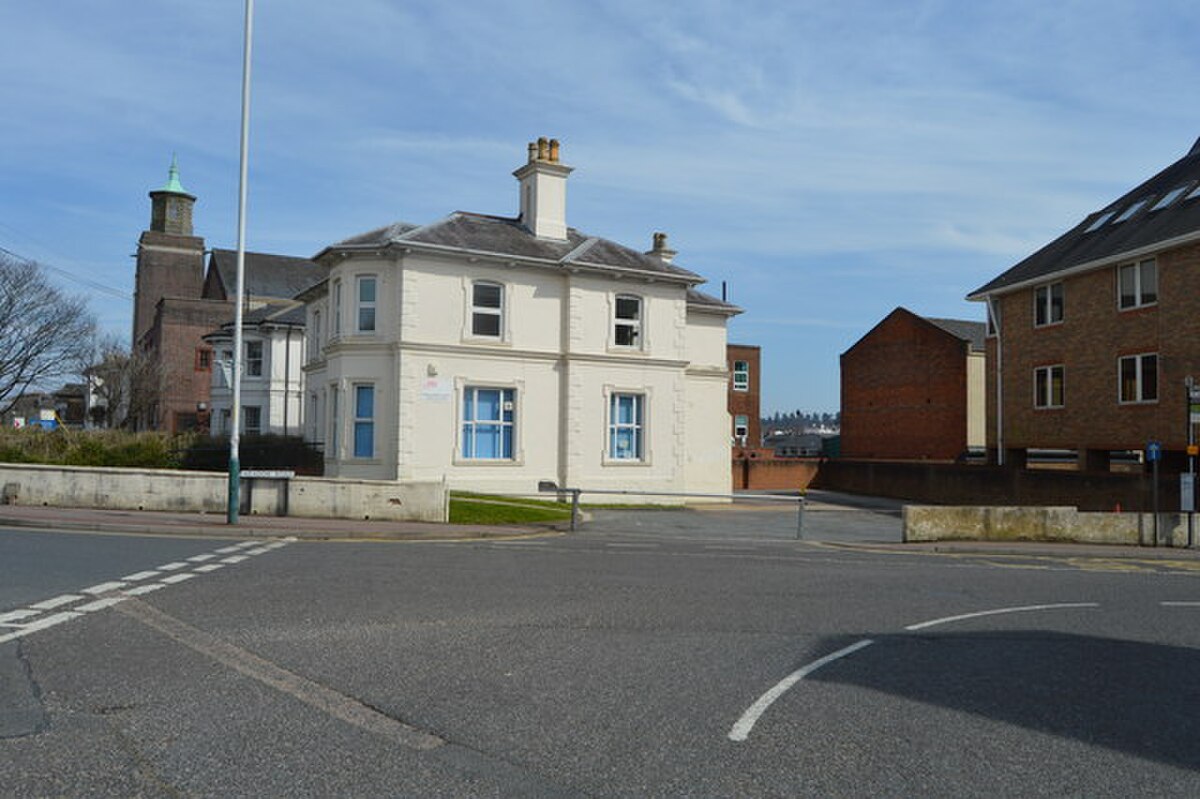
- Pass rate 2024-25
- 38.3%on 4,337 tests at Belvedere, London
- Below UK average
- 10.4ppnational average 48.7%, 2024-25
- First-time pass rate
- 35.5%on 1,869 first-attempt candidates
- Gender gap
- 6.5ppmen 41.0% vs women 34.5%, 2024-25
The 2024-25 result in context
A pass rate of 38.3% at Belvedere means that roughly two in five candidates leave the centre with a pass certificate on test day. At the national average of 48.7%, just under half do. The practical gap is substantial: if Belvedere matched the UK average, an additional 450 candidates per year would pass rather than fail. That number comes directly from the 4,337 tests conducted there in 2024-25.
The first-time pass rate at Belvedere is 35.5%, slightly below the overall figure. This is the expected pattern: candidates sitting the test for the first time tend to pass at a slightly lower rate than retakers, who have already had exposure to the local road environment and the examiner's assessment points. The gap of 2.8 percentage points between first-time (35.5%) and overall (38.3%) is consistent with what DVSA data shows at other urban centres running below the national average.
How Belvedere compares to nearby south-east London centres
South-east London contains some of the most variable pass rates in the capital. Sidcup, a few miles to the south-west, returned 59.0% in 2024-25 and ranks among the more generous London centres. Erith, which is geographically very close to Belvedere and draws on a similar road network, recorded 49.3%, a gap of 11 percentage points over Belvedere on broadly comparable territory. The bar chart below sets Belvedere against the main centres within reasonable reach.
The gap between Erith (49.3%) and Belvedere (38.3%) is the most striking figure in this comparison. Both centres are in the London Borough of Bexley and conduct tests on the same local road network. The 11-percentage-point difference is not explained by road geography alone. Factors such as the specific test-route patterns drawn on at each centre, the time-of-day distribution of tests, and local traffic conditions all vary independently even between neighbouring sites, and the DVSA does not publish route-level data that would allow a more precise breakdown.
Twelve years of pass-rate history at Belvedere
Belvedere's published DVSA pass-rate history runs from 2013-14 to 2024-25. The centre opened that twelve-year window at 32.2% in 2013-14, fell to its lowest recorded rate of 28.3% in 2016-17, and has since risen to the current 38.3%. The overall direction over twelve years is upward, but the pace has been gradual: a 6.1-percentage-point improvement over more than a decade, with the centre never approaching the national average at any point in the published record.
Test volumes at Belvedere tell a parallel story. In 2013-14, the centre handled more than 7,100 tests; by 2024-25 the annual count had fallen to 4,337. A rising pass rate alongside a falling test volume could mean that the candidate cohort is arriving more thoroughly prepared before booking, or that the centre serves a different demographic mix than it once did. The DVSA does not publish data that would separate those explanations.
The 2016-17 low of 28.3% is the most notable point in the historical record. That year the centre conducted 6,550 tests, so the result is not a small-sample anomaly. The recovery from 28.3% to 38.3% over nine years is a meaningful trend, but it still leaves Belvedere more than 10 percentage points below the current national average. No single year has seen a step-change in the rate; progress has arrived in small annual increments.
Gender breakdown at Belvedere
Male candidates pass at 41.0% at Belvedere in 2024-25, based on 2,568 tests. Female candidates pass at 34.5% on 1,769 tests. The resulting gap of 6.5 percentage points is substantially wider than the national gender gap for 2024-25, which sits at 1.9 percentage points (men 49.5%, women 47.6%). A wider-than-average gender gap at a below-average centre is a pattern visible across DVSA data: lower-rated centres tend to show larger spreads between male and female pass rates, though the reasons behind this pattern are not formally documented in the published statistics.
For female candidates preparing for a test at Belvedere, the 34.5% baseline is the relevant planning figure. It means that roughly one in three women taking the practical test at Belvedere passes on the day, a rate that makes thorough preparation particularly important. The test format and pass criteria are identical for all candidates regardless of gender; the difference in outcomes reflects how candidates arrive at the test, not how examiners assess them.
Why does Belvedere return such a low pass rate?
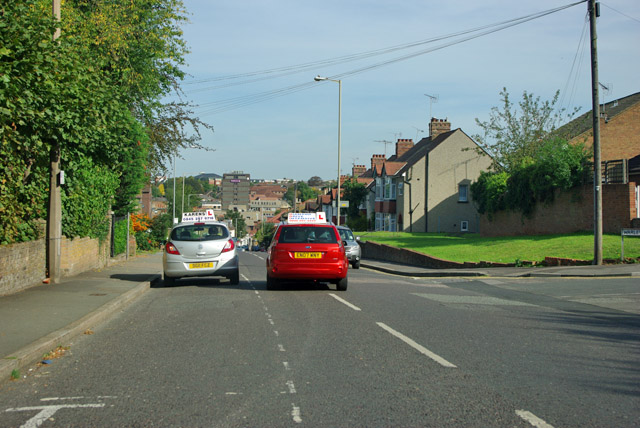
The DVSA does not publish route maps or fault-level data broken down by individual centre, so no definitive explanation for Belvedere's low pass rate is available in the published statistics. Based on the road environment of the Belvedere and Erith area, the following factors are the most likely contributors to the below-average result:
- Busy main roads: the local roads the centre tends to use include sections of the A206 and surrounding through-routes, which carry heavy commercial and commuter traffic, particularly during morning test slots. Sustained traffic pressure requires candidates to manage speed, positioning and observation simultaneously.
- Roundabout complexity: several multi-exit roundabouts feature on routes in the Belvedere and Erith area. Correct lane selection on approach, accurate signalling on exit, and giving way correctly to circulating traffic are standard assessment points where faults accumulate.
- Narrow residential streets: suburban roads in the area frequently have vehicles parked on both sides, requiring candidates to select safe passing positions, check mirrors before pulling wide, and maintain continuous awareness of pedestrians stepping out between parked cars.
- Railway crossings: the Belvedere and Erith area is served by a local rail network with level crossings. Stopping correctly, observing both directions and moving off safely at a crossing is a distinct assessment point that some candidates find disruptive to their overall rhythm on test.
- Variable traffic character: the mixed residential, industrial and commercial landscape of south-east Bexley means traffic volume and behaviour can shift quickly within a single test route, requiring sustained attention management across very different road environments in a short space of time.
Preparing for your test at Belvedere
The lower pass rate at Belvedere does not mean the test is harder than the legal standard: the DVSA applies the same pass criteria at every centre in Great Britain. What the data does indicate is that the road environment around Belvedere rewards a specific set of competencies. The preparation steps below address those directly.
- 01Cover the local roads before test day
Ask your instructor to take lessons in the Belvedere and Erith area, working through the main through-routes and the residential streets the centre draws on. Road familiarity means you can keep your attention on observation and positioning rather than working out where you are during the test itself.
- 02Build confidence on busy roundabouts
Multi-exit roundabouts are a consistent feature of south-east London test routes. Practise lane selection on approach, correct signalling on exit, and giving way to circulating traffic, working through each roundabout until the sequence is automatic rather than something you have to think through under pressure.
- 03Sharpen narrow-road technique
Residential streets with parked vehicles on both sides require you to select a safe passing position, check mirrors before pulling out wide, and watch continuously for pedestrians between parked cars. Practise these situations in your lessons until the mirror-and-position routine is consistent.
- 04Work through the independent driving section
Every practical test includes around 20 minutes of independent driving in which you follow a sat-nav or road signs without guidance from the examiner. Practise making lane and speed decisions in the Belvedere area without instructor prompting. The independent driving section is where many candidates on busy urban routes accumulate minor faults.
- 05Complete a full mock test on the same roads
A mock test with your instructor on the local roads around Belvedere is the closest available simulation of the real experience. Aim for at least one full mock in the fortnight before your test date, and ask for a detailed debrief on any faults so you have time to address them before the actual test.
Booking and what to expect on test day
The DVSA practical test at Belvedere follows the standard format used at every test centre in Great Britain. You begin with an eyesight check reading a number plate at a set distance. The examiner then asks one vehicle safety question (the show me, tell me section), after which you drive for approximately 40 minutes. That driving time includes the independent driving section. The examiner will ask you to carry out one standard manoeuvre: bay parking (forward or reverse), parallel parking, or pulling up on the right and reversing. The test ends with a debrief in the car or inside the centre.
Passing requires no more than 15 minor driving faults and zero serious or dangerous faults. A single serious or dangerous fault is an automatic fail regardless of how the rest of the test went. You will receive a printed result sheet showing all faults the examiner recorded, which is a useful starting point when reviewing what to work on if you need to rebook.
Bookings are made through the DVSA booking service on the gov.uk website. You will need your provisional driving licence number and your theory test pass certificate number. Theory test passes remain valid for two years from the date of the result; your practical test must be taken before that certificate expires. Test slot availability at Belvedere varies throughout the year. Early morning weekday slots tend to become available sooner than weekend or school holiday periods, and checking regularly over a few days often surfaces earlier appointments than the initial search returns.
Sources and further reading
The figures, fees, and procedures referenced in this article are verifiable on the official gov.uk pages below. PassRates.uk is built on the Driver and Vehicle Standards Agency’s open data, published under the Open Government Licence.
What is the pass rate at your test centre?
Search by centre name, town or postcode to see the latest DVSA figure.
Frequently asked questions
What is the pass rate at Belvedere driving test centre?
Belvedere driving test centre recorded a 38.3% pass rate in 2024-25, based on 4,337 practical car tests. This is the highest rate the centre has returned in twelve years of published DVSA data, but it remains more than 10 percentage points below the national average of 48.7%.
Is Belvedere driving test centre hard?
By pass rate, Belvedere is one of the more challenging test centres in south-east London. Its 38.3% pass rate in 2024-25 sits well below the national average of 48.7% and below the nearby Erith centre (49.3%) and Sidcup (59.0%). The local roads include busy through-routes, multi-exit roundabouts and narrow residential streets, which the centre draws on regularly for its test routes.
How does Belvedere compare to other nearby London centres?
Among the main south-east and east London test centres, Belvedere (38.3%) is near the bottom of the local group. Sidcup returned 59.0% in 2024-25, Bromley 51.7%, Erith 49.3% and Goodmayes 43.7%. Only Chingford (36.5%) has a lower pass rate among the main centres within reasonable reach.
What is the first-time pass rate at Belvedere?
The first-time pass rate at Belvedere in 2024-25 is 35.5%, based on 1,869 candidates sitting the practical test for the first time. This is 2.8 percentage points below the overall pass rate of 38.3%, which is the expected pattern: retakers who have had previous test experience pass at a slightly higher rate than first-time candidates.
What is the gender pass rate difference at Belvedere?
Male candidates passed at 41.0% at Belvedere in 2024-25 (2,568 tests) and female candidates at 34.5% (1,769 tests), a gap of 6.5 percentage points. This is notably wider than the national gender gap of 1.9 percentage points. A wider gender gap at below-average centres is a pattern seen across DVSA data nationally, though the reasons are not formally documented.
How has the Belvedere pass rate changed over time?
The Belvedere pass rate was 32.2% in 2013-14, fell to an all-time low of 28.3% in 2016-17, then gradually recovered. After a dip to 31.1% in 2021-22 during the return to testing following the pandemic, the rate has risen in subsequent years to reach 38.3% in 2024-25, the best result in the twelve-year published record.
Where is Belvedere driving test centre?
Belvedere driving test centre is located in Belvedere in the London Borough of Bexley, in south-east London. It is close to Erith and within reasonable distance of Abbey Wood. Bookings are made through the DVSA booking service on the gov.uk website using your provisional licence number and theory test certificate number.
Related guides
- London and regional analysisEasiest London centreRead guide
- London and regional analysisEasiest Manchester centreRead guide
- London and regional analysisManchester vs LiverpoolRead guide
- London and regional analysisEasiest Newcastle centreRead guide
- London and regional analysisEasiest Sheffield centreRead guide
- London and regional analysisEasiest Edinburgh centreRead guide
Written by Vikas and the PassRates.uk team. Vikas is the software engineer and driving enthusiast who started the site. The figures come straight from the DVSA open dataset; see the methodology.
Source DVSA, Open Government Licence v3.0
Continue reading
Gillingham driving test centre in Medway, Kent recorded a 57.2% pass rate in 2024-25, more than 8 percentage points above the national average of 48.7%. Pass rate history, gender breakdown, nearby centre comparison, and preparation tips for Gillingham candidates.
4 seconds minimum time gap on a wet road, exactly double the 2-second dry rule. Highway Code Rule 126 explained, exact theory test wording, stopping distances at 30, 60, 70 mph.