Gillingham Driving Test Centre Pass Rate 2024-25
Gillingham driving test centre in Medway, Kent recorded a 57.2% pass rate in 2024-25, more than 8 percentage points above the national average of 48.7%. With just 0.3 percentage points separating male and female pass rates, Gillingham also shows one of the smallest gender gaps in the published DVSA data, a sharp contrast to the 1.9-percentage-point national gap.
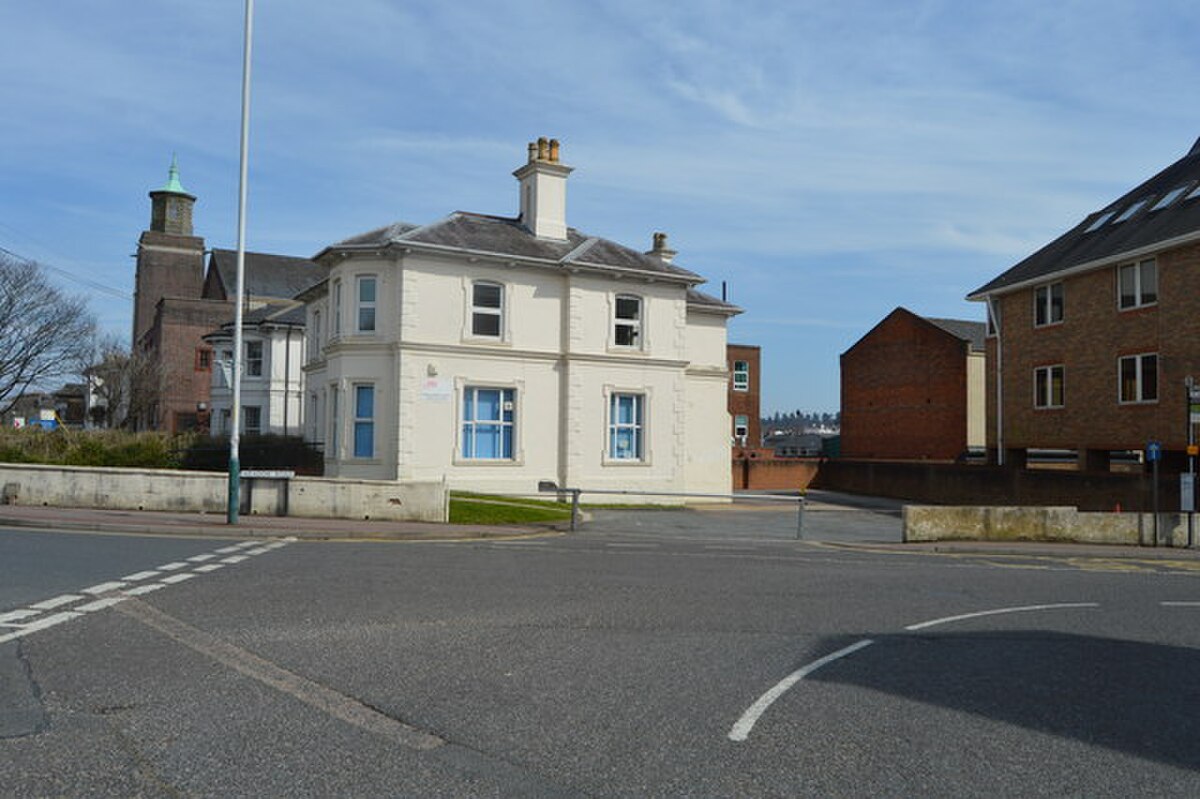
- Pass rate 2024-25
- 57.2%on 14,761 tests at Gillingham, Medway
- Above UK average
- 8.5ppnational average 48.7%, 2024-25
- First-time pass rate
- 57.4%on 7,888 first-attempt candidates
- Gender gap
- 0.3ppmen 57.0% vs women 57.3%, 2024-25
The 2024-25 result in context
A pass rate of 57.2% at Gillingham means that well over half of all candidates leave the centre with a pass certificate on test day. At the national average of 48.7%, just under half do. The practical gap is meaningful: with 14,761 tests conducted at Gillingham in 2024-25, the above-average rate translates to roughly 1,250 additional passes compared with what the national rate would predict on the same candidate volume.
The first-time pass rate at Gillingham stands at 57.4%, fractionally above the overall 57.2%. This is an unusual pattern: nationally, first-time candidates tend to pass at a slightly lower rate than retakers, who have already had exposure to the local road environment. At Gillingham the difference is negligible, which may indicate that first-time candidates arriving at this centre are arriving well prepared, or that the volume of retakers is large enough to level out any gap in the aggregate figure.
How Gillingham compares to nearby Kent centres
Kent contains a range of test centres with markedly different pass rates. Maidstone, a short drive to the south-west of Gillingham, recorded 58.0% in 2024-25 and broadly matches Gillingham at the top of the local group. Further south, Folkestone returned 45.4%, more than 11 percentage points below Gillingham despite drawing on a broadly comparable county road network. The bar chart below shows Gillingham against the main centres within reasonable reach in Kent.
Three of the five Kent centres in this comparison sit above the national average. Folkestone is the outlier at 45.4%, with the gap between it and Gillingham (57.2%) running to almost 12 percentage points. Both centres draw on roads in coastal and inland Kent, and the gap is not straightforwardly explained by road geography. Candidate preparation levels, the distribution of test slots across time of day, and local traffic patterns all vary independently between centres and contribute to the observed difference.
Pass rate history at Gillingham
Gillingham's published DVSA pass-rate history runs from 2011-12 and shows a clear structural shift around 2021-22. For the decade from 2011-12 to 2019-20, the centre recorded pass rates in the 45-50% range, running close to or just below the national average. After the pandemic hiatus, the rate rose sharply to 58.8% in 2021-22 and has since settled in the 56-57% range, comfortably above the national average in each subsequent year.
The 2019-20 pass rate of 48.7% is a notable data point: Gillingham matched the national average exactly in the last full pre-pandemic year. The post-pandemic period saw a widespread national rise in pass rates, attributed in part to reduced test volumes and a change in the candidate cohort. At Gillingham the rise was substantial, and the centre has maintained the elevated rate across three subsequent years with rising test volumes, suggesting the improvement is not simply a short-term pandemic artefact.
Test volumes tell a parallel story. From around 7,000-11,000 tests per year before the pandemic, the volume has grown to 14,761 in 2024-25, the highest in the published record. Maintaining a 57% pass rate at that volume is a more robust signal than the equivalent rate at a smaller centre where random variation plays a larger role.
Gender breakdown at Gillingham
Male candidates passed at 57.0% at Gillingham in 2024-25, based on 8,135 tests. Female candidates passed at 57.3% on 6,626 tests, producing a gap of just 0.3 percentage points in favour of women. This is one of the smallest gender gaps in the published DVSA data for any centre of this size. At the national level, men pass at 49.5% and women at 47.6%, a gap of 1.9 percentage points. Gillingham's near-zero gap means the typical outcome at this centre is effectively the same regardless of the candidate's gender.
The reasons for the national gender gap are not formally documented in DVSA publications. Contributing factors that are commonly cited in driving research include differences in self-reported confidence levels before the test, the average number of lessons taken before booking, and differences in how candidates respond to assessment conditions. At Gillingham the gap has closed to statistical noise, which may reflect local instructor practices, test-route characteristics, or simply the composition of the candidate cohort at this particular centre.
The road environment around Gillingham
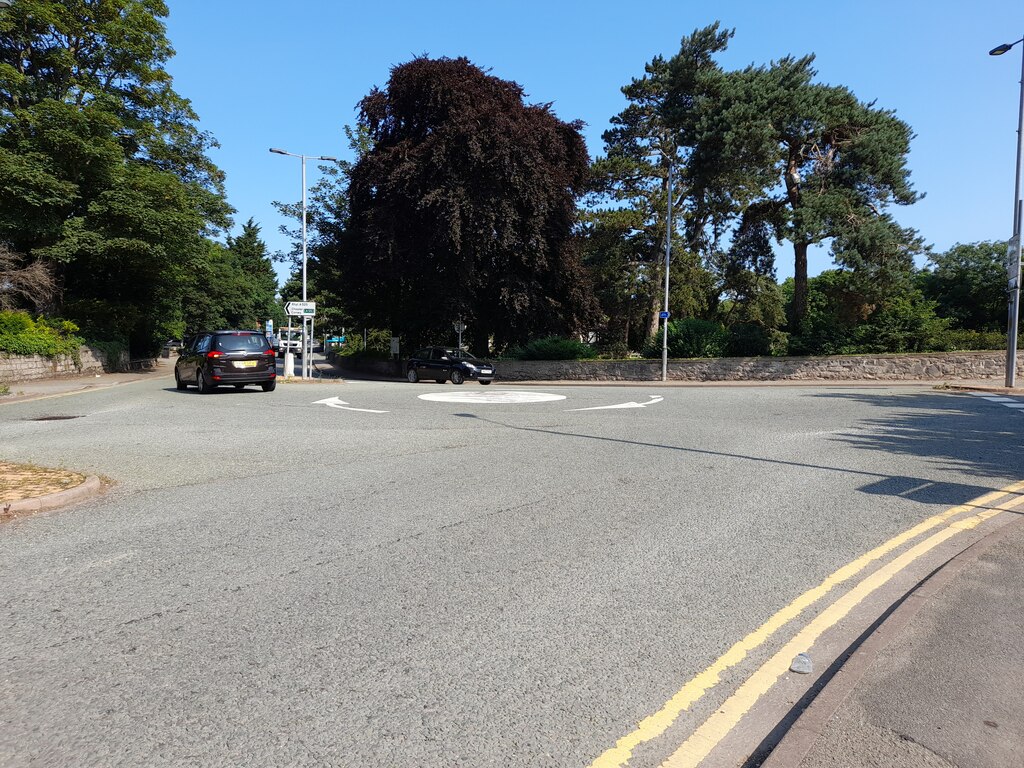
Gillingham is part of the Medway towns conurbation alongside Rochester, Chatham and Strood. The road environment is mixed: residential streets, busy arterial roads, retail and commercial areas, and access routes to the M2 motorway corridor. The following factors represent the main assessment challenges for candidates at this centre, based on the road geography of the area.
- Arterial road traffic: the A2 and associated routes through the Medway towns carry significant volumes of commuter and commercial traffic. Candidates need to manage speed and positioning on fast through-routes while maintaining continuous observation ahead and in mirrors.
- Multi-junction town centres: Chatham and Gillingham high-street areas contain complex junctions with traffic lights, pedestrian crossings, bus stops and on-street loading zones. Correct observation, safe following distance and smooth progress through these areas are standard assessment points.
- Residential street manoeuvres: the suburban road network in Gillingham includes streets with parked vehicles on both sides. Selecting a safe passing position, checking mirrors before pulling wide, and watching for pedestrians stepping out between parked cars are skills that examiners assess throughout a test.
- Roundabouts: the Medway towns road network includes several roundabouts of varying complexity. Correct lane selection on approach, clear signalling on exit and giving way correctly to circulating traffic are points where minor faults often accumulate on test routes in this area.
- Railway crossings: Gillingham is served by Southeastern rail services and the surrounding area includes level crossings. Stopping correctly, observing in both directions before crossing and moving off safely are assessed as distinct elements of the test route where applicable.
Preparing for your test at Gillingham
Gillingham's above-average pass rate does not mean the test is straightforward. The DVSA applies identical pass criteria at every centre in Great Britain, and the volume of tests conducted at Gillingham is large enough to make the 57.2% figure a reliable indicator of local conditions rather than a lucky run. The preparation steps below address the specific road environment that candidates face at this centre.
- 01Learn the Medway towns road network
Ask your instructor to include lessons on the Medway towns roads that the Gillingham centre draws on, working through both the residential areas and the busier arterial routes. Road familiarity lets you keep your attention on observation and control rather than working out where you are during the test.
- 02Build confidence in town-centre driving
The Chatham and Gillingham high-street areas contain busy multi-junction environments with traffic lights, pedestrians, buses and cyclists. Practise smooth, safe progress through these environments in lessons until the observation sequence through each junction is reliable under traffic pressure.
- 03Practise roundabouts methodically
Multi-exit roundabouts in the Medway area require correct lane selection on approach, clear signals and proper observation of circulating traffic. Work through each roundabout systematically with your instructor until the approach-circulate-exit sequence is consistent, then practise without verbal prompting.
- 04Sharpen narrow-street positioning
Residential streets with parked vehicles on both sides require you to select a safe passing position, check mirrors before pulling wide and watch for pedestrians. Practise these situations regularly so the mirror and position check becomes an automatic part of your driving rather than something you have to consciously remember.
- 05Complete at least one full mock test locally
A mock test with your instructor on the roads around Gillingham is the closest available simulation of the real experience. Aim for at least one full mock in the fortnight before your test date, working through the complete 40-minute format including an independent driving section, and ask for a detailed debrief so you have time to address any faults before test day.
Booking and what to expect on test day
The DVSA practical test at Gillingham follows the standard format used at every test centre in Great Britain. You begin with an eyesight check reading a number plate at a set distance. The examiner then asks one vehicle safety question (the show me, tell me section), after which you drive for approximately 40 minutes. That driving time includes around 20 minutes of independent driving following a sat-nav or road signs without guidance from the examiner. You will also be asked to carry out one standard manoeuvre: bay parking (forward or reverse), parallel parking, or pulling up on the right and reversing.
Passing requires no more than 15 minor driving faults and zero serious or dangerous faults. A single serious or dangerous fault is an automatic fail regardless of how the rest of the test went. You will receive a printed result sheet showing all faults the examiner recorded, which is a useful planning document if you need to rebook.
Bookings are made through the DVSA booking service on the gov.uk website. You will need your provisional driving licence number and your theory test pass certificate number. Theory test passes remain valid for two years; your practical test must be taken before the certificate expires. Test slot availability at Gillingham varies throughout the year. The centre handles a high volume of tests, which generally means more slots become available across the week. Early morning weekday slots tend to open up more frequently than weekend or school holiday periods.
Sources and further reading
The figures, fees, and procedures referenced in this article are verifiable on the official gov.uk pages below. PassRates.uk is built on the Driver and Vehicle Standards Agency’s open data, published under the Open Government Licence.
What is the pass rate at your test centre?
Search by centre name, town or postcode to see the latest DVSA figure.
Frequently asked questions
What is the pass rate at Gillingham driving test centre?
Gillingham driving test centre recorded a 57.2% pass rate in 2024-25, based on 14,761 practical car tests. This is more than 8 percentage points above the national average of 48.7% for the same year.
Is Gillingham driving test centre easy?
By pass rate, Gillingham is above average. Its 57.2% rate in 2024-25 places it well above the national average of 48.7% and above nearby centres such as Folkestone (45.4%). However, the DVSA applies the same pass criteria at every centre, and Gillingham's road environment including busy arterial roads and multi-junction town-centre areas requires solid preparation.
How does Gillingham compare to other nearby Kent centres?
Among the main Kent test centres, Gillingham (57.2%) and Maidstone (58.0%) lead the local group in 2024-25. Ashford (Kent) recorded 52.0%, Canterbury 50.3% and Folkestone 45.4%. Gillingham and Maidstone both sit well above the national average of 48.7%.
What is the first-time pass rate at Gillingham?
The first-time pass rate at Gillingham in 2024-25 is 57.4%, based on 7,888 candidates sitting the practical test for the first time. This is fractionally above the overall pass rate of 57.2%, an unusual pattern that typically suggests candidates are arriving well prepared.
What is the gender pass rate difference at Gillingham?
Male candidates passed at 57.0% at Gillingham in 2024-25 (8,135 tests) and female candidates at 57.3% (6,626 tests), a gap of just 0.3 percentage points in favour of women. This is one of the smallest gender gaps in the published DVSA data and is notably smaller than the national gender gap of 1.9 percentage points.
How has the Gillingham pass rate changed over time?
Gillingham's pass rate ran between 45% and 50% for most of the decade from 2011-12 to 2019-20, broadly matching or just below the national average. After the pandemic hiatus, the rate rose sharply to 58.8% in 2021-22 and has remained in the 56-57% range since, consistently above the national average across three subsequent years with growing test volumes.
Where is Gillingham driving test centre?
Gillingham driving test centre is located in Gillingham, part of the Medway towns in Kent, England. The area covers a dense road network including Chatham and Gillingham town centres. Bookings are made through the DVSA booking service on the gov.uk website using your provisional driving licence number and theory test pass certificate number.
Related guides
Written by Vikas and the PassRates.uk team. Vikas is the software engineer and driving enthusiast who started the site. The figures come straight from the DVSA open dataset; see the methodology.
Source DVSA, Open Government Licence v3.0
Continue reading
Preston driving test centre in Lancashire recorded a 53.7% pass rate in 2024-25, 5 percentage points above the national average of 48.7%. Pass rate history, gender breakdown, nearby Lancashire centre comparison, and what to expect for Preston candidates.
Belvedere driving test centre in south-east London recorded a 38.3% pass rate in 2024-25, more than 10 percentage points below the national average of 48.7%. Pass rate history, gender breakdown, nearby centre comparison, and what to expect for Belvedere candidates.