Manual vs Automatic Driving Lesson Cost UK 2026: Full Comparison
Automatic driving lessons cost around £2 to £5 per hour more than manual in 2026, but learners typically pass in roughly 7 to 10 fewer hours. The total tuition spend often works out within £100 of each other. The real question is the lifetime licence restriction: passing in an automatic limits you to automatic-only vehicles unless you take the full practical test again.
- Manual hourly rate
- £33-37/hrADI instructor, UK average 2026
- Automatic hourly rate
- £35-40/hr£2-5 above manual, same instructor
- Typical hours to pass: manual
- ~45 hrsDVSA guidance; learners aged 17-24
- Typical hours to pass: automatic
- ~35-40 hrsInstructor surveys; DVSA does not publish a split
- Total tuition cost: manual
- ~£1,57545 hrs x £35/hr national average
- Total tuition cost: automatic
- ~£1,44438 hrs x £38/hr; can be lower or higher
How much do manual and automatic driving lessons cost per hour in 2026?
The national average for a manual driving lesson with a fully qualified ADI (Approved Driving Instructor) sits at £33 to £37 per hour in 2026, with the midpoint around £35. Automatic lessons with the same instructor typically run £2 to £5 more per hour, putting the average at £35 to £40. The premium reflects the higher purchase price and running costs of an automatic car rather than any difference in instruction quality. Some instructors offer both transmission types from separate vehicles and quote the same rate for each; others price automatic lessons higher across the board. Always check before booking.
Regional variation in lesson pricing is larger than the manual-versus-automatic gap. In parts of the North East, manual lessons start at around £28 per hour; in central London the same hour from a qualified instructor costs £45 or more. The automatic premium applies on top of the regional base, so a learner in Manchester paying £32 per hour for manual might pay £34 to £36 for automatic, while a London learner paying £45 for manual could pay £48 to £50 for automatic. The average driving lesson cost guide has a full regional breakdown by city.
How many lessons does each transmission type take?
DVSA guidance puts the average at around 45 hours of professional tuition for a manual learner before reaching test standard, alongside approximately 22 hours of private practice. That figure comes from DVSA research and is widely cited across the industry, though it covers an average across all ages and starting abilities. Learners who begin with significant private practice, or those who hold a foreign manual licence, often need considerably fewer hours. Learners aged 17 with no prior driving experience may need more.
DVSA does not publish a separate hours figure for automatic learners. Instructor survey data and ADI forum responses consistently suggest automatic learners reach test standard in 35 to 40 hours on average, though the range is wide. The most commonly cited reason: without gear-change coordination occupying mental bandwidth, learners have more capacity for observation, mirror checks, and positioning judgements from an earlier stage of training. Most instructors qualify this figure by noting that a learner with poor clutch coordination in manual would not necessarily pass faster in automatic, and vice versa; the driver, not the gearbox, determines how quickly progress is made.
The how many lessons to pass guide covers the manual lesson count data in detail, including how the average shifts by age and whether regular private practice materially reduces the total hours of professional instruction needed.

Total cost of learning: manual vs automatic side by side
Adding up hourly rate, lesson count, and the fixed DVSA fees gives the best comparison of overall spend. The table below uses the national average hourly rate for each transmission and the commonly quoted hour estimates. Your actual total will vary by region, instructor, and how quickly you progress.
| Manual | Automatic | |
|---|---|---|
| Typical hourly rate | £33-37/hr | £35-40/hr |
| Estimated hours to pass | ~45 hrs | ~35-40 hrs |
| Estimated tuition total | ~£1,575 | ~£1,330-£1,520 |
| Theory test fee (DVSA) | £23 | £23 |
| Practical test fee (DVSA weekday) | £62 | £62 |
| Provisional licence | £34 | £34 |
| Estimated total to first test | ~£1,694 | ~£1,449-£1,639 |
| Licence covers manual cars? | Yes | No |
| Licence covers automatic cars? | Yes | Yes |
The total figures show the cost of learning in automatic is often within £100 to £250 of manual at the national average, despite the higher hourly rate. In regions with large automatic premiums and in London the gap can widen, but the direction still favours automatic on pure cost in most cases because fewer hours are needed. The financial case for choosing manual rests on the licence flexibility, not the cost.
The licence restriction: why the manual licence is still the standard choice
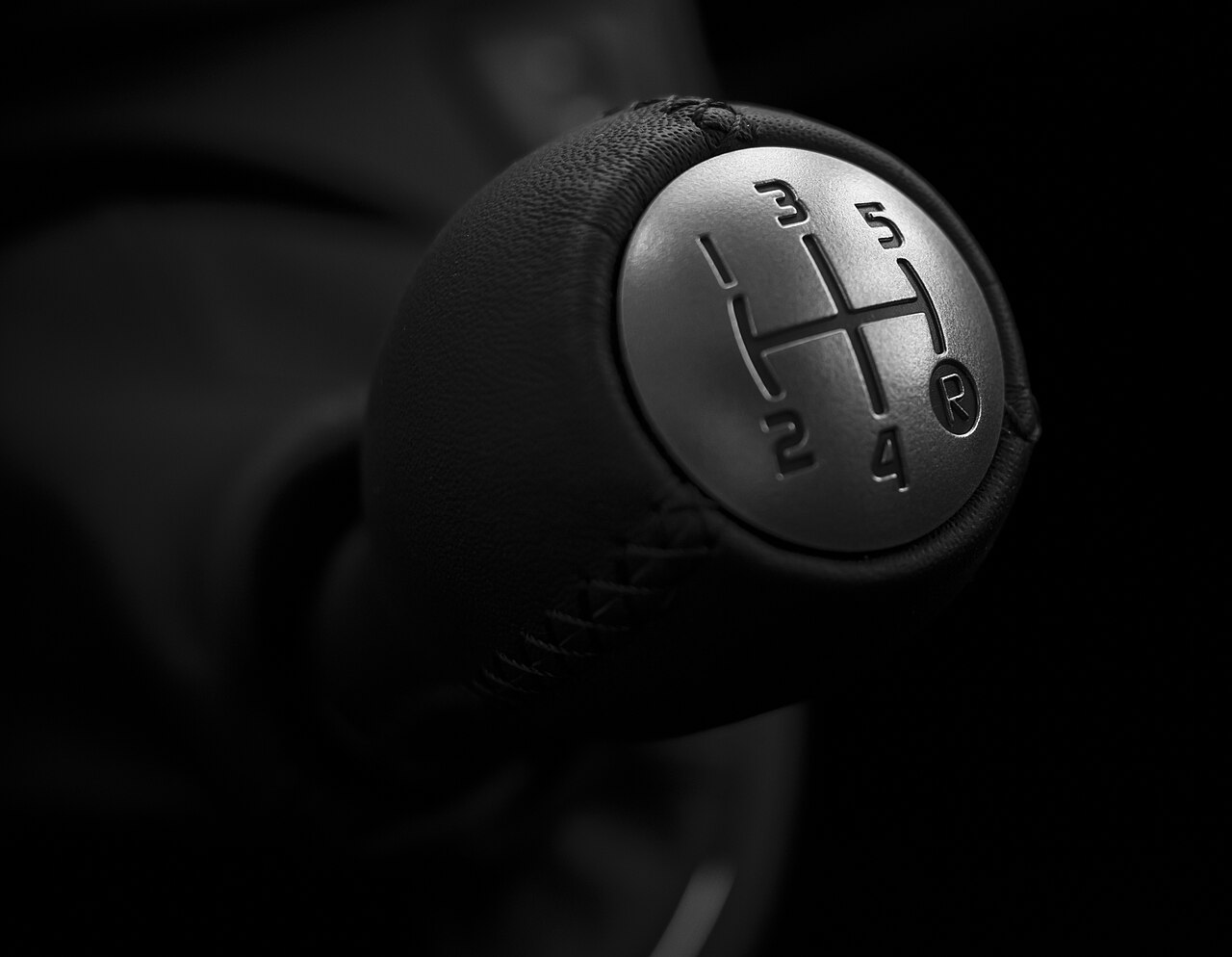
Passing your DVSA category B practical test in a manual car earns a full manual licence, which permits you to drive any category B vehicle regardless of transmission type. Passing in an automatic earns a category B automatic restriction, noted on the back of your photocard licence as code 78. With code 78 on your licence, you cannot legally drive a vehicle with a conventional clutch and manual gearbox. If you later need to drive a manual car, you must pass the full category B practical test again in a manual vehicle.
- Manual licence (no restriction): you can drive manual and automatic cars, including hire cars in the UK and most of Europe where manual is still the default vehicle type
- Automatic-only licence (code 78): you can drive any automatic or semi-automatic car, but not a conventional manual with a clutch pedal
- Converting from automatic to manual requires passing the full practical test again; there is no "conversion" route. The theory test does not need to be repeated if your certificate is still valid
- Internationally, an automatic-only restriction applies abroad as well. If you hire a manual car overseas, your licence does not cover it
- A manual licence does NOT restrict you to manual cars: many people with a full manual licence choose to drive automatics and will do so increasingly as electric cars become more common
Insurance after passing: does transmission type affect your premium?
Your transmission licence type does not directly affect your insurance premium. Insurers rate new drivers primarily on age, postcode, the make and model of car being insured, annual mileage, and whether a telematics (black box) device is fitted. Whether your licence carries the automatic code 78 restriction is not a standard rating factor. What does affect your premium indirectly is the pool of cars available to you. An automatic-only licence restricts you to automatic vehicles; modern automatics are often newer and in higher insurance groups than equivalent manual equivalents, which can push first-year premiums up. However, the main determinant of a young driver's first-year premium is the car itself, not the gearbox type on the licence.
The 2035 electric car shift and what it means for your choice now
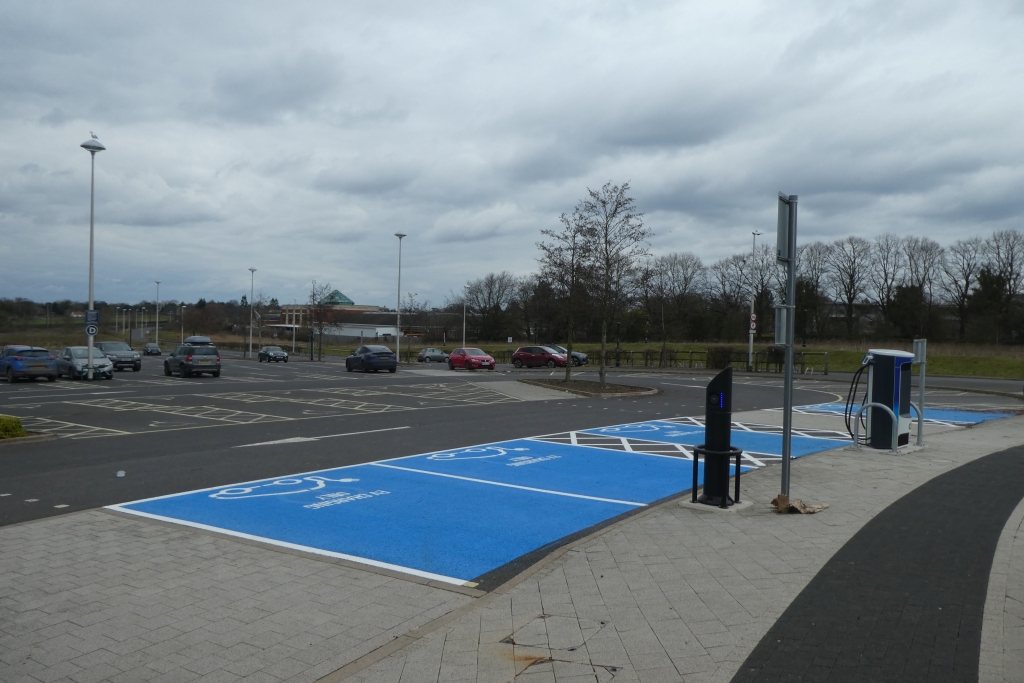
The UK Zero Emission Vehicles (ZEV) mandate requires that 100% of new car and van sales are zero emission by 2035. Electric vehicles have no conventional clutch and no gear changes; for DVSA test purposes they are classified as automatic. Any learner who takes and passes the practical test in a standard electric vehicle receives a category B licence with the automatic-only restriction (code 78). This means that as the new car fleet transitions to electric over the coming decade, more learners will naturally end up with automatic-only licences even if they never specifically chose automatic lessons.
The practical implication for a learner in 2026 is this: a full manual licence remains the more flexible option because it covers both manual and automatic vehicles including electric cars. If you pass in a manual car today, you can drive any automatic or EV that comes later without restriction. If you pass in an automatic, you are restricted to automatics going forward, which does not pose a problem for driving electric cars, but does close off any future need for a manual vehicle. Used manual cars will remain on the road and available to buy for decades after the 2035 sales cut-off. How important that access is depends on your circumstances.
Manual or automatic in 2026: who should choose which?
- Choose manual if you expect to drive a variety of vehicles, share a car with a manual driver, work in a role where you may need to drive different vehicles, or want the most flexible licence going forward
- Choose manual if your budget is tight and an instructor in your area charges a high automatic premium: in some regions the hourly gap is £6 or more, which erases the hours-based saving
- Choose automatic if you have a physical condition (e.g. reduced use of one arm or leg) where a manual gearbox is genuinely difficult: the licence restriction matters far less than passing safely and reliably
- Choose automatic if your target first car is already an automatic and you have no foreseeable need for a manual vehicle
- Choose automatic if you have struggled specifically with clutch control, gear selection, or stalling under test conditions: removing that obstacle can help a learner who has already invested significant hours in manual without making consistent progress
- Both types sit the same DVSA theory test, the same practical test format, and the same manoeuvres. The examiner criteria, minor fault limits, and serious fault categories are identical
- 01Check the regional hourly rate gap
Ask two or three instructors in your area for both manual and automatic rates. If the automatic premium is more than £5 per hour, the cost saving from fewer hours shrinks or disappears. If rates are similar, automatic likely works out cheaper on total tuition.
- 02Think about your first five years of driving
Will you need to borrow or hire manual cars? Share a vehicle with someone who drives manual? Work in a job requiring you to drive fleet or hire vehicles? If yes to any, the manual licence is worth the extra hours.
- 03Assess whether transmission genuinely blocks your progress
If you are already receiving manual lessons and making good progress on clutch control, stick with manual. If stalling and gear selection are consistently generating faults after 25 or more lessons, a frank conversation with your instructor about switching to automatic is reasonable.
- 04Factor in the EV trajectory
If your next car is likely to be electric or you drive predominantly in an urban area where EVs are more practical, an automatic-only licence poses little real-world restriction. If you expect to drive in rural or commercial contexts where manual vehicles remain common, the manual licence is safer.
- 05Use the cost calculator
The driving test cost calculator lets you model your specific region, hourly rate, and target lesson count to compare the total out-of-pocket spend for both routes.
“The automatic-versus-manual cost question is genuinely close for most UK learners in 2026. The licence restriction is not close: a manual licence gives you options you may not know you need until you need them.”
Sources and further reading
The figures, fees, and procedures referenced in this article are verifiable on the official gov.uk pages below. PassRates.uk is built on the Driver and Vehicle Standards Agency’s open data, published under the Open Government Licence.
What is the pass rate at your test centre?
Search by centre name, town or postcode to see the latest DVSA figure.
Frequently asked questions
Are automatic driving lessons more expensive than manual in the UK?
The hourly rate for automatic lessons typically runs £2 to £5 more than manual with the same instructor. However, most learners pass in automatic with around 35 to 40 hours of instruction compared to about 45 hours for manual. That 7 to 10 hour difference often offsets the higher hourly rate, so the total tuition spend is often within £100 to £250 of each other. In regions where the automatic premium is high (£5 to £8 per hour more), automatic lessons can end up costing more overall.
How many driving lessons does it take to pass in an automatic?
DVSA does not publish a separate average for automatic learners. Instructors commonly report that automatic learners reach test standard in around 35 to 40 hours, compared to the DVSA-published average of about 45 hours for manual. The main reason cited: without gear-change coordination as a competing demand, learners tend to develop observation, positioning, and mirror habits more quickly. Individual variation is significant; learners who struggle specifically with clutch control often progress notably faster in automatic, while others see little difference.
Can I drive a manual car if I pass my test in an automatic?
No. Passing the practical test in an automatic car earns a category B licence with an automatic-only restriction (code 78 on the back of your photocard). You cannot legally drive a conventional manual car with a clutch pedal until you pass the full practical test again in a manual vehicle. There is no partial conversion route. Your theory test certificate does not need to be repeated if it is still within its two-year validity window.
Is it easier to pass your driving test in an automatic?
The examiner criteria, fault limits, and pass standard are identical for manual and automatic tests. The practical difference is that automatic removes the gear-change and clutch-control element from the test. This helps some learners who were generating faults specifically around gear selection, stalling, or clutch control. It does not raise or lower the bar on observation, mirrors, positioning, speed, or judgement, which account for the majority of test faults. The automatic vs manual driving test guide covers what changes on the day.
Does passing in an automatic affect my car insurance?
Your transmission restriction code does not appear as a direct rating factor for most UK insurers. First-year premiums are set primarily by age, car model, postcode, and mileage. The indirect effect is that an automatic-only licence limits you to insuring automatic vehicles, which tend to sit in slightly higher insurance groups than equivalent manual variants. The difference is typically small versus the main drivers of young-driver premium levels.
Will the 2035 petrol and diesel ban make an automatic licence more useful?
To a degree. Electric cars are classified as automatic for DVSA test purposes since they have no conventional clutch or gear changes. As the new car fleet transitions to electric after 2035, automatic-only licence holders will be able to drive most new vehicles without restriction. However, used manual cars will remain on the road for decades after 2035, and the manual licence covers both types. A manual licence is still the more flexible option for 2026 learners, even accounting for the EV transition.
Can I learn in an electric car and still get a manual licence?
No. Standard electric cars have no clutch and are classified as automatic by DVSA. Taking your test in a standard electric vehicle results in an automatic-only licence with code 78 restriction. To hold a full manual licence you must pass the practical test in a vehicle with a clutch and manual gear selection. Some specially adapted vehicles or prototype drivetrains include manual-style controls, but these are not standard for learner instruction. The driving an EV on test day guide covers how the test experience differs in an electric car.
Related guides
- Lessons and instructorsDriving lesson costs 2026Read guide
- Lessons and instructorsCheapest places to learn to driveRead guide
- Lessons and instructorsCost of learning to drive 2026Read guide
- Lessons and instructorsLessons to passRead guide
- Lessons and instructorsHow Many Driving LessonsRead guide
- Lessons and instructorsFind a Driving InstructorRead guide
Independent UK driving test analytics, reviewed against the latest DVSA quarterly statistical release.
Written byVikas Dulgunde, the software engineer behind PassRates.uk. The figures come straight from the DVSA open dataset; see themethodology.
Continue reading
Black box insurance cuts first-year premiums 30-50% for UK drivers under 25, but renewal outcomes vary sharply. We cover who benefits, curfew rules, and when to switch back to standard cover in 2026.
Pass Plus costs £150-£200 for six hours. Whether the insurance saving covers that depends on your premium level. Here are the break-even numbers by annual premium.