Signs that give orders
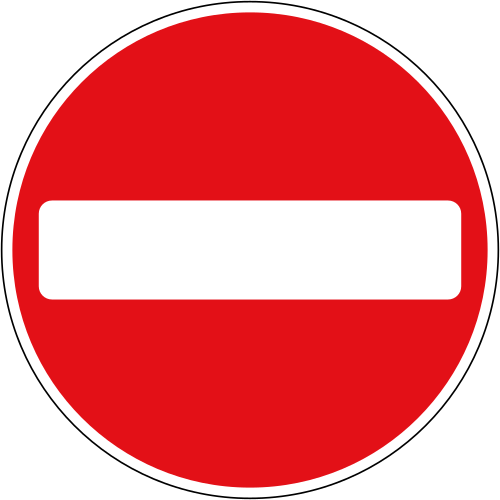
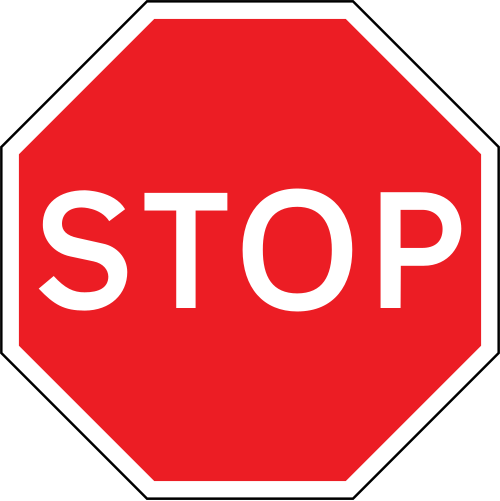
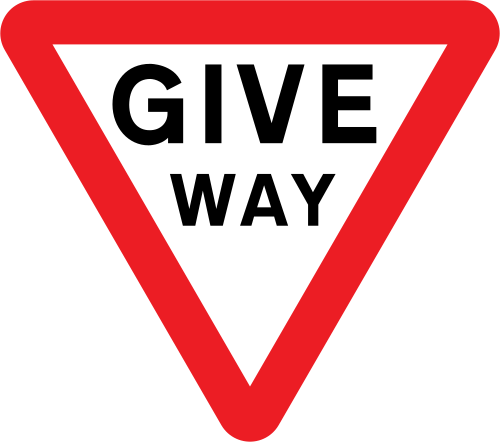
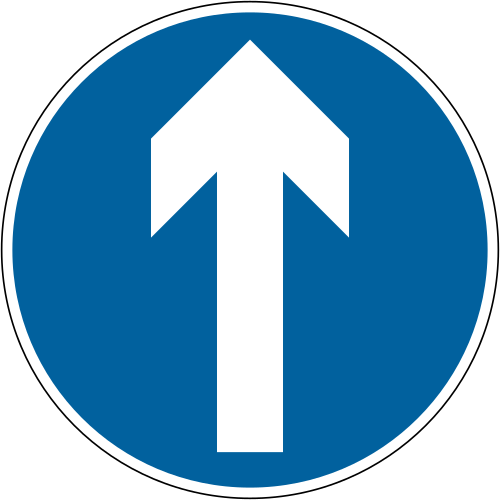
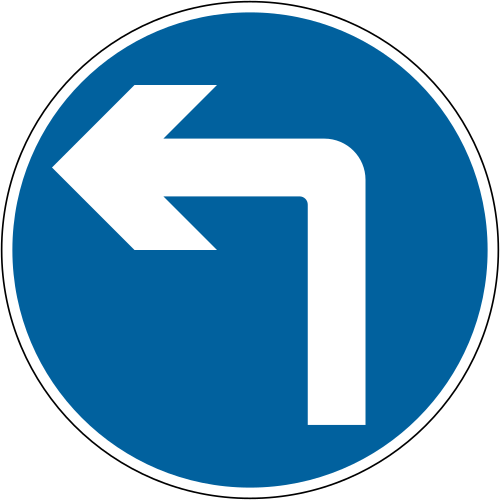
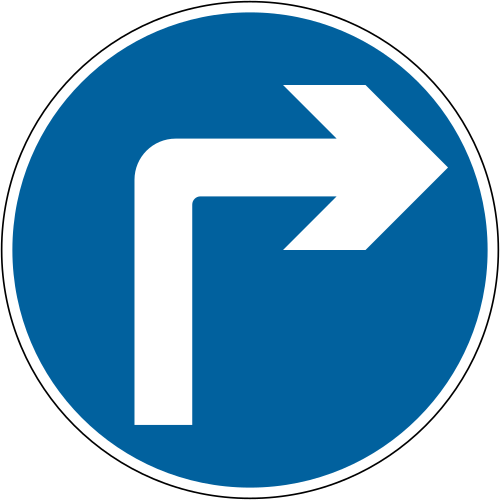
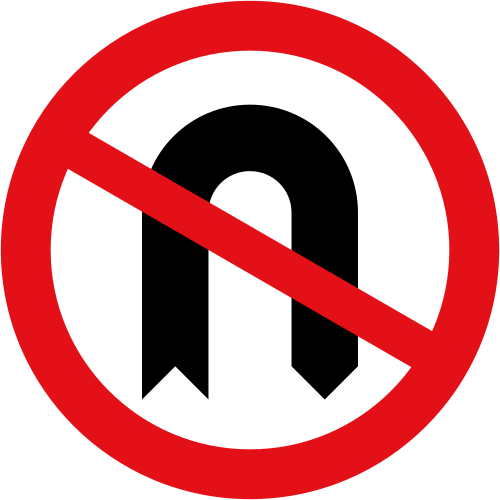
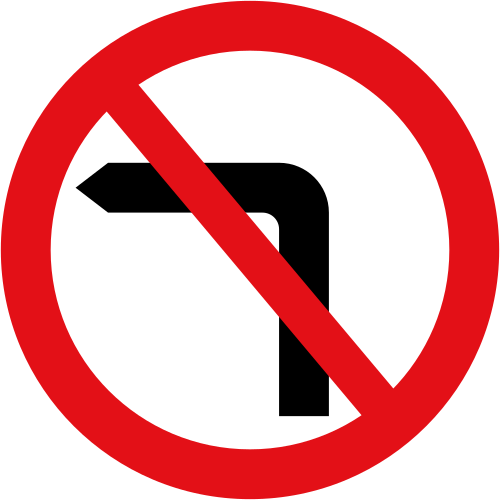
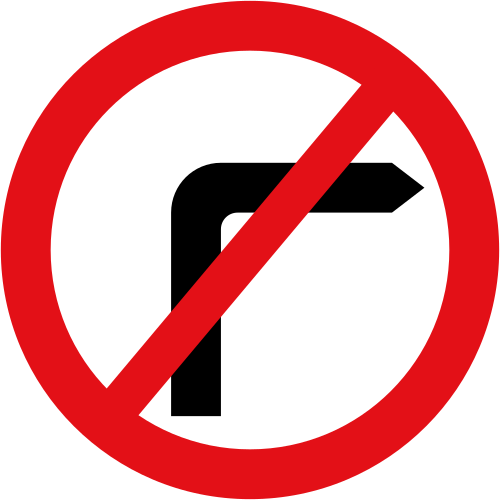
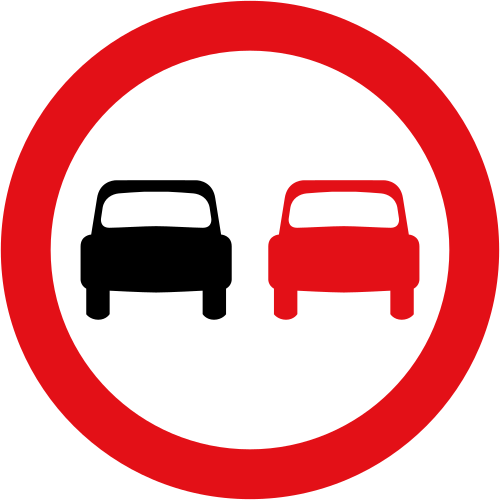
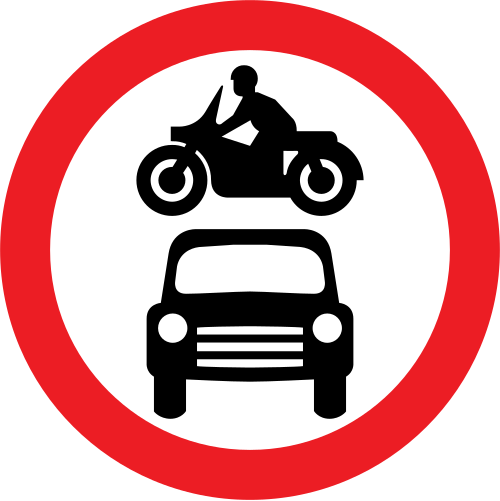
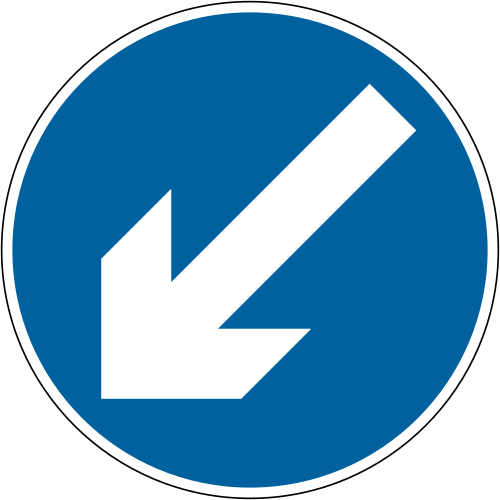
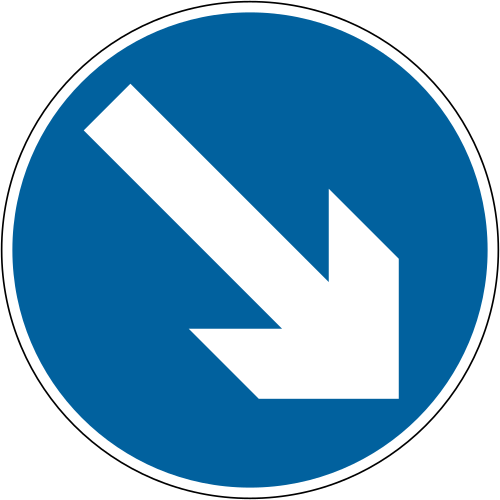
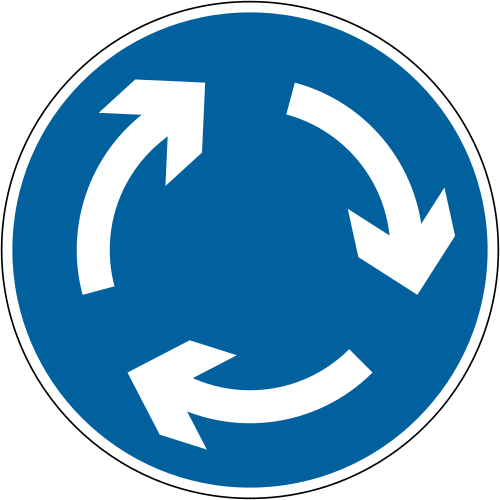
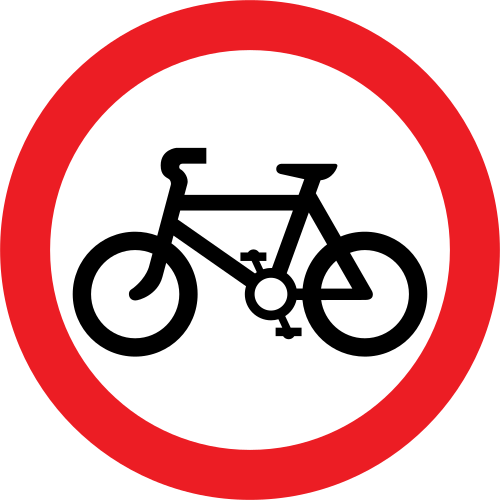
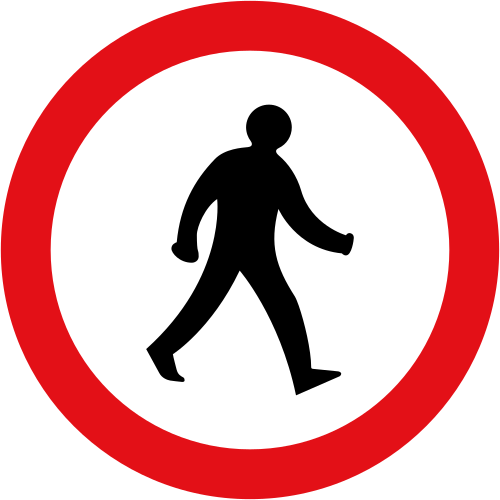
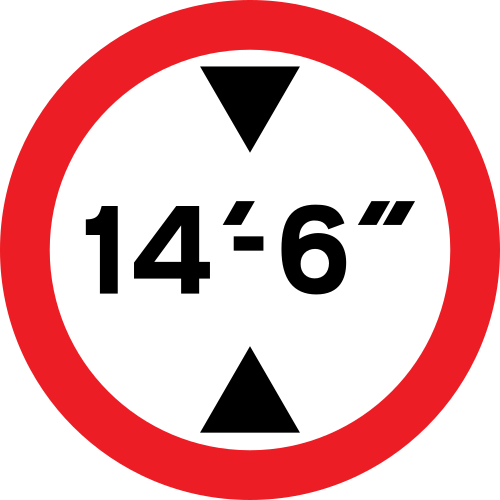
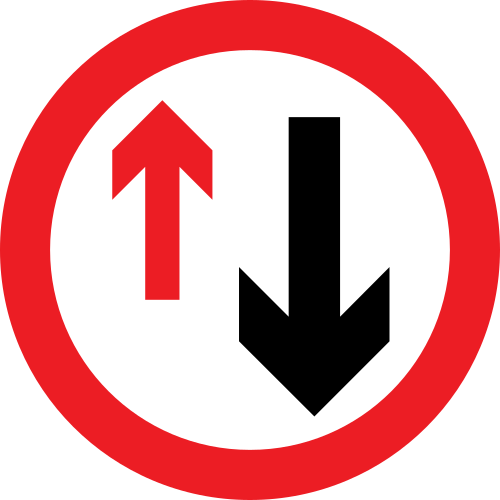
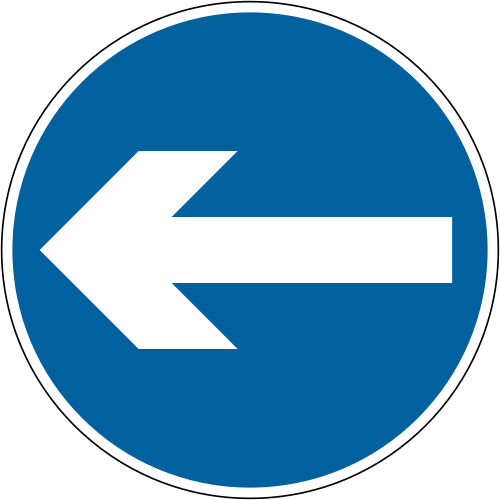
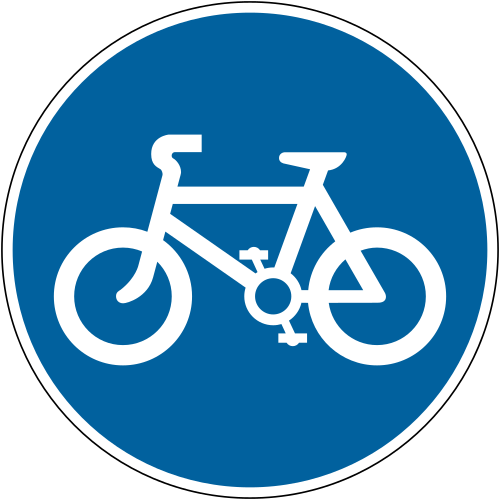
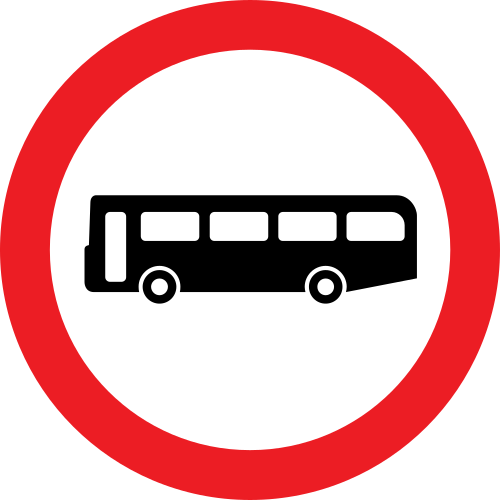
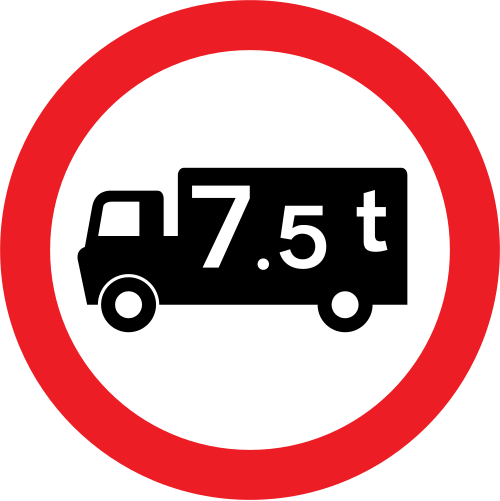
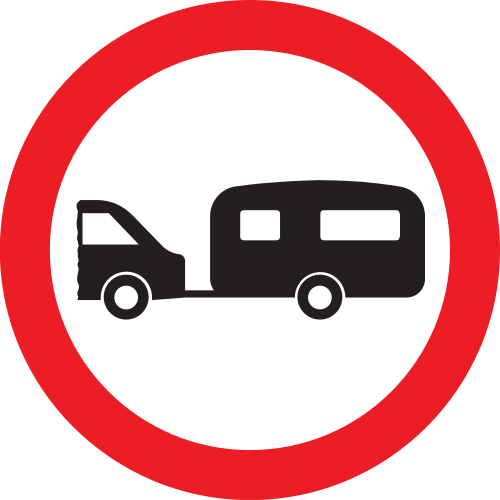
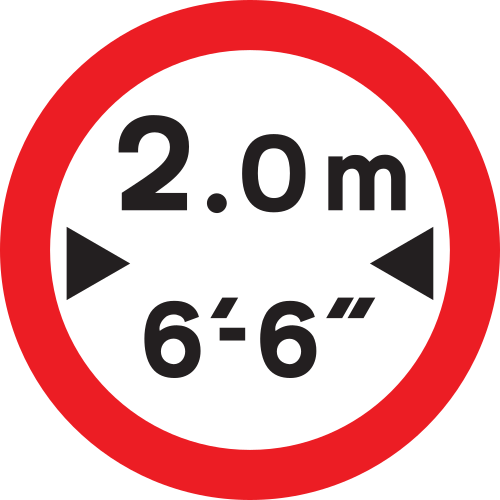
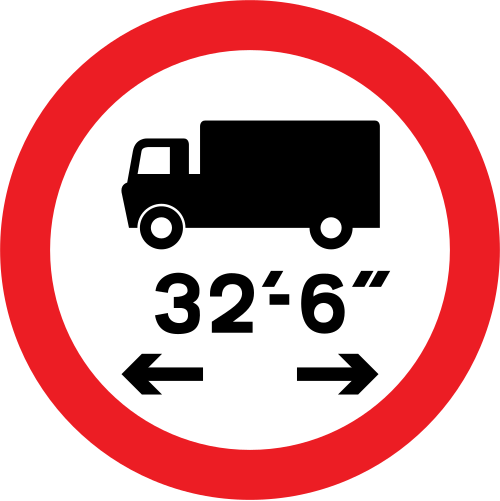
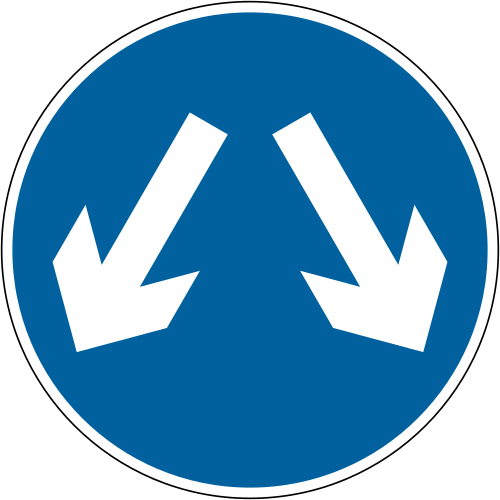
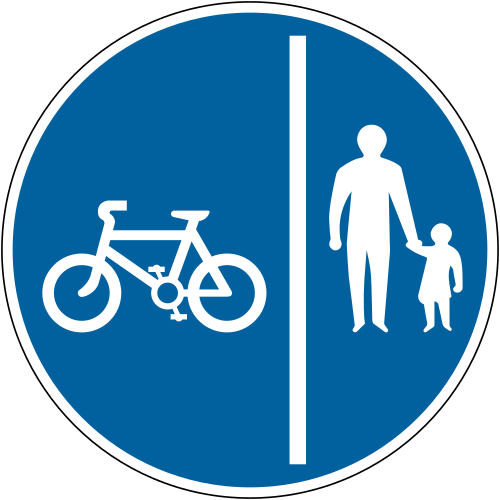
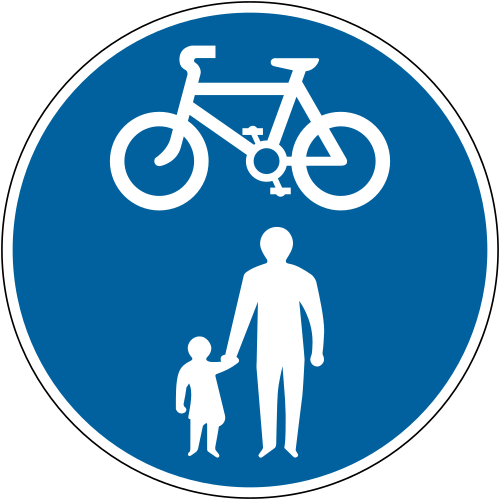
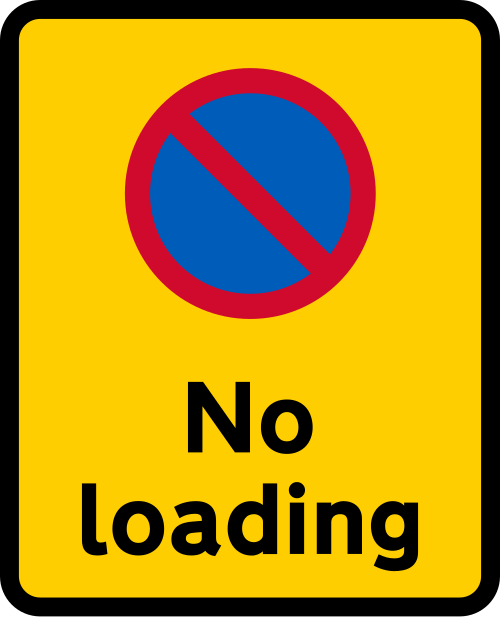
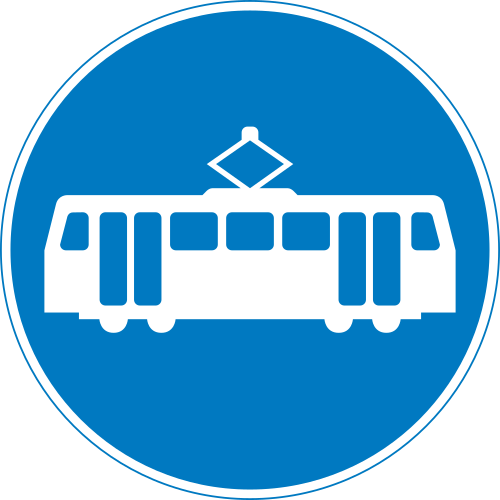
Circles give orders. A red ring means a prohibition, something you must not do, such as no entry or no overtaking. A blue circle gives a positive instruction you must follow, such as turn left or keep right. Two order signs have a unique shape so you recognise them even when dirty or facing the sun: the octagonal STOP and the inverted-triangle give way. Tap any sign below for the full detail, or take the road signs short test.
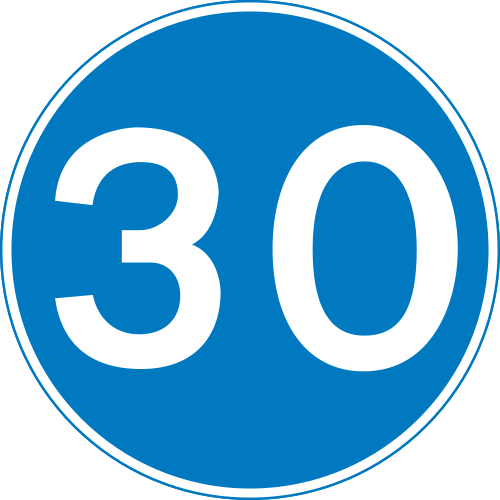
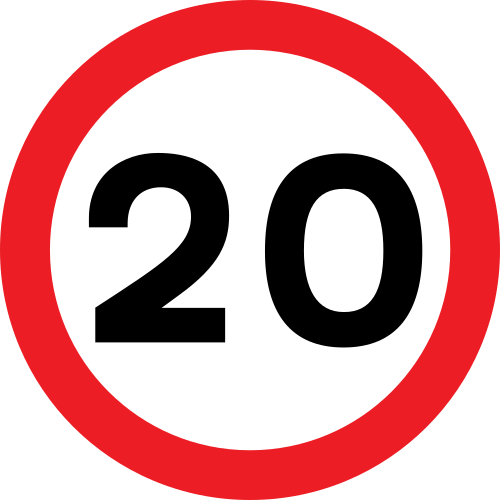
Order signs are the ones that carry the force of law, so they matter more than any other group. Ignore a give way or a no entry and it is not just a test fault, it can be an offence with points or a fine. The shape and colour let you read them in the half-second you usually get. A circle gives an order. A red ring around the edge means a prohibition, something you must not do, like no entry, no overtaking or a speed limit. A solid blue circle gives a positive instruction you must follow, such as turn left, keep right or a minimum speed. Two signs break the circle rule on purpose so you still know them when they are dirty or lit from behind: the eight-sided STOP and the upside-down triangle that means give way.
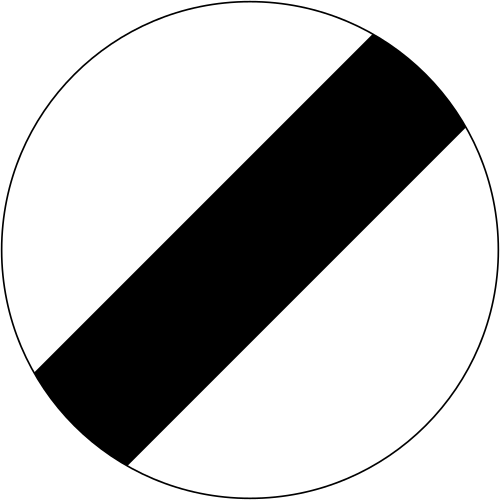
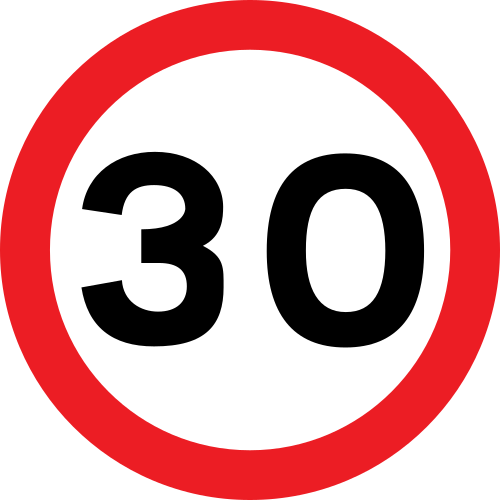
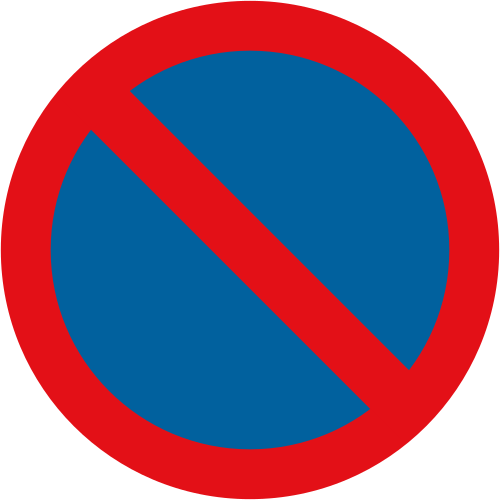
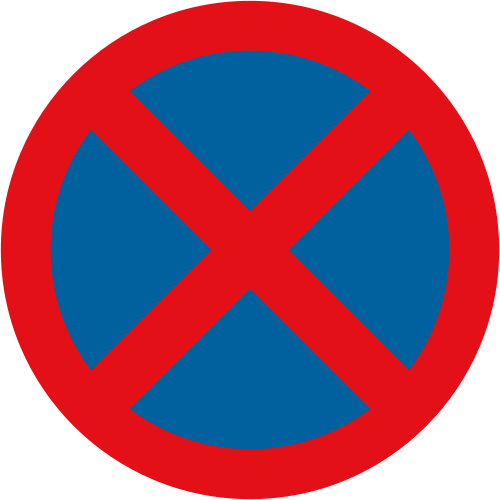
A few order signs trip people up because they look similar. The plain white circle with a black diagonal stripe means the national speed limit applies, not no limit at all, so on a single carriageway that is 60 mph for a car rather than a free-for-all. A red ring around a number sets that exact limit instead. No waiting, a single yellow diagonal, lets you stop briefly to set down a passenger, while no stopping, the red cross often called the clearway, does not let you stop at all. Knowing which is which changes what you can legally do on the road, which is exactly why examiners watch for it.
On the practical test you are not asked to recite sign names, but you are expected to see them early and obey them smoothly, braking in good time for a stop line rather than stamping on the spot at the last moment. On the theory test the order signs come up often in both the multiple-choice and hazard-perception sections. Tap any sign in the grid above for its full meaning and the signs it is most often confused with, or run through them quickly with the road signs short test.
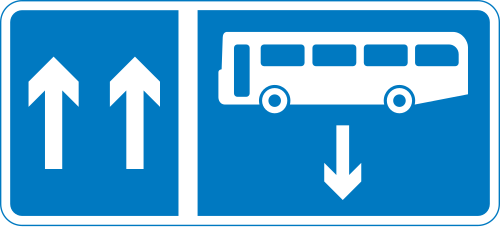
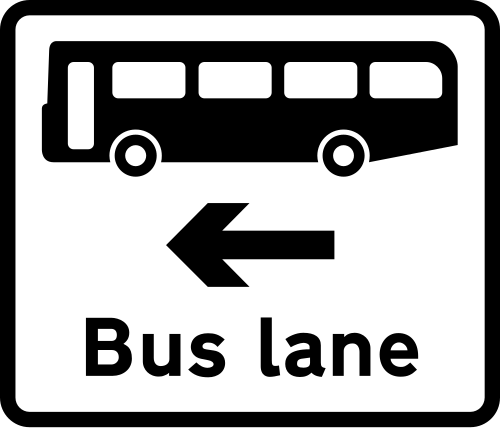
Every one of the signs that give orders, and what each means
Other kinds of sign
Test yourself
The theory test asks you to recognise signs like these. Try the road and traffic signs short test (with an easy and a hard set), or read the signs revision notes. To see whether it holds up under pressure, sit a full 50-question timed mock, marked to the real 43 out of 50 pass mark, or start from the road signs hub for the shape-and-colour rules that decode any sign.
Sign meanings are based on Know Your Traffic Signs and The Highway Code. The sign images are official Department for Transport signs (Crown copyright), reused under the Open Government Licence and the public domain via Wikimedia Commons. Always check the current Highway Code on gov.uk. Not affiliated with or endorsed by the DVSA.