Can You Drive a Bus at 18 in the UK? Rules and the 2026 Consultation
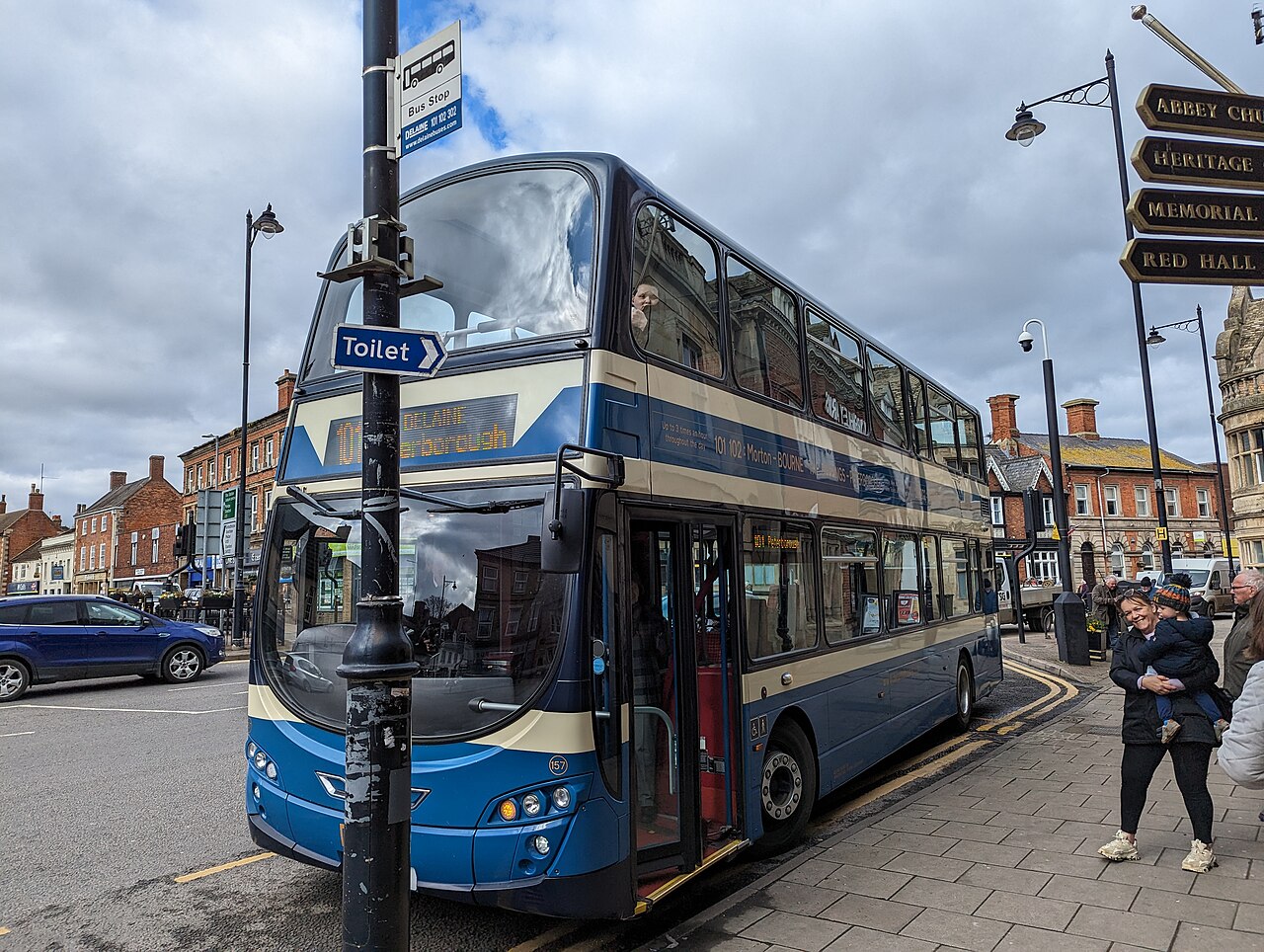
Yes, you can drive a bus in the UK at 18 if you hold the right licence and the driver CPC, but at 18 and 19 you can only carry passengers on regular services whose route does not exceed 50km (or drive any route empty). From 20 you can drive every type of service. The Department for Transport opened a consultation on 6 November 2026 on relaxing that limit, and it is a proposal, not law.
- Earliest age
- 18With a full licence for the category and the driver CPC
- At 18 and 19
- Up to 50kmRegular services only, when carrying passengers
- From 20
- No route limitEvery type of service, with a CPC
- Consultation closes
- 18 Dec 202611:59pm, England, Scotland and Wales
- Aged 18 with a bus licence
- 68DVLA, 25 September 2026
- Aged 19 with a bus licence
- 456DVLA, 25 September 2026
Can you drive a bus at 18 in the UK?
The short answer is yes, with limits. A UK bus and coach licence (category D) is available from 18 to people who pass the full set of tests, including the initial driver CPC (Certificate of Professional Competence). Once you hold it, you are a professional driver, not a trainee, and you can work for an operator like any other.
The limit is on what you can do with passengers on board. At 18 and 19, you can carry passengers only on a regular service, meaning a set route with a timetable, and only where the route does not exceed 50km. You can also drive any route at all when the bus is empty, for example taking it to the depot or repositioning it between jobs. From your 20th birthday the restriction ends, provided you hold the CPC, and you can drive every type of service.
Those details come from the Department for Transport (DfT) consultation published on gov.uk on 6 November 2026. The rule covers category D and D+E (bus and coach, with or without a trailer). It does not apply to category D1 or D1E minibuses, which have their own licence and are covered in the D1 minibus licence guide.
What the 18 and 19 year old restriction actually means
The easiest way to see where the line falls is the example DfT itself uses. A school service is a regular service: it runs a set route at set times. If that route is under 50km, an 18 or 19 year old with a CPC can drive it with children on board. Now take a school trip to a local farm. That is a non-regular service, because it is a one-off booking rather than a timetabled route. Even if the journey is well under 50km, an 18 or 19 year old cannot carry passengers on it.
| Type of journey | Passengers on board | Allowed at 18 or 19? | |
|---|---|---|---|
| Regular service, route up to 50km | Yes | Yes | |
| Regular service, route over 50km | Yes | No | |
| Non-regular service (trips, tours, charters) | Yes | No | |
| Any route, bus empty | No | Yes |
The practical effect is that many employers have little suitable work for a driver in this age group. DfT ran an operator survey between 28 January and 7 March 2026 and received 81 responses. It found that 27 percent of coach operators had no work suitable for 18 and 19 year old drivers, and a further 14 percent said only 20 percent of their work was suitable.
Why does the restriction exist?
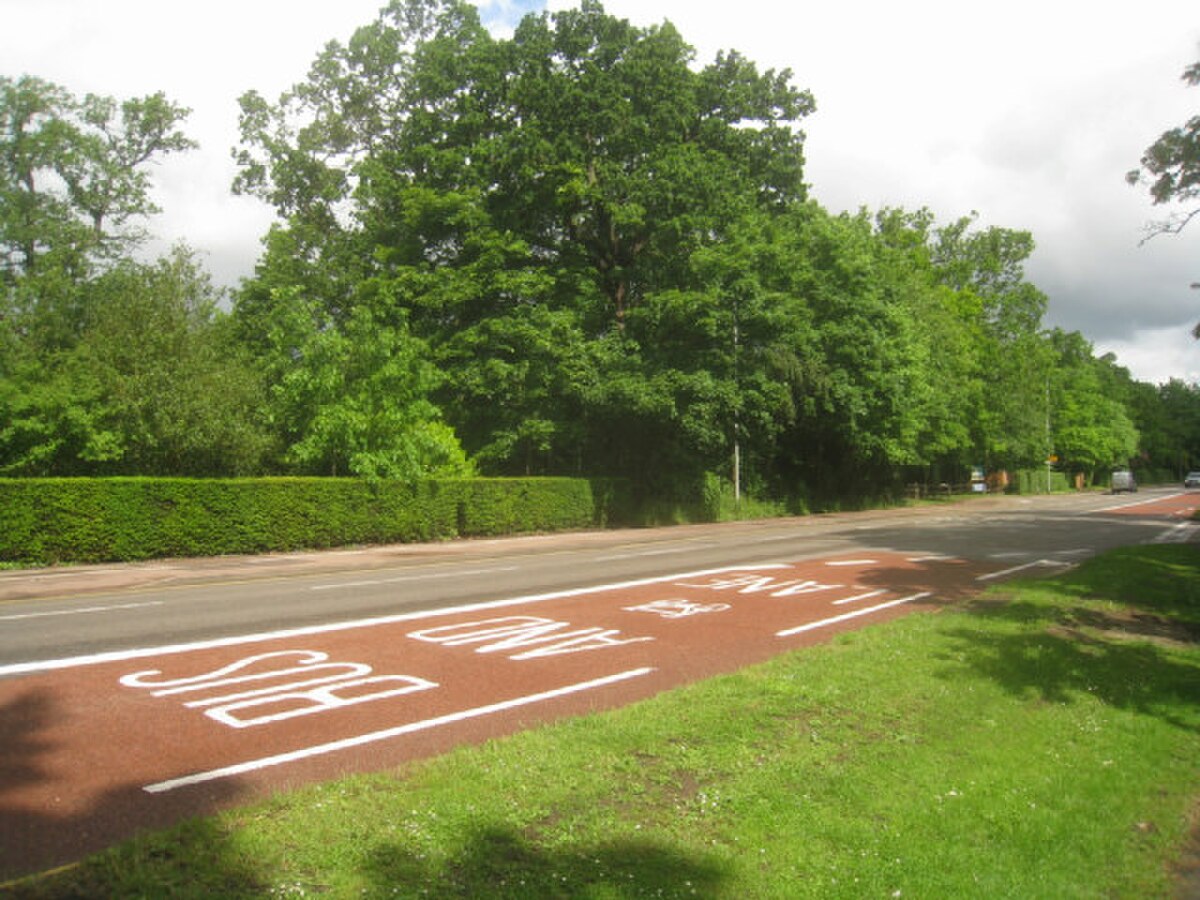
It was not written as a road safety measure. DfT says the restrictions came from EU Directive 2003/59/EC, which the UK put into domestic law through the Vehicle Drivers (Certificates of Professional Competence) Regulations 2007. The age limits and the 50km regular service exception are part of how that directive was carried over.
The consultation asks whether that carry-over still makes sense. It applies to England, Scotland and Wales.
How rare are 18 and 19 year old bus drivers?
Very rare. DVLA figures quoted in the consultation show that on 25 September 2026 only 68 people aged 18 and 456 people aged 19 held a full bus and coach licence. Against that, the Annual Population Survey counts 113,900 bus and coach drivers in the UK across April 2025 to March 2026. Young licence holders are a tiny fraction of the workforce.
Those numbers do not say why so few young people hold the licence, and the consultation does not claim they do. The cost and length of the route (covered below), and the restriction itself, all plausibly play a part.
How to get a bus licence at 18
The route to a category D licence is a series of steps, and most people take several months to complete them. This is the outline. The bus and coach PCV licence guide has more on the tests themselves, and the driver CPC modules guide explains the professional qualification.
- 01Hold a full car licence
You need a full GB car licence before you can start. That means passing your car test first.
- 02Pass the Group 2 (D4) medical
Vocational licences have a stricter medical standard than car licences. A doctor completes the D4 form, which covers eyesight and general health.
- 03Apply for provisional category D entitlement
You add category D to your provisional licence once the medical is done. You cannot drive a bus on the road until the right entitlement is on the licence.
- 04Pass the theory test, including hazard perception
The professional theory test has a multiple choice part and a hazard perception part.
- 05Pass the practical tests
The practical stage covers the vehicle and the road. It is a longer, more technical process than a car test.
- 06Complete the initial driver CPC
The initial CPC is the professional qualification, made up of theory and practical parts. You need it to drive a bus professionally.
- 07Keep it current with 35 hours of training every 5 years
Periodic CPC training is required for every professional driver. Thirty-five hours every five years keeps the card valid.
- You will need access to a training bus, since you cannot practise in your own car.
- Many people get an operator to sponsor the training, which is where an employer with suitable regular routes matters.
- Check the entitlements shown on your licence before accepting any driving job.
What is the 2026 consultation proposing?
DfT opened the consultation on 6 November 2026 and it closes at 11:59pm on 18 December 2026. It is a proposal, and DfT has said it has no preferred option. Nothing about the 18 and 19 year old rule has changed yet. Any change would keep the driver CPC requirement.
The consultation sets out three options, and DfT says elements of them could be combined.
| Option | Restrictions | What would change | |
|---|---|---|---|
| Option 1: mandatory training | Kept | Drivers aged 18 and 19 who take extra training could drive non-regular services and regular services over 50km | |
| Option 2: driver monitoring technology | Removed | Operators would have to monitor the behaviour of these young drivers | |
| Option 3: guidance | Removed | DfT would publish guidance for operators and drivers |
“The 18 and 19 year old restriction came from EU rules, and was not introduced as a road safety measure.”
What it means if you are thinking about a bus career at 18
Nothing about the law has changed, so plan on the current rule. If you are 18 or 19 and want to drive passengers, ask an operator which routes would be open to you. Regular services under 50km are the realistic starting point, and many town and school routes fall inside that limit. If you are not yet 20, the rule may limit how much work you can be given, so it is worth asking before you spend money on training.
If you want to argue for a change, or for the rule to stay, the consultation is open to responses through the consultation page on gov.uk until 11:59pm on 18 December 2026. Any change would need the CPC regulations to be amended, which takes longer than a consultation, so treat the current rule as the one that applies.
Common mistakes about driving a bus at 18
- Assuming you can drive any bus on any route as soon as you pass. Until 20, the 50km regular service limit applies when you carry passengers.
- Forgetting the CPC. The licence entitlement alone is not enough to drive a bus professionally.
- Treating the consultation as a rule change. It has not changed anything yet.
- Mixing up D and D1. A minibus licence is a different category with different rules.
Sources and further reading
The figures, fees, and procedures referenced in this article are verifiable on the official gov.uk pages below. PassRates.uk is built on the Driver and Vehicle Standards Agency’s open data, published under the Open Government Licence.
What is the pass rate at your test centre?
Search by centre name, town or postcode to see the latest DVSA figure.
Frequently asked questions
Can you drive a bus at 18 in the UK?
Yes, if you hold a full category D licence and the driver CPC. At 18 and 19 you can carry passengers only on regular services where the route does not exceed 50km. You can drive any route when the bus is empty.
How old do you have to be to drive any type of bus service?
You need to be at least 20, and you must hold a CPC. From 20 the 50km regular service restriction no longer applies and you can drive every type of service.
Can an 18 year old drive a school bus?
Yes, if the school service is a regular service, with a set route and timetable, and the route does not exceed 50km. A one-off school trip is a non-regular service, which an 18 or 19 year old cannot carry passengers on.
Is the rule for 18 and 19 year old bus drivers changing?
Not yet. The Department for Transport opened a consultation on 6 November 2026 that closes at 11:59pm on 18 December 2026. It is a proposal and DfT has said it has no preferred option. The current rule stays in force until the law is changed.
Does the 50km rule apply to minibuses?
No. The restriction covers category D and D+E only. Minibuses (category D1 and D1E) are not covered by this consultation.
Do I still need the driver CPC if the rules change?
Yes. DfT has said any change would keep the driver CPC requirement. The CPC is the professional qualification and it is separate from the age restriction.
How many 18 and 19 year olds hold a bus licence?
DVLA figures quoted in the consultation show 68 people aged 18 and 456 people aged 19 held a full bus and coach licence on 25 September 2026. The Annual Population Survey counts 113,900 bus and coach drivers in the UK across April 2025 to March 2026.
Why is the bus age restriction written in kilometres?
The 50km figure comes from the regulation itself, which uses kilometres. It is roughly 31 miles. This is one of the few cases where a UK road rule is stated in metric units.
Every candidate behind these numbers passed a theory test first. Nationally 44.8% of attempts clear it.
Spotting developing hazards, plus the effects of alcohol, tiredness and medicines. All 14 DVSA topics are free to practise, with no sign up. See the theory pass rate by centre or the full practice hub.
Related guides
- Bus and taxiBus and Coach (PCV) LicenceRead guide
- Bus and taxiD1 Minibus LicenceRead guide
- Bus and taxiTaxi Licence ProcessRead guide
- Bus and taxiPrivate Hire LicenceRead guide
- Becoming an instructor or examinerDriving Instructor (ADI)Read guide
- Becoming an instructor or examinerDriving Examiner (DVSA)Read guide
Written by Vikas and the PassRates.uk team. Vikas is the software engineer and driving enthusiast who started the site. The figures come straight from the DVSA open dataset; see the methodology.
Source DVSA, Open Government Licence v3.0
Continue reading
Junctions and mirrors are the most-recorded UK driving test fault categories (DVSA 2024-25 rank data): the categories, why they dominate, and how to fix each.
Drug driving in Great Britain carries a minimum 1-year ban, an unlimited fine and a criminal record that stays on your licence for 11 years. GB has two tests: impairment and blood-level limits. Northern Ireland still uses impairment-only law; a 2026 consultation proposes adding limits.