Kendal Driving Test Centre Pass Rate 2024-25
Kendal (Oxenholme Road) driving test centre recorded a 64.8% pass rate in 2024-25 on 2,149 practical car tests, ranking it among the two or three easiest test centres in England by published pass rate among sites with at least 1,000 tests. The UK national average in 2024-25 is 48.7%, placing Kendal 16.1 percentage points ahead. First-time candidates at Kendal passed at an even higher rate of 68.5%, making this centre a consistently strong choice for learners in south Cumbria.
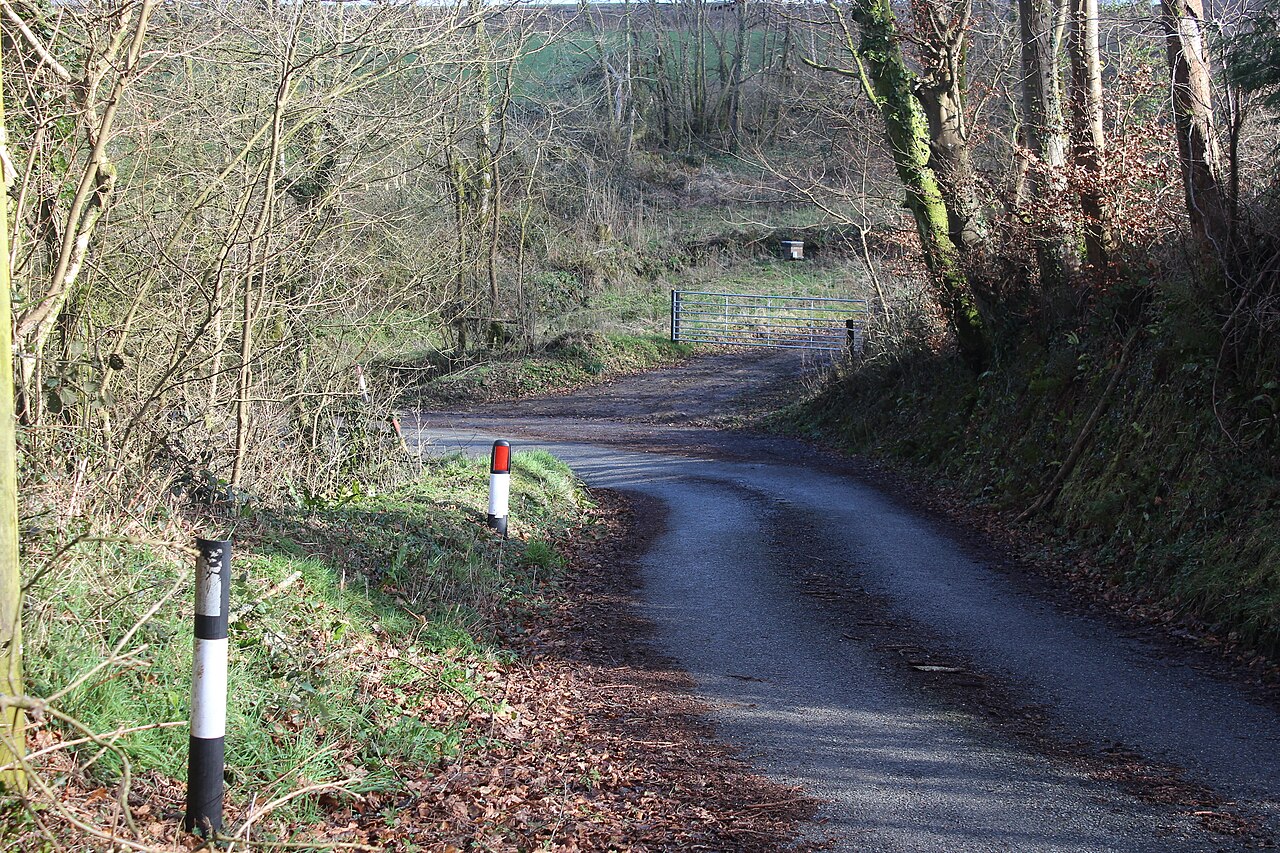
- Pass rate 2024-25
- 64.8%on 2,149 tests at Kendal (Oxenholme Road)
- Above UK average
- +16.1ppnational average 48.7%, 2024-25
- First-time pass rate
- 68.5%on 1,230 first-attempt candidates
- National ranking
- Top 3among centres with 1,000+ tests in 2024-25
Where Kendal sits in the national rankings
DVSA data for 2024-25 covers 327 car test centres across Great Britain. Among the 263 centres that meet the minimum sample threshold of 1,000 tests in the latest year, Kendal (Oxenholme Road) at 64.8% ranks second, behind Dorchester in Dorset at 66.7%. Chichester in West Sussex follows at 64.2%. All three are rural or market-town centres with quieter route profiles than large urban sites. Smaller centres including Lerwick on Shetland (67.4% over three years, fewer than 1,000 single-year tests) show even higher rates, but they fall below the minimum sample threshold for a like-for-like comparison.
The first-time pass rate at Kendal in 2024-25 is 68.5%, based on 1,230 first-attempt tests with 842 passing. This is 3.7 percentage points higher than the overall pass rate of 64.8%. At most centres the overall rate sits above the first-time figure because retakers bring additional test experience. At Kendal the pattern is the opposite: first-time candidates outperform retakers by a meaningful margin, which suggests first-timers at this centre arrive well prepared and that the Kendal route environment suits candidates who have built their skills in similar rural and semi-rural conditions.
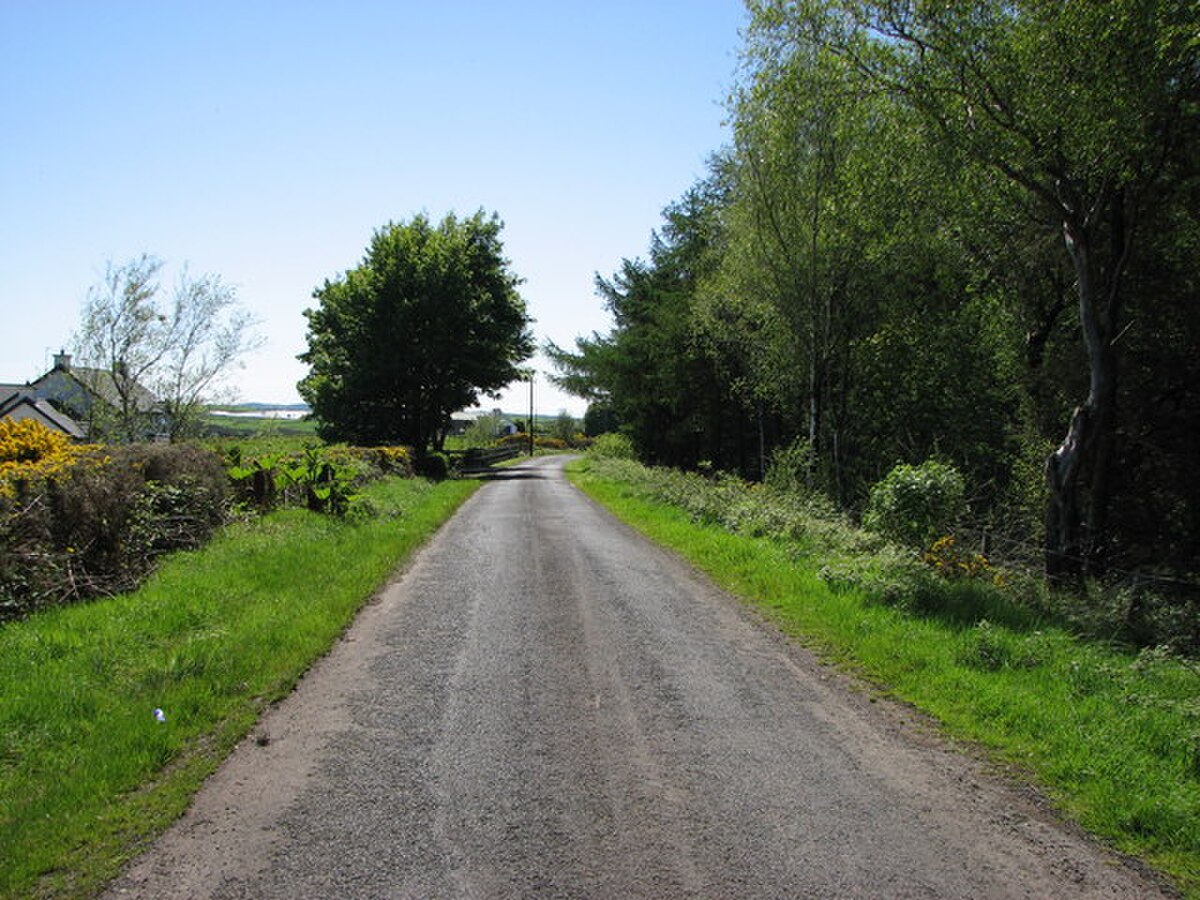
Kendal against nearby Cumbria and Lancashire centres
Kendal sits in a region where test centres are spread over considerable distances. Heysham, the nearest centre with 2024-25 data, is 19.1 miles away and returned 55.0% on 3,735 tests. Barrow-in-Furness at 23.5 miles came in at 61.9% on 1,735 tests, which is strong but still 2.9 percentage points below Kendal. Preston, further south at around 38 miles, returned 53.7% on 11,380 tests. The Kendal advantage over all nearby centres reflects both the character of the local road network and the relatively low traffic volumes that are a structural feature of South Lakeland.
Ten-year pass rate history at Kendal: 2015-16 to 2024-25
The published DVSA data for Kendal (Oxenholme Road) covers ten years from 2015-16 to 2024-25, excluding the pandemic year. The centre has never fallen below 62.6% in any recorded year, a floor that most other English centres would rank as a ceiling. The range across the dataset is from 62.6% (2017-18) to 68.3% (2022-23), a span of just 5.7 percentage points. By comparison, many urban centres have swung by 10 to 20 percentage points over the same period.
The 2022-23 figure of 68.3% on 1,695 tests is the highest single-year result recorded for Kendal in the dataset and represents a standout year even by this centre's own elevated standards. The reduction in test volume from 2,171 in 2019-20 to 1,695 in 2022-23 is likely a factor: a smaller pool of tests in a single year can produce more variable results. The 2023-24 and 2024-25 figures of 64.8% on higher volumes of over 2,000 tests each provide a more stable estimate of the underlying pass rate.
Male and female pass rates at Kendal
Male candidates at Kendal passed at 64.0% in 2024-25, based on 1,264 tests with 809 passing. Female candidates passed at 66.0% on 885 tests with 584 passing. This gives a gender gap of 2.0 percentage points in favour of female candidates, again the reverse of the national pattern (men 49.5%, women 47.6% nationally in 2024-25). Both male and female candidates at Kendal perform above their respective national averages by a large margin, and both are above the UK average in every recorded year.
| Male | Female | |
|---|---|---|
| Kendal pass rate | 64.0% | 66.0% |
| National average | 49.5% | 47.6% |
| Kendal vs national | +14.5pp | +18.4pp |
| Tests conducted (Kendal) | 1,264 | 885 |
Why Kendal consistently posts high pass rates
The structural advantage of Kendal is straightforward. The centre sits in Kendal, a market town of around 28,000 people in South Lakeland, Cumbria. The road network surrounding the test centre is dominated by A-roads and B-roads carrying moderate traffic, with limited multi-lane junctions and no motorway infrastructure within typical test-route distance. The town-centre streets are manageable in volume compared with any large English city, and the surrounding rural roads provide straightforward stretches where candidates can demonstrate safe speed management without the pressure of dense urban traffic.
This does not make the Kendal test easy by any means. One in three candidates still fails. Rural routes introduce their own challenges: variable road surface quality, narrow sections with limited passing places, unexpected agricultural vehicles, and the absence of road markings and controlled crossings that candidates may rely on for orientation. Candidates who have learnt primarily in urban environments and then travel to Kendal to attempt an easier test without practising the local roads first are likely to find the rural sections more demanding than expected.
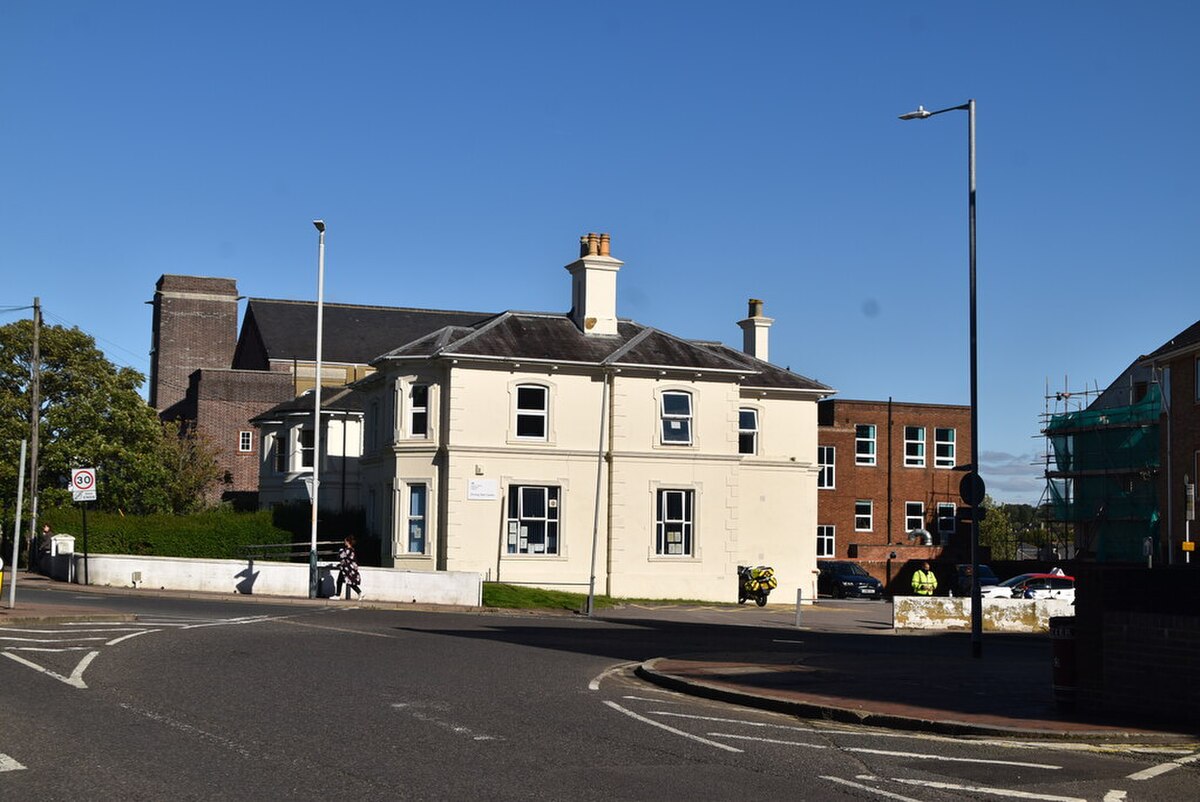
Preparing for your test at Kendal
At 64.8%, a third of candidates at Kendal still do not pass, and the DVSA marking standard is identical at every centre. The relatively quiet route environment is an advantage, but local preparation remains essential. Candidates who travel to Kendal without practising the specific roads around the centre trade one type of difficulty for another.
- 01Practise the roads around Kendal specifically
Ask your instructor to cover the A6, A65 and B-road network around Kendal and Oxenholme before your test. These routes include sections with changing speed limits, limited road markings and rural junctions where give-way rules apply without controlled signals. Familiarity with these specific roads before test day reduces decision-making load significantly.
- 02Build confidence on rural road speed management
Rural roads around Kendal carry national speed limit sections (60 mph on single carriageways). Examiners assess whether candidates drive at an appropriate speed for the conditions, not just at or below the limit. Practise building up to safe speeds on clear stretches and slowing smoothly before junctions, bends and hazards.
- 03Prepare for agricultural vehicles and single-track roads
The Cumbrian countryside around Kendal includes single-track lanes and agricultural traffic. Meeting an oncoming vehicle on a narrow road, selecting a passing place, and giving way correctly are skills that do not feature in urban lesson environments. Cover these situations before test day.
- 04Rehearse the independent driving section in the local area
The 20-minute independent driving section at Kendal will cover local roads without examiner guidance. Practise navigating by sat-nav in the Kendal area including rural sections where sat-nav guidance may be limited or require interpretation. A candidate who knows the area reads the sat-nav as confirmation rather than instruction.
- 05Do not underestimate first-time nerves on quiet roads
Many candidates who travel to Kendal for the first time underestimate how much mental effort rural driving takes compared with familiar urban routes. Complete at least one full mock test on the Kendal roads before test day so that the experience of driving in the area under examination conditions is not entirely new.
Booking and what to expect at Kendal
Bookings are made through the DVSA online booking service on gov.uk. The Kendal centre is formally listed as Kendal (Oxenholme Road). Slot availability at smaller centres like Kendal can be more limited than at large urban sites, so booking well in advance is advisable. The DVSA booking rule changes introduced in May 2026 restrict changes within 10 days of a booked test, so aim to book far enough ahead to allow time for final preparation.
The practical test follows the standard DVSA format: an eyesight check, one vehicle safety question, approximately 40 minutes of driving including the independent section and one standard manoeuvre, and an emergency stop on around one in every seven tests. The rural roads around Kendal mean that the route may include sections with no street lighting, variable surface conditions and stretches where the candidate must set their own speed rather than following traffic flow.
“Kendal (Oxenholme Road) has not recorded a pass rate below 62.6% in any of the ten published years from 2015-16 to 2024-25, and its first-time pass rate of 68.5% in 2024-25 is among the highest in England.”
Sources and further reading
The figures, fees, and procedures referenced in this article are verifiable on the official gov.uk pages below. PassRates.uk is built on the Driver and Vehicle Standards Agency’s open data, published under the Open Government Licence.
What is the pass rate at your test centre?
Search by centre name, town or postcode to see the latest DVSA figure.
Frequently asked questions
What is the pass rate at Kendal driving test centre?
Kendal (Oxenholme Road) recorded a 64.8% pass rate in 2024-25, based on 2,149 practical car tests. The national average in 2024-25 is 48.7%, placing Kendal 16.1 percentage points above the UK figure. Among centres with at least 1,000 tests in 2024-25, Kendal ranks second nationally, behind only Dorchester at 66.7%.
Is Kendal one of the easiest driving test centres in the UK?
Yes, by published DVSA pass rate data. Among the 263 test centres with at least 1,000 tests in 2024-25, Kendal (Oxenholme Road) at 64.8% ranks second easiest, behind Dorchester (66.7%). It has held a position in the top handful of centres consistently since at least 2015-16, never recording a pass rate below 62.6% in ten years of published data.
What is the first-time pass rate at Kendal?
The first-time pass rate at Kendal in 2024-25 is 68.5%, based on 1,230 first-attempt candidates. This is 3.7 percentage points above the overall pass rate of 64.8%, an unusual pattern where first-timers outperform the overall average. It suggests first-time candidates at Kendal arrive well prepared for the quiet rural route environment.
Should I travel to Kendal to take my driving test?
The high pass rate at Kendal is a genuine advantage, but it reflects the quiet rural road environment, not a more lenient marking standard. Candidates who travel to Kendal without practising the specific roads around the centre may find the rural sections more unfamiliar and demanding than expected. The benefit of a higher-pass-rate centre is real, but only if you prepare for the local roads specifically. The should I travel for an easier test guide covers the full calculation.
How does Kendal compare to nearby test centres?
Kendal at 64.8% in 2024-25 is ahead of all nearby centres. Barrow-in-Furness, 23.5 miles away, returned 61.9%; Heysham at 19.1 miles returned 55.0%; Preston returned 53.7%. Kendal leads all three by between 3 and 11 percentage points.
What is the gender pass rate at Kendal?
Male candidates passed at 64.0% at Kendal in 2024-25 based on 1,264 tests, and female candidates at 66.0% based on 885 tests, a gender gap of 2.0 percentage points in favour of women. This is the reverse of the national pattern, where men pass at 49.5% and women at 47.6%.
Where is Kendal driving test centre located?
Kendal driving test centre is on Oxenholme Road in Kendal, South Lakeland, Cumbria. It serves candidates from the Kendal area and surrounding parts of south Cumbria. Bookings are made through the DVSA booking service on gov.uk using your provisional licence number and theory test pass certificate number.
Related guides
Written by Vikas and the PassRates.uk team. Vikas is the software engineer and driving enthusiast who started the site. The figures come straight from the DVSA open dataset; see the methodology.
Source DVSA, Open Government Licence v3.0
Continue reading
Northampton driving test centre returned a 50.4% pass rate in 2024-25 on 12,825 tests, 1.7 percentage points above the national average of 48.7%. Full pass rate history, gender breakdown, nearby East Midlands centre comparison and preparation advice.
Ipswich driving test centre recorded a 63.1% pass rate in 2024-25, well above the national average of 48.7%. Full pass rate history from 2015-16, gender breakdown (women outperform men here), nearby Suffolk centre comparison and preparation advice.