Motorway Lesson After Passing Your Driving Test (2026)
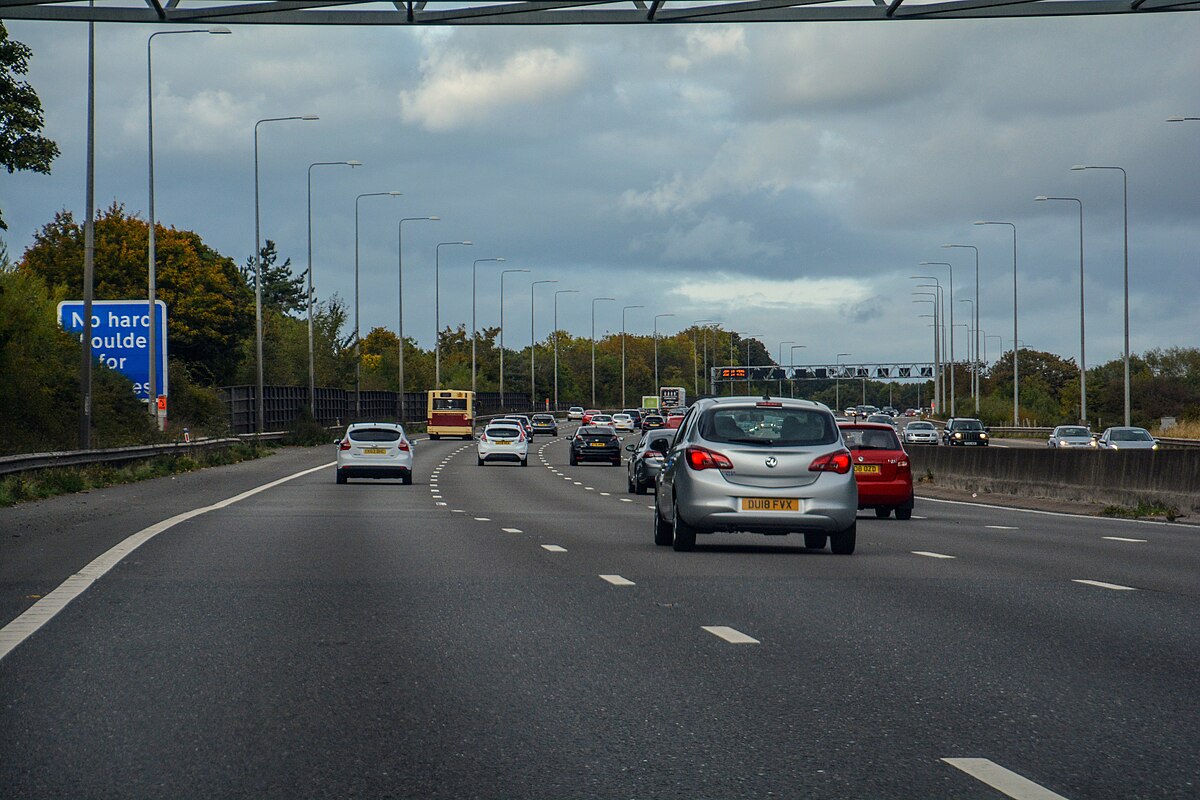
A post-test motorway lesson with an Approved Driving Instructor typically costs £50 to £80 for a two-hour session in a dual-control car, covering four skills that are new to most drivers after passing: joining from a slip road, lane discipline at speed, smart motorway gantry signs, and high-speed hazard management. Taking a motorway lesson before your first solo motorway drive is widely recommended, though no law requires it in England, Scotland or Wales.
- Typical cost
- £50-80Single 2-hour session with an ADI
- Legal requirement
- NoVoluntary in England, Scotland and Wales
- DVSA recommendation
- YesDVSA advises new drivers to take a lesson first
- Book from
- Day 1Full licence holders can join motorways immediately
- NI R-plate rule
- DifferentR-plate holders capped at 45 mph, including motorways
- Pass Plus link
- 1 of 6Motorway is one module of the six-module Pass Plus course
Can you drive on the motorway right after passing?
Yes. In England, Scotland and Wales a full Cat B licence holder can drive on a motorway from the moment their test pass is confirmed. There is no minimum experience period, no waiting time, and no restriction specific to newly qualified drivers in the Road Traffic Act 1988 framework. Northern Ireland is different: R-plate holders may use motorways but must keep to 45 mph during the mandatory 12-month restricted period, regardless of confidence or prior experience.
Legal permission and practical readiness are separate questions. The standard driving test does not include motorway driving. Your examiner never assessed you at 70 mph in three lanes of traffic, and no test route includes a slip-road merge or a smart motorway variable-speed section. Most new drivers have done no motorway driving at all before they pass. DVSA acknowledges this gap and actively recommends that newly qualified drivers take a voluntary motorway lesson with an ADI before their first solo trip, rather than encountering those conditions without guidance.
What does a motorway lesson after passing cover?
Most ADIs structure a post-test motorway lesson as a two-hour session in their dual-control car. The dual-control element matters: the instructor has a passenger-side brake pedal, which means you can practise at full speed on a real motorway with the safety net of an instant override if something goes wrong. That is the only realistic way to build motorway confidence safely, and it is why a post-test lesson with an ADI is genuinely different from a first motorway drive with a family member who also does not know the motorway.
- 01Briefing and observation on the approach road
Before reaching the motorway the instructor covers the key rules: the 70 mph national speed limit, the two-second following-distance rule (extended to four seconds in wet conditions), lane discipline, and what to expect from gantry signs on a smart motorway section. The briefing on a dual-control car also covers what happens if the instructor has to use the brake: no alarm, just a firm slow-down, so you know what to expect and do not panic.
- 02Joining from the slip road
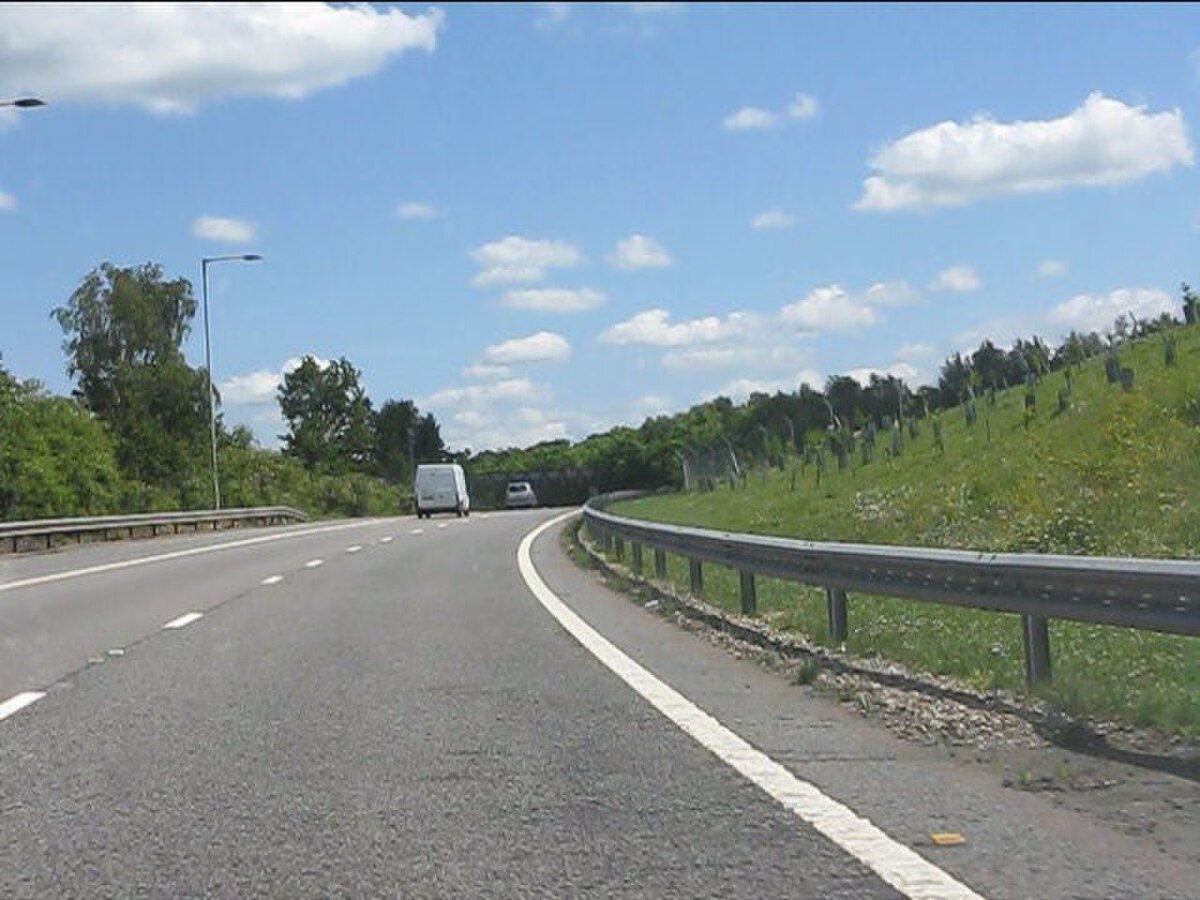
The first active skill is the slip-road merge. New drivers most commonly make one of two errors: joining too early at too low a speed, cutting across motorway traffic, or hesitating at the merge point and stalling the junction. The instructor guides you through the acceleration phase, the moment you match the speed of moving motorway traffic, and the point of lane entry. Most ADIs repeat this at two or three different junctions until the pattern becomes automatic.
- 03Lane discipline and following distance at speed
On a live motorway the instructor works through lane selection: keeping left unless overtaking, not sitting in lane two when lane one is clear, checking mirrors every few seconds, and planning well ahead of lane changes. At 70 mph the two-second gap to the vehicle ahead represents about 62 metres of road, which feels closer than it looks until you have driven at that speed regularly. The lesson builds an accurate feel for safe following distance before you encounter it alone.
- 04Exiting at the right junction and reading motorway signs
Leaving at the correct junction under time pressure is the final skill. Motorway signs give advance notice at one mile, half a mile and 300 yards before each junction. The lesson covers reading these at speed, moving to the left lane in good time, not braking on the main carriageway, and adjusting speed on the exit slip road where a lower limit often applies immediately after the deceleration lane ends.
How much does a post-test motorway lesson cost?
A standalone motorway lesson typically costs between £50 and £80 for a two-hour session. The exact figure depends on the instructor's standard hourly rate, the area (London rates run higher than most of the country), and whether the ADI charges any premium for post-test sessions. Most charge their usual hourly rate with no surcharge: if an instructor charges £35 per hour, a two-hour session costs £70. The lesson is not separately priced by most ADIs; it is simply two hours of instruction time.
| Standalone lesson | Pass Plus (full course) | |
|---|---|---|
| Typical cost | £50-80 for one session | £150-200 for all 6 modules |
| Motorway time | Full 2 hours on the motorway | One module of six, around 1 hour |
| Other topics | Motorway only | Night, all-weather, rural roads, dual carriageways, town driving |
| Insurance discount | No certificate, no discount | Small discount with some insurers |
| DVSA certificate | No formal certificate issued | Pass Plus certificate issued |
| Best choice for | Drivers who need motorway confidence only | Drivers wanting broad post-test training and a certificate |
If your main concern is motorway confidence and you are not chasing an insurance discount, a standalone lesson is the more focused option. The motorway module inside Pass Plus typically allocates around one hour to motorway driving, while a dedicated standalone session gives you the full two hours on the carriageway. If you want structured coverage of night driving, rural roads and bad weather as well, Pass Plus packages all six modules at a lower combined cost than booking each separately.
How a motorway lesson differs from your driving test
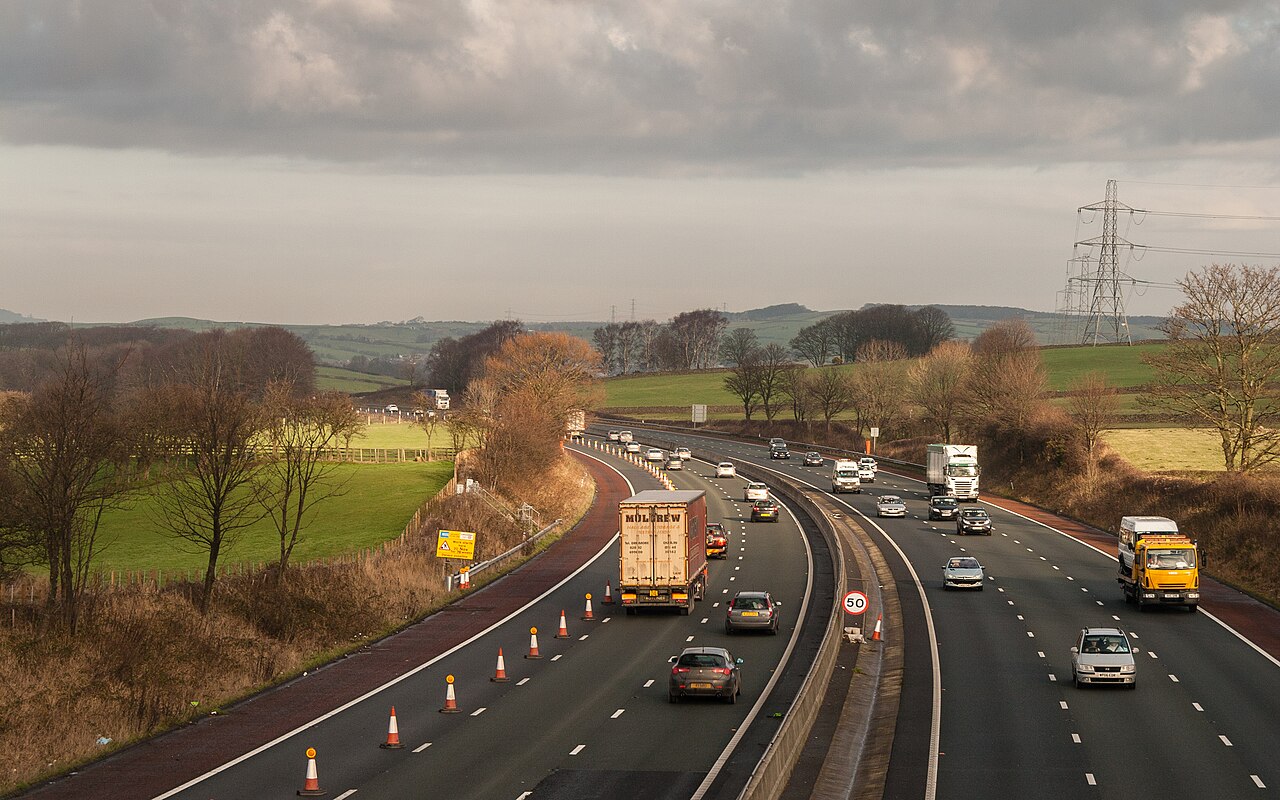
The standard Cat B driving test takes place entirely on non-motorway roads. DVSA's test routes include A-roads, residential streets, roundabouts and dual carriageways, but not motorways. Before April 2018, learner drivers in Great Britain could not legally drive on motorways at all. The law changed to allow learners on motorways provided they are accompanied by an ADI in a vehicle with dual controls. Even now, most learners never take a motorway lesson before their test: it requires a separate booking specifically with an ADI, and many candidates pass without one.
What this means in practice: on the day you pass your test, your examiner certified that you can handle urban junctions, residential roads and dual carriageways to the minimum safe standard. They said nothing about 70 mph three-lane driving, slip-road merges, or smart motorway gantry compliance. A post-test motorway lesson fills that gap, covering conditions you have not been assessed on and would otherwise encounter for the first time alone at full speed.
Smart motorways: what the lesson covers and why it matters
Around a third of England's motorway network is now a smart motorway of some kind, with variable speed limits on overhead gantries and, on all-lane-running sections, no permanent hard shoulder. New drivers who have never been on a motorway often encounter a smart motorway on their first solo trip without understanding what a red X above a lane means, or what an emergency refuge area is.
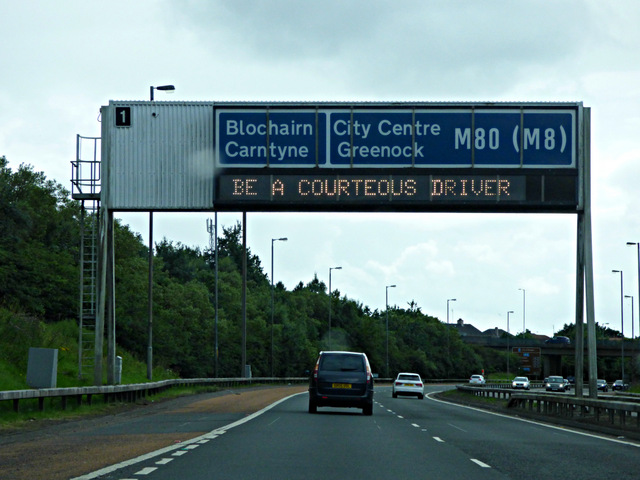
An ADI-led motorway lesson covers smart motorway rules in order: what the gantry displays mean, when a speed limit in a red circle is mandatory versus advisory, how to identify an emergency refuge area on an all-lane-running section, and what to do if you break down on a motorway with no permanent hard shoulder. These are skills with legal and safety consequences that the standard test curriculum does not cover.
When should you book a motorway lesson?
The practical answer is: soon after passing, before solo motorway driving becomes unavoidable. The longer you wait, the more likely you are to encounter a motorway alone first, either because a journey requires it or because friends or family expect you to manage it without preparation. Booking while the motivation is fresh and the DVSA recommendation is recent is the straightforward approach.
- Book with the same ADI who taught you if they offer post-test lessons. They know your driving from your lessons and can target the motorway session to your specific gaps rather than covering ground you already handle well.
- Allow a week or two of solo non-motorway driving first. A few post-test drives on familiar roads means the motorway lesson focuses on genuine motorway skills rather than general adjustment to solo driving.
- Plan the lesson for a dry weekday morning if you can. Motorway traffic is lighter at 10am on a Tuesday than at 3pm on a Friday, and a first lesson in wet conditions adds extra cognitive load before the core motorway skills are settled.
- Tell the ADI beforehand that this is a first motorway lesson after passing. Some ADIs have a structured curriculum for exactly this: knowing your experience level lets them plan the route and the teaching points in advance rather than adapting on the day.
- Consider a second session a month later if the first one raised gaps. Smart motorway emergency procedures, long-journey fatigue management and night motorway driving are all reasonable follow-up areas once the core merge and lane-discipline skills are secure.
Do you actually need a motorway lesson?
No law requires it in England, Scotland or Wales. You can drive on a motorway from day one of holding your full licence with no lesson, no certificate and no prior motorway experience. Many people do exactly that and drive safely. The case for the lesson is not that solo motorway driving is inherently dangerous for new drivers, but that a dual-control session with an ADI is the lowest-risk way to cover ground that your test never assessed.
DVSA's guidance for newly qualified drivers encourages a motorway lesson before the first solo trip. The first year after passing guide notes that new drivers face their highest crash risk in the 12 months after passing, and that introducing new road types one at a time with appropriate support reduces that risk. A motorway lesson is one practical application of that principle: at £50 to £80 for two hours it costs less than a single week of pre-test lessons, and it covers conditions with no equivalent in the standard test.
“The standard test qualifies you for non-motorway roads. A post-test lesson is how you close the gap between what the test assessed and where you will actually drive.”
Building motorway confidence after the lesson
A single two-hour lesson introduces the skills; consolidating them takes regular motorway driving in the following weeks. The most common pattern among new motorway drivers is to do the lesson and then wait too long before the next motorway trip. Skills from a single session do not transfer to long-term habit without practice. Plan a solo motorway journey in the week after the lesson, on a short stretch in similar conditions, and build from there.
- Your first solo motorway trip should be short, typically 10 to 20 miles, in daylight, in dry conditions, on a quiet stretch you have researched in advance rather than one you encounter by chance.
- Practise the slip-road merge specifically. It is the point where most newly qualified motorway drivers feel most uncertain, because the speed differential between the acceleration lane and the main carriageway needs accurate judgement that only improves with repetition.
- Hold the two-second following-distance rule that you applied in the lesson. At 70 mph that means a gap of roughly 62 metres to the vehicle ahead, extended to four seconds in rain. It feels longer than necessary at first and correct with experience.
- Lane discipline is the most persistent ongoing fault: stay in lane one unless overtaking, and return to lane one after every overtake. Sitting in lane two when lane one is clear is a careless-driving offence enforceable by a fixed penalty.
- For a longer trip, revisit Pass Plus after a few solo motorway journeys. The night and all-weather modules address the conditions where year-one crash risk is highest and complement what the motorway lesson started.
Sources and further reading
The figures, fees, and procedures referenced in this article are verifiable on the official gov.uk pages below. PassRates.uk is built on the Driver and Vehicle Standards Agency’s open data, published under the Open Government Licence.
What is the pass rate at your test centre?
Search by centre name, town or postcode to see the latest DVSA figure.
Frequently asked questions
Is a motorway lesson after passing compulsory in the UK?
No. In England, Scotland and Wales a full Cat B licence holder can drive on motorways from day one with no lesson required. DVSA recommends a voluntary lesson with an ADI before the first solo motorway trip, but there is no legal requirement to take one. Northern Ireland is different: R-plate holders may use motorways but must keep to 45 mph during the mandatory 12-month restricted period, regardless of experience.
How much does a motorway lesson cost after passing?
A standalone post-test motorway lesson typically costs £50 to £80 for a two-hour session, based on the ADI's standard hourly rate. London rates tend to sit at the upper end of that range. Most ADIs charge the same hourly rate as pre-test lessons with no additional fee for post-test sessions. Pass Plus, which includes a motorway module plus five others, typically costs £150 to £200 for the full course.
What does a motorway lesson cover after passing?
Most ADIs structure a post-test motorway lesson around four areas: joining from a slip road (matching speed and merging into live motorway traffic), lane discipline at 60 to 70 mph, reading smart motorway overhead gantry signs including variable speed limits and red X lane closures, and exiting at the correct junction. The session takes place in a dual-control car so the instructor can override instantly if needed, making live motorway practice at full speed genuinely safe.
Can learner drivers take a motorway lesson in the UK?
Yes, since April 2018. Learner drivers can drive on motorways in England, Scotland and Wales provided they are accompanied by an ADI in a vehicle fitted with dual controls. Learners can only go on a motorway with an ADI, not with a standard accompanying driver. Learners in Northern Ireland cannot drive on motorways at all. Most learners still pass without a motorway lesson, which is why the post-test lesson exists to fill the gap.
Is a standalone motorway lesson the same as Pass Plus?
No, though there is overlap. A standalone motorway lesson focuses entirely on motorway driving and typically gives you two full hours on the carriageway. Pass Plus is a structured six-module programme covering motorways, night driving, all-weather conditions, rural roads, dual carriageways and town driving. The motorway module within Pass Plus typically allocates around an hour to motorway driving. If you only need motorway confidence, a standalone lesson is more focused. If you want broad post-test training and a certificate some insurers recognise, Pass Plus packages more value.
What are smart motorways and do I need to understand them for a motorway lesson?
Smart motorways use variable speed limits on overhead gantries and, on all-lane-running sections, convert the hard shoulder to a running lane. A red X above any lane means that lane is legally closed, enforced by camera and carrying a £100 penalty plus three points. An emergency refuge area replaces the permanent hard shoulder on all-lane-running sections as the designated safe stop in a breakdown. A post-test motorway lesson covers smart motorway signage in detail because it is absent from the standard test curriculum and carries direct legal consequences if misunderstood.
When should I book a motorway lesson after passing?
Most ADIs recommend booking within the first two to four weeks of passing, before solo motorway driving becomes unavoidable. Allow a week or two of post-test non-motorway driving first so the lesson concentrates on motorway skills rather than general adjustment to driving solo. Book in dry daytime conditions for the first session. Using your pre-test ADI is worth asking about: they know your driving from previous lessons and can target the session to your specific areas of uncertainty.
Will a motorway lesson reduce my car insurance?
A standalone motorway lesson does not carry a certificate that insurers recognise for a discount. Pass Plus does carry a certificate that a small number of insurers still honour, though that discount has narrowed as telematics policies have become more common. The financial case for a standalone motorway lesson is safety and confidence rather than premium reduction. The Pass Plus guide covers which UK insurers currently recognise the certificate and what discounts are typically available for the age groups where they still apply.
Every candidate behind these numbers passed a theory test first. Nationally 44.8% of attempts clear it.
What to do at the scene, first aid basics and breakdown procedure. All 14 DVSA topics are free to practise, with no sign up. See the theory pass rate by centre or the full practice hub.
Related guides
Written by Vikas and the PassRates.uk team. Vikas is the software engineer and driving enthusiast who started the site. The figures come straight from the DVSA open dataset; see the methodology.
Source DVSA, Open Government Licence v3.0
Continue reading
A small number of UK insurers still offer a Pass Plus discount in 2026. Find out which ones, how to claim it and whether the saving covers the course cost.
What shoes to wear for your UK driving test: why flip-flops, heels and bare feet cost faults, what Rule 97 actually says, and the footwear examiners barely notice.